

At ECO Bed Bug Exterminators, we understand the concerns and questions that arise when dealing with bed bugs. Here are some of the most frequently asked questions we encounter:
What Do Bed Bugs Look Like?
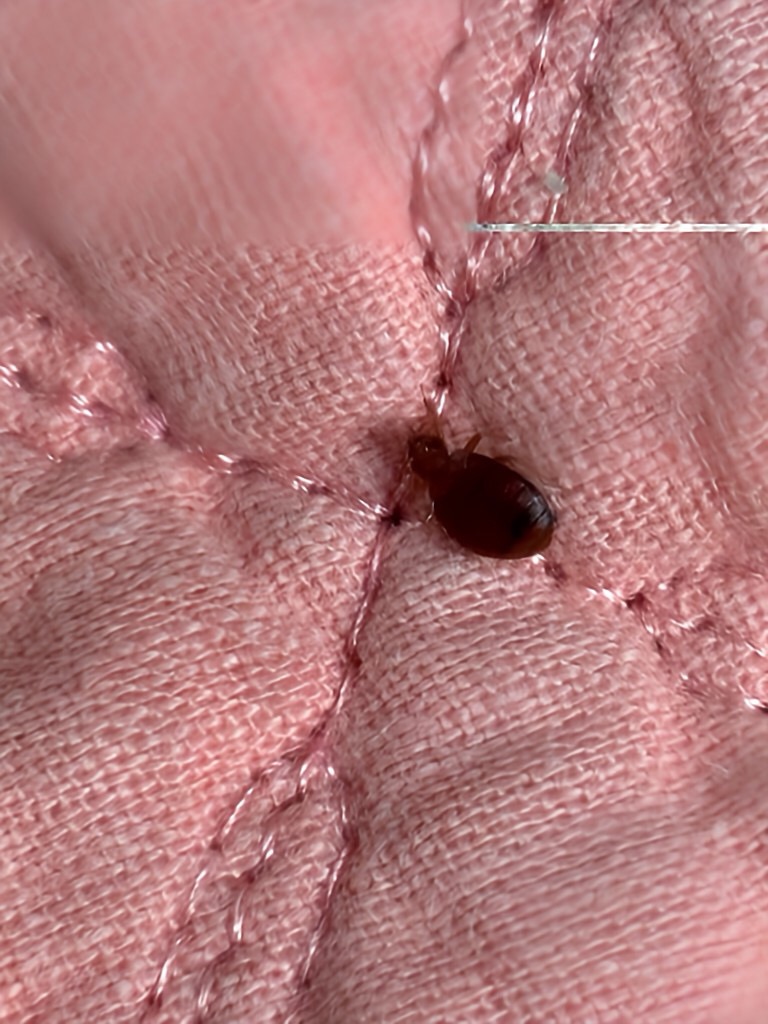
Bed bugs are small, reddish-brown insects with flat, oval-shaped bodies. Adult bed bugs are about the size of an apple seed, measuring approximately 5-7 mm in length. They have six legs, two antennae, and are wingless. Newly hatched bed bugs, known as nymphs, are translucent or whitish-yellow and are much smaller, making them harder to see.
How Can I Tell If I Have Bed Bugs?
Identifying a bed bug infestation can be challenging due to their small size and nocturnal habits. Common signs of bed bugs include:
• Bite Marks: Small, red, itchy welts on the skin, often in a line or cluster.
• Blood Stains: Small, rusty spots on bed sheets, mattresses, or furniture.
• Exoskeletons: Shed skins from growing bed bugs.
• Fecal Spots: Tiny black or dark brown spots on bedding, mattresses, or walls.
• Musty Odor: A sweet, musty smell, particularly in severe infestations.
How to Identify Bed Bug Bites
Bed bug bites can vary in appearance from person to person, but common characteristics include:
• Red, Itchy Welts: Bites often appear as red, raised welts that are itchy and may have a darker red spot in the middle.
• Linear Pattern: Bites often occur in a line or cluster, commonly known as “breakfast, lunch, and dinner” patterns, due to the bed bug’s feeding behavior.
• Exposed Skin: Bites typically occur on areas of skin exposed while sleeping, such as the face, neck, arms, and hands.
How Did I Get Bed Bugs?
Bed bugs are excellent hitchhikers and can be brought into your home in various ways:
• Travel: Staying in infested hotel rooms or using public transportation.
• Second-Hand Furniture: Bringing in used mattresses, furniture, or clothing.
• Visitors: Guests unknowingly carrying bed bugs into your home.
• Multi-Unit Housing: Bed bugs can move between apartments or rooms through walls, floors, and ceilings.
How Can I Get Rid of Bed Bugs?
Eliminating bed bugs requires a thorough and multi-faceted approach:
1. Inspection: Identify all infested areas.
2. Cleaning: Wash and dry bedding, clothing, and curtains at high temperatures. Vacuum your home, including mattresses, carpets, and furniture.
3. Declutter: Reduce hiding places by getting rid of clutter.
4. Encasements: Use bed bug-proof mattress and box spring encasements.
5. Professional Treatment: Hire a pest control professional to apply insecticides or heat treatments.
6. Monitoring: Use bed bug traps to monitor the situation post-treatment.
Can Bed Bugs Cause Health Problems or Spread Diseases?
While bed bugs are not known to spread diseases, their bites can cause several health issues:
• Allergic Reactions: Some people may develop severe allergic reactions to bed bug bites.
• Infections: Scratching bites can lead to secondary skin infections.
• Sleep Issues: The presence of bed bugs can cause anxiety, insomnia, and sleep disturbances.
What Are the Signs of a Bed Bug Infestation?
Key indicators of a bed bug infestation include:
• Live Bugs: Seeing live bed bugs on mattresses, bed frames, or furniture.
• Bites: Experiencing bites, especially after waking up.
• Fecal Spots: Finding dark spots on bedding and furniture.
• Eggs and Shells: Discovering tiny, pale eggs or shed exoskeletons.
Where Do Bed Bugs Typically Hide?
Bed bugs prefer to hide in close proximity to their feeding sources. Common hiding places include:
• Mattresses and Box Springs: Along seams, tufts, and folds.
• Bed Frames and Headboards: In cracks and crevices.
• Furniture: Inside cushions, seams, and under cushions.
• Walls and Baseboards: In cracks, outlets, and behind wall hangings.
Do Bed Bugs Only Live in Beds?
No, bed bugs do not only live in beds. They can infest a variety of places, including:
• Couches and Chairs: Inside and under cushions.
• Curtains: Along the seams and folds.
• Luggage and Bags: Inside pockets and seams.
• Clothing: In piles of clothes or closets.
• Electrical Outlets: Inside outlets and behind switch plates.
Do Bed Bugs Mean I Have a Dirty Home?
Having bed bugs is not necessarily a sign of a dirty home. Bed bugs can infest clean and tidy spaces just as easily as cluttered ones. However, clutter provides more hiding spots, making it harder to eliminate an infestation.
What Steps Should I Take If I Suspect a Bed Bug Infestation?
If you suspect you have bed bugs, follow these steps:
1. Inspect: Check your bedding, furniture, and other common hiding places for signs of bed bugs.
2. Contain: Isolate infested items in plastic bags or bins to prevent spreading.
3. Clean: Wash and dry affected items at high temperatures.
4. Vacuum: Thoroughly vacuum your home, especially around infested areas.
5. Contact Professionals: Reach out to a licensed pest control service for treatment.
How Can I Prevent Bed Bugs from Coming Back After Treatment?
To prevent a recurrence of bed bugs:
• Regular Inspections: Periodically check for signs of bed bugs.
• Avoid Used Items: Be cautious with second-hand furniture and clothing.
• Travel Caution: Inspect hotel rooms and keep luggage off the floor.
• Encasements: Use mattress and box spring encasements.
• Declutter: Keep your home tidy to reduce hiding places.
• Seal Cracks: Repair cracks in walls, floors, and furniture.
At ECO Bed Bug Exterminators, we’re committed to providing comprehensive solutions for bed bug control. By understanding the signs, prevention methods, and treatment options, you can protect your property and ensure peace of mind. Contact us today at (410) 929-3420 for expert advice and assistance in managing bed bug infestations effectively.
