
Bed bugs are a common household pest that can cause significant discomfort and stress. Understanding what baby bed bugs look like, particularly during their infant stage, is crucial for identifying and addressing an infestation early.
Appearance of Baby Bed Bugs
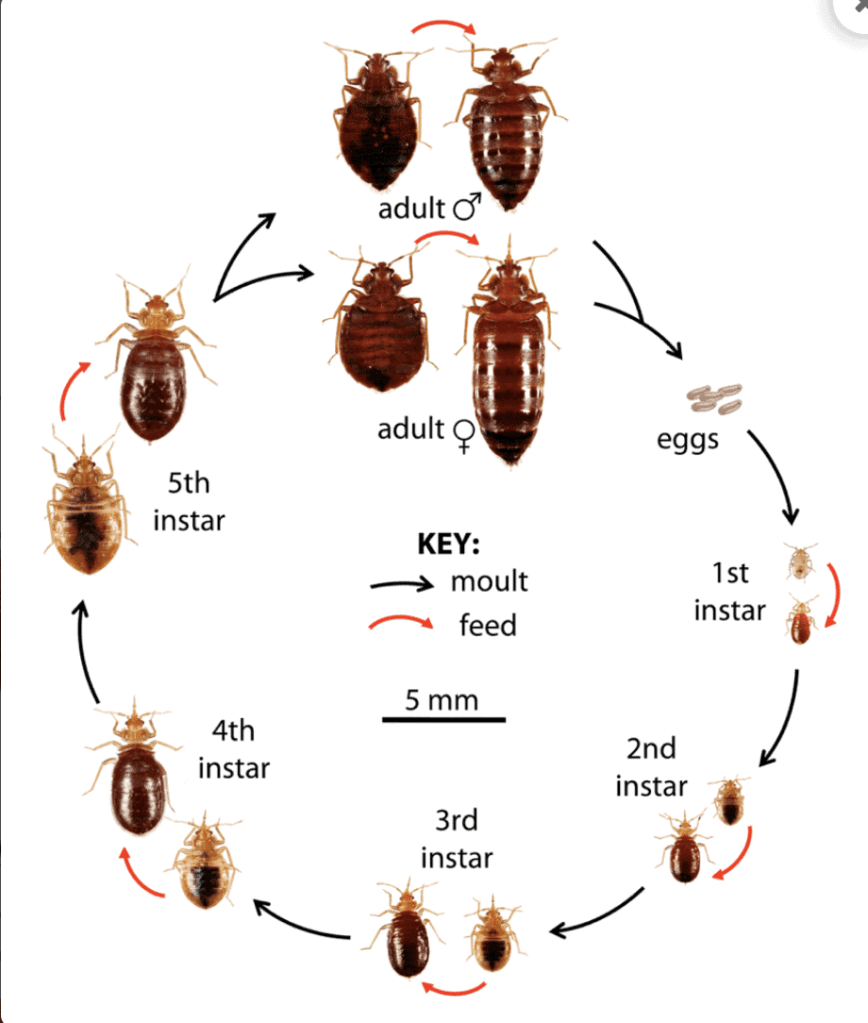
Baby bed bugs, also known as nymphs, go through five developmental stages before reaching adulthood. Here’s what you need to know about their appearance:
1. Size: Nymphs are extremely small, especially in the early stages. They can be as tiny as 1 mm (about the size of a pinhead) when they first hatch.
2. Color: Freshly hatched nymphs are nearly colorless or a very light tan. As they feed on blood, they gradually turn a reddish-brown color.
3. Shape: Like adult bed bugs, nymphs have a flat, oval shape. However, they are more translucent when unfed and become more opaque after feeding.
4. Exoskeleton: Nymphs have a thin exoskeleton, which they shed several times as they grow. These shed skins, known as exuviae, are often found in infested areas and can be a sign of an ongoing infestation.
5. Visibility: Due to their small size and light color, nymphs can be difficult to spot with the naked eye, especially against light-colored backgrounds.
Life Cycle and Behavior
Understanding the life cycle of bed bugs helps in identifying and controlling an infestation:
• Egg Stage: Bed bug eggs are white, tiny (about 1 mm), and typically found in hidden areas like mattress seams, furniture crevices, and baseboards.
• Nymph Stages: There are five nymph stages, with each stage requiring a blood meal before molting to the next stage. Nymphs are more likely to be active and feed at night.
• Growth and Feeding: Nymphs must feed on blood to grow and progress to the next stage. Each feeding session lasts 3-10 minutes. As they molt, they leave behind exoskeletons, which are signs of their presence.
Signs of Infant Stage Infestations
Early detection of bed bug nymphs can prevent a minor issue from becoming a major infestation. Here are signs to look out for:
• Bite Marks: Bed bug bites often appear in a line or cluster and can cause redness, itching, and swelling.
• Blood Stains: Small blood stains on bedding or furniture may indicate feeding activity.
• Fecal Spots: Tiny, dark spots (about the size of a pen tip) on bedding, walls, or furniture are bed bug fecal matter.
• Shed Skins: Finding tiny, translucent shed skins in and around sleeping areas can be a clear indicator of nymph presence.
Prevention and Control
Preventing and controlling bed bug infestations involves vigilance and prompt action:
• Regular Inspections: Regularly inspect sleeping areas, especially mattress seams, box springs, and furniture crevices.
• Cleaning: Keep sleeping areas clean and clutter-free to reduce hiding places. Regularly wash and dry bedding on high heat.
• Sealing Cracks: Seal cracks and crevices in walls and furniture to minimize hiding spots.
• Professional Help: If you suspect an infestation, consider contacting a pest control professional for thorough inspection and treatment.
By understanding what baby bed bugs look like and recognizing the signs of an infestation, you can take proactive steps to protect your home and maintain a pest-free environment. Early detection and intervention are key to preventing a small problem from becoming a significant issue.
