
Bed bug infestations can be a nightmare, causing discomfort and sleepless nights. When faced with these persistent pests, homeowners often explore various methods to eliminate them. One popular option is the use of bed bug foggers, also known as bug bombs or aerosol foggers. In this blog, we will examine the effectiveness of bed bug foggers and explore whether they are a reliable solution for tackling bed bug infestations.
Understanding Bed Bug Foggers:
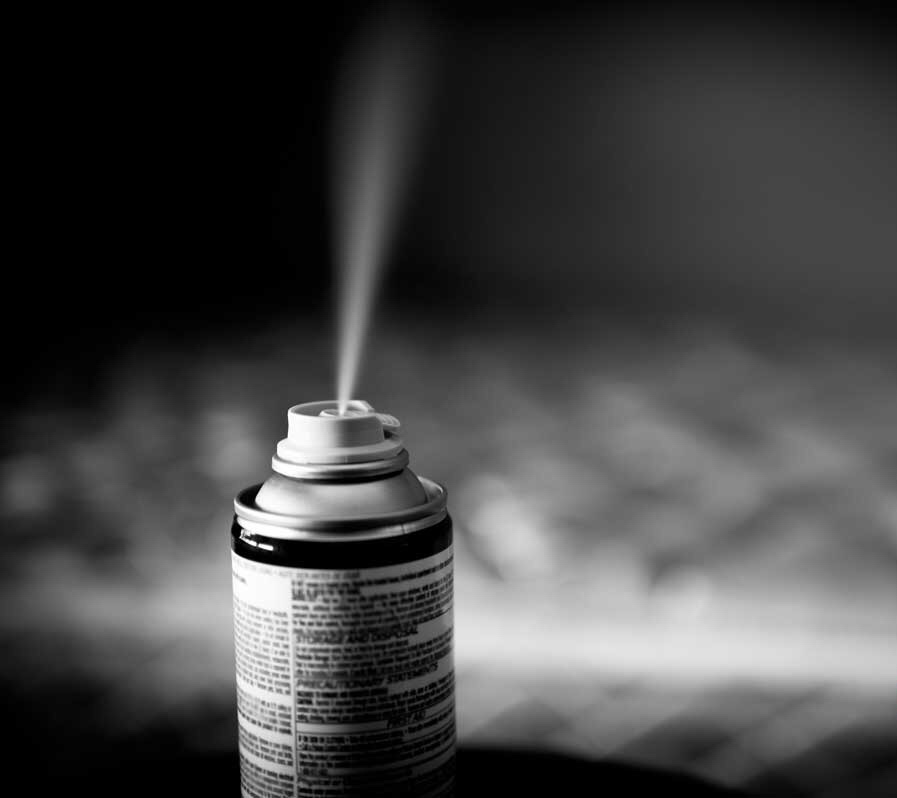
Bed bug foggers are canisters that release a pesticide fog when activated. The fog is intended to disperse throughout the room, reaching areas where bed bugs may be hiding. These foggers are often marketed as a convenient, do-it-yourself solution for eliminating bed bugs without the need for professional pest control.
The Limitations of Bed Bug Foggers:
While bed bug foggers may seem appealing, it is important to consider their limitations and potential drawbacks. Here are a few factors to consider:
1. Ineffectiveness on Hidden Bed Bugs:
Bed bugs are experts at hiding in cracks, crevices, and other hard-to-reach areas. Foggers primarily target exposed surfaces and the air, making it difficult for the pesticide fog to penetrate deep into the hiding spots where bed bugs reside. This can result in untreated areas, allowing the infestation to persist and potentially reemerge.
2. Resistance and Incomplete Elimination:
Bed bugs have developed resistance to certain pesticides over time. Some foggers may contain pesticides that bed bugs are less susceptible to, reducing their effectiveness. Additionally, foggers may not completely eliminate all bed bugs, especially if some have found refuge in areas not reached by the fog. This can lead to a recurring infestation.
3. Lack of Residual Control:
Most bed bug foggers provide only immediate contact kill, meaning they kill the bed bugs that come into direct contact with the fog. However, they do not provide long-term residual control, which is crucial for preventing new bed bugs from entering the treated area or surviving after fogging. Without residual control, reinfestation becomes a possibility.
4. Health and Safety Concerns:
Using foggers involves releasing a considerable amount of pesticide into the air. This can pose health risks if not used correctly or if occupants are not properly protected. It is essential to follow the manufacturer’s instructions meticulously and take appropriate safety precautions, such as vacating the treated area, covering food and utensils, and ensuring proper ventilation.
When to Consider Professional Pest Control:
Given the limitations of bed bug foggers, it is advisable to consider professional pest control services for severe or persistent bed bug infestations. Professional exterminators have the expertise, knowledge, and access to more effective treatment methods, including targeted insecticides, heat treatments, and steam treatments. They can assess the extent of the infestation, customize a treatment plan, and provide follow-up inspections to ensure complete eradication.
Conclusion:
While bed bug foggers may seem like a convenient and cost-effective solution for tackling bed bug infestations, their effectiveness is often limited. These foggers may not reach hidden bed bug populations or provide long-term residual control. In cases of severe or recurring infestations, it is recommended to seek professional pest control services to ensure comprehensive and successful eradication. Remember, when it comes to bed bugs, it’s crucial to be thorough and consider all available options for effective control and peace of mind.
