

Understanding Bed Bug Behavior and Habitat
Bed bugs (Cimex lectularius) are those unwelcome guests who crash your bedroom party without an invitation. These tiny, flat, parasitic insects feast on the blood of humans and animals, mostly under the cover of night. They’re masters of hide-and-seek, tucking themselves into mattress seams, bed frames, and furniture. A common question that keeps people up at night (aside from the actual bed bugs) is whether these pests can set up camp in human hair.

Bed Bugs vs. Hair-Dwelling Parasites
Unlike the unwelcome lice and fleas who’ve evolved to turn your hair into a jungle gym, bed bugs are more like the socially awkward guests at a party—they just don’t fit in. Their flat, oval-shaped bodies are designed for slipping into the tiniest of crevices, not for navigating through hair. Bed bugs lack the claws and specialized legs that lice have, making them more suited to playing hide-and-seek in your mattress than climbing the slippery slopes of your hair.
Feeding Patterns and Preferences


Bed bugs are connoisseurs of exposed skin, preferring to feast on faces, necks, arms, and hands. With their elongated beaks, they pierce the skin and enjoy a blood meal for about 5 to 10 minutes before retreating to their hiding spots. If they do nibble near your hairline, it’s purely incidental—they have no interest in making your hair their home.
Myths and Misconceptions
The rumor that bed bugs can live in your hair is probably just another tall tale from the bed bug grapevine. Yes, they might leave bites near your scalp, but finding them nestled in your hair is as rare as finding a needle in a haystack. Bed bugs prefer hiding in undisturbed places during the day and only come out to dine at night.
Can Bed Bugs Get Under Your Skin?
Bed Bug Feeding Mechanism
If the thought of bed bugs makes your skin crawl, relax a little—they can’t actually crawl under it. Bed bugs are ectoparasites, meaning they live on the surface of the skin and feed externally. Using their long, beak-like proboscis, they pierce the skin to access blood vessels. During this midnight snack, they inject saliva with anticoagulants and anesthetics to keep the blood flowing and the bites less noticeable. Sneaky, right?
Skin Reactions to Bed Bug Bites

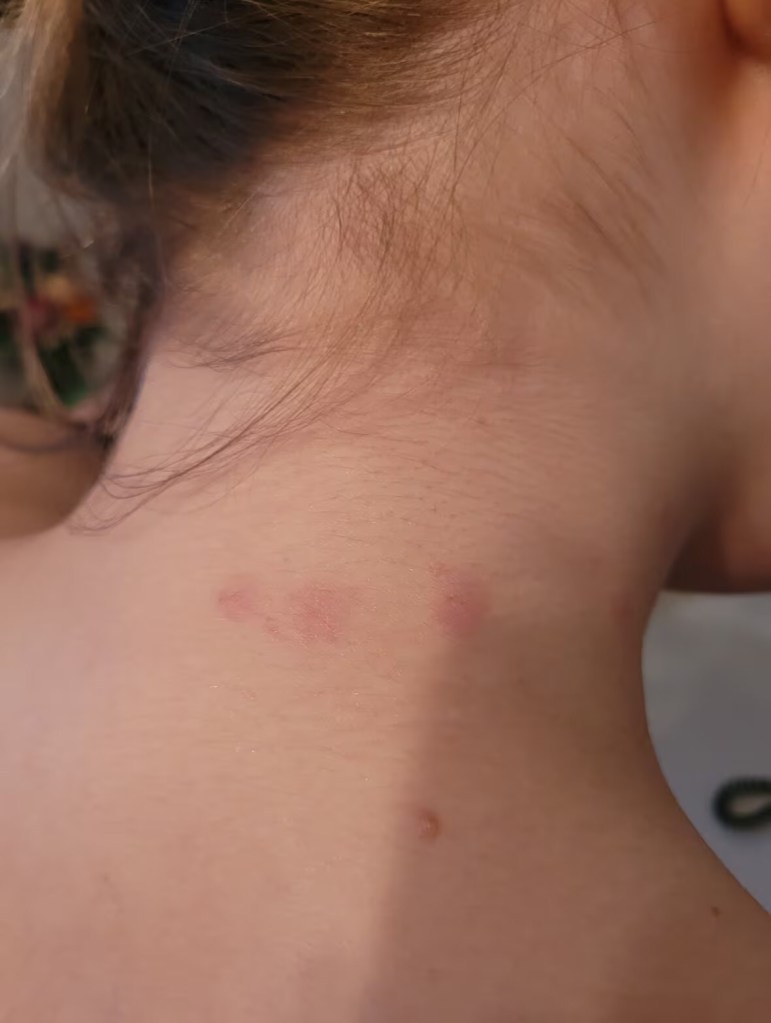
Bed bug bites can cause redness, swelling, and itching, thanks to your immune system’s response to their saliva. While these bites can be annoying and itchy, they don’t mean the bed bugs have burrowed under your skin. They’re just superficial skin invaders.
Differentiating Bed Bug Bites from Other Conditions

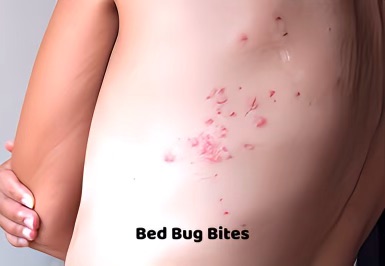
Other pests, like scabies mites, do burrow into the skin, causing intense itching and a rash. But bed bug bites are strictly surface-level, like a bad sunburn or a mild allergic reaction.
Addressing Concerns and Proper Treatment
If you find yourself on the losing end of a bed bug feast, over-the-counter treatments like antihistamines and topical corticosteroids can help ease the itch and inflammation. Keep the bites clean and resist the urge to scratch—no matter how tempting it is!
Prevention and Management of Bed Bugs
Inspecting and Identifying Infestations
To keep bed bugs at bay, regularly inspect common hiding spots. Look for telltale signs like small reddish-brown stains on sheets, dark spots of bed bug excrement, or shed exoskeletons. Early detection is key to preventing a full-blown infestation.
Professional Pest Control Solutions
If you suspect bed bugs have moved in, call in the pros. Pest control professionals can accurately identify and effectively treat infestations using a mix of heat treatments, insecticides, and thorough cleaning.
Final Thoughts
Bed bugs might be persistent party crashers, but understanding their behavior and biology can help you kick them out for good. They don’t live in human hair or burrow under the skin. Stay informed, take proactive measures, and you can minimize the impact of these unwelcome guests.
