
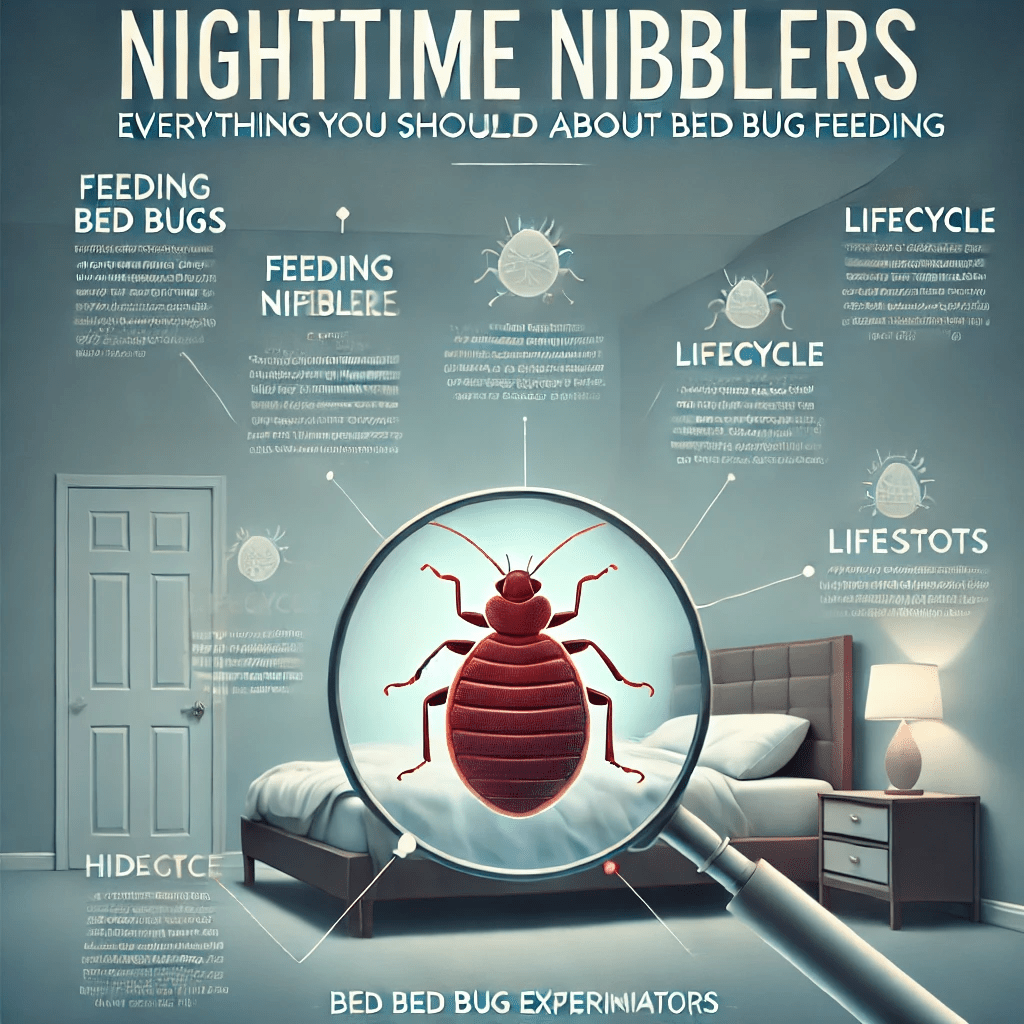
Bed bugs are infamous for their nocturnal antics, sneaking out under the cover of darkness to feast on unsuspecting hosts. Despite their small size, their ability to disrupt sleep and cause stress is monumental. Understanding their feeding patterns can help you identify an infestation early and take the necessary steps to eliminate these persistent pests.
This post dives into the science behind bed bug feeding habits, what attracts them to a host, and how to protect yourself from their midnight snacks.
The Science Behind Bed Bug Feeding
Bed bugs (Cimex lectularius) are hematophagous insects, meaning their diet consists exclusively of blood. Their feeding behavior is shaped by survival instincts and adaptations that make them highly efficient.
1. Preferred Hosts
While bed bugs prefer human blood, they won’t turn down other warm-blooded animals, like pets, birds, or rodents, in a pinch. Human skin, however, is their favorite due to its easy access to blood vessels and lack of hair.
2. Feeding Schedule
Bed bugs are primarily nocturnal feeders, emerging from hiding between 2 a.m. and 5 a.m., when humans are in their deepest stages of sleep. This timing minimizes the chances of being detected or disturbed.
3. Duration of Feeding
A single feeding session lasts 3–10 minutes. Using specialized mouthparts, bed bugs pierce the skin and withdraw blood before retreating to digest their meal.
4. Frequency of Feeding
Adult bed bugs typically feed every 3–7 days. After a meal, they require time to digest before seeking another host. In crowded infestations, competition for food may alter their feeding frequency.
What Attracts Bed Bugs to a Host?
Bed bugs don’t rely on sight to find their next meal. Instead, they use a combination of sensory cues:
• Heat: Attracted to the warmth of a sleeping body.
• Carbon Dioxide: They detect CO₂ exhaled by humans and use it to locate their host.
• Odors: Body odors and sweat act as additional guides.
Why Bed Bug Feeding Patterns Matter
Understanding bed bug feeding habits reveals their physical and psychological impact:
• Bite Patterns: Bites often appear in clusters or linear rows, known as the “breakfast, lunch, and dinner” pattern. This occurs when a bug probes multiple spots to find an ideal feeding site.
• Reactions to Bites: Reactions vary from itchy welts to no visible marks. Severe cases can cause allergic reactions or secondary infections from scratching.
• Sleep Disruption: Knowing bed bugs are active at night can lead to anxiety and insomnia, even before bites are noticeable.
Can Bed Bugs Survive Without Feeding?
Bed bugs are resilient, capable of surviving months—or even over a year—without feeding, depending on temperature and humidity. This means simply vacating a room won’t starve them out—they’ll patiently wait for your return.
How to Detect and Disrupt Bed Bug Feeding Patterns
To prevent or manage an infestation, you must disrupt their feeding cycles.
1. Inspect Sleeping Areas
Check mattresses, box springs, headboards, and nearby furniture for signs of bed bugs, such as rust-colored stains, shed skins, or live bugs.
2. Use Bed Bug Interceptors
Place interceptors under bed legs to trap bed bugs trying to climb up.
3. Encase Your Mattress and Box Spring
Bed bug-proof encasements seal off hiding spots and prevent access to your bed.
4. Reduce Clutter
Clutter provides additional hiding spots, making infestations harder to manage.
5. Contact Professionals
If you suspect an infestation, call a licensed pest control service like ECO Bed Bug Exterminators. Fast action prevents the problem from spreading and restores peace of mind.
Why Bed Bugs Bite in Clusters (and Why It Matters)
Ever noticed red bites in clusters, straight lines, or zigzag patterns? That’s the signature of bed bugs. These pests don’t settle for one spot—they take multiple “test bites” in a single area. It’s their way of sampling your skin, leaving behind unmistakable bite patterns.
And it’s rarely just one bug. In an infestation, dozens of bugs may feed simultaneously, creating grouped bites that look like a coordinated attack. Recognizing these patterns early can help you take swift action to prevent the issue from escalating.
Signs of Bed Bugs
Here’s what to watch for:
• Bite Marks: Red, itchy welts in clusters or straight lines.
• Blood Stains: Rust-colored spots on sheets or pillowcases from crushed bed bugs.
• Fecal Spots: Black or dark brown stains near hiding spots.
• Live Bugs or Eggs: Evidence of bed bugs on mattresses, furniture, or nearby areas.
Spotting these signs early makes it easier to contain the infestation.
Tips for Preventing and Managing Infestations
• Inspect Regularly: Check mattresses, bed frames, and furniture for signs of bed bugs.
• Reduce Clutter: Eliminating hiding spots makes infestations easier to control.
• Encase Bedding: Use protective covers for mattresses and pillows.
• Vacuum Frequently: Pay attention to seams, crevices, and sleeping areas.
• Call the Pros: If you suspect an infestation, contact a licensed pest control company immediately.
The Bottom Line
Bed bugs may be small, but their feeding habits can cause big problems. By understanding how and when they feed, you can take proactive steps to protect your home and identify infestations before they escalate.
If you’re facing a bed bug issue, don’t wait. Contact ECO Bed Bug Exterminators for professional assistance and reclaim your space from these stealthy intruders. With vigilance and expert help, you can keep bed bugs from taking a bite out of your peace of mind.
