
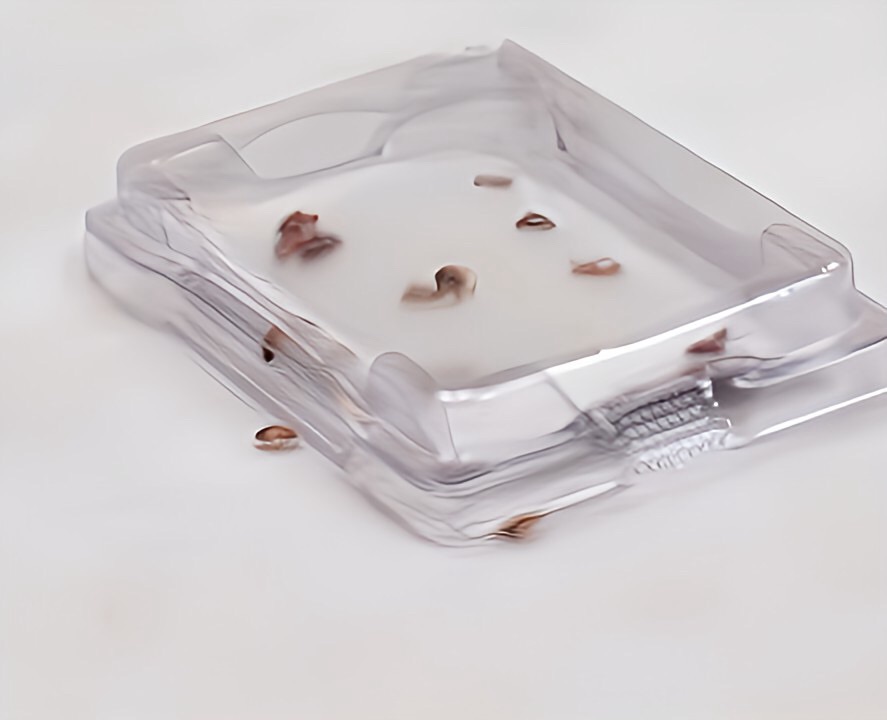
Bed bugs are resilient pests that can wreak havoc in homes and establishments. To combat their infestations, various methods have been developed, including the use of pheromone traps. In this comprehensive blog post, we’ll explore how bed bug pheromone traps work, evaluate their effectiveness, and weigh their pros and cons.
How Bed Bug Pheromone Traps Work
1. Pheromone Attraction:
– Bed bug pheromone traps utilize synthetic versions of bed bug pheromones to attract and lure bed bugs to the trap.
– These pheromones mimic the scent markers produced by bed bugs to communicate and aggregate, effectively drawing them towards the trap.
2. Trap Design:
– Pheromone traps typically consist of a housing unit containing a sticky or adhesive surface where bed bugs become trapped upon contact.
– The traps may also incorporate visual cues, such as color and texture, to enhance their attractiveness to bed bugs.
3. Capturing Bed Bugs:
– As bed bugs are attracted to the pheromone-emitting traps, they make contact with the adhesive surface and become immobilized.
– Once trapped, bed bugs are unable to escape, allowing for easy monitoring and detection of infestations.
Do They Really Work
– Bed bug pheromone traps have shown varying degrees of effectiveness in detecting and monitoring bed bug populations.
– In laboratory settings and controlled environments, pheromone traps have demonstrated high levels of attraction and capture rates.
– However, their efficacy in real-world situations may be influenced by factors such as the severity of the infestation, trap placement, and environmental conditions.
Pros of Bed Bug Pheromone Traps
1. Non-Toxic: Pheromone traps offer a non-toxic alternative to traditional pesticides, making them safe for use in homes and sensitive environments.
2. Early Detection: Pheromone traps can help detect bed bug infestations in their early stages, allowing for prompt intervention and control measures.
3. Monitoring: Pheromone traps serve as valuable monitoring tools, providing insight into the presence and severity of bed bug infestations over time.
Cons of Bed Bug Pheromone Traps
1. Limited Efficacy: Pheromone traps may not completely eradicate established bed bug infestations on their own and are more effective as part of an integrated pest management approach.
2. Reliance on Attractants: The effectiveness of pheromone traps is dependent on the attractiveness of the synthetic pheromones used, which may vary in effectiveness.
3. Environmental Factors: Trap efficacy may be affected by environmental conditions such as temperature, humidity, and the presence of competing attractants.
Bed bug pheromone traps offer a non-toxic and environmentally friendly solution for detecting and monitoring bed bug infestations. While they may not serve as standalone eradication methods, pheromone traps play a valuable role in early detection and integrated pest management strategies. By understanding their mechanics, effectiveness, and pros and cons, individuals can make informed decisions when implementing bed bug control measures.
If bed bugs have found their way into your house, contact ECO Bed Bug at (410) 929-3420 to rid your home of these pests.
