
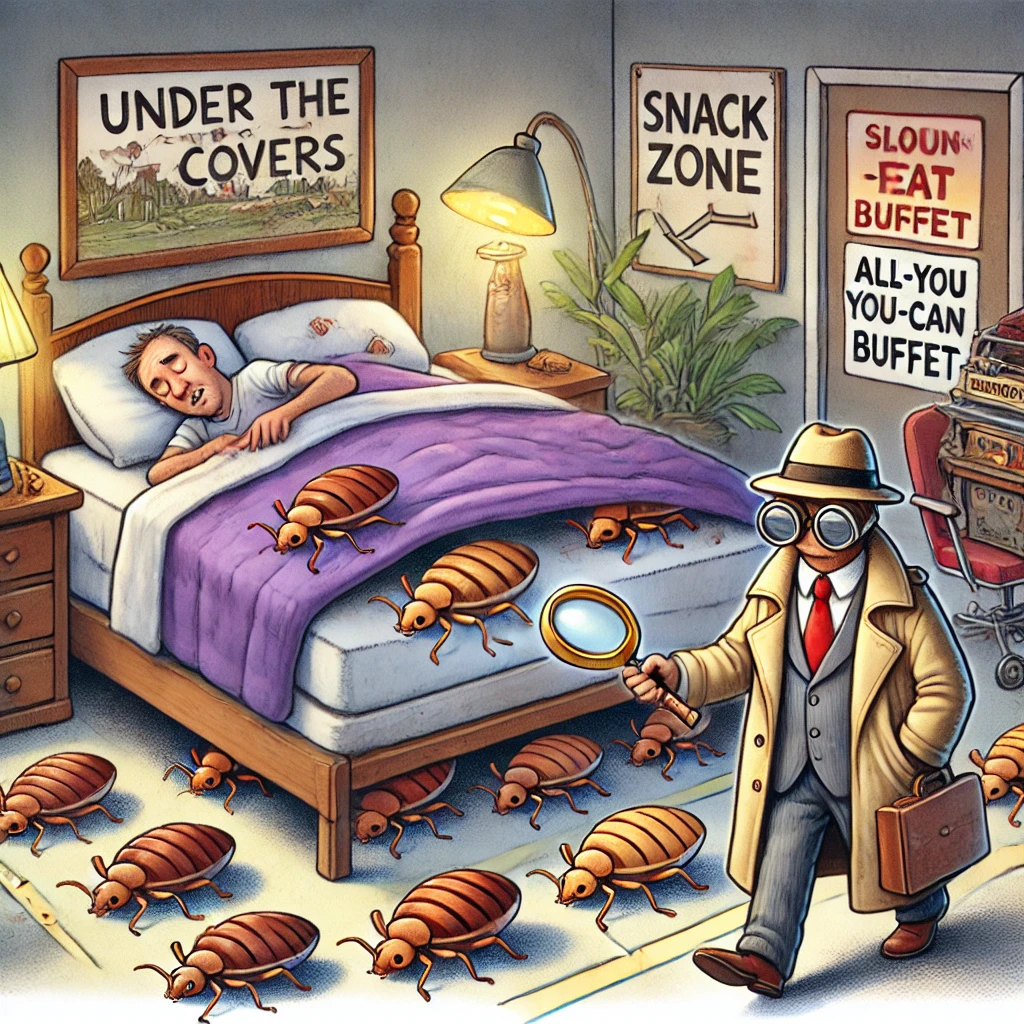
Bed bugs are infamous for their stealthy behavior, resilience, and blood-sucking habits. If you’re dealing with an infestation—or just trying to prevent one—it’s important to understand the feeding patterns of these pests. When do they feed? How often? What happens between meals? Knowing the answers to these questions can help you identify an infestation early and take effective action.
Let’s delve into the fascinating (and unsettling) world of bed bug feeding patterns to uncover their secrets.
When Do Bed Bugs Feed?
Bed bugs are nocturnal creatures, meaning they are most active at night. They typically feed between midnight and 5 a.m., when humans are in their deepest sleep cycles. The cover of darkness offers safety, as bed bugs are vulnerable to detection and extermination during feeding.
However, bed bugs are adaptable. If their host is active at night and sleeps during the day, bed bugs can shift their feeding schedule to align with their host’s rest patterns. Their primary motivation is access to a stationary host, regardless of the time of day.
How Often Do Bed Bugs Feed?
On average, an adult bed bug feeds once every 5 to 10 days. However, this frequency depends on several factors, including the availability of a host and the bug’s life stage:
• Nymphs (Juveniles): Bed bugs in their early life stages must feed more frequently to grow. They require a blood meal after each of their five molts.
• Adults: Fully grown bed bugs can survive for weeks or even months between meals, but they prefer to feed regularly if a host is nearby.
A full meal for a bed bug lasts around 5 to 10 minutes. During this time, the bed bug uses specialized mouthparts to pierce the skin and extract blood, often leaving itchy welts behind.
How Bed Bugs Find Their Hosts
Bed bugs are masters of detecting humans. They use several sensory cues to locate their next meal:
1. Carbon Dioxide: Bed bugs are attracted to the CO2 we exhale while breathing.
2. Body Heat: Warm-blooded hosts like humans emit heat, guiding bed bugs to their target.
3. Chemical Cues: Bed bugs may also detect certain chemical signatures from the skin.
Once they locate a host, bed bugs crawl to exposed areas of skin, often targeting the neck, arms, hands, and face. Their bites are painless because they inject a numbing agent and an anticoagulant to keep the blood flowing.
What Happens Between Meals?
When not feeding, bed bugs hide. They prefer small, dark crevices close to their host, such as:
• Mattress seams
• Bed frames and headboards
• Behind baseboards or wallpaper
• Inside electrical outlets or cracks in furniture
This hiding behavior is why bed bug infestations often go unnoticed until they’re well-established.
Between feedings, bed bugs digest their meal, mate, and lay eggs. A single female can lay up to 500 eggs in her lifetime, perpetuating the infestation.

Do Bed Bugs Feed on Pets?
While humans are their preferred hosts, bed bugs can feed on pets in the absence of human hosts. Dogs, cats, and other warm-blooded animals can become secondary food sources, although infestations on pets are rare compared to fleas or ticks.
Feeding Patterns: Why Bed Bugs Bite in Clusters or Lines (and Why It Matters)
Ever noticed itchy, red bites on your skin arranged in clusters, straight lines, or even zigzag patterns? It’s no coincidence—it’s the calling card of bed bugs. These tiny pests have a sneaky feeding strategy: they’re cautious diners. Instead of settling down in one spot, they take multiple small “test bites” in a single area, as if sampling a buffet. This behavior leaves behind their signature bite patterns, often found on your arms, legs, or neck.
But here’s the creepy part: it’s rarely just one bed bug doing the damage. In the case of an infestation, you’re likely dealing with dozens feeding simultaneously. That’s why the bites often appear grouped together, almost as if they’ve coordinated their attack. In reality, it’s their collective way of “testing the waters” (or your skin, to be exact).
Why Understanding Bed Bug Feeding Patterns Is Important
Recognizing their feeding habits can help you identify an infestation early and take swift action. Here are some common signs to watch for:
• Bite Marks: Red, itchy welts that often appear in clusters or straight lines.
• Blood Stains: Small, rusty spots on sheets or pillowcases from crushed bed bugs.
• Fecal Spots: Black or dark brown spots near their hiding areas.
• Live Bugs or Eggs: Visible evidence of bed bugs on mattresses, furniture, or other surfaces.
Spotting these signs early can mean the difference between a minor issue and a full-blown infestation. If you’re noticing these patterns, it might be time to call in the professionals—because when it comes to bed bugs, they don’t waste any time settling in!
Tips for Preventing and Managing Infestations
1. Inspect Regularly: Check mattresses, bed frames, and furniture for signs of bed bugs.
2. Reduce Clutter: Eliminating hiding spots makes it harder for bed bugs to thrive.
3. Encase Mattresses and Pillows: Use protective covers to prevent bed bugs from nesting in your bedding.
4. Vacuum Frequently: Pay special attention to seams, crevices, and areas near sleeping spaces.
5. Call a Professional: If you suspect bed bugs, contact a licensed pest control service immediately for inspection and treatment.
The Bottom Line
Bed bugs may be small, but their feeding patterns and behavior can create big problems. By understanding how and when they feed, you can take proactive steps to protect your home and identify infestations before they escalate.
If you suspect a bed bug problem, don’t wait—address it right away. Contact ECO Bed Bug Exterminators for professional assistance, and reclaim your space from these stealthy invaders. With vigilance and the right approach, you can keep bed bugs from taking a bite out of your peace of mind.
