
Why Mattress Encasements Aren’t The Solution to Your Bed Bug Problem (But Nice Try!)

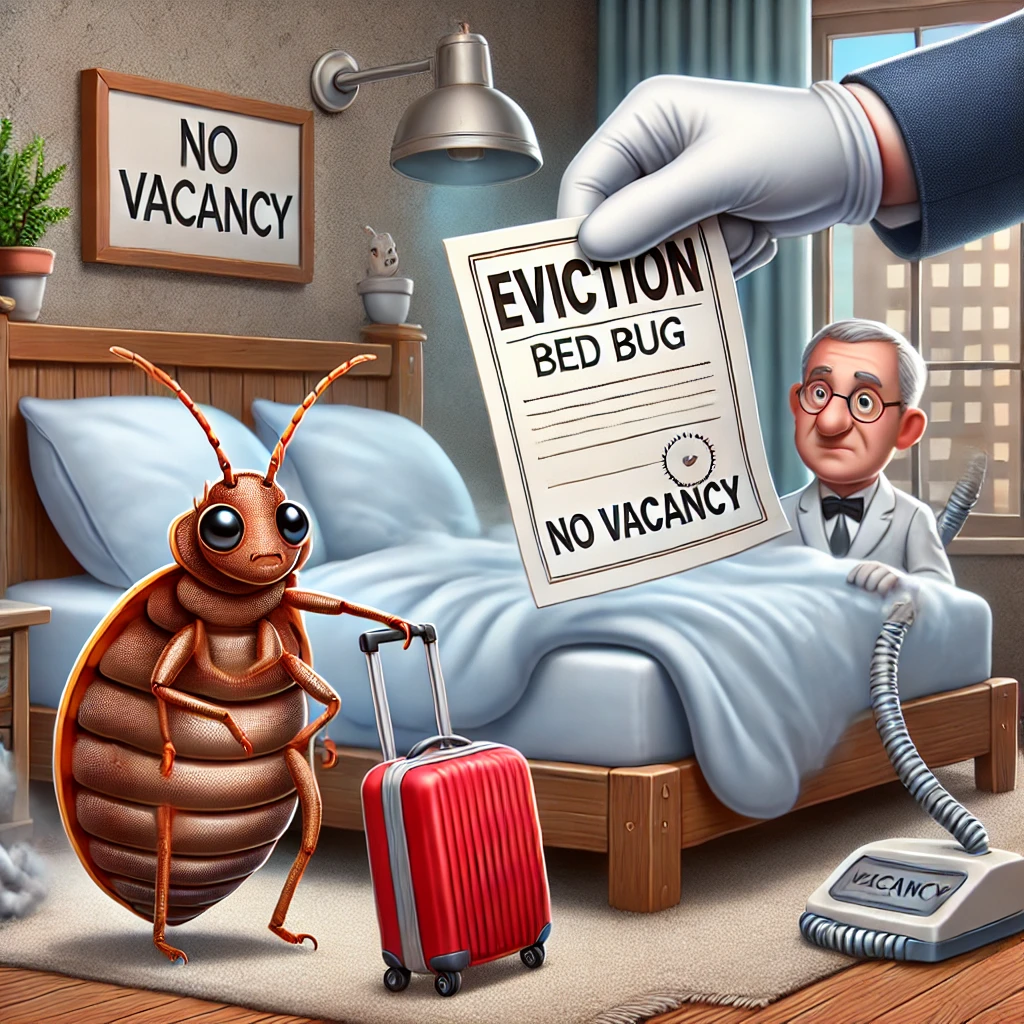
So, you’ve discovered bed bugs. Cue the freak-out, the frantic Googling, and the immediate purchase of a mattress encasement because it promises to seal the little critters in forever, right? Not so fast. While a mattress protector for bed bugs may sound like the magic fix, here’s why it’s more of a band-aid than a cure.

The Mattress Encasement Myth

Mattress encasements can certainly help prevent bed bugs from escaping or getting into your mattress, but bed bugs are sneaky, determined creatures that don’t just hang out on your bed. They like to hide in cracks and crevices around the room, including your bed frame, headboard, nightstands, and even behind your walls! So even with the fanciest encasement, you’re not really addressing the whole problem—just one part of it.

Bed Bugs Love to Travel (Not Just to Your Mattress)

Think of bed bugs as uninvited party guests who show up everywhere in your house. Encasements won’t stop them from moving into your furniture, carpets, and baseboards. Just because your mattress is covered doesn’t mean your whole bedroom is in the clear.

More Than Just a Mattress Problem

The real issue? Bed bugs can reproduce at alarming rates, spreading to other parts of your home faster than you can say “What’s that bite?” That mattress encasement might trap the ones currently inside your bed, but it won’t prevent the infestation from growing in other areas. You need a comprehensive bed bug treatment to address the entire infestation—encasements just don’t cut it.

When a Mattress Encasement Works (And When It Doesn’t)

Let’s be real: mattress encasements do have their place. They can protect your mattress from future bed bug infestations or help keep allergens at bay. But if you’re dealing with a full-blown infestation, you’re going to need more than a glorified ziplock bag for your bed. Professional pest control is your best bet to ensure that bed bugs are completely eradicated from your home.

Don’t Rely on Encasements Alone

Mattress encasements can be helpful in combination with other solutions, but don’t make the mistake of thinking they’re the silver bullet for bed bug infestations. It’s like putting a band-aid on a broken arm—sure, it’s something, but you’re going to need a lot more to fix the real problem!

Contact the Experts

If you discover bed bugs in your home, don’t panic! Contact ECO Bed Bug Exterminators to devise a treatment plan that fits your needs. We’ll help you kick these unwanted guests to the curb and restore your home to a peaceful, bug-free sanctuary.

Sleep tight, and don’t let the bed bugs bite! But if they do, now you know how to fight back—with a little help from the pros at ECO Bed Bug Exterminators.

🎁 The 12 Days of Bed Bug Prevention: Daily Tips to Protect Your Home

Stay bed bug–free this holiday season with 12 simple prevention tips from ECO Bed Bug Exterminators Baltimore. Keep your home cozy, guest-ready, and pest-free with professional advice and proven tools.

🎶 On the First Day of Christmas, My True Love Gave to Me… a Bed Bug-Free Home!

December is full of joy, travel, and family gatherings — but also plenty of opportunities for uninvited guests (the six-legged kind). Bed bugs love warmth, luggage, and cozy homes just as much as we do, which makes the holiday season a perfect time to brush up on prevention.

So instead of caroling about partridges in pear trees, let’s count down the 12 Days of Bed Bug Prevention — your easy, cheerful guide to keeping these pests away all winter long.

🧳 Day 1: Inspect Holiday Luggage

Before and after any trip, check the seams and zippers of your suitcases. Bed bugs often hitchhike home from hotels, airports, and even rideshares. Store luggage in plastic bins or sealed bags — never directly on your bed or carpet.

🏨 Day 2: Travel Smart, Sleep Smarter

Staying in a hotel or rental? Do a quick 60-second bed check: pull back the sheets and look at mattress corners for black dots or reddish smears. A flashlight from your phone works perfectly. If you see anything suspicious, request another room far from the one you inspected.

🛏️ Day 3: Use Mattress and Box Spring Encasements

Encasements seal out bed bugs and make spotting them a breeze. They also protect your mattress investment long-term.

ECO recommends:

• 🛏️ SureGuard Mattress Encasement (Queen)

• 🪲 SureGuard Box Spring Encasement

Install them on every bed in your home, especially guest rooms before company arrives.

🪳 Day 4: Add Bed Bug Interceptors Under Bed Legs

Interceptors are small traps that catch bed bugs as they climb. They’re discreet, inexpensive, and incredibly effective for early detection.

Try:

  •      ECOPEST Bed Bug Interceptors

Check them once a week — if they stay empty, you can relax with your hot cocoa in peace.

🧺 Day 5: Wash and Dry on High Heat

After guests leave or luggage returns home, wash all bedding, clothing, and travel items on the highest safe heat setting. Dryers are your best defense — 30 minutes on high heat kills all life stages of bed bugs, from eggs to adults.

🛋️ Day 6: Check Couches and Recliners

Bed bugs don’t just live in beds. They can hide in seams of couches, recliners, and even behind baseboards. If you’re noticing bites while watching holiday movies, it may be time for a professional inspection.

🧹 Day 7: Declutter Like You Mean It

Bed bugs love clutter — it gives them more hiding spots. Before decorating or hosting, tidy up bedrooms and living spaces. Focus on under-bed storage and piles of clothes or papers. (Bonus: you’ll finally find where last year’s wrapping paper disappeared!)

🐾 Day 8: Be Cautious with Pet Beds

While bed bugs don’t live on pets, they can hide in pet bedding or near crates. Wash your pet’s bedding on high heat regularly, and avoid placing it against your bed or couch.

🧠 Day 9: Know the Early Warning Signs

Early detection is everything. Watch for:

• Tiny dark droppings or reddish stains on bedding

• Shed exoskeletons (translucent shells)

• Clusters of itchy bites that appear overnight

If you’re not sure what you’re seeing, snap a clear photo and email it to ecollcbedbugs@gmail.com or text it to 410-929-3420. ECO’s experts can identify the issue quickly.

🏡 Day 10: Schedule a Preventive Inspection

Even if you haven’t seen activity, a professional bed bug inspection (link placeholder) offers peace of mind — especially before the holidays. Our trained technicians can check every room visually or with canine assistance.

💨 Day 11: Consider a Preventive Treatment

For frequent travelers or households with guests, a bio-fungicide treatment creates a protective barrier that kills bed bugs on contact for up to 90 days.

It’s discreet, safe once dry, and perfect for keeping your home protected throughout the winter season.

😂 Day 12: Laugh It Off (and Stay Vigilant)

Because let’s face it — everyone’s stressed enough this time of year. The key is staying informed, not fearful. Bed bugs aren’t a reflection of cleanliness; they’re just opportunistic hitchhikers.

So pour yourself some cocoa, take a deep breath, and remember: prevention beats panic every time.

And if you ever need a little backup? ECO Bed Bug Exterminators is only a call or text away.

✨ Bonus: Quick Bed Bug Prevention Checklist

✅ Inspect luggage before and after travel

✅ Use encasements on all beds 

✅ Place interceptors under bed and sofa legs 

✅ Wash and dry bedding on high heat

✅ Keep clutter to a minimum

✅ Schedule your professional inspection 

💬 Final Thoughts

Whether you’re hosting family, traveling, or cozying up for the season, a few simple habits can make all the difference. These 12 days of prevention aren’t just catchy — they’re your secret to staying comfortable and confident all year long.

Start the new year fresh, safe, and bed bug–free.

🪲 Ready to Protect Your Home?

ECO Bed Bug Exterminators offers expert bed bug inspections and preventive treatments in Baltimore and surrounding counties. Our team specializes exclusively in bed bugs — no gimmicks, no guesswork, just proven results.

Schedule your inspection today and enjoy a cozy, pest-free home for the holidays.

Have questions? Email a photo of what you’re seeing to ecollcbedbugs@gmail.com or text us at 410-929-3420 for quick professional feedback.

Bed Bugs at 30,000 Feet: Are They More Common on Planes Than We’d Like to Admit?

When you think about air travel, you probably imagine cramped seats, overpriced snacks, and maybe a crying baby or two. What you don’t picture is bed bugs catching a free ride alongside you. Unfortunately, these persistent little pests may be hitching more flights than most people care to admit.

Recent Reports of Bed Bugs on Airplanes

Bed bugs on planes aren’t just an urban legend—they’ve been making headlines recently. Here are a few notable examples:

    •    Turkish Airlines:

    •    In March 2024, a traveler flying from Johannesburg to Istanbul spotted a bed bug crawling on her seat.

    •    In October 2024, passengers on a flight from Istanbul to San Francisco saw bed bugs falling from the ceiling, prompting seat changes.

    •    On another flight from Washington Dulles to Istanbul, a passenger found bed bugs on her blanket and pillow, resulting in multiple bites.

    •    American Airlines:

    •    In October 2024, a first-class passenger on a flight from New York’s LaGuardia to Detroit reported a bed bug crawling up their leg during the flight.

These incidents highlight the challenges airlines face in preventing and addressing bed bug infestations. With high passenger turnover and quick turnaround times between flights, these pests can easily spread undetected. While such occurrences are relatively rare, they underscore the importance of vigilance when traveling.

The Stowaways You Never Invited

Bed bugs are excellent travelers—better than most of us, in fact. With their small, flat bodies and stealthy habits, they can slip into luggage, clothing, and even upholstery without detection. Planes, with their tightly packed seats and constant turnover of passengers, provide an ideal environment for these critters to spread.

Imagine it: a red-eye flight where the passenger in Row 12 is carrying more than just their carry-on. Bed bugs can crawl from their belongings onto the seat, where they patiently wait for their next unsuspecting host. And no, the fact that you’re flying first class doesn’t make you immune. Bed bugs don’t discriminate—they’re equal opportunity pests.

How Do Bed Bugs Get on Planes?

The answer is simple: people bring them. Travelers unknowingly carry bed bugs in their luggage or clothing from infested homes, hotels, or even airport lounges. Once aboard, the bugs can move into fabric seats, carpeting, and even the cracks between seat cushions. Planes, with their global reach, act as highways for these unwanted stowaways.

Signs You Might Not Be Flying Alone

While bed bugs don’t leave a boarding pass, there are some telltale signs of their presence:

    •    Itchy welts: If you leave the plane with unexplained bites, it might not just be dry cabin air irritating your skin.

    •    Tiny stains: Small rust-colored spots on clothing or upholstery can be bed bug droppings (gross, we know).

    •    Actual bugs: While rare, passengers have reported seeing the bugs crawling on their seats or clothing mid-flight.

How to Protect Yourself

While we can’t guarantee a bug-free flight, there are steps you can take to reduce your risk:

    1.    Inspect your seat: Before settling in, give your seat a quick once-over. Look for signs of bed bugs in the seams and cracks of the fabric.

    2.    Pack smart: Use hard-sided luggage, as bed bugs are less likely to cling to smooth surfaces. Consider wrapping your carry-on in a protective cover.

    3.    Avoid placing belongings on the floor: Use the overhead bin or your lap instead.

    4.    Dress defensively: Opt for light-colored clothing to spot any unwanted stowaways more easily.

    5.    Post-flight precautions: After traveling, unpack your luggage outside your home and toss your clothes in the dryer on high heat for at least 30 minutes.

What If You Discover Bed Bugs After Your Trip?

Sometimes, despite your best efforts, these unwelcome hitchhikers manage to make it home with you. If you suspect or discover bed bugs after your trip, don’t panic—but act quickly. Bed bugs are notoriously hard to eliminate without professional help, and the sooner you address the problem, the better.

Contact ECO Bed Bug Exterminators immediately for expert assistance. We specialize exclusively in bed bugs, offering thorough inspections, effective treatments, and follow-up plans to ensure your home becomes—and stays—bed bug free. Our trained technicians know how to handle even the toughest infestations, so you can rest easy once again.

The Bottom Line

While the idea of bed bugs on planes may sound like the plot of a bad horror movie, it’s a reality we shouldn’t ignore. These pests are resilient, sneaky, and opportunistic. The good news? A little vigilance and preparation can go a long way in keeping your travels bug-free.

So, next time you settle into your window seat, take a moment to inspect your surroundings. Bed bugs may be seasoned travelers, but that doesn’t mean you have to let them join your journey! Safe travels—and remember, if bed bugs make an unwelcome appearance, ECO Bed Bug Exterminators is just a call away.

Bed Bugs in Distribution Centers and E-commerce Returns: A Growing Challenge

With the boom of e-commerce, distribution centers are busier than ever. Millions of packages are handled daily, traveling across cities, states, and even countries. However, this increased activity has inadvertently provided bed bugs with an express ticket to spread.

Bed bugs are small, elusive, and highly adaptable pests that can hitch a ride on just about anything, including returned goods, shipping boxes, and packaging materials. Left unchecked, they can cause severe infestations in distribution centers, leading to costly downtime, reputational damage, and logistical nightmares.

Let’s explore how bed bugs infiltrate distribution centers, why they thrive in these environments, and how to address the problem effectively.

How Do Bed Bugs Enter Distribution Centers?

Bed bugs are expert hitchhikers and can infiltrate distribution centers through:

1. E-commerce Returns: Items returned from infested homes may carry bed bugs or their eggs.

2. Packaging Materials: Recycled boxes, pallets, and packing supplies can harbor pests.

3. Employee Belongings: Bags, clothing, or personal items can unknowingly transport bed bugs.

4. Incoming Shipments: Products from warehouses or suppliers with infestations can spread the problem.

Why Are Distribution Centers Vulnerable?

The very nature of distribution centers makes them ideal for bed bug infestations:

1. High Traffic: Constant movement of goods and people increases exposure risk.

2. Large, Cluttered Spaces: Bed bugs thrive in hidden crevices and cluttered areas.

3. Warm Environments: Temperature-controlled facilities provide a perfect habitat.

4. Infrequent Inspections: With a focus on efficiency, pest inspections are often overlooked until an infestation becomes severe.

The Risks of Ignoring Bed Bugs

1. Reputational Damage: News of bed bugs in a facility can tarnish a company’s image.

2. Operational Disruption: Infestations may require shutting down operations for treatment, leading to costly delays.

3. Customer Complaints: Bed bugs transferred to customers’ homes can result in refunds, returns, and negative reviews.

4. Legal Liability: Infestations that spread to other businesses or homes can result in lawsuits.

Preventing Bed Bugs in Distribution Centers

1. Thorough Inspections

• Regularly inspect incoming and outgoing shipments.

• Train staff to identify signs of bed bugs, such as live insects, shed skins, or tiny dark stains.

2. Proper Handling of Returns

• Quarantine returned items for inspection before reintegrating them into inventory.

• Heat-treat or vacuum-seal items that might be infested.

3. Employee Awareness

• Educate employees on how to avoid bringing bed bugs to work.

• Provide secure, sealed lockers for personal belongings.

4. Integrated Pest Management (IPM)

• Partner with pest control experts to implement proactive monitoring and treatment plans.

• Use tools like bed bug traps, heat treatment equipment, and K-9 detection services.

How ECO Bed Bug Can Help

At ECO Bed Bug, we specialize in bed bug detection and elimination for commercial facilities, including distribution centers. Our services include:

• K-9 Detection Units: Highly trained dogs can quickly and accurately pinpoint bed bug infestations.

• Heat Treatments: Our chemical-free heat treatments eradicate all life stages of bed bugs without damaging your inventory.

• Customized Action Plans: We tailor our strategies to suit your facility’s layout and operational needs.

• Preventative Maintenance Programs: Stay ahead of infestations with ongoing monitoring and treatment.

Don’t Let Bed Bugs Disrupt Your Business

Bed bugs in distribution centers can lead to operational chaos, but with the right partner, they’re a manageable challenge. Contact ECO Bed Bug today to devise a customized treatment and prevention plan. We’ll help you safeguard your facility, protect your reputation, and keep your operations running smoothly.

Why Do Bed Bugs Seem to Bite Certain People, But Not Others?

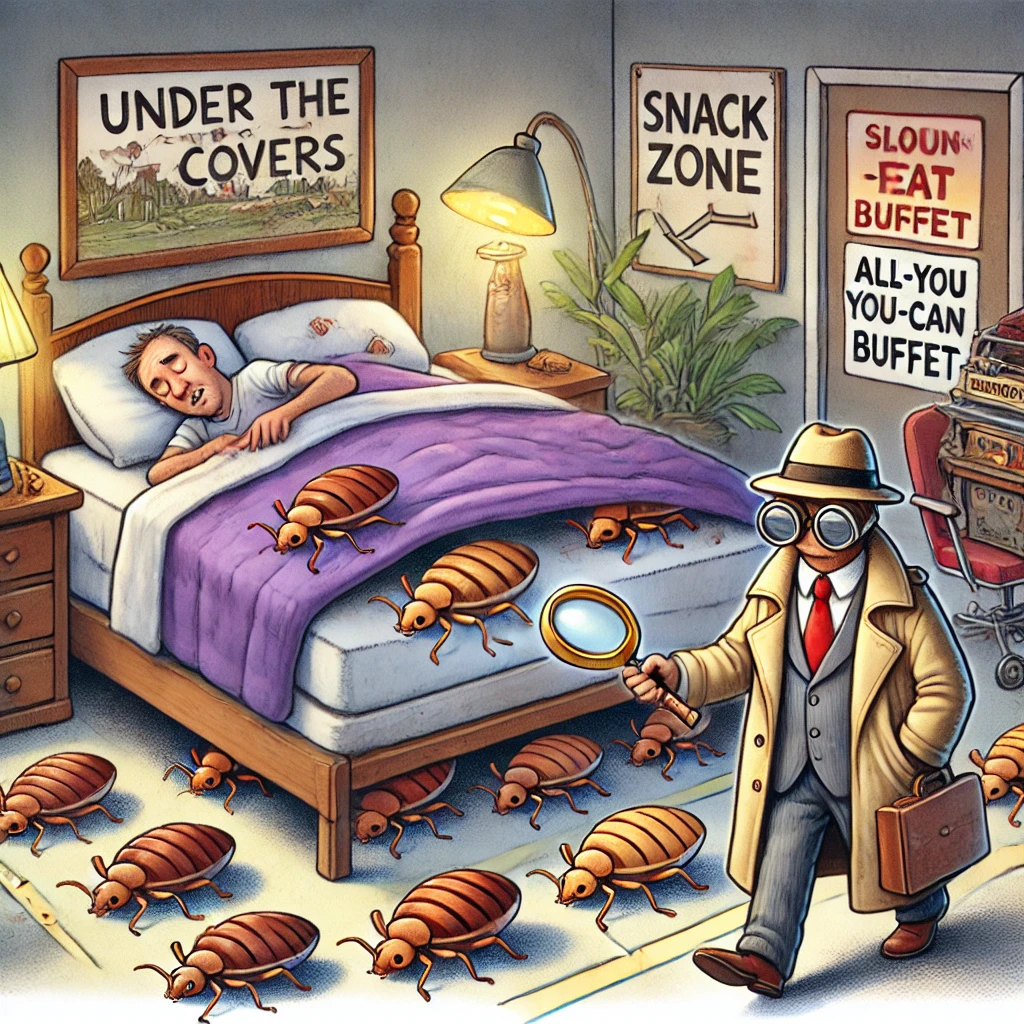
Ever woken up covered in itchy red welts while your partner snoozes away, blissfully bite-free? It’s enough to make you wonder if you’re the bed bug equivalent of a five-star buffet. So, why do these pesky little vampires seem to prefer some people over others? The answer involves a mix of science, luck, and maybe just a pinch of bed bug conspiracy.

1. Blood Type: The Bed Bug’s Wine List

Imagine being at a fancy restaurant and being handed the wine list. That’s what it might be like for bed bugs when they pick a host. While the jury’s still out, some researchers think bed bugs might have a preference for certain blood types—like how some people prefer a nice Merlot over a Cabernet. Type O blood seems to be the house special, with bed bugs possibly favoring it over Type A or B. But don’t let that lull you into a false sense of security. These little critters aren’t that picky—they’ll still bite you if you’re the easiest target.

2. Body Heat and Carbon Dioxide: The Bed Bug Radar

Bed bugs are like tiny heat-seeking missiles with a side of CO2 detection. If you’re the type who’s always warm or tends to breathe heavily (especially after a spicy taco dinner), you might be sending out the equivalent of a “bite me” signal.

People with faster metabolisms generate more body heat and pump out more carbon dioxide—two things bed bugs can’t resist. So, if you’re a naturally warm person, or you just ran a marathon in your dreams, congratulations! You’re officially more attractive… to bed bugs.

3. Skin Chemistry: Your Personal Bug Perfume

Bed bugs have a refined sense of smell, and your skin is basically their version of a perfume counter. Your skin’s unique chemical cocktail, influenced by the bacteria living on it, can either draw them in or send them scurrying away.

For example, some people’s skin bacteria produce smells that make bed bugs go, “Mmm, smells like dinner!” Others, however, might have skin chemistries that are more like, “Ugh, no thanks.” It’s kind of like how some people love the smell of garlic, while others can’t stand it. But in this case, you’re not warding off vampires; you’re attracting them.

4. Personal Hygiene and Skin Care Products: Bug Repellent or Bed Bug Bait?

Ever wonder if your favorite lotion is more than just a moisturizer? It might also be a bed bug attractant. The products you slather on—lotions, perfumes, soaps—can either attract or deter bed bugs. Natural repellents like lavender or tea tree oil might keep them at bay, while synthetic fragrances could be like ringing the dinner bell.

So, next time you’re picking out a lotion, just remember: it’s not just about smelling good for humans, but smelling bad for bed bugs.

5. Sleep Patterns and Movements: Stay Still or Get Bitten

If you’re a restless sleeper, constantly tossing and turning, bed bugs might find you a bit too much work. They prefer their dinner to stay put, thank you very much. On the other hand, if you sleep like a log and barely move, congratulations—you’ve just made yourself an easy target. It’s like the bed bug version of fast food: quick, easy, and requires minimal effort.

6. Clothing and Bedding: The Bed Bug Fashion Police

Bed bugs aren’t exactly fashion critics, but they do have their preferences. If you’re the type to sleep in minimal clothing or use thin sheets, you’re making it easier for bed bugs to find and bite you. And if you’re into darker fabrics, beware—bed bugs are like little goths, gravitating toward darker colors.

So, if you’re looking to stay off the bed bug radar, maybe consider some thicker PJs and lighter bedding. Who knew bed bug prevention could also be a fashion statement?

7. Environmental Factors: Location, Location, Location

When it comes to bed bugs, your bedroom setup matters. A cluttered room gives them plenty of places to hide, making it easier for them to find you when you’re most vulnerable—sleeping soundly. Plus, if your bed is too close to infested furniture, it’s like putting up a neon “vacancy” sign.

Keeping your sleeping area tidy and free of clutter might not just improve your feng shui, but also reduce your chances of becoming a bed bug snack.

8. Immune Response and Bite Reactions: To Itch or Not to Itch

Not everyone reacts to bed bug bites the same way. Some people barely notice a thing, while others wake up looking like they’ve been in a fight with a thousand mosquitoes. This variance in reaction is all down to your immune system. So, while your partner might smugly claim they never get bitten, it’s more likely they’re just not showing the symptoms. Lucky them, right?

9. Preventative Measures: Beat the Bed Bugs at Their Own Game

If you’re tired of playing bed bug roulette, here are some steps you can take to avoid getting bitten:

• Use bed bug-proof encasements on your mattress and box spring. Think of it as putting your bed in a bug-proof hazmat suit.

• Declutter your room—because bed bugs love a good game of hide-and-seek.

• Wash and dry your bedding and clothes at high temperatures regularly. Bed bugs hate heat, so give them a reason to pack their bags.

• Use essential oils like lavender or tea tree as a natural repellent. It might not be a silver bullet, but every little bit helps.

• Inspect your sleeping area regularly for signs of bed bugs. If you find any, it’s time to call in the pros.

Conclusion

So, do bed bugs have a favorite host? Not really—just like any opportunistic diner, they’ll take what they can get. But if you’re warmer, have certain blood types, or just happen to smell like a bed bug’s idea of gourmet, you might find yourself more often on the menu. The good news is that with a little knowledge and some preventative measures, you can make yourself a lot less appetizing to these pesky pests. And if all else fails, you can always blame your partner for being too delicious.

If you suspect a bed bug infestation, do not hesitate to contact us at (410) 929-3420. We possess the expertise and specialized tools necessary to effectively eliminate these unwelcome guests.

Sealed Bags + Vapor Treatments: Bed Bug Solutions or Just Blowing Smoke?

Ever Wish You Could Just Zip Up Bed Bugs and Poof—They’re Gone?

If you’ve ever dealt with bed bugs, you know how relentless they can be. You wash everything, vacuum every corner, and even part ways with your favorite blanket—yet somehow, these bloodsuckers keep coming back. It’s frustrating, exhausting, and downright infuriating.

Enter sealed bags and vapor (steam) treatments—two popular methods in the battle against bed bugs. But do they actually work, or are they just another so-called “miracle cure” that bed bugs shrug off while plotting their next bite?

Let’s break it down.

Sealed Bags: A Bed Bug’s Worst Nightmare or Just Fancy Plastic?

The idea behind sealed bags is simple: trap bed bugs inside so they starve and die. But does it really work? Yes—if used correctly.

How They Work:

    1.    Containment – Once bed bugs are sealed inside, they can’t escape to find a meal. No food means no survival.

    2.    Starvation – Bed bugs can live for months without feeding, so sealed bags must remain shut for at least six months to ensure complete elimination.

    3.    Prevention – Sealed bags don’t just trap bed bugs; they also keep them out of your clothes, bedding, and luggage—preventing new infestations.

The Verdict:

✔ Great for protecting clothes, bedding, and luggage from infestation.

✔ Effective for containing bed bugs while treating your home.

❌ Not a stand-alone solution—bed bugs hiding elsewhere in your home will still thrive.

💡 Pro Tip: Use bed bug-proof encasements on your mattress and pillows. While these won’t kill bed bugs instantly, they’ll trap any inside, preventing feeding and stopping new ones from settling in.

Vapor Treatments: Can Steam Send Bed Bugs to Their Watery Graves?

Now, let’s talk about vapor (steam) treatments—a method that, unlike sealed bags, doesn’t rely on starvation but rather on high heat to kill bed bugs on contact.

How They Work:

    1.    Superheated Steam (Above 200°F) Is Applied to Infested Areas – Bed bugs and their eggs can’t survive extreme heat.

    2.    Penetrates Cracks, Crevices, and Fabric – Steam reaches deep where sprays can’t, such as inside mattresses, furniture joints, and baseboards.

    3.    No Chemicals, Just Heat – Making it an ideal option for non-toxic bed bug control.

The Verdict:

✔ Kills bed bugs (and eggs) instantly on contact.

✔ Chemical-free and eco-friendly.

✔ Reaches deep hiding spots that sprays might miss.

❌ No residual protection—steam kills what’s there but won’t stop new infestations.

❌ Requires patience and precision—steam must be applied slowly and thoroughly for maximum effectiveness.

💡 Pro Tip: Combine steam treatments with a bio-pesticide spray for extended protection. Steam kills active bed bugs, while the bio-pesticide continues working long after.

The Ultimate Tag-Team: Sealed Bags + Vapor Treatments

So, do these methods work? Yes—when used together!

    •    Steam treatments eliminate live bed bugs and eggs instantly.

    •    Sealed bags quarantine and starve out any survivors over time.

    •    Follow-up treatments ensure no hidden bed bugs escape the process.

But here’s the catch: Bed bugs can still be hiding elsewhere in your home—and they’ll continue to thrive if left untreated. These pests love to hide in cracks, electrical outlets, baseboards, and even behind wallpaper. That’s why a multi-step approach is critical.

Extra Actionable Tips for Bed Bug Warriors:

✔ Vacuum regularly—especially in cracks and crevices.

✔ Use interceptor traps under bed legs to monitor bed bug activity.

✔ Declutter your space to reduce hiding spots.

✔ Wash and dry bedding/clothes on HIGH HEAT—the hotter, the better!

Still Seeing Bed Bugs? Time to Call in the Pros!

If you’ve tried everything and bed bugs are still giving you nightmares, it’s time to call in the experts. At ECO Bed Bug, we specialize in heat treatments, bio-pesticides, and expert bed bug elimination strategies to get rid of them for good.

📞 Contact ECO Bed Bug for an inspection today! Let’s make bed bugs a thing of the past.

Can You Get Bed Bugs from an Independent Used Car Dealership?

Short answer: Absolutely.

Slightly longer answer: Unfortunately, bed bugs aren’t picky about where they catch a ride — if there’s a seat and a shadow to hide in, they’re hopping aboard.

At ECO Bed Bug Exterminators, we often get asked, “Is it really possible to get bed bugs from a car?”

The answer is yes — especially when it comes to vehicles purchased from independent used car dealerships.

In fact, we recently helped a customer who purchased a used vehicle from a local independent dealer — only to discover clear evidence of a full-blown bed bug infestation.

During our inspection, we found live bed bugs, eggs, droppings, and shed exoskeletons inside the headrest, behind the seat, and hidden in the seat tracks — and they can also be lurking deep in the seams, under the mats, and tucked into the seat frames.

(Unfortunately, that wasn’t listed under “Features & Benefits” on the window sticker.)

Here’s the reality:

At some independent used car lots, vehicles are not always thoroughly cleaned before being put out for test drives or sale.

That means you could be test-driving — or even buying — a vehicle that comes with more than you bargained for.

Why Would Bed Bugs Be in a Used Car?

Bed bugs are expert hitchhikers.

If a previous owner had an infestation at home — or if the car was used heavily for rideshares, rentals, or transporting luggage — it’s very easy for bed bugs to crawl into the fabric, carpeting, or even the seatbelt mechanisms.

And here’s the tricky part:

Without a mattress or couch to settle into, bed bugs cram themselves into tiny, hidden spaces — making them harder to detect until you’re already bringing them home.

Signs of Bed Bugs in a Used Car

If you’re shopping at an independent used car dealership, be sure to check for:

    •    Tiny black specks (bed bug droppings) around seat seams and fabric folds.

    •    Pale yellow eggs or tiny white eggshells tucked into cracks and crevices.

    •    Shed skins — small, translucent shells left behind as the bugs grow.

    •    Actual live bugs, especially hiding in seat crevices, carpet edges, or under mats.

Bonus clue:

If you start feeling itchy after a test drive, it’s probably not just excitement about getting a great deal.

Are Bed Bugs in a Car a Health Risk?

While bed bugs are not known to transmit diseases, their bites can cause itchy, allergic skin reactions, significant sleep disruption, and mental stress.

If you unknowingly bring them from your vehicle into your home, you could be facing a much bigger (and far itchier) problem.

How to Protect Yourself When Buying a Used Car

If you’re shopping for a used car — especially at an independent dealership — take a few smart precautions:

    •    Bring a small flashlight and inspect under seats, around floor mats, and inside seat crevices.

    •    Look for black spots, shed skins, or tiny white eggs tucked into hidden areas.

    •    Be cautious with vehicles that have an overwhelming “chemical clean” smell — sometimes it’s more about masking odors than cleanliness.

    •    When in doubt, schedule a professional inspection before making the purchase.

Pro Tip:

If you wouldn’t buy a used mattress without inspecting it, don’t buy a used car without checking the seats!

What to Do If You Suspect Bed Bugs in a Used Vehicle

Don’t panic — but act fast.

Bed bugs won’t stay confined to your car.

Once they hitch a ride into your home, you could face a full-blown infestation that’s much harder (and more expensive) to eliminate.

At ECO Bed Bug Exterminators, we offer specialized vehicle treatments including:

    •    Bio-fungicide spray treatments to target and eliminate bed bugs safely.

    •    Professional steam treatments for deep, high-heat penetration into fabrics and hidden areas.

    •    Follow-up inspections to ensure your vehicle stays bed bug-free.

Because when you buy a car, you should be driving off with horsepower — not hitchhikers.

Think Your Car Might Have Bed Bugs?

Don’t wait until your car — and your home — become infested.

Contact ECO Bed Bug Exterminators today at 410.324.6223 for a professional vehicle inspection and treatment.

(We’ll bring the flashlights. You bring the coffee.)

REAL STORY: An Employee Lost Their Job Over Bed Bugs — Here’s Why It Could Happen to You

Can You Be Fired for Having Bed Bugs and Not Telling Your Employer?

You’ve done everything right at work. You’re dependable, professional, and on time. But what if something from home—something small, hidden, and crawling—puts your job at risk?

It’s happened. And yes, it could happen to you.

🚨 A True (Anonymous) Case: When Inaction Led to Termination

We recently learned of a real-world situation where a business had to bring in a pest control company to deal with bed bugs in the workplace. After careful inspection, the infestation appeared to be linked to an employee who unknowingly carried bed bugs from home.

Instead of placing blame, the company gave the employee 30 days to get their home inspected and treated. Unfortunately, that employee didn’t follow through. When the home was eventually inspected, it was found to have a severe infestation—and still, no treatment had been done.

The company terminated the employee—not for having bed bugs, but for ignoring the issue after it disrupted the workplace.

💬 “It’s not the bed bugs that get people fired—it’s the silence.”

🧠 Can You Legally Be Fired for Having Bed Bugs?

There’s no federal law saying you must disclose a bed bug infestation in your home to your employer. However, if you bring bed bugs to the office and fail to address it—especially after a company-wide inspection or outbreak—you could face consequences.

In some cases, it may fall under:

Negligence Violation of company policy Failure to maintain a safe work environment (if you’ve been warned)

If you’re wondering, “Can I be fired for bringing bed bugs to work?”—the answer is: possibly, especially if you knew and didn’t act.

🏢 Why Bed Bugs at Work Are Taken So Seriously

Employers have every reason to act fast when a bed bug infestation in the office is suspected:

💸 Costly treatments can run into the thousands ⏱️ Lost productivity during inspections or temporary closures 😬 Anxiety and stress for coworkers 📉 Damage to the company’s reputation

That’s why companies are increasingly building bed bug language into HR policies and vendor contracts.

📝 What To Do If You Have Bed Bugs and a Job

Instead of hiding it, take action. This shows your employer—and yourself—that you’re responsible, proactive, and protecting others.

Here’s a quick preview:

Step 1: Confirm the Problem

Look for signs: bites, spotting, blood stains Book a professional bed bug inspection

Step 2: Begin Treatment Immediately

Choose a licensed company Save your treatment documentation

Step 3: Decide Whether to Disclose

If you work in shared spaces, travel for work, or your company is already investigating—it’s better to be upfront

Step 4: Monitor & Follow Up

If needed, share proof of treatment to reassure HR or management

Don’t wait for someone else to speak up. Show them you already took care of it.

💡 Did You Know?

A single untreated bed bug can turn into 37,000+ in just 9 months Bed bugs don’t care how clean you are—they care how quiet you are about them Most infestations are caught after 6+ weeks—long after they’ve spread.

👔 What Employers Should Do (and Why It Matters)

If you’re in HR or building management, learn from this story. It’s not just about solving the problem—it’s about setting up the right process for when it happens again.

Consider:

Offering confidential home inspections for employees Partnering with a trusted pest control provider (like ECO 😉) Writing clear, judgment-free disclosure policies Focusing on solutions, not shame.

📢 Bottom Line: Don’t Let Silence Cost You Your Job

Bed bugs are a common issue. Ignoring them shouldn’t be.

Whether you’re an employee or employer, what matters most is how you respond.

🔧 Need Help? That’s What We’re Here For.

At ECO Bed Bug Exterminators, we handle bed bug problems quickly, professionally, and discreetly. We offer:

✅ Professional home inspections

✅ Bio-pesticide, steam and heat treatments

✅ Confidential documentation for workplace verification

✅ Preventative plans for long-term peace of mind

Could Your Online Purchases Be Infested with Bed Bugs? Here’s What You Need to Know!

If you’ve ever felt the excitement of receiving a package at your door, only to wonder what might actually be inside, you’re not alone. Could your new shoes or that cozy couch pillow be hiding something far less charming… like bed bugs? Let’s unpack (pun intended) how bed bugs could potentially hitch a ride on your online purchases and what you can do about it.

Can Bed Bugs Really Travel Through Online Purchases?

Yes, bed bugs are tiny but resilient hitchhikers. And they have no shame in tagging along on packages, particularly those that have been stored in warehouses or transited through a variety of environments. While it’s rare, it’s possible for bed bugs to latch onto items like fabric-covered furniture, used electronics, or even second-hand clothes. They don’t need much room to hide — a seam, zipper, or fold is all they require to go from their place to yours.

What Kind of Items Are Bed Bug Magnets?

Some items are more attractive to bed bugs than others. Here’s a quick list of items that are at a higher risk of bringing an unwelcome guest along:

• Used furniture: This is bed bug paradise, especially if it’s fabric-covered.

• Mattresses and bedding: Any item in direct contact with beds or couches could carry bed bugs.

• Clothing and accessories: They might seem innocent, but clothing can provide bed bugs a cozy hiding spot.

• Electronics: Even laptops or phones from a less-than-squeaky-clean environment can provide a snug crevice.

How to Inspect Your Package for Bed Bugs

Before you bring that box into your home, do a quick inspection:

1. Check the box: Look for any small, dark spots or tiny bugs along the edges.

2. Inspect the item: Pay special attention to any seams, zippers, and folds. Bed bugs are about the size of an apple seed and can blend into crevices.

3. Wash or vacuum when possible: For clothes or fabric items, a quick wash in hot water can eliminate bed bugs. For electronics or other delicate items, consider a thorough vacuuming.

What to Do If You Find Bed Bugs

If you find bed bugs on your purchase, stay calm. Bed bugs may be persistent, but they’re not invincible. And if you discover bed bugs in your home after an unexpected delivery, you’ll want the pros on your side.

Contact ECO Bed Bug Exterminators to devise a treatment plan tailored to your situation. We’ll ensure your home is bed bug-free in no time, so you can get back to enjoying your online finds without worry.

In the end, bed bugs may try to catch a free ride, but with some awareness (and ECO Bed Bug Exterminators on your side), you can keep them far from your home.

Can I Get Bed Bugs from My Ride Share? (And How to Protect Yourself)

Picture this:

You hop into a ride share on a busy Saturday night — leather seats, upbeat music, maybe even a faint whiff of air freshener — and somewhere beneath that clean surface… a tiny stowaway might be planning its next move.

That’s right. Bed bugs can hitch a ride too.

And unfortunately, your Uber, Lyft, or other ride share isn’t immune.

Let’s dive into how it happens, how you can spot the signs, how to react if you suspect something mid-ride, and most importantly — how to protect yourself without giving up your ride share freedom!

How Bed Bugs Can End Up in Ride Shares

Bed bugs are world-class hitchhikers. They don’t care if it’s a five-star ride or a beat-up sedan. All they need is a place to hide and a warm body nearby.

Here’s how it happens:

• Previous passengers: A rider carrying bed bugs on their clothes, bags, or shoes can unknowingly deposit bugs onto the seats.

• Driver’s personal belongings: If the driver has an infestation at home, bugs could transfer to the vehicle.

• Shared luggage and travel gear: Travelers, especially from hotels, airports, or buses, might bring uninvited guests along.

• Frequent backseat riders: Bed bugs tend to settle into the seams, cracks, and fabric of seats — places that rarely get deep-cleaned.

Keyword Tip: (Ride share bed bugs, Can bed bugs travel in cars, Bed bug prevention in vehicles)

Signs Your Ride Share Might Have Bed Bugs

Bed bugs are sneaky, but they do leave behind some tell-tale signs.

Next time you hop into a ride share, take a discreet 5-second scan for:

• Tiny black spots (bed bug droppings) near seat seams

• Shed skins — baby bed bugs molt as they grow, leaving little flaky skins

• Live bed bugs — reddish-brown, apple seed-sized insects moving around

• Musty odor — a heavy, sweet smell can indicate a serious infestation

Pro Tip: You’re not being paranoid. A quick glance around can save you from bringing home the ultimate “bad souvenir.”

Can You Actually Get Bed Bugs from Just One Ride?

Short answer: It’s rare, but yes, it’s possible.

• Bed bugs prefer to stay hidden, but if one latches onto your clothes, purse, backpack, or jacket, you could carry it home without knowing.

• Even one pregnant female (gulp) can start an entire infestation — she can lay up to 500 eggs in her lifetime!

Tiny hitchhiker = Big future problem.

How to Protect Yourself When Using Ride Shares

Here’s your practical defense plan (and no, it doesn’t involve wearing a hazmat suit):

1. Inspect Before You Sit

• Quickly check seams, cracks, and the edge of the seats.

• If you spot anything suspicious, politely cancel the ride — your peace of mind is worth more than a 5-star rating.

2. Limit Contact

• Keep bags, purses, and jackets off the seat.

• Place them on your lap if possible. Bed bugs can’t crawl onto what they can’t reach.

3. Dress Smart

• Wear smooth clothing (think leather, synthetic fabrics).

• Bed bugs cling less easily to slippery surfaces compared to textured fabrics like wool or cotton.

4. Post-Ride Precautions

• When you get home, inspect yourself and your belongings — especially if you rode after midnight (that’s prime bed bug hunting hour!).

• Shake out jackets, purses, and luggage outdoors before coming inside.

• When in doubt, throw clothes in the dryer on high heat for 30 minutes — heat kills bed bugs fast.

Heat: 1. Bed Bugs: 0.

What to Do if You Spot a Suspicious Bug Mid-Ride

First: Don’t panic and swan-dive out of the car.

Instead, follow these calm steps:

• Move your belongings: Lift bags, jackets, and anything fabric-based off the seat immediately.

• Minimize body contact: Sit with minimal fabric contact to the seat if you can.

• Inspect when you exit: As soon as you’re out, check your clothes, bags, and belongings.

• Report the issue: Many ride share apps (like Uber and Lyft) allow you to report cleanliness concerns. This can help the next rider (and possibly get the car properly cleaned).

Quick Myth-Busting: The Ride Share Bed Bug Edition

There’s a lot of misinformation about bed bugs, especially when it comes to cars and public spaces.

Let’s set the record straight:

Sorry — bed bugs are tiny, sneaky, and expert crawlers. Most people don’t notice.

The Hidden Threat: Bed Bug Life Cycle

You might be thinking, “Eh, one bug — no big deal.”

Here’s the harsh truth:

• One pregnant female bed bug can lay up to 5 eggs a day and up to 500 in her lifetime.

• Bed bugs can survive weeks to months without feeding — so even if you don’t notice bites right away, they could be hiding and waiting.

Moral of the story:

Early detection = your best weapon.

Related Reading: How to Stay Bed Bug-Free When Traveling

If you’re worried about more than just ride shares, check out our post on;

Because whether it’s a car seat or a hotel headboard, the strategy is the same: Stay sharp, not scared.

The Bottom Line: Don’t Panic — Just Be Smart

The good news?

Most ride shares are bed bug-free.

But like hotels, theaters, buses, and even your workplace, there’s always a small risk when you share spaces.

Staying aware (not terrified) is your best bet.

You don’t have to cancel your social life or delete your ride share apps — just add “quick seat check” to your mental to-do list alongside “bring coffee” and “text ETA.”

Final Pro Tip

If you ever suspect you brought something home (itchy bites, weird little bugs, mental images of tiny invaders), call ECO Bed Bug at (410) 929-3420 to schedule a professional bed bug inspection service immediately.

Early detection = easier, cheaper treatment.

Because one tiny bug can turn into a full-blown infestation faster than your driver can say, “You have arrived.”