How Do Bed Bugs Find Their Host?

Bed bugs are able to locate their host mostly by following the trail of carbon dioxide that is left behind by people when they are sleeping. The warmth or heat that is consistently released by a person when it is sleeping is the second characteristic that draws bed bugs to a certain location. In addition, bed bugs are attracted to particular compounds that are released from the body when one is sleeping. Because their sensors are housed in their antennae, it is simple for them to detect the sleeping body when it is nearby.

In addition to these senses, it is thought that bed bugs have a complicated eye structure that gives them the ability to see in monochrome. The heat signature that the body emits may be detected by these creatures thanks to their eyes. It is more probable that you will notice bed bug bites on your arms, chest, and legs as opposed to your fingers and toes. This is due to the fact that the heat signature of a sleeping body is warmer in the center region.

Even if their eyes cannot instantly produce a whole image, they still see and sense very well that they are able to do what they are greatest at, which is locating you and feeding on you. Even though their eyes cannot immediately form a complete picture, they are still able to do what they are best at.

What Should You Do if You Suspect Bed Bugs?

It’s not a good idea to use do-it-yourself techniques to get rid of bed bugs since they are prolific breeders, great hiders, and may survive for about a year as adults. It is important to get in touch with a bed bug management specialist if you suspect you have bed bugs.

Beds, furniture, and linens are just a few of the places where bed bugs may hide, therefore a qualified expert will be able to do a thorough check of all of these places. After that, you and your specialist will collaborate to create a solution that is tailored to your requirements. Call ECO at 410.324.6223 immediately to arrange for a bed bug check!

Spooktacular Tips to Prevent Bed Bugs at Your Halloween Party


Halloween parties are all about fun, costumes, and spooky decorations, but the last thing you want to include in your festivities are unwanted guests like bed bugs. These tiny pests can quickly turn your haunted house into a real-life nightmare. To ensure your Halloween party remains bed bug-free, follow these essential tips for prevention.

  1. Check Costumes and Props:
    Inspect all costumes and props, especially those borrowed or bought second-hand, for any signs of bed bugs. Wash or dry clean costumes if possible, and make sure to vacuum and inspect props thoroughly before bringing them into your home.
  2. Choose Seating Wisely:
    If you’re hosting an indoor Halloween party, select seating options that are less likely to harbor bed bugs. Avoid using upholstered furniture, which can be a haven for these pests. Opt for plastic or metal chairs that are easy to clean and less attractive to bed bugs.
  3. Keep Bedding and Linens Away:
    Ensure that you keep bedroom doors closed during your Halloween party. This prevents guests from wandering into areas where bed bugs might be lurking, reducing the risk of their spread.
  4. Provide Coat Check:
    Offer a designated coat check area where guests can safely store their outerwear. This will help prevent bed bugs from hitchhiking on coats and bags, potentially infesting your home.
  5. Use Bed Bug Monitors:
    Place bed bug monitors in strategic locations, especially in areas where guests will be sitting or resting. These discreet traps can help detect any bed bug activity early, allowing you to take action promptly.
  6. Educate Your Guests:
    Inform your guests about bed bug prevention and encourage them to be vigilant. Let them know that it’s important to check their belongings for any signs of bed bugs before entering your home.
  7. Be Cautious with Second-Hand Decorations:
    If you’re using second-hand Halloween decorations, inspect them thoroughly and consider applying heat or cold treatment to ensure any potential bed bugs are eliminated.
  8. Vacuum and Clean After the Party:
    After the Halloween festivities have concluded, vacuum your home thoroughly, paying special attention to the party areas. Launder any linens or fabrics that were used, including tablecloths and seat covers.
  9. Stay Informed:
    Keep yourself informed about bed bug prevention and treatment techniques. Being proactive and knowledgeable can help you tackle any potential bed bug issues more effectively.


A Halloween party should be all about spooky fun, not fretting over bed bugs. By diligently applying these preventive measures and taking a proactive stance, you can keep those unwelcome critters away, ensuring your Halloween celebration remains truly spooktacular. Remember, a bed bug-free party is the best treat for both you and your guests! In case you do encounter any post-party surprises and discover bed bugs in your home, don’t hesitate to contact ECO Bed Bug at (410) 929-3420 for a professional inspection.

Paris Grapples with Bedbug Infestation Ahead of the Olympics

With the 2024 Olympics fast approaching, the City of Love is facing an unexpected adversary: bedbugs. In recent months, Paris has been battling a rising tide of bedbug infestations that has sent shockwaves through the community. In this blog post, we’ll delve into the bedbug predicament Paris is facing, explore the possible causes behind the surge, and discuss the measures being taken to combat this issue before the world’s athletes and visitors arrive.

The Bedbug Resurgence:

Once thought to be a problem of the past, bedbugs are making a formidable comeback in Paris. The resurgence can be attributed to several factors, including increased international travel, changing pest control practices, and the development of pesticide-resistant bedbug strains. These bloodsucking pests are causing alarm and distress among Parisians as they find their way into homes, hotels, and public spaces.

The Impact on Tourism:

As the host city of the 2024 Olympics, Paris has been preparing to welcome athletes and tourists from around the globe. However, the bedbug infestation has cast a shadow over the city’s reputation. Concerns are mounting about the potential for Olympic participants and visitors to encounter these unwelcome pests during their stay, potentially putting a damper on the Olympic spirit.

Efforts to Combat the Infestation:

The Parisian authorities and local businesses have not taken the bedbug infestation lightly. Several measures are being implemented to address the issue:

  1. Enhanced Pest Control: Pest control services have been ramped up across the city. Hotels, Airbnb hosts, and public transportation providers are all investing in professional extermination to ensure bedbug-free environments.
  2. Public Awareness Campaigns: The city has launched educational campaigns to inform residents and tourists about bedbug prevention and identification. This includes sharing information on how to inspect accommodations for bedbugs and steps to take if an infestation is suspected.
  3. Hotel and Accommodation Inspections: Hotels and accommodations are being subject to rigorous inspections to detect and address bedbug issues proactively.
  4. Traveler Guidance: Tourist information centers and transportation hubs are providing guidance to visitors on how to safeguard against bedbugs while in Paris.
Preventing Bedbug Encounters:

While Paris takes steps to combat the infestation, visitors can also play a role in protecting themselves from bedbugs:

  1. Inspect Your Accommodation: Upon arrival, thoroughly inspect your hotel room or rental property for any signs of bedbugs, such as small reddish-brown insects, tiny eggs, or dark fecal spots.
  2. Luggage Care: Use luggage racks instead of placing bags on the bed or floor. After your stay, wash and dry your clothing at a high temperature to kill any potential hitchhiking bedbugs.
  3. Travel Vigilance: Be cautious when using public transportation, as bedbugs can hitch a ride on clothing or bags. Stay alert and vigilant during your travels.
Preventing Bedbug Encounters on Public Transportation

To protect yourself from bedbugs while using public transportation in Paris:

  1. Inspect Your Seat: Before sitting down, examine the seat, especially the seams and crevices, for any signs of bedbugs or their fecal spots.
  2. Avoid Placing Bags on Seats: Instead of putting bags or backpacks on seats, use designated storage areas or your lap to minimize the risk of bedbugs hitchhiking on your belongings.
  3. Practice Good Hygiene: Regularly clean and inspect your personal items, such as coats and bags, to catch any potential bedbugs early.

As Paris gears up to host the 2024 Olympics, the bedbug infestation presents a unique challenge. While the situation is concerning, both city officials and visitors can take proactive measures to combat the problem. By working together and staying informed, we can ensure that Paris remains a welcoming and enjoyable destination for athletes and tourists alike, bedbug-free.

Bed Bugs in Apartment & Condominiums Buildings

For a variety of reasons, bed bugs in apartment complexes are becoming an increasingly serious problem. Previously, apartment owners and managers would spend 90% of their pest control budget on general pests and 10% on bed bugs. In recent years, we’ve seen that shift to 90% spent on bed bugs and 10% on other pests! Bed bugs are a major problem in our region, and sadly, bed bugs in apartment complexes are becoming more widespread.

Why Apartment/Condo Buildings are Higher Risk

There are a few ways in which apartment buildings can be the perfect storm. Unfortunately, any one of these reasons, or a mix of them, can quickly lead to a major infection.

  • Bed bugs can easily be spread around an apartment building by tenants as they go about their daily lives. If someone has bed bugs and walks down a hallway, goes to the laundry room, or sits on a chair in the lobby, this could be the first step in spreading the problem to the rest of the building. When a renter moves in or out, the items they leave behind can also have bugs on them. Some apartment building designs can also make it easy for bed bugs to spread, such as shared heating vents or water entry points.
  • riends and neighbors often hang out together. If one person has a problem, it can quickly spread if they hang out together or if their kids play together in one room and then the next.
  • Studies have shown that nearly half of residents living in apartment dwellings are aware they have bed bugs, but many are afraid to speak up due to fear of embarrassment. This is counter-intuitive, as not reporting the problem can make the infestation worse and make it difficult to get rid of the bed bugs. Bed bugs are not picky when it comes to cleanliness, so having an infestation is not as simple as a matter of how tidy your home is.

What Should You Do If You Discover Bed Bugs in Your Apartment/Condo Building?

As a tenant, your first duty is to notify your landlord of any suspected bed bug infestation. A professional pest control company should be contacted for guidance and help by the landlord. Once you have an appointment for your treatment, it is your responsibility to prepare your apartment. Do not self-treat since DIY treatments are repellant-based and may transmit bed bugs throughout the apartment complex.

Need Help Removing Bed Bugs?

If you think you have bed bugs or are interested in a home heat treatment, contact ECO Bed Bug at (410) 929-3420! ECO will create a focused, personalized plan to get rid of all bed bugsβ€”eggs, visible ones, and any that might be hidingβ€”after conducting a comprehensive inspection.

Lavender Oil and Bed Bugs: Unveiling Nature’s Potential Repellent

Bed bug infestations have become an increasingly common issue, leaving homeowners searching for effective and natural solutions to combat these pests. One such remedy that has garnered attention is the use of lavender oil. Known for its pleasant fragrance and potential health benefits, lavender oil has been touted as a possible bed bug repellent. In this blog post, we delve into the science behind lavender oil’s repellent properties and explore whether it can indeed help keep these unwelcome visitors at bay.

The Aroma of Lavender:

Lavender, with its soothing scent and versatile applications, has been used for centuries in aromatherapy, perfumes, and home remedies. Its fragrant aroma is believed to have calming effects on humans, but does it have the same effect on bed bugs? Some studies suggest that bed bugs may be repelled by certain scents, including lavender, due to their keen sense of smell. While more research is needed to confirm these findings, there is a growing interest in using lavender oil as a natural deterrent.

Exploring Lavender Oil’s Repellent Properties:

Lavender oil contains compounds such as linalool and linalyl acetate, which are thought to contribute to its distinct aroma. These compounds are believed to have insecticidal and repellent properties, making lavender oil an appealing option for those seeking non-chemical alternatives. However, it’s important to note that the effectiveness of lavender oil as a bed bug repellent may vary based on factors such as concentration, application method, and individual bed bug behavior.

Limitations and Considerations:

While lavender oil shows promise as a potential repellent, it is not a foolproof solution for eradicating bed bug infestations. Bed bugs are resilient creatures that have developed resistance to various repellents and pesticides over time. It’s crucial to understand that using lavender oil alone may not completely eliminate a bed bug problem, especially in severe infestations.

Practical Application:

If you’re interested in incorporating lavender oil into your bed bug prevention strategy, consider the following steps:

1. Dilution: Mix a few drops of lavender oil with a carrier oil, such as coconut oil, to create a solution.

2. Spray: Transfer the diluted lavender oil solution into a spray bottle and apply it to areas where bed bugs may hide, such as mattresses, bedding, and cracks in furniture.

3. Regular Use: While lavender oil may help deter bed bugs, it’s essential to reapply the solution regularly to maintain its potential repellent effect.

Key Takeaways:

In the ongoing quest for natural alternatives to combat bed bug infestations, lavender oil has emerged as a potential option. Its fragrant aroma and compounds may have the ability to repel these pests to some extent. However, it’s important to approach lavender oil as part of a comprehensive prevention strategy rather than a standalone solution. If you’re dealing with a significant bed bug issue, consulting with a professional pest control service is recommended. As research continues, lavender oil’s effectiveness as a bed bug repellent may become clearer, offering homeowners an additional tool in the fight against these pesky intruders.

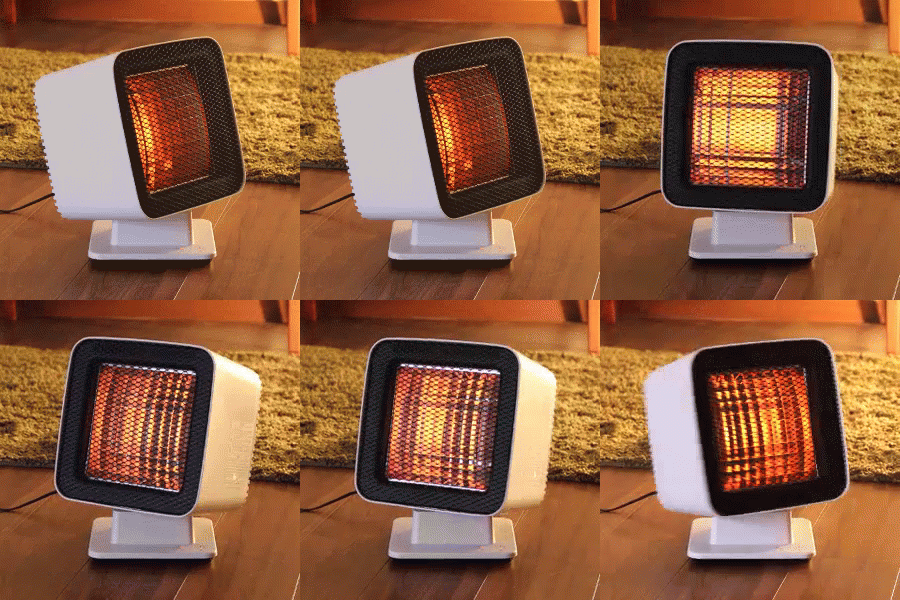
The Risks of Using Space Heaters to Eradicate Bed Bugs

Bed bug infestations can be a real nightmare, and the urge to eliminate them quickly can lead some people to consider unconventional methods. One such method that has gained attention is using space heaters to combat these tiny pests. While it might seem like a straightforward and cost-effective approach, there are several compelling reasons why you shouldn’t use a space heater to kill bed bugs.

1. Fire Hazard:

Space heaters are not designed for pest control purposes. They are designed to provide warmth in a controlled and safe manner. When used inappropriately, space heaters can pose a significant fire hazard. Bed bugs typically hide in tight spaces like cracks and crevices, and if a space heater is placed too close to these hiding spots, it can ignite flammable materials or cause structural damage, leading to a dangerous situation.

2. Uneven Heat Distribution:

Bed bugs are notorious for their ability to hide in hard-to-reach areas. Space heaters may not provide uniform heat distribution, leaving some hiding spots unaffected. This inconsistency can allow bed bugs to escape the heat treatment, leading to a resurgence of the infestation.

3. Ineffectiveness on Eggs:

Bed bugs reproduce rapidly, and their eggs are notoriously resilient. Space heaters may kill adult bed bugs and nymphs, but they are less effective at eliminating eggs. Since bed bug eggs are often tucked away in concealed locations, the uneven heat distribution from a space heater may not reach them, allowing a new generation of bed bugs to hatch later.

4. Damage to Belongings:

The intense heat produced by space heaters can damage or warp certain materials in your home, including electronics, plastics, and even textiles. Bed bug infestations can be frustrating, but the collateral damage caused by using space heaters can be costly and long-lasting.

5. No Guarantee of Success:

Bed bugs have developed resistance to various treatment methods over time, including pesticides. While heat treatment is a legitimate method when performed by professionals using specialized equipment, DIY attempts with space heaters are not as effective. There’s no guarantee that the heat generated by a space heater will reach all the necessary areas and ensure the complete eradication of bed bugs.

6. Health Risks:

Using space heaters for extended periods in enclosed spaces can lead to health risks, including carbon monoxide poisoning, dehydration, and overheating. These risks can outweigh any potential benefits of attempting to use a space heater to eliminate bed bugs.

7. Professional Expertise:

Bed bug infestations can be challenging to tackle on your own. Instead of relying on space heaters and risking fire hazards, it’s advisable to seek professional pest control services. Pest control experts have the knowledge, experience, and proper equipment to safely and effectively eliminate bed bugs, including their eggs, without putting your home at risk.

In the battle against bed bugs, it’s essential to prioritize safety, effectiveness, and long-term success. Using a space heater as a makeshift bed bug eradication method carries significant risks, including fire hazards, potential damage to belongings, and health concerns. Instead, it is advisable to consult a professional pest control service that can employ safe and proven methods to rid your home of these troublesome pests. DIY solutions with space heaters may seem tempting, but the consequences can far outweigh any potential gains in the fight against bed bugs.

Back to School and Bed Bugs: Should You Be Concerned?

As the school bells ring and the children excitedly head back to classrooms, parents might find themselves wondering about the potential risks associated with their kids’ return to school in relation to bed bugs. Are school environments a breeding ground for these pesky pests? Let’s delve into the topic and understand whether parents need to worry about bed bugs as their kids go back to school.

The School Setting: A Potential Bed Bug Haven?

While it’s natural to have concerns, the likelihood of a bed bug infestation originating solely from the school setting is relatively low. Bed bugs don’t thrive on dirt or filth; instead, they are attracted to warmth, carbon dioxide, and blood – the factors that signal the presence of a host to feed on. Schools typically have a high turnover of individuals and are less conducive to the sustained presence of bed bugs.

Factors to Consider

1. Low Risk Environment: Schools are generally not conducive to the long-term survival and reproduction of bed bugs. They require consistent feeding opportunities, which might be less available in a school setting.

2. Limited Hiding Spots: Bed bugs require tight crevices to hide and lay their eggs. School environments are typically less cluttered than homes, providing fewer hiding spots for these pests.

3. Low Likelihood of Hitchhiking: Bed bugs are more likely to be introduced to a home environment through items like luggage, used furniture, or clothing. The risk of bed bugs hitchhiking from school is minimal compared to other scenarios.

Preventive Measures for Parents

While the risk of bed bugs infesting your home through the school setting is low, it’s always a good idea to take some preventive steps:

1. Regular Home Inspections: Perform routine checks for signs of bed bugs in sleeping areas, such as mattresses, bed frames, and nearby furniture.

2. Teach Awareness: Educate your children about bed bug awareness. Encourage them not to share clothing, bags, or personal items with their classmates.

3. Inspect Backpacks and Clothing: After school, inspect your child’s backpack and clothing for any signs of pests. Encourage them to keep their belongings separate from others’ belongings.

4. Practice Hygiene: Encourage proper hygiene practices to minimize the risk of introducing bed bugs into your home.

Professional Help if Needed

If you ever notice signs of a bed bug infestation in your home, it’s essential to take immediate action. Contacting a professional pest control service will ensure proper identification and effective treatment if needed.

In conclusion, the return to school is an exciting time for kids, and concerns about bed bugs should not overshadow the joy of learning and connecting with friends. While the risk of bed bugs originating from schools is low, it’s always a good practice for parents to remain vigilant, educate their children about bed bug awareness, and take preventive measures to maintain a pest-free home environment.

Bed Bugs Unveiled: Debunking Myths and Dispelling Stigma

Discovering bed bugs in your home can be a distressing experience, often accompanied by feelings of embarrassment and shame. However, it’s essential to recognize that having bed bugs is not a reflection of you or your cleanliness. These pests can infest any home, regardless of how neat and well-maintained it may be. In this blog post, we’ll delve into the reasons behind bed bug infestations, debunk common misconceptions, and provide insights into effective prevention and eradication methods.

Understanding Bed Bug Infestations:

Bed bugs are excellent hitchhikers, often entering homes through luggage, clothing, or second-hand furniture. Their small size and secretive nature make them difficult to detect until the infestation becomes noticeable. These pests are attracted to warmth, carbon dioxide, and human scent, making your home a cozy habitat.

Debunking Myths:

  1. Cleanliness is Not a Deterrent: Contrary to popular belief, bed bugs are not drawn to filth or poor hygiene. They are primarily attracted to human presence and warmth, not clutter or dirt.
  2. They’re Equal Opportunity Pests: Bed bugs don’t discriminate based on socioeconomic status. Infestations have been reported in upscale hotels, luxurious apartments, and well-kept homes.
  3. Travel-Related Risk: Many infestations occur after travel, as bed bugs can easily hitch a ride on luggage or clothing. Staying in a high-end hotel does not make you immune to the possibility of bringing bed bugs home.
  4. Bed Bugs Are Invisible to the Naked Eye: Contrary to popular belief, bed bugs are visible without the aid of magnification. While nymphs (young bed bugs) are smaller and harder to detect, adult bed bugs are typically about the size of an apple seed. They have a reddish-brown hue and a flat, oval-shaped body, making them distinguishable to those who know what to look for. Additionally, signs of their presence, such as tiny reddish stains on bedding or mattresses, shed skins, or a sweet musty odor, serve as indicators of an infestation.

Prevention and Eradication:

  1. Regular Inspections: Routinely check your mattress, bed frame, and furniture for signs of bed bugs, such as rust-colored stains, discarded exoskeletons, or live bugs.
  2. Immediate Action: If you suspect an infestation, take action promptly. Early intervention is crucial in preventing the problem from escalating.
  3. Professional Assistance: Engage a pest control professional experienced in dealing with bed bugs. They can implement effective treatment plans tailored to your situation.
  4. Decluttering: While cleanliness isn’t a deterrent, decluttering can make bed bug detection and treatment more effective.
  5. Heat Treatment: High temperatures can eradicate bed bugs at all life stages. Washing infested items in hot water and drying them on high heat can help eliminate these pests.

Key Takeaways:

Having bed bugs is not an indication of your character or hygiene practices. These pests are skilled at infesting any space, and their presence should not lead to shame or embarrassment. By understanding the facts, debunking myths, and taking proactive measures, you can effectively address and prevent bed bug infestations, ensuring a comfortable and pest-free living environment for you and your family. Remember, dealing with bed bugs is a shared challenge, and seeking professional assistance is a proactive step towards a solution. If bed bugs have found their way into your house, contact ECO Bed Bug at 410.324.6223 to rid your home of these pests.

Back to College – What about Bed Bugs

As the back-to-college season approaches, excitement fills the air as students gear up for a new academic year. Amidst the hustle and bustle of packing, buying supplies, and settling into new routines, there’s one topic that’s often overlooked but essential to address: bed bugs. These tiny pests can quickly turn your college experience into a nightmare if not dealt with properly. In this blog, we’ll explore the importance of being aware of bed bugs, how to prevent infestations, and what to do if you encounter them.

Understanding Bed Bugs:

Bed bugs are small, reddish-brown insects that feed on human blood. While they don’t transmit diseases, their bites can lead to itching, allergic reactions, and sleep disturbances. Bed bugs are excellent hitchhikers and can easily find their way into dorm rooms, apartments, and shared spaces. They’re attracted to warmth and carbon dioxide, which is why they tend to hide in mattresses, box springs, cracks, and crevices near sleeping areas.

Preventing Infestations:

Prevention is the key to avoiding bed bug problems. Here are some tips to help you keep these unwanted guests at bay:

  1. Inspect Your Living Space: Before moving in, thoroughly inspect your mattress, bedding, and furniture for any signs of bed bugs. Look for small reddish-brown bugs, tiny white eggs, or dark fecal spots.
  2. Use Protective Covers: Encase your mattress and box spring in specially designed bed bug-proof covers. These covers make it harder for bed bugs to establish themselves and easier for you to detect any potential infestations.
  3. Maintain Cleanliness: Regularly clean your living space, vacuuming rugs, mattresses, and furniture. Pay extra attention to cracks and crevices where bed bugs could hide.
  4. Be Cautious with Second-Hand Items: Avoid picking up discarded furniture or bedding from the curb, as they may be infested. If you do bring second-hand items into your space, inspect and clean them thoroughly before use.
  5. Minimize Clutter: Bed bugs love to hide in cluttered areas, so keep your living space tidy and organized.
Dealing with Bed Bugs:

Despite your best efforts, bed bugs can still find their way into your living space. If you suspect an infestation, here’s what you should do:

  1. Notify Your College Housing: If you’re living on campus, inform the housing authorities immediately. They can take the necessary steps to address the issue and prevent it from spreading.
  2. Isolate Infested Items: If you discover bed bugs, isolate infested items in sealed plastic bags to prevent them from spreading to other areas.
  3. Professional Help: Bed bug infestations are challenging to eliminate on your own. Consult a professional pest control company to assess the situation and recommend a suitable treatment plan.
  4. Don’t Panic: Bed bugs are a nuisance, but they can be dealt with effectively. Stay calm, follow the necessary steps, and trust that the issue will be resolved.

Heading back to college is an exciting time, but it’s important to be vigilant about potential bed bug infestations. By taking preventive measures, staying informed, and knowing how to respond if an infestation occurs, you can ensure a comfortable and pest-free college experience. Remember, awareness and action are key to keeping these unwanted roommates at bay.

What To Do First If You Suspect Bed Bugs

They can be picked up from the places you stay on vacation and ride home with you in your clothes. Even out-of-town guests can bring them into your home without knowing it. No matter what caused them, we can all agree that bed bugs are hard to deal with.

Sadly, you can’t automatically conclude that bed bugs are to blame just because you wake up in the middle of the night itching or observe a tiny skin rash. To determine how to get rid of an insect, it can be helpful to identify its species. But, given their propensity to hide and their propensity to disperse swiftly, finding and trapping these annoying insects is challenging, to say the least. Since bed bugs are parasites that feed on blood, you’ll need to keep a close eye out for additional signs like reddish stains on your furniture. You might also find eggs or the outer coverings that nymphs leave behind in the folds of your mattress or on your bed sheets.

Identify The Bug

The first step you should take towards resolution, if you find any of these signs, is to determine whether the insect is indeed the bed bug in question. This step is important because another pest, the carpet beetle, closely resembles a bed bug when it’s still in its early stages of life but doesn’t respond to the same extermination process. You can catch one of the bugs, or collect the eggs or shells from nymphs, and seal them up in a clear plastic bag. Calling a professional pest control company who can identify the bug you’re dealing with can make the rest of the process of getting rid of them easier. Because you need to take specific steps to get rid of them before they spread.

Starting The Eradication Process

Even though there are many ways to get rid of bed bugs, the first thing you should do once you know they are the problem is try to stop them from spreading. To do this, you’ll need to carefully remove your bedding, wash it, and then dry it at a high temperature. This might get rid of eggs and bugs, but don’t put your laundry on another chair or the floor between your bedroom and the utility room.

Given that eliminating bed bugs from your home is a multi-step process, you may wish to contact an exterminator who can safely perform a thermal heat treatment (135 degrees Fahrenheit) in each room. This does require you to leave your home for several hours, but it’s preferable to living with bed bugs. This may be the most effective strategy to maintain your home free of bed bugs over time.

Our Service

ECO Bed Bug has extensive bed bug experience. The first step in our service is a thorough inspection. We then recommend a treatment plan, which may include heat treatment, steam treatment, and the application of a bio-pesticide. Our treatments are tailored to your specific needs, restoring your peace of mind.