
Do Bed Bug Mattress Encasements Work?

Before homeowners become aware of a problem, bed bugs have moved into a number of rooms in almost every infestation and most people look for quick solutions. Mattress encasements are frequently tried as a first line of defense against bed bugs. The reasoning is straightforward. A thick, impermeable layer of sturdy outer fabric over your mattresses should keep the bed bugs out, right?

As it turns out, there is no simple solution. Bed bug biology, infestations, and why protective encasements are useful but never sufficient.

Will Bed Bug Mattress Encasements Prevent Bed Bugs From Biting Me?

Bug bites can occur anywhere on the body and are one of the most distressing aspects of an infestation. The good news is that an insect prevention mattress encasement will prevent bed bugs from biting you in your bed mattress. However, you must install it correctly, ensure that the zip is completely closed, and double-check on a regular basis to ensure that no tiny tears or perforations form. Of course, those lurking elsewhere in your home could still bite you.

Do Mattress Encasements Keep Bed Bugs Out?

The answer is a disappointing no in this case. Keep in mind that beds aren’t the only place you can find these resilient little survivors. These tiny insects, which are about the thickness of a fingernail, can successfully conceal themselves everywhere in your house, including crevices in wooden furniture, clothing, and carpets.

The pest’s pestilent reproduction cycle is another factor. A mature female can lay as many as twelve eggs in a single day. A female bed bug that is about to deposit eggs will avoid areas where there are already pests. As a result, epidemics develop at a startling rate and infestations spread quite quickly.

Can Bed Bugs Be Prevented by Using a Regular Mattress Protector?

The price of a customized bed mattress encasement is higher than that of a typical household mattress encasement. The fact that some individuals worry if a standard mattress protector will work is not all that surprising.

However, ordinary mattress protectors offer no protection at all from bed bugs. Most mattress covers are not intended to cover the entire surface of a mattress, and they offer little defense against insects entering your mattress and settling there.

How About Bed Bug Interceptors? Are They Useful?

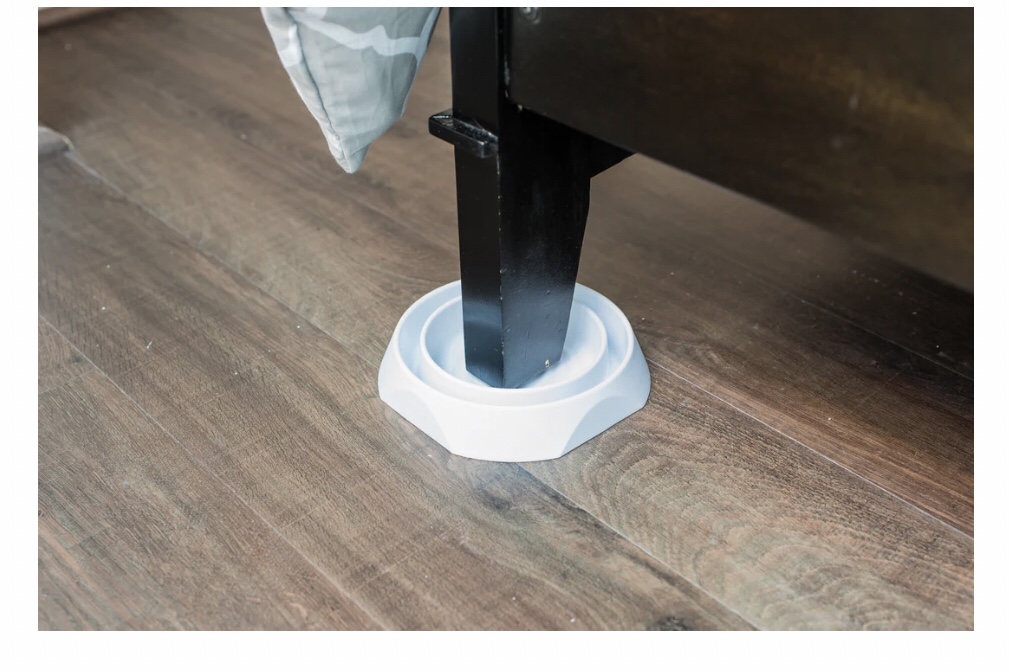
Interceptors are small dishes that can be installed beneath standard furniture legs, including some beds. They’re a low-tech way to keep crawling insects out of your furniture.

When used in conjunction with mattress encasements, an interceptor reduces the likelihood of unwanted visitors to your bed, and they are a low-cost component of any solution. They do, however, only prevent intrusion into specific pieces of furniture. They will not completely prevent or eliminate a household infestation.

How Do I Know Which Mattress Encasement to Buy for Bed Bugs?

First and foremost, always prioritize quality above quantity. A mattress protector is completely useless if even the tiniest hole or tear appears in it. Check to see if it completely encases your mattress, has been tested for and proven to be bed insect proof, and has received mostly positive feedback from customers online.

There are several brands of protective covers that are known for their effectiveness in preventing bed bugs. Some of the most popular brands include SafeRest, SureGuard, and Hospitology Products. These covers are made of high-quality materials and are designed to fit snugly around your mattress or box spring, effectively trapping any bed bugs inside. It’s important to choose a cover that is specifically designed for bed bug protection, as not all covers will be effective at preventing infestations.

What’s the difference between a mattress cover and a mattress encasement?

To reiterate again mattress encasements zip all the way around the mattress while mattress covers are placed on top of a mattress like a fitted sheet. Mattress covers do not stop bed bugs from crawling to the mattress because they are simply put on the top of the bed. Many mattress protectors are water-resistant and simple to take off for washing. For those who are primarily concerned with spill and bodily fluid safety, mattress coverings might be a good fit. Choose a mattress encasement if you’re worried about bed bugs and other pests. Encasements provide a seal around the entire mattress, including the bottom, to offer security at all bed angles.

What To Do First If You Suspect Bed Bugs?

They can be picked up from the places you stay on vacation and ride home with you in your clothes. Even out-of-town guests can bring them into your home without knowing it. No matter what caused them, we can all agree that bed bugs are hard to deal with.

Sadly, you can’t automatically conclude that bed bugs are to blame just because you wake up in the middle of the night itching or observe a tiny skin rash. To determine how to get rid of an insect, it can be helpful to identify its species. But, given their propensity to hide and their propensity to disperse swiftly, finding and trapping these annoying insects is challenging, to say the least. Since bed bugs are parasites that feed on blood, you’ll need to keep a close eye out for additional signs like reddish stains on your furniture. You might also find eggs or the outer coverings that nymphs leave behind in the folds of your mattress or on your bed sheets.

Identify The Bug

The first step you should take towards resolution, if you find any of these signs, is to determine whether the insect is indeed the bed bug in question. This step is important because another pest, the carpet beetle, closely resembles a bed bug when it’s still in its early stages of life but doesn’t respond to the same extermination process. You can catch one of the bugs, or collect the eggs or shells from nymphs, and seal them up in a clear plastic bag. Calling a professional pest control company who can identify the bug you’re dealing with can make the rest of the process of getting rid of them easier. Because you need to take specific steps to get rid of them before they spread.

Starting The Eradication Process

Even though there are many ways to get rid of bed bugs, the first thing you should do once you know they are the problem is try to stop them from spreading. To do this, you’ll need to carefully remove your bedding, wash it, and then dry it at a high temperature. This might get rid of eggs and bugs, but don’t put your laundry on another chair or the floor between your bedroom and the utility room.

Given that eliminating bed bugs from your home is a multi-step process, you may wish to contact an exterminator who can safely perform a thermal heat treatment (135 degrees Fahrenheit) in each room. This does require you to leave your home for several hours, but it’s preferable to living with bed bugs. This may be the most effective strategy to maintain your home free of bed bugs over time.

Our Services

ECO Bed Bug has extensive bed bug experience. The first step in our service is a thorough inspection. We then recommend a treatment plan, which may include heat treatment, steam treatment, and the application of a bio-pesticide. Our treatments are tailored to your specific needs, restoring your peace of mind.

What Are The Risks Of Handling Do It Yourself Bed Bug Treatment?

Bed bugs are a common pest that can infest homes and cause discomfort, inconvenience, and potential health risks. Many homeowners try to handle bed bug infestations on their own using do-it-yourself (DIY) treatments. However, DIY bed bug treatments can come with several risks.

One of the main risks of DIY bed bug treatment is the potential for misidentification of the pest. Bed bugs can easily be mistaken for other insects, such as fleas or ticks. If you misidentify the pest, you may use the wrong treatment method, which can be ineffective and waste time and money.

Another risk of DIY bed bug treatment is the overuse or improper use of pesticides. Many DIY treatments rely on pesticides or chemicals to kill bed bugs. However, these chemicals can be toxic and dangerous if not used correctly. Overusing pesticides can lead to contamination of your home and potential harm to you or your family.

Additionally, DIY bed bug treatments may not address the root cause of the infestation. Bed bugs can travel through various means, and if you do not identify and eliminate the source of the infestation, the problem will persist. This can result in an ongoing cycle of treatment and re-infestation.

Finally, DIY bed bug treatments can be time-consuming and labor-intensive. Bed bugs are difficult to get rid of, and treating an infestation on your own can be a significant undertaking. This can be especially challenging if you have a large infestation or limited resources.

In summary, DIY bed bug treatments come with several risks, including misidentification of the pest, overuse or improper use of pesticides, failure to address the source of the infestation, and a significant investment of time and effort. It is often best to enlist the help of a professional pest control company to ensure effective and safe treatment of your bed bug infestation.

If you think you have bed bugs or are interested in a home heat treatment, contact ECO Bed Bug at 410.324.6223! ECO will create a focused, personalized plan to get rid of all bed bugs-eggs, visible ones, and any that might be hiding-after conducting a comprehensive inspection.

Bed Bugs in Airports: Understanding the Risks and Prevention Tips

When it comes to unexpected encounters during travel, bed bugs may not be the first thing that comes to mind. However, these pesky insects have been known to infest airports, causing discomfort and potential issues for travelers. Hawaii airport had to closed multiple gates to deep clean after bed bug discovery this month. In this blog post, we will explore the topic of bed bugs in airports, understand the risks they pose, and provide some helpful tips for prevention.

The Risk of Bed Bugs in Airports:

Bed bugs are notorious hitchhikers, easily latching onto luggage, clothing, or personal belongings. Airports, with their constant influx of travelers and their belongings, create a conducive environment for bed bugs to spread. These pests can be found in various areas within airports, including waiting areas, seating, and even in the aircraft itself.

How Bed Bugs Spread in Airports:

Infested Luggage: When bed bugs infest one piece of luggage, they can easily crawl into nearby bags or belongings, making their way from one location to another.

Seating Areas: Bed bugs can hide in upholstered furniture, such as chairs and sofas, found in airport waiting areas. When travelers sit on infested furniture, bed bugs can attach themselves to clothing or personal items.

Public Transportation: Some airports offer shuttle services or trains to transport travelers between terminals or parking areas. These shared spaces provide an opportunity for bed bugs to spread from one location to another.

How to Prevent Bed Bugs in Airports:

While it may not be possible to completely eliminate the risk of encountering bed bugs in airports, following these prevention tips can significantly reduce the likelihood of bringing these unwanted guests home with you:

Inspect Your Luggage: Before leaving the airport, thoroughly inspect your luggage, paying close attention to seams, pockets, and zippers. Look for any signs of bed bugs, such as live insects, shed exoskeletons, or dark stains.

Use Protective Covers: Consider using bed bug-proof encasements for your luggage. These covers act as a barrier, preventing bed bugs from getting inside your bags.

Avoid Placing Luggage on the Floor: Whenever possible, keep your luggage elevated and away from the floor. Utilize luggage racks or keep your bags on a hard surface, reducing the chances of bed bugs crawling onto your belongings.

Be Cautious with Seating: Before sitting down, visually inspect seating areas for any signs of bed bugs. Look for tiny, rust-colored stains or live insects crawling around. If you suspect an infestation, choose a different seat or move to a different area.

Launder and Dry Items: When you return home, immediately launder and dry your clothing on high heat. This will help kill any potential bed bugs that may have hitchhiked during your travels.

While bed bugs in airports may be an unpleasant reality, being aware of the risks and taking preventive measures can help minimize the chances of encountering these pests during your travels. By staying vigilant, inspecting your belongings, and following the prevention tips outlined in this blog post, you can protect yourself and reduce the likelihood of bringing bed bugs home with you. Safe travels!

What to Do If You Encounter Bed Bugs:

If you discover bed bugs or suspect an infestation during your time at an airport, it is important to notify airport staff or authorities immediately. They can take appropriate measures to address the issue and prevent further spread.

Bought Bed Bugs Home After A Trip

Once arriving home and you discovered you’ve bought bed bugs back from a trip contact ECO Bed Bug at (410) 929-3420. We have extensive bed bug experience. The first step in our service is a thorough inspection. We then recommend a treatment plan, which may include heat treatment, steam treatment, and the application of a bio-pesticide. Our treatments are tailored to your specific needs, restoring your peace of mind.

How to Avoid Bed Bugs While on Vacation This Summer

Are you planning a summer vacation? Searching the internet for the greatest family hotels or activities. Here are some things to think about to guarantee that your trip is all you’ve hoped for and that you don’t bring home any unwanted mementos, such as bed bugs.

What Are Bed Bugs?

Bed bugs are oval-shaped insects that feed on blood, carbon dioxide, and body heat. Because females lay hundreds of eggs, their name is synonymous with infestation. Bed bugs are most active at night, biting humans and animals as they sleep.

How Are Bed Bugs Spread?

Bed bugs can be found in a variety of settings, including airlines, taxis, ride-sharing services, and trains. It is important to check the seats and surrounding areas to ensure there are no bed bugs. If you do find evidence of bed bugs, notify management and request a new seat.

Watch Out for These Signs

When entering a room or lodging for a vacation, it is important to check for bed bugs. This includes pulling back the sheets and mattress cover to make sure there are no blood spots, fecal stains, or actual bed bugs in the edges or corners of the mattress.

Additionally, inspect the headboard, nightstands, and the edges of the furniture for indications that bed bugs have been or are currently active. You can also keep your luggage off the ground and away from upholstered furniture by elevating it on a luggage rack or pedestal. This will prevent bed bugs from scaling up your luggage. If bed bugs are spotted, guests should promptly change rooms or establishments and pack their clothing in a trash bag. Be sure to inspect all of your belongings before moving them to the new room to avoid bringing the bed bugs with you.

Call In The Professionals

Bed bugs are master hitchhikers who might be difficult to eradicate. To avoid them, clean out your suitcase and wash your clothes in hot water when you get home. If bed bugs have found their way into your house, contact ECO Bed Bug at (410) 929-3420 to rid your home of these pests.

HOW DO YOU GET BED BUGS?

Bed bugs can’t fly or jump – they have to crawl to get anywhere. But thanks to their tiny size and the fact that they can survive months without a blood meal, bed bugs have no problem traveling from place to place. Bed bugs can invade a dwelling from other affected locations. They can travel on furniture, luggage, and backpacks.

A common misconception is that if someone has bed bugs or has been in contact with them, either they or the bed in which they slept are unclean. This is because bed bugs are supposedly attracted to dirt or filth, but this couldn’t be further from the truth: bed bugs will attract people, clean or not, because they feed on blood.

TRAVEL

Bed bugs are most commonly seen in hotels and motels, according to pest control experts. It shouldn’t come as much of a surprise, as hotels and other temporary housing facilities provide a perfect environment for the development and spread of bed bugs, thanks to the high volume of guests and the frequent changes in staff. Infestations can spread rapidly; once a single adult female bed bug finds a way inside, she can lay up to five eggs a day for a full year. If bed bugs get into your home, they can quickly travel to other areas via pipes and vacuum cleaners, not to mention sneaking in via articles of clothes, bags, and other personal belongings. If you’re taking a trip soon, it’s important to know how to prevent picking up bed bugs at hotels so you don’t end up with an unwanted guest on your trip.

FURNITURE

Tempted by the beautiful ottoman that has been abandoned on the corner near your home for a while? Don’t give in to the temptation; bringing in used furniture is a leading cause of bed bugs in homes. The suede sofa may seem wonderful, but it’s not worth the danger if you live in a city with a bed bug infestation because people don’t always clearly designate bed bug-ridden furniture. A $5 book from a yard sale seems like a good bet, right? Certainly not… There is a small risk of contracting bed bugs from books, but only if they have been stored in a box in a house or other location where bed bugs are present. In addition to beds, alarm clocks, coffee makers, and other similar equipment can become infested with bed bugs if they contain dark, undisturbed spaces where the insects can hide and multiply. Do not let anything enter your house without first giving it the once over.

But, even brand-new pieces of furniture, such as beds and sofas, can be exposed to bed bugs while in storage or in delivery vehicles, making every piece of furniture potentially infested. If the company you’re considering buying a mattress from also removes discarded mattresses from homes, for instance, there’s a chance that their truck is hiding some bed bug refugees looking for a new place to hide out.

NEIGHBORS

Even if you take every precaution possible, you still might get bed bugs from a neighbor who doesn’t. Since bed bugs can travel over 100 feet in a single night, via microscopic cracks in the walls, through connecting vents, or even in the joints of floor boards, bed bug migration is rather prevalent, especially in shared housing arrangements like condos, apartments, and dorms. Or, they can take the time-honored route of slithering out the front door, down the hall, and into another apartment.

Merchandise that has been worn or borrowed… Bed bugs can be brought in on secondhand clothing, whether purchased or borrowed from a friend. Although thrift stores are still a viable option, you should wash any old apparel before bringing it inside your home. Bed bugs die in temperatures higher than 122 degrees Fahrenheit, therefore it’s important to wash your linens in very hot water. Obviously, this isn’t exclusive to the realm of apparel. Bedding, blankets, and stuffed animals that have been previously used must undergo a rigorous cycle in very hot water before being readmitted.

It only takes one trip to the wrong place at the wrong time to bring bed bugs home and start an infestation. If you find bed bugs in your home the best way to deal with this potential problem is to work with a professional pest control company that has experience treating bed bugs. At ECO, we provide specialized bed bug services that help prevent infestations. This can speed up the treatment and management of bed bugs by professionals.

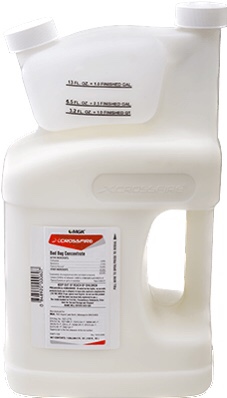
What is Crossfire?

Crossfire Bed Bug Concentrate

Bed bugs are elusive and adaptive, and when someone suspects they could have a bed bug infestation developing in their house some homeowners may turn to extreme methods to eliminate them. Before contacting a professional, people purchase pesticides at hardware stores or online retailers and attempt to solve the issue themselves. But, is this the right course of action? Crossfire Bed Bug Concentrate is a popular choice for in-home pesticides.

CrossFire bed bug concentrate spray is a unique insecticide which targets only one pest with a dual action formula. CrossFire is non-repellant meaning it doesn’t get rid of bed bugs by repelling them but kills them by penetrating their exoskeleton. From there it attacks their central nervous system which leads to paralysis and ultimately death, within 5 minutes of exposure. It is designed to be able to kill bed bugs in any stage of their life cycle, from eggs to adults. The water-based concentrate leaves behind no visible residue. However, CrossFire concentrate only has a residual effect of 30 days after the first application.

How is Crossfire Applied?

Crossfire is a liquid concentrate that has to be mixed with water before it is applied. 13 oz of the concentrate is mixed with 115 oz of water. Begin with 115 oz of water in your spray tank, then add the CrossFire concentrate and begin agitating the mixture. Shake the tank to ensure thorough mixing, and you’re ready to go. Once mixed, it must be used immediately because it forms a gel substance in the bottom of your tank if left for more than 24 hours.

The mixture can be sprayed on cracks, corners, baseboards, floorboards, bed frames, headboards, furniture, doors, windows and all such other areas with a bed bug infestation. The pesticide can even be directly sprayed upon the seams and folds of mattresses and box springs. It should be sprayed until the fabric is damp but not wet. CrossFire can also be applied with a paintbrush to walls, baseboards, floorboards etc. floor surfaces should be properly vacuumed before the concentrate is applied to them.

For treatment of a pet’s living environment, the concentrate should be sprayed on and around the bedding, floors and the adjoining area. Crossfire is not meant to be applied to infested bed linens just the box spring or mattress. Those linens should be gathered, sealed tightly in a plastic bag, then laundered and dried at high temperatures prior to using them again. You wouldn’t want to sleep in sheets that are full of a pesticide would you?

Treatments Using Heat with Crossfire

Bed bug thermal treatments are an excellent and environmentally responsible method to deal with bed bugs, killing them at all phases of their life cycle in a single day. Because Crossfire cannot be applied to every cranny or object in the area impacted by the bed bug invasion, thermal treatments and Crossfire can be used in tandem. However, before applying Crossfire, the thermal process must be completed. Heat treatments degrade insecticide residuals, so heating Crossfire directly after use reduces its effectiveness.

Crossfire may not be totally necessary when using a heat treatment, however, as heat treatments are more efficient and can completely eradicate all bed bugs in less than 24 hours. If your looking for a non-chemical bed bug removal method that can eliminate all bed bug life phases in a single day! Contact ECO Bed Bug Maryland at 410.929.3420 to schedule your inspection today.

HOW LONG CAN A BED BUG SURVIVE IN A VACANT HOME?

Bed bugs are resilient creatures that can survive in many environments. But how long can bed bugs survive in a vacant home? It’s a common question when dealing with vacant properties such as rentals or vacation homes, or when moving into a new home.

Bed bugs can survive for up to twelve months without food and up to eighteen months without any oxygen. The temperature of the house and the presence of a blood meal host are the two main things that affect how quickly or slowly bed bugs die. If their host leaves the house, they will seek new prey, even if it is not a human. The blood of other pests and animals such as rats, mice, dogs, and birds, among others, could provide a new source of food. Bed bugs do not require frequent feedings and will survive for months or years in an empty home until a new human host is present.

Extreme temperatures can also cause the death of bed bugs. Specifically, bed bugs cannot survive a three-week period at temperatures below 25 degrees Fahrenheit. On the opposite end of the spectrum, these pest cannot survive a week at temperatures higher than 113 degrees Fahrenheit. All of this means that even if you simply leave a home for an extended period of time (even a year or more), you may still return to a bed bug infestation. The best course of action is to exterminate the bugs as soon as possible. To begin, please click the button below.

IN AN EMPTY HOUSE, WHERE DO BED BUGS HIDE?

Bed bugs prefer to hide in places where humans spend a significant amount of time, such as couches, beds, and other furniture. If there are any furniture items left in the house, this is the most likely place to look first. Bed bugs may be concealed between wall crevices, in spaces between light switch sockets and the wall, behind loose trim, or under molding if they cannot detect the presence of carbon dioxide from a host and the space is completely vacant. If the residence has hardwood flooring, the bugs may be hiding out between the floorboards and, if they are loose enough, under them.

If you suspect pests in your vacant home, you should know how to check for and control bed bugs. Without having to wait for bed bug bites to appear on your skin, checking will also tell you if bed bugs have spread to other areas of your home. Can you see any bed bugs? Bed bugs can be seen with the naked eye, but they are extremely small. Using the proper equipment can thus make it much easier to find them. For example, an active monitor will draw bed bugs out of hiding only to trap them. Attaching bed bug interceptors to bed posts and furniture legs to catch any insects climbing up furniture will also aid in the detection of an infestation. Another method is to place a piece of dry ice next to the interceptors in each room. The carbon dioxide emitted by the dry ice will attract bed bugs from their hiding places, causing them to become trapped in the interceptors. Be sure to adhere to all dry ice handling safety requirements.

Having Bed Bug Problems? We Can Help!

Are you worried about maintaining a pest-free environment in your brand-new house? Get in touch with us at ECO so we can help you get rid of those annoying bed bugs in your home. To find out more about the services we offer, please visit our website or call us at (410) 324.6223,

Do a Few Bed Bugs Indicate an Infestation?

It goes without saying that finding even one bed bug in your home is reason for concern. Even while you might not believe a single tiny bug is a significant concern, it can be an indication that an infestation is rapidly spreading right under your nose.

Why a Few Bed Bugs Pose a Risk

It’s possible that only a few hitchhikers made it inside your home by clinging to a piece of luggage brought back from a hotel, a ride share or a guest’s clothing, but if you find one, there are likely more. Because of their social nature, bed bugs tend to congregate in huge numbers.

There’s especially cause for concern if there are any female bed bugs—if one is pregnant, it will start laying eggs rapidly and then reproduce with its offspring. A single female can lay 500 eggs in her lifetime. Male bed bugs have pointed abdomens, whereas females have round abdomens.

Because bed bugs are only 7 millimeters long at their longest, this distinction may be difficult for some to see.

Why Are Bed Bugs Difficult to Spot?

Bed bugs are challenging to find for a variety of factors. Before they gorge themselves on the blood of human and animal hosts, their bodies are slim. The body is shaped like an apple seed and has a reddish-brown tint that blends well with dark baseboards, furniture, and flooring.

Bed bugs are challenging to find for a variety of factors. Before they gorge themselves on the blood of human and animal hosts, their bodies are slim. The body is shaped like an apple seed and has a reddish-brown tint that blends well with dark baseboards, furniture, and flooring.

How to Determine if It Is a Bed Bug

Before you jump to conclusions, it’s a good idea to confirm that what you’ve found or the bites your waking up with is really from a bed bug. Bed bugs are oval-shaped, reddish-brown, and 5-7 millimeters long, with six legs and small, segmented antennae.

Cockroach nymphs, carpet beetles, and fleas are all common pests that people misidentify as bed bugs. Even bites in similar locations on the body can look similar. Therefore. It is critical to understand additional potential bed bug warning signs.

Signs That You Have Bed Bugs

There are a few telltale indicators that you may have a bed bug infestation that is larger than simply one bug.

  • Blood stains—Are mostly small, dark red, and roundish or smeared. Blood stains from bed bugs occur during feeding and are most commonly found near the foot of the bed or on your pillowcase.
  • Exoskeletons—Bed bugs resemble their molted skins. They look alike and are translucent. Nonetheless, they resemble bed bug shells. The bed bug that molted will determine their size.
  • Eggs—Resembles a grain of rice but smaller. Most are pearly white-grey with a 1 millimeter-long oval form. A hinged cap at the front of each egg opens to release a bed bug nymph.
  • Egg casings— translucent, hollow shapes of juvenile bed bugs. Are typically simpler to find than the bugs themselves.
  • Fecal matter—These fecal spots are black in color (not red because the blood has already been digested) and are often seen in clusters.
  • Bite marks—If you’re allergic to bed bugs, you’ll likely have marks on your face, neck, arms, and hands. Usually small, flat or elevated spots that may become irritated, itchy, red, or blistered and tend to leave straight rows of bites.
  • Musty, sweet berry like odor—This unpleasant, moldy smell comes from bed bugs’ scent glands. It often takes a large infestation to detect this bed bug smell.

How to Spot Bed Bugs

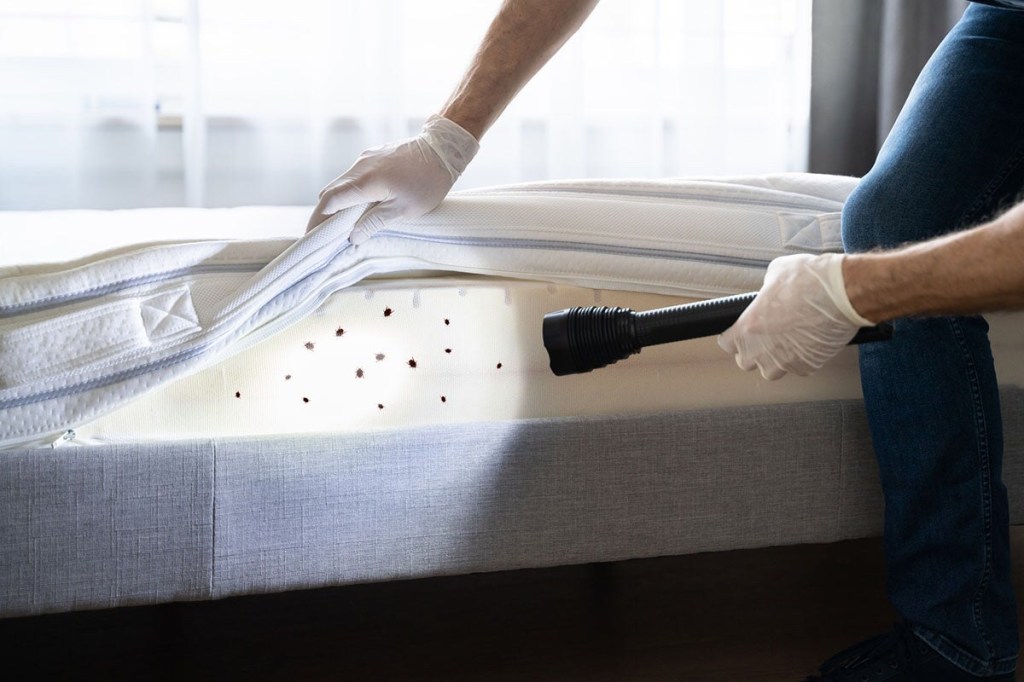
If you want to look for more indicators of bed bug activity before calling in the pros, you should begin by moving your bed away from the walls. There is a reason why they are called bed bugs. They tend to congregate in your bed frame, mattress, box spring, and linen because they enjoy living close to their food source.

Turn pillows and comforters inside out and remove all bedding. Examine each and every fold and crease. Your mattress and box spring are excellent bed insect harborages, especially the piping along the edges of your mattress. Check both sides of your mattress by flipping it over. You will need to carefully disassemble your bed frame and inspect each joint individually.

Calling the Professionals

There are a few steps you can take from here, such as thoroughly washing your linens and drying them on the highest heat setting possible, and purchasing zippered mattress and box spring encasements. However, your next step should be to contact a professional pest control company.

Following a thorough inspection, ECO will devise a targeted, tailored plan to eliminate all bed bugs—eggs, visible ones, and any that may be hiding.

Manage Bed Bug Infestations Interceptors

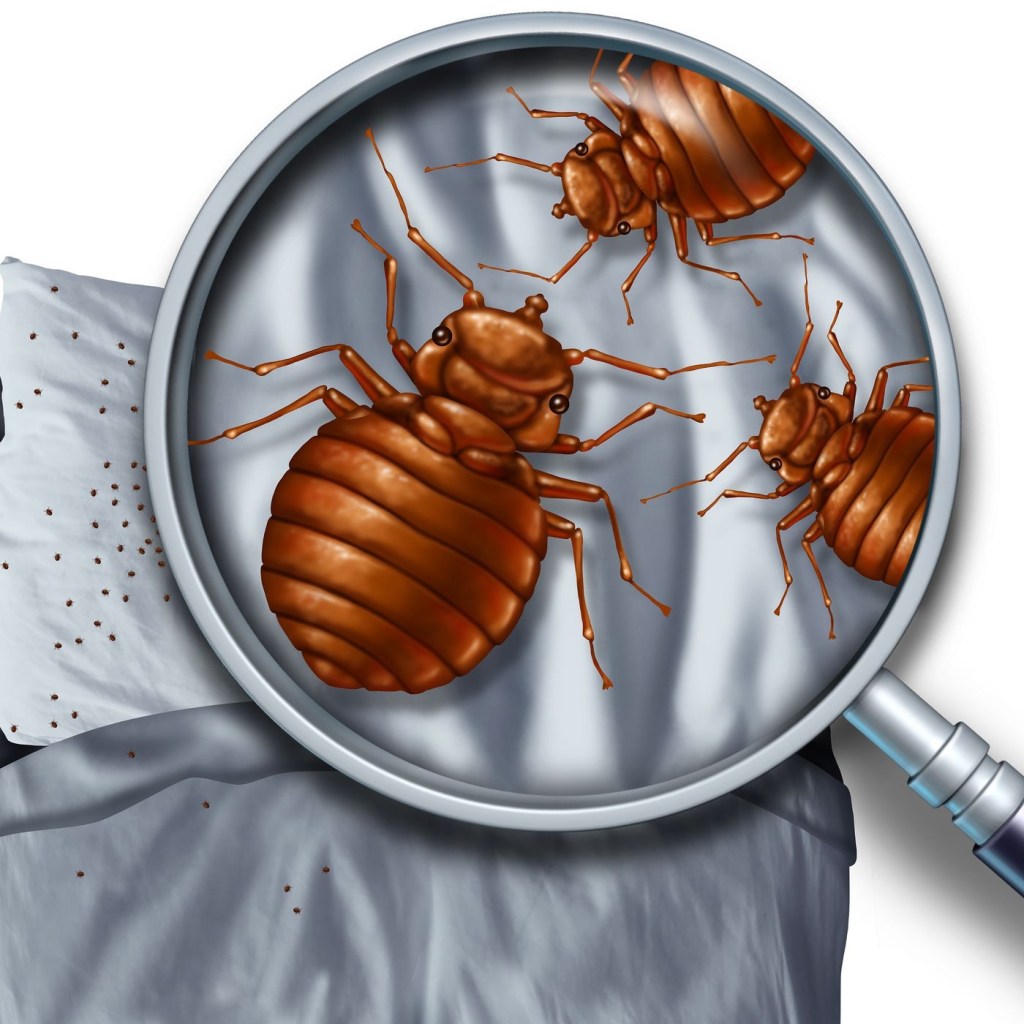
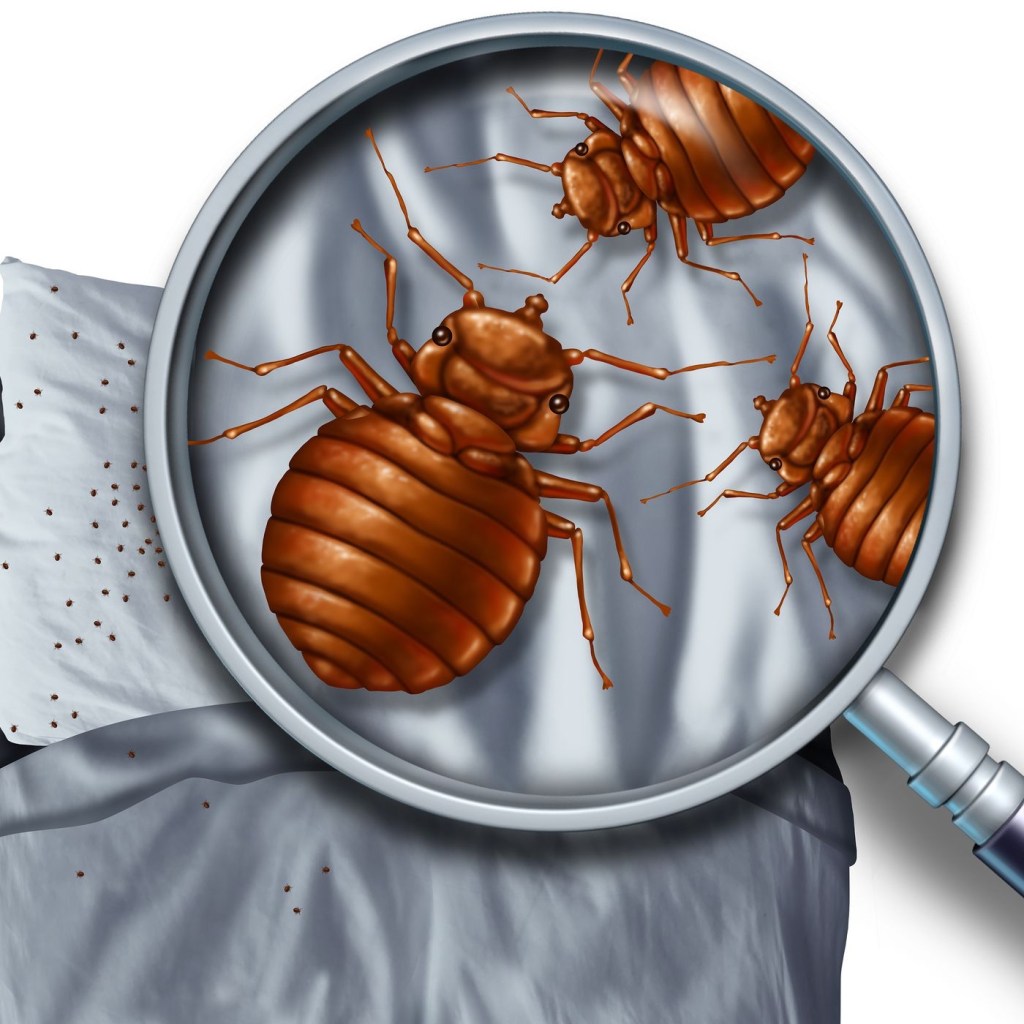
What do bed bugs look like?

They’re as small as a apple seed. Adult bed bugs are reddish brown in color, wingless, and are about the size of an apple seed. Immature bed bugs (there are 5 immature or nymphal instar stages) can also be seen with the naked eye but they are smaller than adults, and translucent whitish-yellow in color.

You may not even be aware that you have them until you wake up with red, itchy welts on your skin. Another terrible feature is that bed bugs are difficult to eradicate since they are so secretive.

What Are Bed Bug Interceptors?

It’s a small, round, two-well device. The bed frame’s foot goes in the inner well, which may contain talcum powder. Bed bugs get caught in the trap when they climb over the edge to get up the bedpost. These work best in beds that people use often, since bed bugs like to bite warm people.

Bed bug interceptors must be cleaned and refilled on a monthly basis. You’ll be able to see signs of bed bugs entering the trap when you wipe them out. If there are no dead bugs, larvae, or eggs in the device, you’re safe.

How many bed bug traps are necessary?

We recommend placing bed bug interceptors beneath every bedpost. They can also be placed beneath the feet of upholstered furniture in any part of the home. If you want to be extra cautious, you may also position them randomly throughout your home, which may involve purchasing a dozen or more, depending on the size of your household. They are accessible via major internet merchants such as Amazon and home improvement warehouses.

Make sure the device is not too close to the wall if you plan to use it with a bed. When putting in the traps, make sure that all bedding is off the ground by taking away things like blankets that reach the floor, dust ruffles, and bed skirts. If your bed is a platform, you can monitor activity by putting multiple bed bug interceptors around the base. If you already have pests in your house, they generally won’t deter them from using that kind of bed.

Pros:

◦ Accurate

◦ Online purchases are affordable

◦ Simple to set up

◦ No chemicals or insecticides

◦ Not requiring replacement or refilling

Cons:

◦ Outcomes are not instantaneous.

◦ Bed bugs that live in your mattress or bed frame might not be caught.

If you find bed bugs in your interceptors, contact us immediately. A professional inspection is recommended to specifically locate where the bed bugs are hiding and come up with an effective plan of action.