Back to School, Back to Bed Bugs? Tips to Keep the Creepy Crawlers Out of Your Life

Ah, back-to-school season—a time of fresh pencils, new backpacks, and the subtle scent of anxiety wafting through the air. But before you celebrate your newfound freedom (finally, a quiet house!), beware! Your little ones might be bringing home more than just homework and questionable lunch trades. Yes, I’m talking about bed bugs—the tiny hitchhikers with a taste for blood and a knack for making you lose sleep.

The Uninvited Guests

You might think bed bugs are just an urban legend, like the Loch Ness Monster or kids actually enjoying math. But these pesky little critters are very real and have been known to set up shop in schools. Why? Because schools are like all-you-can-eat buffets with a never-ending supply of fresh, juicy humans. Gross? Absolutely. But it’s reality.

So, how can you make sure your kid isn’t the one who brings home a new set of six-legged friends? Here’s your back-to-school bed bug survival guide—peppered with just enough humor to keep the nightmares at bay.

1. The Backpack Blues

Kids love dragging their backpacks through the mud, the rain, and apparently, bed bug-infested classrooms. Before you let that backpack cross the threshold of your home, give it a good inspection. I’m talking about the kind of inspection you give after hearing a strange noise in the house at 3 a.m.

Pro Tip: If you find anything suspicious—like a tiny bug waving at you—consider quarantining the backpack. Better yet, set it on fire (okay, don’t actually set it on fire, but maybe consider a deep clean).

2. Check the Clothing (No, Not for Fashion)

You know that adorable outfit you picked out for picture day? Well, it could be a bed bug’s new favorite hangout. When your kids get home, check their clothes for any unwanted passengers. The easiest way? Make them change out of their school clothes as soon as they walk in the door. It’s not like they were going to wear them again tomorrow anyway.

Pro Tip: Wash school clothes in hot water. Bed bugs hate heat almost as much as kids hate eating vegetables.

3. Nighttime Bed Bug Patrol

Every night, as you tuck your little ones into bed, take a quick glance at their sleeping area. Are there any mysterious bites that weren’t there this morning? Is the mattress making tiny scratching sounds? If so, you might have an unwanted visitor. But don’t panic—at least not yet.

Pro Tip: Arm yourself with a flashlight and a magnifying glass. You’ll feel like Sherlock Holmes, minus the deerstalker hat (or keep the hat if it makes you feel more detective-like).

4. Teach Your Kids Bed Bug Etiquette

You’ve taught them “stranger danger,” but have you taught them “bed bug danger?” It’s time for a crash course. Explain to your kids that while it’s great to share toys, sharing bed bugs is a no-no. Encourage them to keep their belongings in their own space and to be wary of stray bugs on desks, chairs, or, heaven forbid, inside their lockers.

Pro Tip: Make it fun! Turn it into a game called “Spot the Bed Bug” and offer a reward for every successful (false) alarm. Sure, it might make them paranoid, but better safe than scratching.

5. The Art of Decluttering

Bed bugs love clutter like kids love candy. The more stuff there is lying around, the more hiding spots they have. So, as part of your back-to-school prep, get your home in order. Declutter those rooms, especially where your kids like to throw their backpacks, shoes, and everything else they own.

Pro Tip: Think of it as a back-to-school cleansing ritual. Out with the old, in with the new, and no room for freeloading bugs.

6. The Bus: A Rolling Bed Bug Motel

School buses can be a paradise for bed bugs—lots of warm seats, plenty of human hosts, and no one checking for tiny trespassers. Teach your kids to keep their backpacks on their laps and not on the floor, where bugs might be lurking, ready to climb aboard.

Pro Tip: If your child insists on bringing home half the playground in their backpack, consider investing in a bed bug-proof cover. It’s like a superhero cape for backpacks!

7. What to Do If the Bugs Win

So, despite your best efforts, your home has become a bed bug Airbnb. First, take a deep breath. You’re not alone—many have faced the same itchy situation. Next, call in the professionals. Trying to DIY your way out of a bed bug infestation is like trying to catch a unicorn with a butterfly net—futile and potentially dangerous.

Pro Tip: In the meantime, vacuum like your life depends on it and invest in some bed bug-proof mattress covers. And maybe a large bottle of wine for yourself.

Final Thoughts: Bed Bug-Free Zone

The school year should be about learning, growing, and making memories—not about battling bed bugs. With a little vigilance, some proactive steps, and a dash of humor, you can keep your home bed bug-free and ensure that the only bugs in your life are the ones your kids bring home from science class.

Remember, it’s a jungle out there, but you’ve got this. Happy back-to-school season—bed bugs need not apply!

If you suspect a bed bug infestation, reach out to ECO Bed Bug at 410.324.6223. ECO will work with you to develop a customized solution to address your needs.

Unlikely Hiding Spots for Bed Bugs in Your Home: A Guide to the Sneakiest Invasions

Bed bugs are the undisputed champions of hide-and-seek, and their ability to sneak into the most unexpected places can make even the most vigilant homeowner’s skin crawl. While everyone knows to check the usual suspects—mattresses, bed frames, and upholstered furniture—there are some truly surprising spots where these little critters might be setting up camp. So, grab a flashlight and prepare for an adventurous journey through the lesser-known hideouts of bed bugs!

1. Behind the Picture Frames

You might admire the beautiful artwork on your walls, but what’s happening behind the frames could be a horror show. Bed bugs are surprisingly skilled at squeezing into tiny crevices. If you haven’t moved your pictures in a while, it might be time for a little behind-the-scenes check. Bed bugs love the space between the wall and the frame—out of sight and out of mind.

2. In Electrical Outlets and Switch Plates

Ever thought about the possibility of bed bugs cozying up in your electrical outlets? It sounds like science fiction, but these pests can indeed crawl into the gaps behind your outlet covers. The warmth of the wiring and the darkness behind the plate create an inviting little hideaway for them. It’s a good idea to keep an eye on these spots, especially if you notice any unusual activity nearby.

3. In Your Luggage

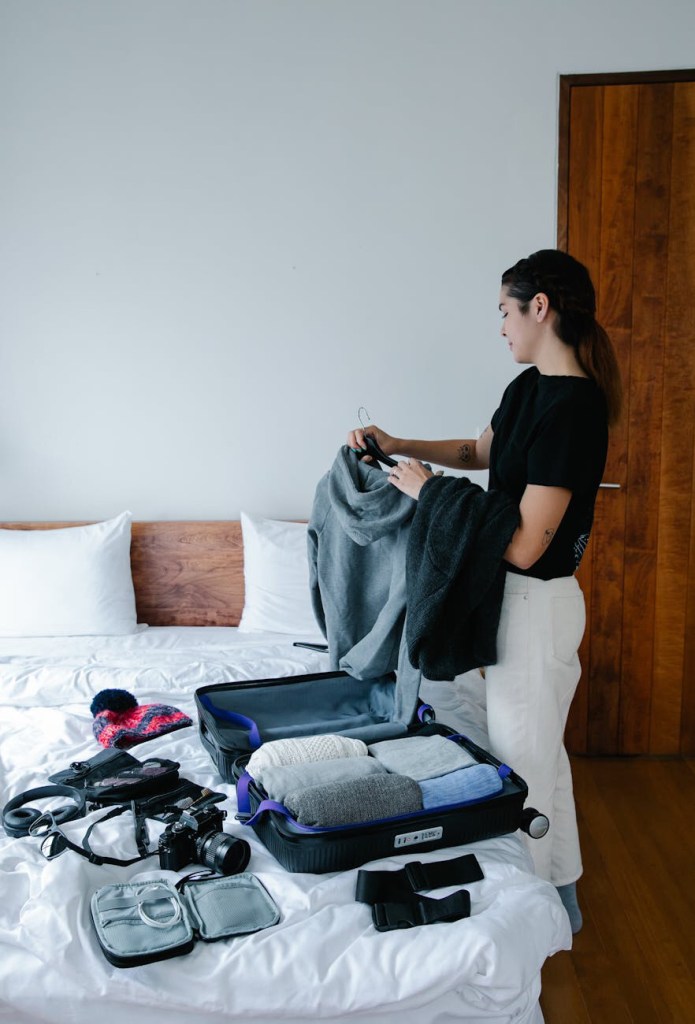
Planning a vacation or just returning from one? Your luggage is like a five-star hotel for bed bugs. They can hitch a ride on your bags and then set up a new residence in your closet or under your bed. To avoid this unpleasant souvenir, give your luggage a thorough inspection before bringing it into your home.

4. Within the Walls and Baseboards

Bed bugs are masters of stealth, often making their way into wall voids and under baseboards. They can travel through tiny cracks and gaps in search of new places to infest. The area behind baseboards is an especially sneaky location—out of sight, but not out of reach for these tiny invaders.

5. In Your Books and Magazines

If you’re an avid reader, bed bugs might be making themselves at home in your book collection. They can hide between the pages of your favorite novels and magazines. So, if you’re wondering why you’re feeling itchy while reading, it might be time to give those books a closer inspection.

6. Inside Your Appliances

Appliances might seem like an odd place for bed bugs, but think about it: they offer warmth and a dark environment. Bed bugs can nest in appliances like toasters, microwaves, and even inside the ventilation areas of refrigerators. It’s not a common hiding spot, but it’s worth checking if you’ve got a particularly stubborn infestation.

7. Under the Carpet Edges

Bed bugs might be tiny, but they’re not too tiny to notice the edges of your carpets. If you’ve got loose or fraying carpet edges, these can be prime real estate for bed bugs. They love to hide where it’s dark and undisturbed, making the edge of your carpet an ideal spot.

8. Underneath or Inside Drawer Handles

Bed bugs can squeeze into the small crevices inside and around drawer handles, especially if the handles are hollow or have gaps. It’s an often overlooked spot where they might make their home.

9. Inside Remote Controls and Electronics

The warmth and dark spaces inside remote controls, TVs, and other electronics can be attractive to bed bugs. They can sneak into these devices through small openings, making your gadgets an unlikely hiding spot.

10. Behind Loose Wallpaper

Loose or peeling wallpaper creates a space that’s perfect for bed bugs to hide. The gap between the wallpaper and the wall is an ideal environment for these pests to remain undetected.

11. In Stuffed Animals and Plush Toys

Stuffed animals and plush toys, especially those that aren’t frequently cleaned, can harbor bed bugs in their seams and stuffing. These cuddly toys can become unwitting hosts to these pests.

12. In Storage Bins and Boxes

Bed bugs can invade storage bins and boxes, particularly if they’re kept in dark and undisturbed areas like attics, basements, or closets. It’s important to inspect these areas if you suspect an infestation.

13. Underneath and Inside Furniture Legs

The crevices and hollow parts of furniture legs, especially if they are made of wood, can serve as a hiding spot for bed bugs. They can nest in these areas, hidden from plain sight.

14. Behind or Inside Curtain Rods

Curtain rods, with their small gaps and spaces, can be perfect for bed bugs to hide. They can nest behind or inside these rods, making them a sneaky hiding spot.

15. In Your Pet’s Bedding

Bed bugs can potentially hide in your pet’s bedding or the crevices of pet furniture. If you have pets, it’s a good idea to check their bedding regularly for any signs of infestation.

Conclusion

Bed bugs are the ultimate hide-and-seek champions, making it crucial to look beyond the obvious hiding spots. Keeping a vigilant eye on these unlikely places can help you catch and address infestations before they become a major problem. So, the next time you find yourself itching for no reason, remember: the bed bug might be hiding in your picture frames, electrical outlets, or even your favorite book. Stay vigilant and keep those pests guessing where you’ll look next!

For professional help, reach out to ECO Bed Bug at 202-709-7490 for your bed bug solution.

Banishing Bed Bugs Your Post-Heat Treatment Action Plan

Following a successful bed bug heat treatment, a comprehensive post-treatment protocol is essential for ensuring complete eradication and preventing reinfestation. This guide outlines the key steps to take for a successful recovery:

Allowing for Proper Heat Dissipation

• Adhere to Re-entry Guidelines: ECO Bed Bug Exterminators will advise you on a safe waiting period before re-entering the treated area. This crucial timeframe allows for thorough heat penetration, eliminating any remaining bed bugs or eggs.

Post-Treatment Cleaning and Sanitation

• Prioritize Ventilation: Once the re-entry window opens, prioritize ventilation. Open windows and doors to remove lingering heat and treatment odors.

• Implement a Meticulous Laundry Regimen: Wash all bedding. Utilize the highest water temperature setting possible (ideally exceeding 120°F or 49°C) and dry them on high heat for at least 30 minutes. For non-washable items, employ airtight plastic bag enclosures for several months to ensure bed bug suffocation.

• Thorough Vacuuming: This is your opportunity to eliminate deceased bed bugs and eggs. Vacuum carpets, furniture (including seams and tufts), mattresses, baseboards, and all cracks and crevices meticulously. Dispose of the vacuum bag immediately in a sealed outdoor trash receptacle.

Ongoing Monitoring and Preventative Measures

• Maintain Vigilant Inspections: While heat treatment boasts a high success rate, consistent monitoring is crucial. Regularly inspect mattresses, furniture, and luggage for live bed bugs or shed skins.

• Encase Vulnerable Areas: Utilize specially designed, tightly woven covers to encase your mattress and box spring. These act as a barrier, trapping any surviving bed bugs and preventing future infestations.

• Minimize Clutter Havens: Bed bugs thrive in cluttered environments. Reduce potential hiding spots by minimizing clutter around your bed and furniture. Utilize elevated luggage racks and avoid storing clothes on the floor.

• Long-Term Maintenance: Upholding a clean environment is vital for preventing future infestations. Regularly vacuum, wash bedding in hot water, and address any cracks or gaps in walls or furniture.

Proactive Tip: Consider implementing mattress interceptor traps. These small devices placed under mattress legs can effectively trap bed bugs and serve as an indicator of ongoing activity.

Remember: If you detect any signs of bed bug activity after treatment, promptly contact us. By adhering to this post-treatment protocol and maintaining vigilance, you can achieve a lasting bed bug-free environment and reclaim a peaceful sleep.

Frequently Asked Questions About Bed Bugs

At ECO Bed Bug Exterminators, we understand the concerns and questions that arise when dealing with bed bugs. Here are some of the most frequently asked questions we encounter:

What Do Bed Bugs Look Like?

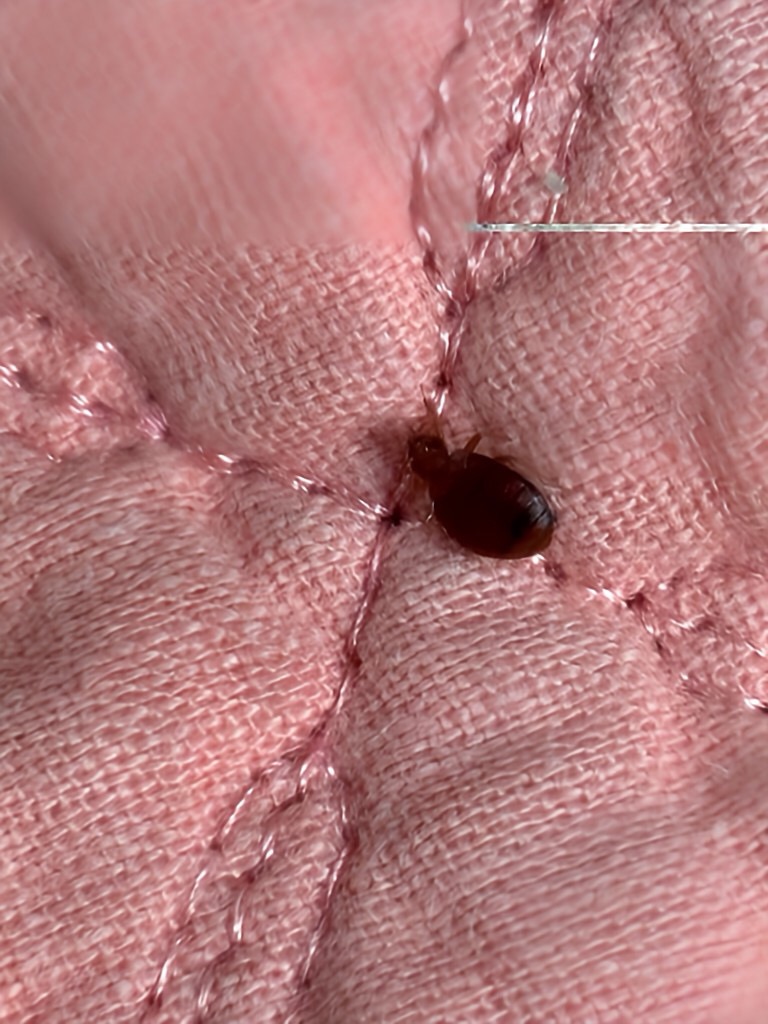
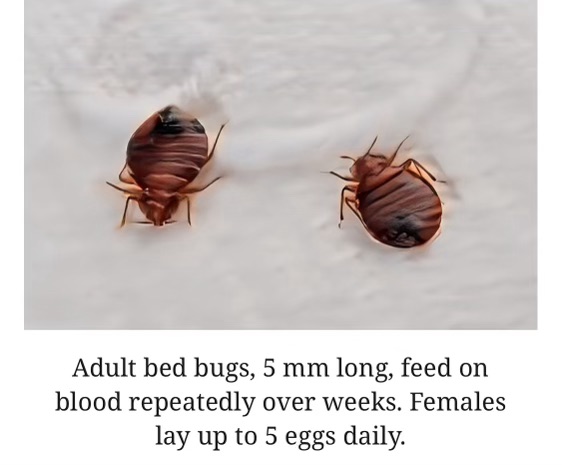
Bed bugs are small, reddish-brown insects with flat, oval-shaped bodies. Adult bed bugs are about the size of an apple seed, measuring approximately 5-7 mm in length. They have six legs, two antennae, and are wingless. Newly hatched bed bugs, known as nymphs, are translucent or whitish-yellow and are much smaller, making them harder to see.

How Can I Tell If I Have Bed Bugs?

Identifying a bed bug infestation can be challenging due to their small size and nocturnal habits. Common signs of bed bugs include:

Bite Marks: Small, red, itchy welts on the skin, often in a line or cluster.

Blood Stains: Small, rusty spots on bed sheets, mattresses, or furniture.

Exoskeletons: Shed skins from growing bed bugs.

Fecal Spots: Tiny black or dark brown spots on bedding, mattresses, or walls.

Musty Odor: A sweet, musty smell, particularly in severe infestations.

How to Identify Bed Bug Bites

Bed bug bites can vary in appearance from person to person, but common characteristics include:

Red, Itchy Welts: Bites often appear as red, raised welts that are itchy and may have a darker red spot in the middle.

Linear Pattern: Bites often occur in a line or cluster, commonly known as “breakfast, lunch, and dinner” patterns, due to the bed bug’s feeding behavior.

Exposed Skin: Bites typically occur on areas of skin exposed while sleeping, such as the face, neck, arms, and hands.

How Did I Get Bed Bugs?

Bed bugs are excellent hitchhikers and can be brought into your home in various ways:

Travel: Staying in infested hotel rooms or using public transportation.

Second-Hand Furniture: Bringing in used mattresses, furniture, or clothing.

Visitors: Guests unknowingly carrying bed bugs into your home.

Multi-Unit Housing: Bed bugs can move between apartments or rooms through walls, floors, and ceilings.

How Can I Get Rid of Bed Bugs?

Eliminating bed bugs requires a thorough and multi-faceted approach:

1. Inspection: Identify all infested areas.

2. Cleaning: Wash and dry bedding, clothing, and curtains at high temperatures. Vacuum your home, including mattresses, carpets, and furniture.

3. Declutter: Reduce hiding places by getting rid of clutter.

4. Encasements: Use bed bug-proof mattress and box spring encasements.

5. Professional Treatment: Hire a pest control professional to apply insecticides or heat treatments.

6. Monitoring: Use bed bug traps to monitor the situation post-treatment.

Can Bed Bugs Cause Health Problems or Spread Diseases?

While bed bugs are not known to spread diseases, their bites can cause several health issues:

Allergic Reactions: Some people may develop severe allergic reactions to bed bug bites.

Infections: Scratching bites can lead to secondary skin infections.

Sleep Issues: The presence of bed bugs can cause anxiety, insomnia, and sleep disturbances.

What Are the Signs of a Bed Bug Infestation?

Key indicators of a bed bug infestation include:

Live Bugs: Seeing live bed bugs on mattresses, bed frames, or furniture.

Bites: Experiencing bites, especially after waking up.

Fecal Spots: Finding dark spots on bedding and furniture.

Eggs and Shells: Discovering tiny, pale eggs or shed exoskeletons.

Where Do Bed Bugs Typically Hide?

Bed bugs prefer to hide in close proximity to their feeding sources. Common hiding places include:

Mattresses and Box Springs: Along seams, tufts, and folds.

Bed Frames and Headboards: In cracks and crevices.

Furniture: Inside cushions, seams, and under cushions.

Walls and Baseboards: In cracks, outlets, and behind wall hangings.

Do Bed Bugs Only Live in Beds?

No, bed bugs do not only live in beds. They can infest a variety of places, including:

Couches and Chairs: Inside and under cushions.

Curtains: Along the seams and folds.

Luggage and Bags: Inside pockets and seams.

Clothing: In piles of clothes or closets.

Electrical Outlets: Inside outlets and behind switch plates.

Do Bed Bugs Mean I Have a Dirty Home?

Having bed bugs is not necessarily a sign of a dirty home. Bed bugs can infest clean and tidy spaces just as easily as cluttered ones. However, clutter provides more hiding spots, making it harder to eliminate an infestation.

What Steps Should I Take If I Suspect a Bed Bug Infestation?

If you suspect you have bed bugs, follow these steps:

1. Inspect: Check your bedding, furniture, and other common hiding places for signs of bed bugs.

2. Contain: Isolate infested items in plastic bags or bins to prevent spreading.

3. Clean: Wash and dry affected items at high temperatures.

4. Vacuum: Thoroughly vacuum your home, especially around infested areas.

5. Contact Professionals: Reach out to a licensed pest control service for treatment.

How Can I Prevent Bed Bugs from Coming Back After Treatment?

To prevent a recurrence of bed bugs:

Regular Inspections: Periodically check for signs of bed bugs.

Avoid Used Items: Be cautious with second-hand furniture and clothing.

Travel Caution: Inspect hotel rooms and keep luggage off the floor.

Encasements: Use mattress and box spring encasements.

Declutter: Keep your home tidy to reduce hiding places.

Seal Cracks: Repair cracks in walls, floors, and furniture.

At ECO Bed Bug Exterminators, we’re committed to providing comprehensive solutions for bed bug control. By understanding the signs, prevention methods, and treatment options, you can protect your property and ensure peace of mind. Contact us today at (410) 929-3420 for expert advice and assistance in managing bed bug infestations effectively.

The Unwelcome Roommates You Never Invited

Welcome back, college students! As you settle into your dorm room and embark on another academic adventure, let’s discuss a less thrilling aspect of campus life: bed bugs. These tiny, blood-sucking critters can quickly turn your cozy abode into a nightmare.

Spotting the Enemy

Bed bugs are masters of disguise. About the size of an apple seed, these reddish-brown or yellowish insects are experts at hiding in mattress seams, box springs, furniture crevices, and even electrical outlets. Think of them as the stealthy ninjas of the insect world.

Signs of Infestation

If you suspect a bed bug invasion, keep an eye out for these telltale signs:

  • Itchy Red Bites: Waking up with mysterious, itchy red bumps could be a sign of bed bug activity. These bites often appear in clusters or lines.
  • Blood Stains: These nocturnal feeders leave behind evidence. Check your sheets for tiny, reddish spots.
  • Shedding Skins: As bed bugs grow, they shed their exoskeletons. Finding these tiny, translucent shells is a clear indication of a problem.
  • Musty Odor: A sweet, musty smell might signal a growing bed bug population. It’s like they’re trying to warn you, but in the most unpleasant way possible.
  • Live Bed Bugs: While rare, seeing an actual bed bug is a definite sign of infestation. They are typically reddish-brown and flat, but can become engorged with blood after feeding.

Prevention is Your Best Defense

Proactive measures can help deter these unwanted guests:

  • Inspect Your Belongings: Before moving into your dorm, give your luggage and belongings a thorough inspection. Bed bugs are notorious hitchhikers. Pay close attention to seams and folds in fabric items.
  • Maintain a Clean Environment: Regularly wash your bedding in hot water and vacuum your room frequently, paying special attention to corners, crevices, and furniture.
  • Be Wary of Secondhand Furniture: Avoid bringing used furniture into your dorm. You never know what uninvited guests might be lurking inside.
  • Use Protective Covers: Consider investing in mattress and pillow covers with zippered enclosures to create a barrier against bed bugs.
  • Educate Your Roommates: A united front is essential in the battle against bed bugs. Encourage your roommates to practice good hygiene and inspect their belongings regularly.

What to Do if You Find Bed Bugs

If you discover signs of a bed bug infestation, don’t panic. Instead, take these steps:

  • Inform Your Resident Advisor: Your RA is your first line of defense. They can provide guidance and support.
  • Document the Infestation: Take photos of the bed bugs and any evidence of their presence. This documentation will be helpful when dealing with your school or landlord.
  • Pack Your Essentials: You might need to temporarily relocate while your room undergoes a thorough cleaning. Avoid bringing infested items with you.
  • Seek Professional Help: For severe infestations, consider contacting a professional pest control service. They have the expertise and equipment to effectively eliminate bed bugs.

Remember, while bed bugs can be a frustrating and stressful experience, they are not unsolvable. By staying vigilant and taking appropriate action, you can regain control of your living space.

Bonus Tip: If you’re moving out at the end of the semester, don’t leave any belongings behind. Bed bugs can survive for months without feeding, so abandoned items can become breeding grounds.

How Bed Bugs Can Affect Outdoor Living Spaces: A Creepy Crawly Conundrum

When you think of bed bugs, you probably picture them snuggled up in your mattress, plotting their next midnight snack. But did you know these tiny pests can also wreak havoc on your outdoor living spaces? Buckle up for a bumpy ride as we explore how bed bugs can turn your garden party into a horror show and what you can do to prevent this creepy invasion!

The Outdoor Undercover Operation

Bed bugs are known for their stealthy ways, but did you know they’re also capable of staging a covert operation in your outdoor living areas? While these pests prefer indoor environments where they have easy access to a meal (you!), they’re not completely adverse to venturing outside. If you’ve got a cozy outdoor patio, a deck, or a gazebo, bed bugs might find their way there if the conditions are just right.

The Great Outdoors: A Risky Business

Imagine you’re hosting a summer BBQ, and while you’re busy flipping burgers and mixing drinks, bed bugs are enjoying their own outdoor feast. Though less common, these critters can hitch a ride from inside to outside, especially if you have furniture, cushions, or throws that are frequently used indoors and moved outside. Here’s how bed bugs can ruin your outdoor fun:

1. Cushion Conflicts: If you’ve moved your comfy indoor cushions to your patio, be aware that bed bugs could be making themselves at home in those cushions. They might be hiding in the seams, just waiting for an opportunity to jump ship and join the party.

2. Furniture Fiascos: Outdoor furniture that has been stored inside during the off-season or recently bought second-hand could be a bed bug hotspot. Bed bugs don’t discriminate based on furniture type, so your stylish outdoor chair could be their new favorite spot.

3. Fabric Frenzy: Outdoor fabrics, such as those used for curtains, tablecloths, and even umbrellas, can also be a hiding place for these pests. Bed bugs love to snuggle up in fabric folds and seams, and they can hitch a ride to your outdoor area without you even knowing.

4. Traveling Bed Bugs: Be mindful that bed bugs can hitchhike on clothing and personal items. If guests bring items from inside to the outdoor space, these critters could potentially spread.

5. Seasonal Considerations: Bed bugs are more active during warmer months, making outdoor areas more vulnerable when the temperature rises. Keep an eye out for any signs of infestation, especially during the summer.

6. Outdoor Storage: Don’t overlook outdoor storage areas like sheds or garages where items might be kept. Bed bugs can easily hide in these spaces and travel with stored items.

The Creepy Crawly Checklist

So, how do you keep these pesky interlopers from crashing your outdoor shindig? Here’s a handy checklist to keep your outdoor space bed bug-free:

1. Inspect and Protect: Regularly check your outdoor furniture and cushions for signs of bed bugs. Look for tiny brown spots (bed bug droppings), shed skins, or even the bugs themselves.

2. Clean and Clean Again: Regularly clean and vacuum outdoor fabrics and cushions. If possible, wash them in hot water and dry them on high heat, as bed bugs can’t survive those conditions.

3. Use Bed Bug-Resistant Covers: Consider using bed bug-resistant covers for your outdoor cushions and furniture. These can act as a barrier, making it harder for bed bugs to invade.

4. Limit Indoor-Outdoor Traffic: Try to minimize the movement of indoor items to your outdoor areas. If you must move things, inspect them thoroughly before bringing them back inside.

5. Professional Help: If you suspect a bed bug invasion has already taken place, don’t hesitate to call in the professionals. They can provide a thorough inspection and effective treatment options.

6. Preventative Treatments: There are bed bug repellents and treatments specifically designed for outdoor use that can provide an extra layer of protection. Consider using them to bolster your defense.

7. Community Awareness: Collaborate with neighbors or local community groups to raise awareness about bed bugs and share preventative tips. A collective effort can help manage the problem on a broader scale.

Don’t Let Bed Bugs Steal Your Outdoor Bliss

While bed bugs may be more commonly associated with indoor environments, they can indeed make their way outside if given the chance. By staying vigilant and following the above tips, you can enjoy your outdoor spaces without the unwanted company of these tiny bloodsuckers. So, next time you’re hosting an outdoor event, you’ll be the one enjoying the party—bed bug-free!

Remember, a little prevention goes a long way. Keep those outdoor spaces as enjoyable and bug-free as your indoor sanctuary, and you’ll be able to focus on the fun rather than the fear of an unexpected invasion. Cheers to a pest-free outdoor season!

Bed Bug Bon Voyage How to Avoid These Pesky Hitchhikers on Your Cruise

Cruise line vacations offer a perfect blend of relaxation, adventure, and luxury. However, like any form of travel, they come with their own set of potential inconveniences, one of which is the possibility of encountering bed bugs. These tiny pests can quickly turn a dream vacation into a nightmare. In this guide, we’ll delve into how to avoid bed bugs on cruise ships, what to do if you encounter them, and steps you can take to prevent bringing them home.

Understanding Bed Bugs

Bed bugs are small, reddish-brown insects that feed on the blood of humans and animals. They are nocturnal and hide in cracks and crevices during the day, making them hard to spot. They can be found in various places, including hotels, homes, and cruise ships.

Why Bed Bugs on Cruise Ships?

Cruise ships are bustling environments with high passenger turnover, making them susceptible to bed bug infestations. Passengers from different parts of the world can inadvertently bring bed bugs on board, where they can quickly spread if not promptly addressed.

Before You Board Preparation Tips

1. Research Your Cruise Line: Look for reviews and reports of bed bug incidents. Reputable cruise lines often have stringent pest control measures in place.

2. Pack Smart: Use hard-sided luggage instead of fabric suitcases, as bed bugs find it harder to cling to hard surfaces. Consider packing your belongings in sealable plastic bags within your luggage.

3. Travel Insurance: Ensure your travel insurance covers bed bug incidents, including medical treatment and reimbursement for damaged belongings.

Upon Arrival Inspecting Your Cabin

1. Initial Inspection: Upon entering your cabin, place your luggage in the bathroom or on a hard surface away from the bed.

2. Check the Bed: Inspect the mattress seams, headboard, bed frame, and under the mattress for any signs of bed bugs, such as dark spots, shed skins, or the bugs themselves.

3. Furniture and Upholstery: Examine upholstered furniture, curtains, and any other fabric surfaces for signs of bed bugs.

4. Luggage Stand: Use a luggage stand to keep your suitcase off the floor and away from the bed.

During Your Stay Vigilance and Hygiene

1. Keep Belongings Elevated: Store your luggage on the luggage stand and keep personal items in sealed bags.

2. Regular Inspections: Periodically check your sleeping area and belongings for any signs of bed bugs.

3. Report Immediately: If you find any signs of bed bugs, notify the ship’s staff immediately. Most cruise lines have protocols in place to handle such incidents promptly.

Disembarking Preventing Bed Bugs from Coming Home

1. Inspect Luggage: Before leaving the ship, inspect your luggage and belongings for any signs of bed bugs.

2. Isolate Belongings: Upon returning home, keep your luggage in a garage or outside the living area until you can thoroughly inspect and clean it.

3. Launder Clothes: Wash all your clothes in hot water and dry them on high heat, even those you didn’t wear, to kill any potential bed bugs.

What to Do If You Encounter Bed Bugs

1. Immediate Action: If you suspect a bed bug infestation, report it to the cruise staff immediately. Request a cabin change if necessary.

2. Documentation: Take pictures of any bed bugs or evidence you find and keep records of your reports and any actions taken by the cruise line.

3. Seek Medical Attention: If you experience bites, seek medical attention from the ship’s medical staff.

Additional Tips and Insights

Choosing Your Cruise Wisely

1. Cruise Line Policies: Check if the cruise line has a specific bed bug policy or pest control measures listed on their website. Cruise lines with transparent and proactive measures are usually more reliable.

2. Cabin Selection: Opt for newer ships or recently refurbished cabins when possible. These are less likely to have bed bug infestations due to more recent and frequent inspections and treatments.

Packing Essentials

1. Bed Bug Spray: Consider bringing a bed bug travel spray that is safe for use on mattresses and luggage. These can offer an extra layer of protection.

2. Portable Steamer: A portable steamer can be useful for treating clothes and luggage, as bed bugs cannot survive high temperatures.

3. Plastic Bags: Pack extra sealable plastic bags to keep dirty and clean clothes separate, reducing the chances of bed bugs spreading.

In-Cabin Practices

1. Minimal Unpacking: Consider keeping most of your belongings in your suitcase rather than unpacking into drawers or closets, reducing the surface area for potential bed bugs to infest.

2. Daily Cleaning: Maintain cleanliness in your cabin. Vacuum sealed travel bags for dirty clothes can minimize the risk of spreading bed bugs.

If Bed Bugs Are Found

1. Quarantine Procedures: If bed bugs are found, ask the staff about their quarantine and pest control procedures. The ship should offer thorough cleaning and quarantine protocols to prevent the spread.

2. Compensation: Discuss compensation for the inconvenience, such as cabin upgrades, onboard credits, or even partial refunds, depending on the severity of the issue.

Post-Cruise Measures

1. Heat Treatment: Use a heat treatment bag for your luggage if available. These devices are designed to heat items to a temperature that kills bed bugs.

2. Professional Inspection: Consider having your home inspected by a pest control professional after your trip, especially if you suspect any bed bugs may have traveled home with you.

Staying Informed

1. Travel Forums and Reviews: Regularly check travel forums and review sites like TripAdvisor for recent reports of bed bug encounters on specific cruise lines or ships.

2. Education: Stay educated about bed bugs – knowing what to look for and how to handle potential infestations can significantly reduce stress and improve your response time.

Mental Preparedness

1. Stay Calm: If you do encounter bed bugs, staying calm and methodical in your approach will help you manage the situation effectively without letting it ruin your vacation.

2. Awareness: Remember that bed bugs, while annoying, are not known to transmit diseases. Focusing on prompt action and professional help will mitigate the issue.

Conclusion

While the thought of bed bugs can be unsettling, being prepared and vigilant can help you avoid these pests and enjoy a worry-free cruise vacation. By following these steps before, during, and after your cruise, you can minimize the risk of encountering bed bugs and ensure your journey remains enjoyable and stress-free.

Bon voyage and happy cruising!

Why You Should Never Unpack Your Suitcase Right After A Trip

Traveling can be an exhilarating experience, filled with new sights, sounds, and memories. However, returning home from a trip also brings a certain level of urgency to resume normal life as quickly as possible. One common practice many travelers follow is unpacking their suitcase as soon as they get home. While this might seem like an efficient way to settle back into your routine, it can lead to an unexpected and unpleasant consequence: bed bugs.

The Hidden Hitchhikers: Bed Bugs

Bed bugs are small, elusive pests that can easily hide in the seams and folds of your luggage. These tiny insects are experts at hitchhiking, and once they latch onto your belongings, they can quickly spread throughout your home. Bed bugs are attracted to warmth and the carbon dioxide we exhale, making them especially fond of our living spaces.

The Risks of Immediate Unpacking

1. Spread of Infestation: Unpacking your suitcase right away in your bedroom or living area can inadvertently introduce bed bugs to your home. These pests can quickly migrate from your luggage to your furniture, bedding, and clothing.

2. Difficult Detection: Bed bugs are notoriously difficult to spot. They are small, nocturnal, and can hide in the tiniest of crevices. Unpacking in a rush means you might miss the early signs of an infestation, allowing the problem to escalate.

3. Costly and Time-Consuming Treatment: Once bed bugs have infiltrated your home, getting rid of them can be both expensive and time-consuming. Professional extermination services are often required, and multiple treatments may be necessary to fully eradicate the infestation.

Steps to Prevent Bringing Bed Bugs Home

1. Inspect Your Hotel Room: Before settling in, carefully inspect your hotel room for signs of bed bugs. Check the mattress seams, headboard, and upholstered furniture for tiny, reddish-brown insects or dark spots (bed bug excrement).

2. Use Luggage Racks: Keep your suitcase off the floor and bed by using luggage racks. Bed bugs are less likely to reach your luggage if it’s elevated.

3. Pack Smart: Store your belongings in sealed plastic bags inside your suitcase. This adds an extra layer of protection against bed bugs infiltrating your clothing and other items.

4. Launder Clothing Immediately: As soon as you get home, launder all clothing from your suitcase on the highest heat setting possible. Bed bugs and their eggs cannot survive high temperatures.

5. Vacuum Your Suitcase: Thoroughly vacuum your suitcase, paying close attention to seams and pockets. Dispose of the vacuum bag or contents immediately after use.

6. Inspect Your Luggage: Before bringing your suitcase into your home, inspect it carefully for any signs of bed bugs. Use a flashlight to look into the nooks and crannies.

The Best Practice: Unpack with Caution

Instead of rushing to unpack your suitcase in your bedroom or living room, consider unpacking in a more controlled environment, such as a garage or laundry room. This allows you to carefully inspect and clean your belongings without the risk of introducing bed bugs into your main living areas.

1. Unpack in a Controlled Area: Choose a space where bed bugs are less likely to spread, such as a garage or laundry room. Lay out a clean, light-colored sheet to help you spot any insects.

2. Sort and Inspect: Take each item out one by one, inspecting them for any signs of bed bugs. Shake out clothing and other items before bringing them inside.

3. Immediate Laundry: Transfer clothing directly to the washing machine and use the highest heat setting appropriate for the fabric. This will kill any potential bed bugs or eggs.

4. Vacuum and Clean: After unpacking, thoroughly vacuum the area where you unpacked your suitcase and clean the suitcase itself. Pay special attention to seams and pockets.

Final Thoughts

While the urge to unpack immediately after a trip is understandable, taking a few extra precautions can save you from the headache and expense of a bed bug infestation. By following these simple steps, you can enjoy the memories of your travels without the unwelcome souvenirs that bed bugs can bring. Remember, a little caution goes a long way in keeping your home safe and pest-free.

If you suspect a bed bug infestation, reach out to ECO Bed Bug at 410.324.6223. ECO will work with you to develop a customized solution to address your needs.

Stay Vigilant While Traveling and Avoid Bringing Bed Bugs Home

When it comes to traveling, the last thing you want to bring back as a souvenir is an unwanted guest – bed bugs. These pesky insects are notorious for hitchhiking their way into our homes through luggage, clothing, and other personal items. To ensure your travels are bug-free, here are some essential tips to stay vigilant and prevent bed bugs from becoming unwelcome travel companions.

1. Inspect Your Lodging:

Before you settle into your accommodation, take a few minutes to thoroughly inspect the room. Start by checking the mattress seams, bed frame, and headboard for any signs of bed bug infestation, such as tiny reddish-brown bugs, shed skins, or small dark spots. If you notice anything suspicious, request a room change immediately.

2. Elevate Your Luggage:

Bed bugs are skilled climbers, so keeping your luggage off the floor and elevated on luggage racks or stands can help reduce the risk of them crawling into your bags. Use hard-shelled suitcases if possible, as they are more resistant to bed bug penetration.

3. Keep Items Sealed:

Pack your clothing and personal items in sealed plastic bags or travel organizers to prevent bed bugs from making their way into your belongings. This extra layer of protection can make it harder for them to establish a hiding spot.

4. Avoid Using Hotel Drawers:

While it might be tempting to unpack your clothes into the hotel drawers, it’s best to keep your items inside your sealed bags or luggage. Bed bugs often find their way into drawers and other furniture, so keeping your belongings contained can help prevent their spread.

5. Do Laundry After Travel:

Once you return from your trip, wash all your travel clothes, including those you didn’t wear, in hot water. High temperatures can kill any potential bed bugs or eggs that may have hitched a ride.

6. Quarantine Your Luggage:

If you suspect you’ve encountered bed bugs during your travels, it’s a good idea to quarantine your luggage in a separate area of your home. Avoid bringing your bags into bedrooms or other living spaces until you’ve thoroughly inspected and treated them.

7. Inspect Souvenirs and Items:

Bed bugs are opportunistic and can hide in unexpected places. When you bring souvenirs or new items into your home, inspect them thoroughly before placing them in your living areas.

8. Prevention at Home:

Even after taking precautions while traveling, it’s wise to continue being vigilant at home. Regularly inspect your bedding, furniture, and other potential hiding spots for any signs of bed bug infestation. Early detection is key to preventing a major problem.

Your travel adventures should bring back cherished memories, not bed bugs. By staying vigilant, taking preventive measures, and practicing thorough inspections, you can greatly reduce the risk of bringing these pests home with you. Remember, a little caution can go a long way in safeguarding your living space from unwanted intruders. So, travel smart, stay alert, and keep those bed bugs at bay!

If you suspect a bed bug infestation, reach out to ECO Bed Bug at 410.324.6223. ECO will work with you to develop a customized solution to address your needs.

The Hidden Haven: How Clutter Can Harbor Bed Bugs

Clutter, the seemingly innocuous accumulation of items in our homes, is not just an eyesore; it can also be a haven for bed bugs, those pesky little blood-sucking pests that love to make themselves at home in our beds and furniture. In this blog, we’ll explore what clutter is, why bed bugs are drawn to it, how clutter can make bed bugs harder to find, and some practical tips and hacks to reduce clutter and minimize the risk of a bed bug infestation.

What is clutter?

Clutter is any collection of items that are disorderly or untidy, often taking up unnecessary space in our living environments. It can range from stacks of old newspapers and magazines to piles of clothes, toys, and household items that haven’t found their proper place. Clutter can accumulate over time due to busy lifestyles, procrastination, or simply holding onto things we no longer need.

Why do bed bugs love clutter?

Bed bugs are attracted to clutter for a few reasons:

1. Hiding Spots: Clutter provides numerous hiding spots for bed bugs to nest and reproduce. Piles of clothes, stacks of papers, and cluttered furniture offer ideal hiding places where bed bugs can remain undisturbed until it’s time to feed.

2. Easy Access to Hosts: Bed bugs are nocturnal creatures that feed on human blood. Clutter near sleeping areas provides easy access to their hosts, allowing them to feed without having to travel far.

3. Protection from Detection: Clutter can make it difficult to spot the signs of a bed bug infestation. Their small size and secretive behavior mean they can easily go unnoticed amidst piles of belongings, delaying detection and treatment.

Is bed bugs harder to find due to clutter?

Yes, clutter can make it significantly harder to detect and eradicate bed bugs for several reasons:

1. Camouflage: Bed bugs are experts at hiding, and clutter provides the perfect camouflage. They can burrow deep into piles of clothes, bedding, or other items, making it challenging to spot them with the naked eye.

2. Obstructions: Clutter can create barriers that make it difficult to access potential hiding spots or inspect for signs of bed bugs. Piles of belongings may need to be moved or sorted through, adding time and effort to the detection process.

3. Limited Treatment Options: Clutter can also limit the effectiveness of treatment methods. Sprays and insecticides may not penetrate deep into cluttered areas, leaving bed bugs undisturbed and allowing infestations to persist.

Tips and hacks to reduce clutter

1. Declutter Regularly: Make decluttering a regular part of your routine. Set aside time each week to go through different areas of your home and remove items you no longer need or use.

2. Organize and Store: Invest in storage solutions such as bins, baskets, and shelving to keep belongings organized and off the floor. Proper storage can help prevent clutter from accumulating and create fewer hiding spots for bed bugs.

3. Minimize Paper Piles: Go digital whenever possible to reduce the amount of paper clutter in your home. Scan important documents and opt for electronic bills and statements to minimize paper piles that can attract bed bugs.

4. Limit Multipurpose Furniture: While multipurpose furniture can be convenient, it also tends to accumulate clutter. Opt for furniture with simple designs and minimal storage to prevent bed bugs from finding hiding spots.

5. Regular Cleaning: Keep your home clean and tidy to discourage bed bugs from taking up residence. Vacuum regularly, wash bedding and curtains frequently, and dust hard-to-reach areas to eliminate potential hiding spots.

By reducing clutter in your home, you can not only create a more organized and inviting living space but also minimize the risk of a bed bug infestation. Remember, a clutter-free home is not just aesthetically pleasing—it’s also less hospitable to unwanted guests like bed bugs.