
🎁 The 12 Days of Bed Bug Prevention: Daily Tips to Protect Your Home

Stay bed bug–free this holiday season with 12 simple prevention tips from ECO Bed Bug Exterminators Baltimore. Keep your home cozy, guest-ready, and pest-free with professional advice and proven tools.

🎶 On the First Day of Christmas, My True Love Gave to Me… a Bed Bug-Free Home!

December is full of joy, travel, and family gatherings — but also plenty of opportunities for uninvited guests (the six-legged kind). Bed bugs love warmth, luggage, and cozy homes just as much as we do, which makes the holiday season a perfect time to brush up on prevention.

So instead of caroling about partridges in pear trees, let’s count down the 12 Days of Bed Bug Prevention — your easy, cheerful guide to keeping these pests away all winter long.

🧳 Day 1: Inspect Holiday Luggage

Before and after any trip, check the seams and zippers of your suitcases. Bed bugs often hitchhike home from hotels, airports, and even rideshares. Store luggage in plastic bins or sealed bags — never directly on your bed or carpet.

🏨 Day 2: Travel Smart, Sleep Smarter

Staying in a hotel or rental? Do a quick 60-second bed check: pull back the sheets and look at mattress corners for black dots or reddish smears. A flashlight from your phone works perfectly. If you see anything suspicious, request another room far from the one you inspected.

🛏️ Day 3: Use Mattress and Box Spring Encasements

Encasements seal out bed bugs and make spotting them a breeze. They also protect your mattress investment long-term.

ECO recommends:

• 🛏️ SureGuard Mattress Encasement (Queen)

• 🪲 SureGuard Box Spring Encasement

Install them on every bed in your home, especially guest rooms before company arrives.

🪳 Day 4: Add Bed Bug Interceptors Under Bed Legs

Interceptors are small traps that catch bed bugs as they climb. They’re discreet, inexpensive, and incredibly effective for early detection.

Try:

  •      ECOPEST Bed Bug Interceptors

Check them once a week — if they stay empty, you can relax with your hot cocoa in peace.

🧺 Day 5: Wash and Dry on High Heat

After guests leave or luggage returns home, wash all bedding, clothing, and travel items on the highest safe heat setting. Dryers are your best defense — 30 minutes on high heat kills all life stages of bed bugs, from eggs to adults.

🛋️ Day 6: Check Couches and Recliners

Bed bugs don’t just live in beds. They can hide in seams of couches, recliners, and even behind baseboards. If you’re noticing bites while watching holiday movies, it may be time for a professional inspection.

🧹 Day 7: Declutter Like You Mean It

Bed bugs love clutter — it gives them more hiding spots. Before decorating or hosting, tidy up bedrooms and living spaces. Focus on under-bed storage and piles of clothes or papers. (Bonus: you’ll finally find where last year’s wrapping paper disappeared!)

🐾 Day 8: Be Cautious with Pet Beds

While bed bugs don’t live on pets, they can hide in pet bedding or near crates. Wash your pet’s bedding on high heat regularly, and avoid placing it against your bed or couch.

🧠 Day 9: Know the Early Warning Signs

Early detection is everything. Watch for:

• Tiny dark droppings or reddish stains on bedding

• Shed exoskeletons (translucent shells)

• Clusters of itchy bites that appear overnight

If you’re not sure what you’re seeing, snap a clear photo and email it to ecollcbedbugs@gmail.com or text it to 410-929-3420. ECO’s experts can identify the issue quickly.

🏡 Day 10: Schedule a Preventive Inspection

Even if you haven’t seen activity, a professional bed bug inspection (link placeholder) offers peace of mind — especially before the holidays. Our trained technicians can check every room visually or with canine assistance.

💨 Day 11: Consider a Preventive Treatment

For frequent travelers or households with guests, a bio-fungicide treatment creates a protective barrier that kills bed bugs on contact for up to 90 days.

It’s discreet, safe once dry, and perfect for keeping your home protected throughout the winter season.

😂 Day 12: Laugh It Off (and Stay Vigilant)

Because let’s face it — everyone’s stressed enough this time of year. The key is staying informed, not fearful. Bed bugs aren’t a reflection of cleanliness; they’re just opportunistic hitchhikers.

So pour yourself some cocoa, take a deep breath, and remember: prevention beats panic every time.

And if you ever need a little backup? ECO Bed Bug Exterminators is only a call or text away.

✨ Bonus: Quick Bed Bug Prevention Checklist

✅ Inspect luggage before and after travel

✅ Use encasements on all beds 

✅ Place interceptors under bed and sofa legs 

✅ Wash and dry bedding on high heat

✅ Keep clutter to a minimum

✅ Schedule your professional inspection 

💬 Final Thoughts

Whether you’re hosting family, traveling, or cozying up for the season, a few simple habits can make all the difference. These 12 days of prevention aren’t just catchy — they’re your secret to staying comfortable and confident all year long.

Start the new year fresh, safe, and bed bug–free.

🪲 Ready to Protect Your Home?

ECO Bed Bug Exterminators offers expert bed bug inspections and preventive treatments in Baltimore and surrounding counties. Our team specializes exclusively in bed bugs — no gimmicks, no guesswork, just proven results.

Schedule your inspection today and enjoy a cozy, pest-free home for the holidays.

Have questions? Email a photo of what you’re seeing to ecollcbedbugs@gmail.com or text us at 410-929-3420 for quick professional feedback.

Bed Bugs at 30,000 Feet: Are They More Common on Planes Than We’d Like to Admit?

When you think about air travel, you probably imagine cramped seats, overpriced snacks, and maybe a crying baby or two. What you don’t picture is bed bugs catching a free ride alongside you. Unfortunately, these persistent little pests may be hitching more flights than most people care to admit.

Recent Reports of Bed Bugs on Airplanes

Bed bugs on planes aren’t just an urban legend—they’ve been making headlines recently. Here are a few notable examples:

    â€˘    Turkish Airlines:

    â€˘    In March 2024, a traveler flying from Johannesburg to Istanbul spotted a bed bug crawling on her seat.

    â€˘    In October 2024, passengers on a flight from Istanbul to San Francisco saw bed bugs falling from the ceiling, prompting seat changes.

    â€˘    On another flight from Washington Dulles to Istanbul, a passenger found bed bugs on her blanket and pillow, resulting in multiple bites.

    â€˘    American Airlines:

    â€˘    In October 2024, a first-class passenger on a flight from New York’s LaGuardia to Detroit reported a bed bug crawling up their leg during the flight.

These incidents highlight the challenges airlines face in preventing and addressing bed bug infestations. With high passenger turnover and quick turnaround times between flights, these pests can easily spread undetected. While such occurrences are relatively rare, they underscore the importance of vigilance when traveling.

The Stowaways You Never Invited

Bed bugs are excellent travelers—better than most of us, in fact. With their small, flat bodies and stealthy habits, they can slip into luggage, clothing, and even upholstery without detection. Planes, with their tightly packed seats and constant turnover of passengers, provide an ideal environment for these critters to spread.

Imagine it: a red-eye flight where the passenger in Row 12 is carrying more than just their carry-on. Bed bugs can crawl from their belongings onto the seat, where they patiently wait for their next unsuspecting host. And no, the fact that you’re flying first class doesn’t make you immune. Bed bugs don’t discriminate—they’re equal opportunity pests.

How Do Bed Bugs Get on Planes?

The answer is simple: people bring them. Travelers unknowingly carry bed bugs in their luggage or clothing from infested homes, hotels, or even airport lounges. Once aboard, the bugs can move into fabric seats, carpeting, and even the cracks between seat cushions. Planes, with their global reach, act as highways for these unwanted stowaways.

Signs You Might Not Be Flying Alone

While bed bugs don’t leave a boarding pass, there are some telltale signs of their presence:

    â€˘    Itchy welts: If you leave the plane with unexplained bites, it might not just be dry cabin air irritating your skin.

    â€˘    Tiny stains: Small rust-colored spots on clothing or upholstery can be bed bug droppings (gross, we know).

    â€˘    Actual bugs: While rare, passengers have reported seeing the bugs crawling on their seats or clothing mid-flight.

How to Protect Yourself

While we can’t guarantee a bug-free flight, there are steps you can take to reduce your risk:

    1.    Inspect your seat: Before settling in, give your seat a quick once-over. Look for signs of bed bugs in the seams and cracks of the fabric.

    2.    Pack smart: Use hard-sided luggage, as bed bugs are less likely to cling to smooth surfaces. Consider wrapping your carry-on in a protective cover.

    3.    Avoid placing belongings on the floor: Use the overhead bin or your lap instead.

    4.    Dress defensively: Opt for light-colored clothing to spot any unwanted stowaways more easily.

    5.    Post-flight precautions: After traveling, unpack your luggage outside your home and toss your clothes in the dryer on high heat for at least 30 minutes.

What If You Discover Bed Bugs After Your Trip?

Sometimes, despite your best efforts, these unwelcome hitchhikers manage to make it home with you. If you suspect or discover bed bugs after your trip, don’t panic—but act quickly. Bed bugs are notoriously hard to eliminate without professional help, and the sooner you address the problem, the better.

Contact ECO Bed Bug Exterminators immediately for expert assistance. We specialize exclusively in bed bugs, offering thorough inspections, effective treatments, and follow-up plans to ensure your home becomes—and stays—bed bug free. Our trained technicians know how to handle even the toughest infestations, so you can rest easy once again.

The Bottom Line

While the idea of bed bugs on planes may sound like the plot of a bad horror movie, it’s a reality we shouldn’t ignore. These pests are resilient, sneaky, and opportunistic. The good news? A little vigilance and preparation can go a long way in keeping your travels bug-free.

So, next time you settle into your window seat, take a moment to inspect your surroundings. Bed bugs may be seasoned travelers, but that doesn’t mean you have to let them join your journey! Safe travels—and remember, if bed bugs make an unwelcome appearance, ECO Bed Bug Exterminators is just a call away.

Can You Get Bed Bugs from an Independent Used Car Dealership?

Short answer: Absolutely.

Slightly longer answer: Unfortunately, bed bugs aren’t picky about where they catch a ride — if there’s a seat and a shadow to hide in, they’re hopping aboard.

At ECO Bed Bug Exterminators, we often get asked, “Is it really possible to get bed bugs from a car?”

The answer is yes — especially when it comes to vehicles purchased from independent used car dealerships.

In fact, we recently helped a customer who purchased a used vehicle from a local independent dealer — only to discover clear evidence of a full-blown bed bug infestation.

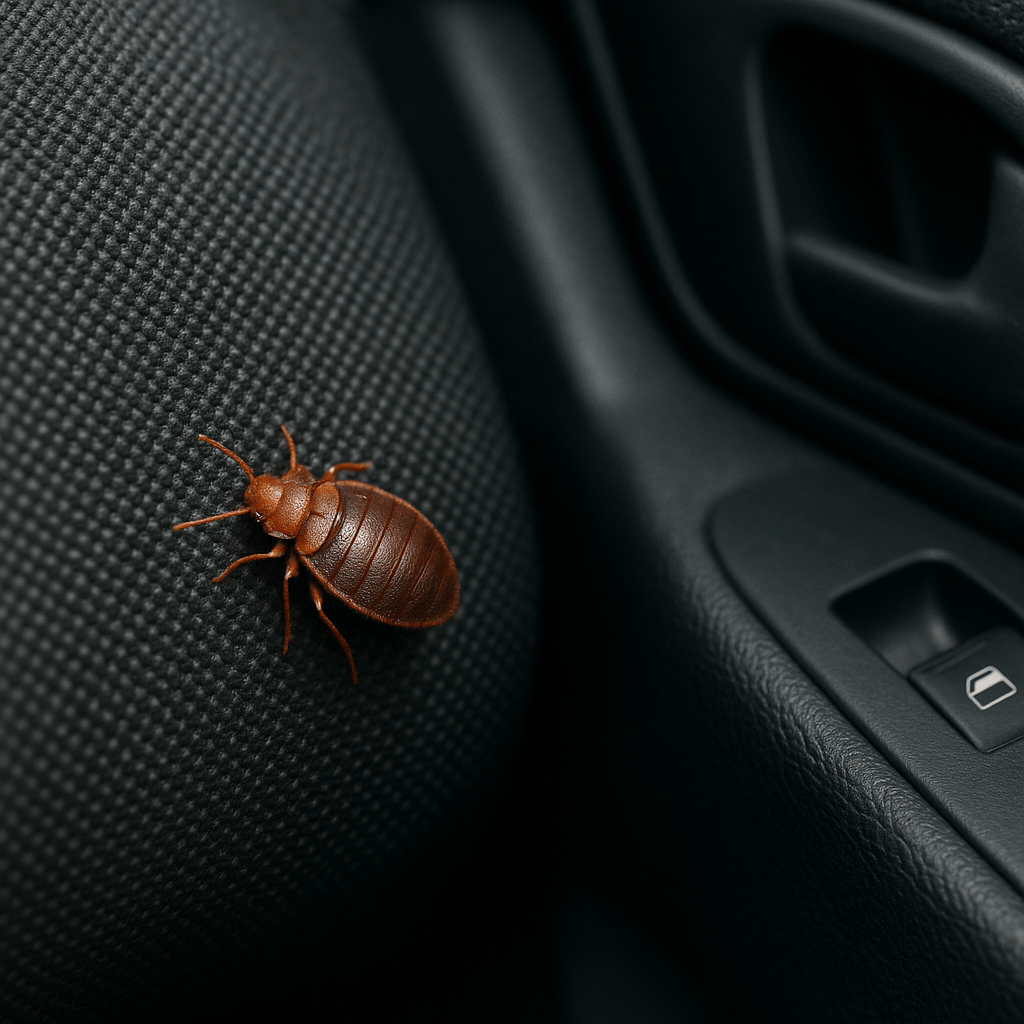
During our inspection, we found live bed bugs, eggs, droppings, and shed exoskeletons inside the headrest, behind the seat, and hidden in the seat tracks — and they can also be lurking deep in the seams, under the mats, and tucked into the seat frames.

(Unfortunately, that wasn’t listed under “Features & Benefits” on the window sticker.)

Here’s the reality:

At some independent used car lots, vehicles are not always thoroughly cleaned before being put out for test drives or sale.

That means you could be test-driving — or even buying — a vehicle that comes with more than you bargained for.

Why Would Bed Bugs Be in a Used Car?

Bed bugs are expert hitchhikers.

If a previous owner had an infestation at home — or if the car was used heavily for rideshares, rentals, or transporting luggage — it’s very easy for bed bugs to crawl into the fabric, carpeting, or even the seatbelt mechanisms.

And here’s the tricky part:

Without a mattress or couch to settle into, bed bugs cram themselves into tiny, hidden spaces — making them harder to detect until you’re already bringing them home.

Signs of Bed Bugs in a Used Car

If you’re shopping at an independent used car dealership, be sure to check for:

    â€˘    Tiny black specks (bed bug droppings) around seat seams and fabric folds.

    â€˘    Pale yellow eggs or tiny white eggshells tucked into cracks and crevices.

    â€˘    Shed skins — small, translucent shells left behind as the bugs grow.

    â€˘    Actual live bugs, especially hiding in seat crevices, carpet edges, or under mats.

Bonus clue:

If you start feeling itchy after a test drive, it’s probably not just excitement about getting a great deal.

Are Bed Bugs in a Car a Health Risk?

While bed bugs are not known to transmit diseases, their bites can cause itchy, allergic skin reactions, significant sleep disruption, and mental stress.

If you unknowingly bring them from your vehicle into your home, you could be facing a much bigger (and far itchier) problem.

How to Protect Yourself When Buying a Used Car

If you’re shopping for a used car — especially at an independent dealership — take a few smart precautions:

    â€˘    Bring a small flashlight and inspect under seats, around floor mats, and inside seat crevices.

    â€˘    Look for black spots, shed skins, or tiny white eggs tucked into hidden areas.

    â€˘    Be cautious with vehicles that have an overwhelming “chemical clean” smell — sometimes it’s more about masking odors than cleanliness.

    â€˘    When in doubt, schedule a professional inspection before making the purchase.

Pro Tip:

If you wouldn’t buy a used mattress without inspecting it, don’t buy a used car without checking the seats!

What to Do If You Suspect Bed Bugs in a Used Vehicle

Don’t panic — but act fast.

Bed bugs won’t stay confined to your car.

Once they hitch a ride into your home, you could face a full-blown infestation that’s much harder (and more expensive) to eliminate.

At ECO Bed Bug Exterminators, we offer specialized vehicle treatments including:

    â€˘    Bio-fungicide spray treatments to target and eliminate bed bugs safely.

    â€˘    Professional steam treatments for deep, high-heat penetration into fabrics and hidden areas.

    â€˘    Follow-up inspections to ensure your vehicle stays bed bug-free.

Because when you buy a car, you should be driving off with horsepower — not hitchhikers.

Think Your Car Might Have Bed Bugs?

Don’t wait until your car — and your home — become infested.

Contact ECO Bed Bug Exterminators today at 410.324.6223 for a professional vehicle inspection and treatment.

(We’ll bring the flashlights. You bring the coffee.)

Could Your Online Purchases Be Infested with Bed Bugs? Here’s What You Need to Know!

If you’ve ever felt the excitement of receiving a package at your door, only to wonder what might actually be inside, you’re not alone. Could your new shoes or that cozy couch pillow be hiding something far less charming… like bed bugs? Let’s unpack (pun intended) how bed bugs could potentially hitch a ride on your online purchases and what you can do about it.

Can Bed Bugs Really Travel Through Online Purchases?

Yes, bed bugs are tiny but resilient hitchhikers. And they have no shame in tagging along on packages, particularly those that have been stored in warehouses or transited through a variety of environments. While it’s rare, it’s possible for bed bugs to latch onto items like fabric-covered furniture, used electronics, or even second-hand clothes. They don’t need much room to hide — a seam, zipper, or fold is all they require to go from their place to yours.

What Kind of Items Are Bed Bug Magnets?

Some items are more attractive to bed bugs than others. Here’s a quick list of items that are at a higher risk of bringing an unwelcome guest along:

• Used furniture: This is bed bug paradise, especially if it’s fabric-covered.

• Mattresses and bedding: Any item in direct contact with beds or couches could carry bed bugs.

• Clothing and accessories: They might seem innocent, but clothing can provide bed bugs a cozy hiding spot.

• Electronics: Even laptops or phones from a less-than-squeaky-clean environment can provide a snug crevice.

How to Inspect Your Package for Bed Bugs

Before you bring that box into your home, do a quick inspection:

1. Check the box: Look for any small, dark spots or tiny bugs along the edges.

2. Inspect the item: Pay special attention to any seams, zippers, and folds. Bed bugs are about the size of an apple seed and can blend into crevices.

3. Wash or vacuum when possible: For clothes or fabric items, a quick wash in hot water can eliminate bed bugs. For electronics or other delicate items, consider a thorough vacuuming.

What to Do If You Find Bed Bugs

If you find bed bugs on your purchase, stay calm. Bed bugs may be persistent, but they’re not invincible. And if you discover bed bugs in your home after an unexpected delivery, you’ll want the pros on your side.

Contact ECO Bed Bug Exterminators to devise a treatment plan tailored to your situation. We’ll ensure your home is bed bug-free in no time, so you can get back to enjoying your online finds without worry.

In the end, bed bugs may try to catch a free ride, but with some awareness (and ECO Bed Bug Exterminators on your side), you can keep them far from your home.

8 Things You Should Never Store Under the Bed (and Why Bed Bugs Love That You Do)

Think That Space Under Your Bed Is Safe? Think Again.

At ECO Bed Bug Exterminators, we’ve seen firsthand how seemingly harmless clutter can turn into a five-star resort for bed bugs. While tossing things under your bed might feel like a tidy shortcut, it can unknowingly create the perfect hiding spots for pests.

Here are 8 things you should never store under your bed—and why even bed bugs would give you a standing ovation for doing so (before they bite you).

1. Cardboard Boxes

Cardboard is a pest’s dream: warm, dark, and filled with hidey-holes. Bed bugs, in particular, love burrowing into corrugated seams and laying eggs in undisturbed areas.

Better Option: Use tightly sealed plastic bins.

2. Off-Season Clothes

Unworn clothes = cozy bed bug condos. If those sweaters were ever in an infested area, even briefly, you may have unknowingly packed up some unwanted hitchhikers.

Tip: Wash and dry on high heat. Store in vacuum-sealed bags or airtight containers.

3. Luggage

Suitcases often return from trips carrying more than souvenirs. Storing them under the bed post-vacation is practically inviting bed bugs to move in permanently.

Pro Move: Store suitcases in a sealed area like a closet—or better yet, the garage.

4. Shoes

Public spaces like movie theaters and buses are hot spots for bed bug transfer. Shoes can pick up eggs, and storing them under the bed can bring the problem straight into your sleeping space.

Try This: Keep shoes in a designated entryway rack or sealed bin.

5. Books and Magazines

Paper absorbs warmth and moisture—just the kind of environment bed bugs love. They’ll happily hide in your latest mystery novel… and the real mystery will be where those bites are coming from.

Solution: Keep bedtime reading to one book at a time. Store others on high shelves away from the bed.

6. Pet Beds or Plush Toys

Fido’s bed under your bed? That’s double the risk. Pet beds, toys, and blankets can harbor bed bugs—especially if your pet snuggles near baseboards.

Pro Tip: Wash pet items regularly and keep them off the floor when possible.

7. Unused Electronics

Old laptops, tangled chargers, and broken gadgets offer lots of crevices for bugs to hide. Heat from some devices may even attract them.

Better Storage: Keep electronics in sealed bins or a tech drawer away from the bedroom.

8. Sentimental Keepsakes

That childhood teddy bear or baby blanket may hold memories—but it could also hold pests if left under the bed in soft fabrics or open containers.

Protect Your Past: Place keepsakes in a sealed, labeled bin stored high off the floor.

Bonus: Signs You Might Already Have Bed Bugs

Even if you’re decluttering like a pro, look out for:

Tiny red or black dots on sheets Musty odor Bites in a line or cluster Shed skins or tiny white eggs Live bugs (small, reddish-brown, flat)

If you’re seeing any of these… it’s time to call us.

Customer Spotlight

“I had no idea storing old boxes and shoes under my bed could cause so many problems. Once ECO Bed Bug came out, they explained everything and got straight to work. After one treatment, the bites stopped—and I sleep so much better now!”

— Marcus J., Baltimore, MD

Declutter Checklist:

  • Remove items under the bed
  • Replace cardboard with sealed plastic bins
  • Wash stored fabrics on high heat
  • Vacuum baseboards and floors
  • Install bed bug interceptors on bed legs

Call to Action:

Protect your bed. Protect your peace.

ECO Bed Bug Exterminators offers expert inspections and custom treatment plans that work.

Call (410) 929-3420 to schedule your inspection today.

How to Get Rid of Bed Bugs in Luggage After Traveling

Traveling is exciting, but it can also come with unwanted hitchhikers: bed bugs. These tiny pests are notorious for hiding in luggage and spreading to homes after trips. Acting quickly to address bed bugs in your luggage is crucial to preventing an infestation. Below, we provide a comprehensive guide to identifying, treating, and preventing bed bugs in your travel bags.

Identifying Bed Bugs in Luggage

Before unpacking, inspect your luggage thoroughly for these common signs of bed bugs:

• Live Bugs: Small, reddish-brown insects about the size of an apple seed.

• Eggs: Tiny, whitish, oval-shaped eggs, often stuck to fabric surfaces.

• Fecal Stains: Small, dark stains that may appear on luggage linings.

• Shed Skins: Evidence of molting, often found in seams and corners.

How to Treat Luggage for Bed Bugs

1. Isolate Your Luggage

Avoid bringing luggage into your home immediately after traveling. Place it in a garage, basement, or outdoors until treated.

2. Inspect and Unpack Carefully

Inspect each item as you unpack. Wash all clothes, even unworn items, in hot water and dry them on high heat.

3. Vacuum Your Luggage

Use a vacuum cleaner with a crevice tool to thoroughly clean all seams, pockets, and compartments. Dispose of the vacuum bag or empty the canister into a sealed plastic bag and discard it outside.

4. Steam Treatment

Bed bugs cannot survive high heat. Use a handheld steamer on luggage surfaces and interiors, focusing on seams and crevices.

5. Seal and Treat

If you suspect your luggage is heavily infested, seal it in a plastic bag or airtight container and use a bed bug-specific spray. Be sure to follow product instructions carefully.

6. Freeze Items

For non-washable items, freezing can be effective. Place the items in a sealed bag and freeze them for at least four days.

Preventing Bed Bugs in Luggage

• Use Protective Covers: Invest in bed bug-proof luggage liners or covers to minimize risk.

• Inspect Hotel Rooms: Check mattresses, headboards, and furniture for bed bugs before unpacking.

• Elevate Luggage: Use luggage racks instead of placing your bags on the floor or bed.

• Vacuum and Wash After Travel: Clean your luggage and clothes immediately upon returning home.

Need Professional Help?

If you suspect bed bugs in your luggage or home, contact ECO Bed Bug Exterminators to devise a customized treatment plan. Our professionals use advanced techniques to ensure thorough eradication and offer expert advice to prevent future infestations.

Traveling shouldn’t come with the stress of bed bugs. With proactive measures and professional support, you can keep your home pest-free and enjoy your adventures worry-free.

Why Bed Bug Infestations Spike in Summer (and How to Protect Yourself)

The real reason you’re scratching more in July—and what you can do about it.

Summer is here—bringing sunshine, vacations, and unfortunately… bed bugs. While you’re planning beach getaways and backyard BBQs, these tiny pests are plotting their next move. And spoiler alert: your luggage and summer guestroom are top of the list.

But why are bed bugs worse in summer? Let’s break down the science, behavior, and real-world reasons these pests thrive during the hottest months—and how to stop them from turning your summer into an itchy nightmare.

1. Summer Travel = Bed Bug Road Trips

More than any other time of year, summer is when people hit the road. Vacations, family reunions, hotel stays, and Airbnb bookings all create perfect conditions for bed bugs to hitchhike unnoticed into homes.

Suitcases, backpacks, and even laundry bags are prime targets. And once inside? They waste no time settling in—no Airbnb rating required.

2. More Houseguests = Higher Risk

Summer often means more sleepovers, kids home from school, and visiting relatives. The increased foot traffic can bring in more than just flip-flops and sunscreen.

Even a short visit from someone unknowingly exposed to bed bugs can start a full-blown infestation. Bed bugs don’t discriminate—they’re just looking for a warm body and a cozy crevice.

3. Warm Weather Speeds Up Reproduction

Here’s the science-y bit: bed bugs reproduce faster in heat. Summer temperatures speed up their entire life cycle, from egg to biting adult.

In cooler months, it can take weeks for a new generation to appear. In summer? Just 10 days. That means a single bug can lead to dozens in record time. Talk about a summer growth spurt.

4. More Skin, Fewer Layers

Less clothing = easier access to skin. And bed bugs are opportunists. Summer wardrobes give them more surface area to feed on—and more opportunities to go undetected.

If you’re waking up with clusters of itchy bites in July, bed bugs might be the culprits—not just mosquitoes.

Quick Summer Bed Bug Prevention Checklist

Stay ahead of the itch with these simple steps:

Inspect hotel rooms (especially the mattress seams and headboard) Keep luggage off beds and carpeted floors—use luggage racks or hard surfaces Wash and dry all clothes on high heat immediately after returning home Vacuum luggage and backpacks Use mattress encasements for added protection Be cautious with secondhand furniture (those yard sale deals can come with bonus bugs)

Customer Spotlight: James T.

“I started waking up with bites and thought it was just allergies or maybe a spider. Turns out, it was bed bugs. ECO Bed Bug Exterminators came out right away, explained everything clearly, and handled it with care. I haven’t had a single bite since. Absolute lifesavers!”

So… When Should You Worry About New Bites?

A few post-treatment bites can happen as lingering bugs come in contact with treatment and start dying off. But if you’re seeing multiple new bites each day for over a week, it’s worth following up.

Our team can perform a follow-up inspection to assess the situation and apply additional treatments if necessary. Summer infestations can escalate quickly, so acting early makes all the difference.

Worried About Bed Bugs? We’ve Got Your Back.

Don’t let bed bugs ruin your summer plans. Whether you’ve just returned from vacation, noticed a suspicious bite, or want peace of mind before hosting guests, ECO Bed Bug Exterminators is here to help.

Call today to schedule a visual inspection.

Our expert team specializes exclusively in bed bugs—and we know how to shut them down.

Limited-Time Summer Offer!

Mention this blog and receive $50 off your first treatment now through August 31st. Let’s make this your most comfortable, bed bug–free summer yet.

Related Resources:

Stay Vigilant While Traveling And Avoid Bringing Bed Bugs Home 

Why You Should Never Unpack Your Suitcase Right After A Trip

How To Get Rid Of Bed Bugs In Luggage After Traveling 

Can You Get Bed Bugs From a Laundromat? Let’s Air Out the Dirty Laundry!

Ah, laundromats. The great equalizer where everyone, from college students to apartment dwellers, hauls their pile of dirty clothes, waiting patiently for their turn to snag that coveted corner dryer. But while you’re waiting, folding, and sniff-checking your clothes (we’ve all done it), you might find yourself wondering: Can I get bed bugs from this place?

Let’s unravel the mystery together, shall we?

The Spin Cycle on Bed Bugs

First, let’s get something straight: bed bugs are not inherently interested in your dirty socks or that oddly patterned sweater you pretend not to own. Bed bugs are bloodsuckers (literally), and they thrive in areas where humans or pets hang out. However, they’re sneaky little hitchhikers. And laundromats? Well, with their revolving door of bags, baskets, and clothes, offer plenty of places for them to hop aboard for a ride to your home.

The Myth: Bed Bugs Love Dirty Clothes

Contrary to popular belief, bed bugs don’t flock to laundromats because they love the smell of your week-old gym clothes (though, to be fair, who wouldn’t?). They’re attracted to warmth, carbon dioxide, and the promise of a meal (that’s you, in case you’re wondering). But, they do occasionally latch onto clothes or fabric, which is why laundromats can be a potential pit stop for these little critters.

So, Can Bed Bugs Survive a Wash Cycle?

The good news: Bed bugs hate water and heat. A good wash, particularly in hot water, is like a spa day…only one that ends badly for bed bugs. They can’t swim, and most of them drown or get knocked off during the wash cycle. But here’s the kicker—it’s not the washing that’s the problem, it’s the drying. Bed bugs, like any diva, cannot handle high heat. A solid 30 minutes on high heat in the dryer will send them packing (to the afterlife). So, if you’re paranoid about bed bugs, always use the dryer. Even if you air-dry at home, crank that laundromat dryer up and give those bed bugs an inferno they won’t survive.

But What About the Laundry Baskets and Folding Tables?

Ah, yes. The forgotten realms. Here’s where things get a little dicey. If someone brought bed bugs into the laundromat (unknowingly, of course—no one wants to be the bed bug person), they could transfer to laundry baskets, folding tables, or even that comfy couch in the corner where you’re waiting. Bed bugs are excellent at playing hide-and-seek in the folds of fabric, and if someone hasn’t treated their infestation, the laundromat can become a jumping-off point for these critters.

Tips to Keep Bed Bugs From Hitching a Ride Home

So how do you avoid bringing home some unwelcome guests while still getting your whites whiter? Here’s your bed-bug-proof laundry strategy:

1. Bag it up: Use plastic bags or a sealed laundry bag to transport your clothes to and from the laundromat. Avoid dumping your stuff directly into the communal baskets or on folding tables. The fewer surfaces your clothes touch, the better.

2. Use the dryer: Heat is your best friend. Even if you don’t wash on high heat, run your clothes through the dryer for 30 minutes on the highest setting. It’s like sending bed bugs to a sauna from which they’ll never return.

3. Inspect your surroundings: Before you plop down on that inviting bench to scroll through your phone, do a quick scan of the area. Bed bugs like cracks, seams, and dark places. If anything looks suspicious, maybe wait in your car instead.

4. Wash the bags, too: Once you’ve unloaded your clothes back home, don’t forget about the bag you carried them in. Toss it in for a wash or give it a good cleaning—bed bugs can hitch a ride on those, too.

The Final Load

So, can you get bed bugs from a laundromat? Technically, yes. But if you’re cautious and take the proper steps (like throwing everything in the dryer), your chances of becoming a bed bug chauffeur are slim. Just treat your clothes like the precious cargo they are, and you should be able to avoid bringing home any uninvited roommates.

Remember: laundromats are for fresh laundry, not fresh infestations. So the next time you’re battling for a dryer, just think—bed bugs might be the only ones who lose in this spin cycle.

Happy folding!🧺

🛏️ Essential Bed Bug Prevention for Airbnb Hosts & Short-Term Rental Owners

Running a short-term rental is no small feat. From guest communication to sparkling clean sheets, you do it all. But there’s one uninvited guest that can ruin your reputation, disrupt bookings, and get your listing suspended: bed bugs.

And no, they don’t care how clean your place is—they only care about their next meal.

🕵️‍♀️ Why Airbnb & Short-Term Rental Hosts Need Professional Bed Bug Inspections

Short-term rentals have one thing in common: high turnover. With each new guest comes new luggage, and with luggage comes the risk of bed bug exposure. These pests are excellent hitchhikers and notoriously difficult to detect early without a trained professional.

That’s why routine bed bug inspections are essential for:

• Airbnb hosts

• Vacation rental managers

• VRBO owners

• Furnished corporate housing providers

At ECO Bed Bug Exterminators, we offer monthly, bi-monthly, and quarterly inspection and treatment plans tailored for the needs of short-term rental operators.

📋 What Happens If a Guest Reports Bed Bugs?

If a guest finds (or even suspects) bed bugs:

• Airbnb may suspend your listing until the issue is resolved.

• You may be asked to provide proof of professional pest control services.

• Negative reviews and refund requests can lead to lost income and damaged credibility.

Having documented, routine inspections gives you peace of mind and protection. It shows Airbnb that you’re proactive, and it provides the paper trail you may need in case of a guest dispute.

💰 Prevention Is Always Cheaper Than Remediation

A preventative inspection costs a fraction of the price of:

• Emergency heat treatments

• Lost nights due to cancellations

• Refunds and cleaning reimbursements

• Professional furniture disposal or replacement

Routine inspections = peace of mind + fewer surprises.

🛠️ What’s Included in Our Short-Term Rental Inspection Plans

✔️ Thorough, professional visual inspection

✔️ Digital inspection reports (great for Airbnb documentation)

✔️ Optional treatment plans if activity is detected

✔️ Flexible monthly, bi-monthly, or quarterly scheduling

✔️ Discreet, unmarked service vehicles

Whether you manage one listing or ten, our team will tailor a plan that keeps your spaces guest-ready and bug-free.

💬 What Other Hosts Are Saying

“As an Airbnb host in Baltimore, I can’t afford downtime or bad reviews. ECO’s inspection plan gave me peace of mind and documentation I could show Airbnb when a guest raised a concern. Problem solved before it became a disaster.”

— Marcus T., Baltimore, MD

🤔 Wondering If You Need This?

If you’ve ever asked:

• “How do I protect my Airbnb from bed bugs?”

• “Can I get certified for bed bug prevention?”

• “What do I do if a guest complains about bed bugs?”

Then it’s time to schedule an inspection.

✅ Ready to Keep Your Rental Guest-Ready?

Protect your reputation before the first review turns into a refund.

📞 Call us at 410.929.3420

Could You Spot a Bed Bug Infestation? Take the Quiz and Find Out!

Think you’re bed bug savvy? Let’s test your instincts.

You’ve vacuumed the baseboards. You’ve washed the sheets in hot water. You’ve even Googled “bug that looks like a sesame seed.” But the question remains: Can you actually spot the early warning signs of a bed bug infestation before it turns into a nightmare?

Take our short, slightly snarky quiz and see how prepared you really are. Because when it comes to bed bugs, early action isn’t just smart—it’s sleep-saving.

Question 1: You wake up with a few itchy bumps. What do you do?

A) Blame the dog and roll over.
B) Strip the bed and start inspecting like it’s a crime scene.
C) Apply some cream and hope it’s just mosquitoes.
D) Call ECO Bed Bug Exterminators because you don’t play around.

Answer: B and D are the winners here! Bed bug bites typically appear every 4–5 days and may show up in small clusters or lines. Noticing a pattern? It’s time to act.

Question 2: You spot tiny black dots along your mattress seams. You assume it’s…

A) Dust.
B) Poppy seeds.
C) A sign something isn’t right.
D) Dirt from laundry day.

Answer: C. Those dark specks could be bed bug droppings. (Yes, really.) Add in shed skins or blood spots, and you’ve got strong signs of a hidden infestation.

Question 3: Your neighbor just had bed bugs. What should you do?

A) Hope your luck holds.
B) Place interceptors under your bed legs.
C) Schedule a proactive inspection.
D) Sleep at your cousin’s house “just in case.”

Answer: B and C. Bed bugs travel easily through walls, vents, and shared laundry rooms in multi-unit buildings. Proactive visual inspections can catch issues early—and prevent costly treatments later.

Question 4: Where do bed bugs hide?

A) Only in beds.
B) Behind headboards and electrical outlets.
C) Inside furniture, books, and shoes.
D) All of the above.

Answer: D! Bed bugs are small, flat, and sneaky. They love tight spaces—mattress seams, picture frames, window trim, baseboards, and even behind outlet covers.

Scoring Key

• Mostly A’s & D’s: You might need a refresher. Start with an inspection—stat.
• Mostly B’s & C’s: Nice work! You’re a step ahead of most.
• All D’s because you skimmed? That’s okay—just remember: if you’re seeing bites, bugs, or signs of activity, don’t wait.

Professional Bed Bug Detection and Treatment

At ECO Bed Bug Exterminators, we specialize exclusively in bed bugs. Whether you’re noticing early signs or dealing with a full-blown infestation, our licensed technicians offer:
• Visual Inspections (accurate, thorough, discreet)
• Targeted Steam Treatments (perfect for cracks, furniture, and delicate items)
• Whole-Home Heat Treatments (for fast, deep elimination)
• Bio-Fungicide Treatments using Aprehend (eco-friendly with long-lasting protection)

We know how overwhelming bed bugs can be—but we’ve got the tools, experience, and customer care to make it manageable.

Call us today at 410.324.6223 or schedule your inspection online. Let’s protect your home—and your sleep.