Back to School and Bed Bugs: Should You Be Concerned?

As the school bells ring and the children excitedly head back to classrooms, parents might find themselves wondering about the potential risks associated with their kids’ return to school in relation to bed bugs. Are school environments a breeding ground for these pesky pests? Let’s delve into the topic and understand whether parents need to worry about bed bugs as their kids go back to school.

The School Setting: A Potential Bed Bug Haven?

While it’s natural to have concerns, the likelihood of a bed bug infestation originating solely from the school setting is relatively low. Bed bugs don’t thrive on dirt or filth; instead, they are attracted to warmth, carbon dioxide, and blood – the factors that signal the presence of a host to feed on. Schools typically have a high turnover of individuals and are less conducive to the sustained presence of bed bugs.

Factors to Consider

1. Low Risk Environment: Schools are generally not conducive to the long-term survival and reproduction of bed bugs. They require consistent feeding opportunities, which might be less available in a school setting.

2. Limited Hiding Spots: Bed bugs require tight crevices to hide and lay their eggs. School environments are typically less cluttered than homes, providing fewer hiding spots for these pests.

3. Low Likelihood of Hitchhiking: Bed bugs are more likely to be introduced to a home environment through items like luggage, used furniture, or clothing. The risk of bed bugs hitchhiking from school is minimal compared to other scenarios.

Preventive Measures for Parents

While the risk of bed bugs infesting your home through the school setting is low, it’s always a good idea to take some preventive steps:

1. Regular Home Inspections: Perform routine checks for signs of bed bugs in sleeping areas, such as mattresses, bed frames, and nearby furniture.

2. Teach Awareness: Educate your children about bed bug awareness. Encourage them not to share clothing, bags, or personal items with their classmates.

3. Inspect Backpacks and Clothing: After school, inspect your child’s backpack and clothing for any signs of pests. Encourage them to keep their belongings separate from others’ belongings.

4. Practice Hygiene: Encourage proper hygiene practices to minimize the risk of introducing bed bugs into your home.

Professional Help if Needed

If you ever notice signs of a bed bug infestation in your home, it’s essential to take immediate action. Contacting a professional pest control service will ensure proper identification and effective treatment if needed.

In conclusion, the return to school is an exciting time for kids, and concerns about bed bugs should not overshadow the joy of learning and connecting with friends. While the risk of bed bugs originating from schools is low, it’s always a good practice for parents to remain vigilant, educate their children about bed bug awareness, and take preventive measures to maintain a pest-free home environment.


Bed Bugs Unveiled: Debunking Myths and Dispelling Stigma

Discovering bed bugs in your home can be a distressing experience, often accompanied by feelings of embarrassment and shame. However, it’s essential to recognize that having bed bugs is not a reflection of you or your cleanliness. These pests can infest any home, regardless of how neat and well-maintained it may be. In this blog post, we’ll delve into the reasons behind bed bug infestations, debunk common misconceptions, and provide insights into effective prevention and eradication methods.

Understanding Bed Bug Infestations:

Bed bugs are excellent hitchhikers, often entering homes through luggage, clothing, or second-hand furniture. Their small size and secretive nature make them difficult to detect until the infestation becomes noticeable. These pests are attracted to warmth, carbon dioxide, and human scent, making your home a cozy habitat.

Debunking Myths:

  1. Cleanliness is Not a Deterrent: Contrary to popular belief, bed bugs are not drawn to filth or poor hygiene. They are primarily attracted to human presence and warmth, not clutter or dirt.
  2. They’re Equal Opportunity Pests: Bed bugs don’t discriminate based on socioeconomic status. Infestations have been reported in upscale hotels, luxurious apartments, and well-kept homes.
  3. Travel-Related Risk: Many infestations occur after travel, as bed bugs can easily hitch a ride on luggage or clothing. Staying in a high-end hotel does not make you immune to the possibility of bringing bed bugs home.
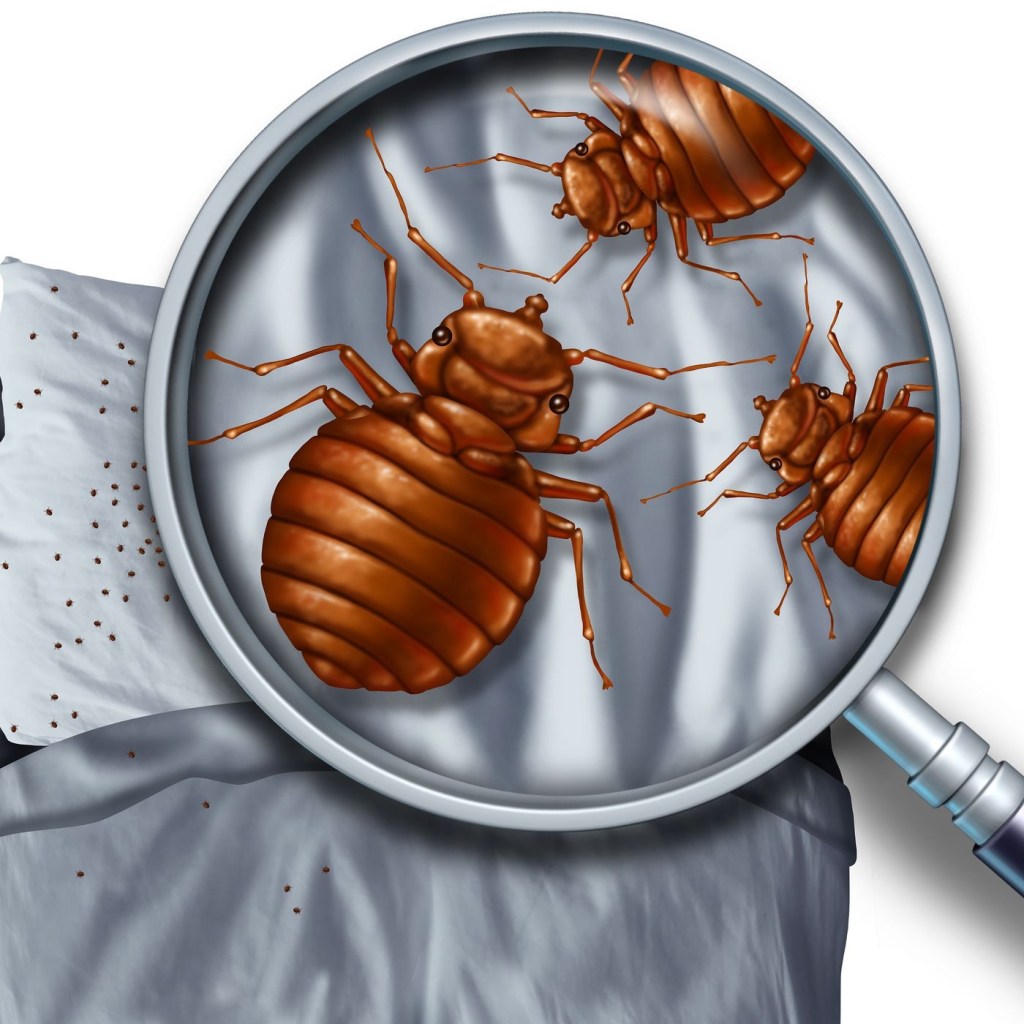
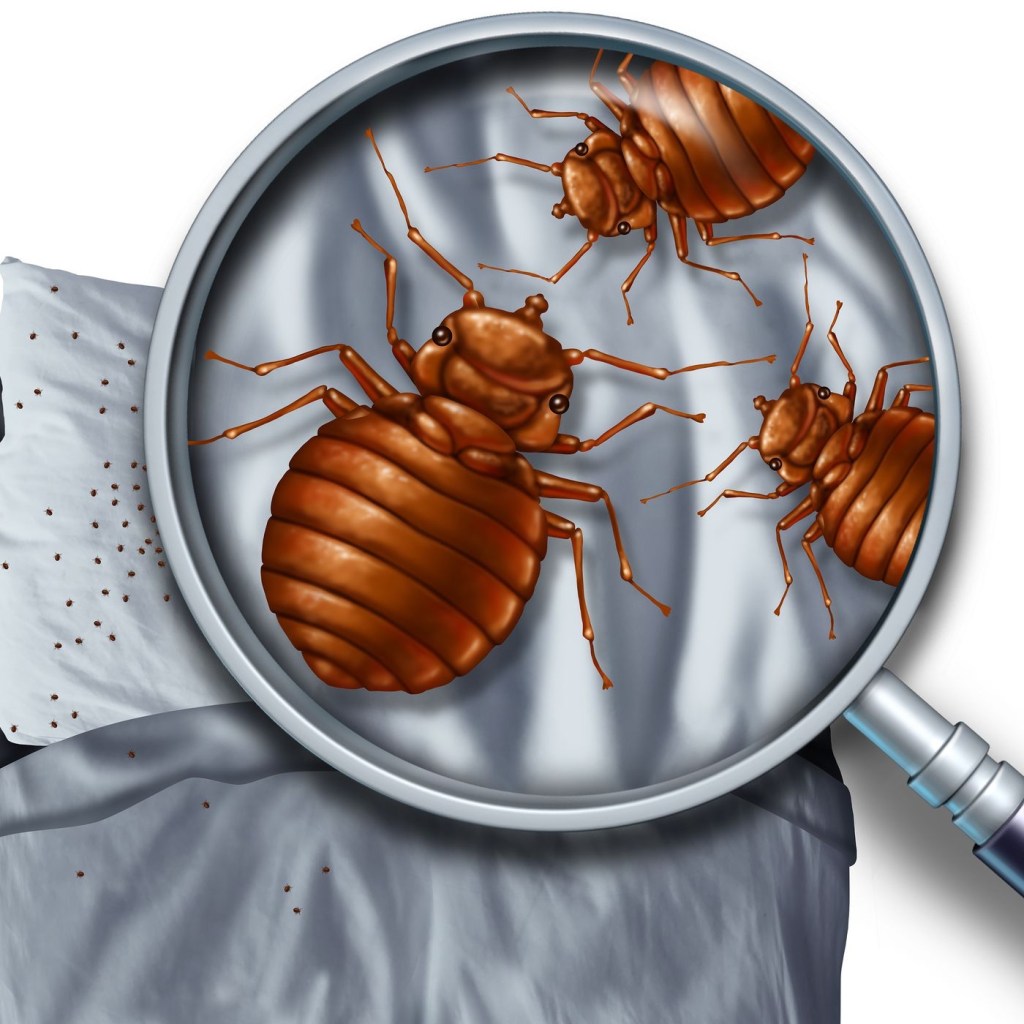
  4. Bed Bugs Are Invisible to the Naked Eye: Contrary to popular belief, bed bugs are visible without the aid of magnification. While nymphs (young bed bugs) are smaller and harder to detect, adult bed bugs are typically about the size of an apple seed. They have a reddish-brown hue and a flat, oval-shaped body, making them distinguishable to those who know what to look for. Additionally, signs of their presence, such as tiny reddish stains on bedding or mattresses, shed skins, or a sweet musty odor, serve as indicators of an infestation.

Prevention and Eradication:

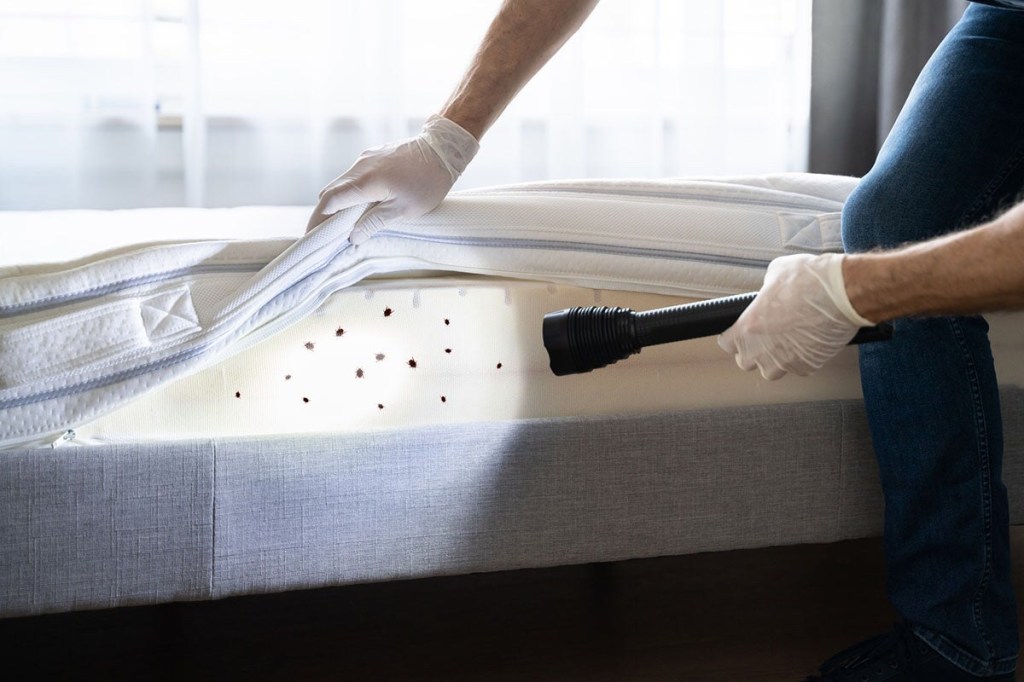
  1. Regular Inspections: Routinely check your mattress, bed frame, and furniture for signs of bed bugs, such as rust-colored stains, discarded exoskeletons, or live bugs.
  2. Immediate Action: If you suspect an infestation, take action promptly. Early intervention is crucial in preventing the problem from escalating.
  3. Professional Assistance: Engage a pest control professional experienced in dealing with bed bugs. They can implement effective treatment plans tailored to your situation.
  4. Decluttering: While cleanliness isn’t a deterrent, decluttering can make bed bug detection and treatment more effective.
  5. Heat Treatment: High temperatures can eradicate bed bugs at all life stages. Washing infested items in hot water and drying them on high heat can help eliminate these pests.

Key Takeaways:

Having bed bugs is not an indication of your character or hygiene practices. These pests are skilled at infesting any space, and their presence should not lead to shame or embarrassment. By understanding the facts, debunking myths, and taking proactive measures, you can effectively address and prevent bed bug infestations, ensuring a comfortable and pest-free living environment for you and your family. Remember, dealing with bed bugs is a shared challenge, and seeking professional assistance is a proactive step towards a solution. If bed bugs have found their way into your house, contact ECO Bed Bug at 410.324.6223 to rid your home of these pests.

Back to College – What about Bed Bugs

As the back-to-college season approaches, excitement fills the air as students gear up for a new academic year. Amidst the hustle and bustle of packing, buying supplies, and settling into new routines, there’s one topic that’s often overlooked but essential to address: bed bugs. These tiny pests can quickly turn your college experience into a nightmare if not dealt with properly. In this blog, we’ll explore the importance of being aware of bed bugs, how to prevent infestations, and what to do if you encounter them.

Understanding Bed Bugs:

Bed bugs are small, reddish-brown insects that feed on human blood. While they don’t transmit diseases, their bites can lead to itching, allergic reactions, and sleep disturbances. Bed bugs are excellent hitchhikers and can easily find their way into dorm rooms, apartments, and shared spaces. They’re attracted to warmth and carbon dioxide, which is why they tend to hide in mattresses, box springs, cracks, and crevices near sleeping areas.

Preventing Infestations:

Prevention is the key to avoiding bed bug problems. Here are some tips to help you keep these unwanted guests at bay:

  1. Inspect Your Living Space: Before moving in, thoroughly inspect your mattress, bedding, and furniture for any signs of bed bugs. Look for small reddish-brown bugs, tiny white eggs, or dark fecal spots.
  2. Use Protective Covers: Encase your mattress and box spring in specially designed bed bug-proof covers. These covers make it harder for bed bugs to establish themselves and easier for you to detect any potential infestations.
  3. Maintain Cleanliness: Regularly clean your living space, vacuuming rugs, mattresses, and furniture. Pay extra attention to cracks and crevices where bed bugs could hide.
  4. Be Cautious with Second-Hand Items: Avoid picking up discarded furniture or bedding from the curb, as they may be infested. If you do bring second-hand items into your space, inspect and clean them thoroughly before use.
  5. Minimize Clutter: Bed bugs love to hide in cluttered areas, so keep your living space tidy and organized.
Dealing with Bed Bugs:

Despite your best efforts, bed bugs can still find their way into your living space. If you suspect an infestation, here’s what you should do:

  1. Notify Your College Housing: If you’re living on campus, inform the housing authorities immediately. They can take the necessary steps to address the issue and prevent it from spreading.
  2. Isolate Infested Items: If you discover bed bugs, isolate infested items in sealed plastic bags to prevent them from spreading to other areas.
  3. Professional Help: Bed bug infestations are challenging to eliminate on your own. Consult a professional pest control company to assess the situation and recommend a suitable treatment plan.
  4. Don’t Panic: Bed bugs are a nuisance, but they can be dealt with effectively. Stay calm, follow the necessary steps, and trust that the issue will be resolved.

Heading back to college is an exciting time, but it’s important to be vigilant about potential bed bug infestations. By taking preventive measures, staying informed, and knowing how to respond if an infestation occurs, you can ensure a comfortable and pest-free college experience. Remember, awareness and action are key to keeping these unwanted roommates at bay.

What To Do First If You Suspect Bed Bugs

They can be picked up from the places you stay on vacation and ride home with you in your clothes. Even out-of-town guests can bring them into your home without knowing it. No matter what caused them, we can all agree that bed bugs are hard to deal with.

Sadly, you can’t automatically conclude that bed bugs are to blame just because you wake up in the middle of the night itching or observe a tiny skin rash. To determine how to get rid of an insect, it can be helpful to identify its species. But, given their propensity to hide and their propensity to disperse swiftly, finding and trapping these annoying insects is challenging, to say the least. Since bed bugs are parasites that feed on blood, you’ll need to keep a close eye out for additional signs like reddish stains on your furniture. You might also find eggs or the outer coverings that nymphs leave behind in the folds of your mattress or on your bed sheets.

Identify The Bug

The first step you should take towards resolution, if you find any of these signs, is to determine whether the insect is indeed the bed bug in question. This step is important because another pest, the carpet beetle, closely resembles a bed bug when it’s still in its early stages of life but doesn’t respond to the same extermination process. You can catch one of the bugs, or collect the eggs or shells from nymphs, and seal them up in a clear plastic bag. Calling a professional pest control company who can identify the bug you’re dealing with can make the rest of the process of getting rid of them easier. Because you need to take specific steps to get rid of them before they spread.

Starting The Eradication Process

Even though there are many ways to get rid of bed bugs, the first thing you should do once you know they are the problem is try to stop them from spreading. To do this, you’ll need to carefully remove your bedding, wash it, and then dry it at a high temperature. This might get rid of eggs and bugs, but don’t put your laundry on another chair or the floor between your bedroom and the utility room.

Given that eliminating bed bugs from your home is a multi-step process, you may wish to contact an exterminator who can safely perform a thermal heat treatment (135 degrees Fahrenheit) in each room. This does require you to leave your home for several hours, but it’s preferable to living with bed bugs. This may be the most effective strategy to maintain your home free of bed bugs over time.

Our Service

ECO Bed Bug has extensive bed bug experience. The first step in our service is a thorough inspection. We then recommend a treatment plan, which may include heat treatment, steam treatment, and the application of a bio-pesticide. Our treatments are tailored to your specific needs, restoring your peace of mind.

Do Bed Bug Mattress Encasements Work?

Before homeowners become aware of a problem, bed bugs have moved into a number of rooms in almost every infestation and most people look for quick solutions. Mattress encasements are frequently tried as a first line of defense against bed bugs. The reasoning is straightforward. A thick, impermeable layer of sturdy outer fabric over your mattresses should keep the bed bugs out, right?

As it turns out, there is no simple solution. Bed bug biology, infestations, and why protective encasements are useful but never sufficient.

Will Bed Bug Mattress Encasements Prevent Bed Bugs From Biting Me?

Bug bites can occur anywhere on the body and are one of the most distressing aspects of an infestation. The good news is that an insect prevention mattress encasement will prevent bed bugs from biting you in your bed mattress. However, you must install it correctly, ensure that the zip is completely closed, and double-check on a regular basis to ensure that no tiny tears or perforations form. Of course, those lurking elsewhere in your home could still bite you.

Do Mattress Encasements Keep Bed Bugs Out?

The answer is a disappointing no in this case. Keep in mind that beds aren’t the only place you can find these resilient little survivors. These tiny insects, which are about the thickness of a fingernail, can successfully conceal themselves everywhere in your house, including crevices in wooden furniture, clothing, and carpets.

The pest’s pestilent reproduction cycle is another factor. A mature female can lay as many as twelve eggs in a single day. A female bed bug that is about to deposit eggs will avoid areas where there are already pests. As a result, epidemics develop at a startling rate and infestations spread quite quickly.

Can Bed Bugs Be Prevented by Using a Regular Mattress Protector?

The price of a customized bed mattress encasement is higher than that of a typical household mattress encasement. The fact that some individuals worry if a standard mattress protector will work is not all that surprising.

However, ordinary mattress protectors offer no protection at all from bed bugs. Most mattress covers are not intended to cover the entire surface of a mattress, and they offer little defense against insects entering your mattress and settling there.

How About Bed Bug Interceptors? Are They Useful?

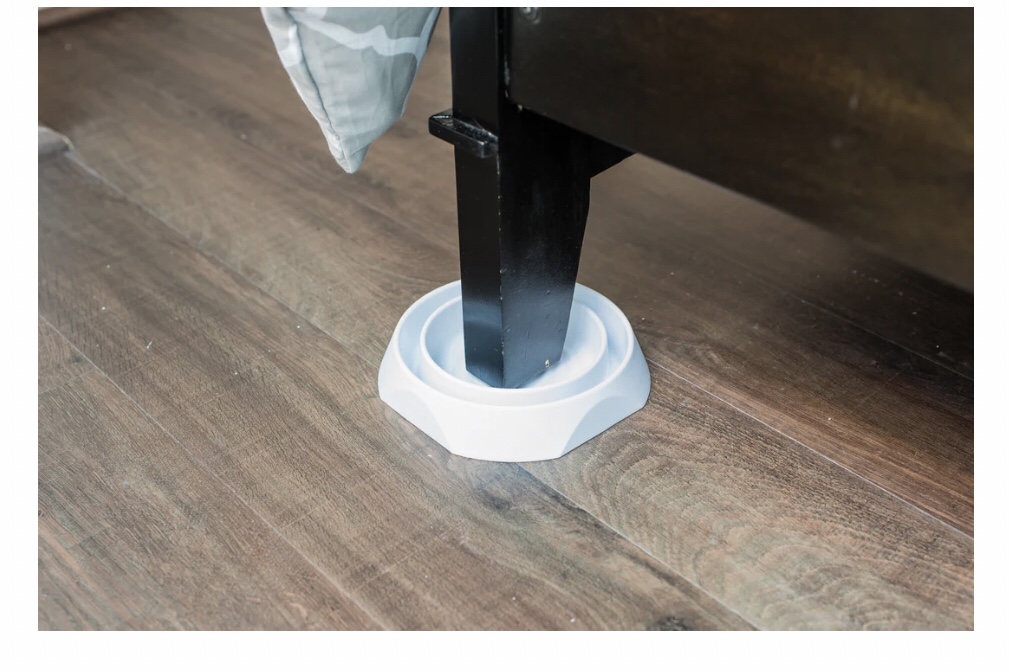
Interceptors are small dishes that can be installed beneath standard furniture legs, including some beds. They’re a low-tech way to keep crawling insects out of your furniture.

When used in conjunction with mattress encasements, an interceptor reduces the likelihood of unwanted visitors to your bed, and they are a low-cost component of any solution. They do, however, only prevent intrusion into specific pieces of furniture. They will not completely prevent or eliminate a household infestation.

How Do I Know Which Mattress Encasement to Buy for Bed Bugs?

First and foremost, always prioritize quality above quantity. A mattress protector is completely useless if even the tiniest hole or tear appears in it. Check to see if it completely encases your mattress, has been tested for and proven to be bed insect proof, and has received mostly positive feedback from customers online.

There are several brands of protective covers that are known for their effectiveness in preventing bed bugs. Some of the most popular brands include SafeRest, SureGuard, and Hospitology Products. These covers are made of high-quality materials and are designed to fit snugly around your mattress or box spring, effectively trapping any bed bugs inside. It’s important to choose a cover that is specifically designed for bed bug protection, as not all covers will be effective at preventing infestations.

What’s the difference between a mattress cover and a mattress encasement?

To reiterate again mattress encasements zip all the way around the mattress while mattress covers are placed on top of a mattress like a fitted sheet. Mattress covers do not stop bed bugs from crawling to the mattress because they are simply put on the top of the bed. Many mattress protectors are water-resistant and simple to take off for washing. For those who are primarily concerned with spill and bodily fluid safety, mattress coverings might be a good fit. Choose a mattress encasement if you’re worried about bed bugs and other pests. Encasements provide a seal around the entire mattress, including the bottom, to offer security at all bed angles.

What To Do First If You Suspect Bed Bugs?

They can be picked up from the places you stay on vacation and ride home with you in your clothes. Even out-of-town guests can bring them into your home without knowing it. No matter what caused them, we can all agree that bed bugs are hard to deal with.

Sadly, you can’t automatically conclude that bed bugs are to blame just because you wake up in the middle of the night itching or observe a tiny skin rash. To determine how to get rid of an insect, it can be helpful to identify its species. But, given their propensity to hide and their propensity to disperse swiftly, finding and trapping these annoying insects is challenging, to say the least. Since bed bugs are parasites that feed on blood, you’ll need to keep a close eye out for additional signs like reddish stains on your furniture. You might also find eggs or the outer coverings that nymphs leave behind in the folds of your mattress or on your bed sheets.

Identify The Bug

The first step you should take towards resolution, if you find any of these signs, is to determine whether the insect is indeed the bed bug in question. This step is important because another pest, the carpet beetle, closely resembles a bed bug when it’s still in its early stages of life but doesn’t respond to the same extermination process. You can catch one of the bugs, or collect the eggs or shells from nymphs, and seal them up in a clear plastic bag. Calling a professional pest control company who can identify the bug you’re dealing with can make the rest of the process of getting rid of them easier. Because you need to take specific steps to get rid of them before they spread.

Starting The Eradication Process

Even though there are many ways to get rid of bed bugs, the first thing you should do once you know they are the problem is try to stop them from spreading. To do this, you’ll need to carefully remove your bedding, wash it, and then dry it at a high temperature. This might get rid of eggs and bugs, but don’t put your laundry on another chair or the floor between your bedroom and the utility room.

Given that eliminating bed bugs from your home is a multi-step process, you may wish to contact an exterminator who can safely perform a thermal heat treatment (135 degrees Fahrenheit) in each room. This does require you to leave your home for several hours, but it’s preferable to living with bed bugs. This may be the most effective strategy to maintain your home free of bed bugs over time.

Our Services

ECO Bed Bug has extensive bed bug experience. The first step in our service is a thorough inspection. We then recommend a treatment plan, which may include heat treatment, steam treatment, and the application of a bio-pesticide. Our treatments are tailored to your specific needs, restoring your peace of mind.

What Are The Risks Of Handling Do It Yourself Bed Bug Treatment?

Bed bugs are a common pest that can infest homes and cause discomfort, inconvenience, and potential health risks. Many homeowners try to handle bed bug infestations on their own using do-it-yourself (DIY) treatments. However, DIY bed bug treatments can come with several risks.

One of the main risks of DIY bed bug treatment is the potential for misidentification of the pest. Bed bugs can easily be mistaken for other insects, such as fleas or ticks. If you misidentify the pest, you may use the wrong treatment method, which can be ineffective and waste time and money.

Another risk of DIY bed bug treatment is the overuse or improper use of pesticides. Many DIY treatments rely on pesticides or chemicals to kill bed bugs. However, these chemicals can be toxic and dangerous if not used correctly. Overusing pesticides can lead to contamination of your home and potential harm to you or your family.

Additionally, DIY bed bug treatments may not address the root cause of the infestation. Bed bugs can travel through various means, and if you do not identify and eliminate the source of the infestation, the problem will persist. This can result in an ongoing cycle of treatment and re-infestation.

Finally, DIY bed bug treatments can be time-consuming and labor-intensive. Bed bugs are difficult to get rid of, and treating an infestation on your own can be a significant undertaking. This can be especially challenging if you have a large infestation or limited resources.

In summary, DIY bed bug treatments come with several risks, including misidentification of the pest, overuse or improper use of pesticides, failure to address the source of the infestation, and a significant investment of time and effort. It is often best to enlist the help of a professional pest control company to ensure effective and safe treatment of your bed bug infestation.

If you think you have bed bugs or are interested in a home heat treatment, contact ECO Bed Bug at 410.324.6223! ECO will create a focused, personalized plan to get rid of all bed bugs-eggs, visible ones, and any that might be hiding-after conducting a comprehensive inspection.

Bed Bugs in Airports: Understanding the Risks and Prevention Tips

When it comes to unexpected encounters during travel, bed bugs may not be the first thing that comes to mind. However, these pesky insects have been known to infest airports, causing discomfort and potential issues for travelers. Hawaii airport had to closed multiple gates to deep clean after bed bug discovery this month. In this blog post, we will explore the topic of bed bugs in airports, understand the risks they pose, and provide some helpful tips for prevention.

The Risk of Bed Bugs in Airports:

Bed bugs are notorious hitchhikers, easily latching onto luggage, clothing, or personal belongings. Airports, with their constant influx of travelers and their belongings, create a conducive environment for bed bugs to spread. These pests can be found in various areas within airports, including waiting areas, seating, and even in the aircraft itself.

How Bed Bugs Spread in Airports:

Infested Luggage: When bed bugs infest one piece of luggage, they can easily crawl into nearby bags or belongings, making their way from one location to another.

Seating Areas: Bed bugs can hide in upholstered furniture, such as chairs and sofas, found in airport waiting areas. When travelers sit on infested furniture, bed bugs can attach themselves to clothing or personal items.

Public Transportation: Some airports offer shuttle services or trains to transport travelers between terminals or parking areas. These shared spaces provide an opportunity for bed bugs to spread from one location to another.

How to Prevent Bed Bugs in Airports:

While it may not be possible to completely eliminate the risk of encountering bed bugs in airports, following these prevention tips can significantly reduce the likelihood of bringing these unwanted guests home with you:

Inspect Your Luggage: Before leaving the airport, thoroughly inspect your luggage, paying close attention to seams, pockets, and zippers. Look for any signs of bed bugs, such as live insects, shed exoskeletons, or dark stains.

Use Protective Covers: Consider using bed bug-proof encasements for your luggage. These covers act as a barrier, preventing bed bugs from getting inside your bags.

Avoid Placing Luggage on the Floor: Whenever possible, keep your luggage elevated and away from the floor. Utilize luggage racks or keep your bags on a hard surface, reducing the chances of bed bugs crawling onto your belongings.

Be Cautious with Seating: Before sitting down, visually inspect seating areas for any signs of bed bugs. Look for tiny, rust-colored stains or live insects crawling around. If you suspect an infestation, choose a different seat or move to a different area.

Launder and Dry Items: When you return home, immediately launder and dry your clothing on high heat. This will help kill any potential bed bugs that may have hitchhiked during your travels.

While bed bugs in airports may be an unpleasant reality, being aware of the risks and taking preventive measures can help minimize the chances of encountering these pests during your travels. By staying vigilant, inspecting your belongings, and following the prevention tips outlined in this blog post, you can protect yourself and reduce the likelihood of bringing bed bugs home with you. Safe travels!

What to Do If You Encounter Bed Bugs:

If you discover bed bugs or suspect an infestation during your time at an airport, it is important to notify airport staff or authorities immediately. They can take appropriate measures to address the issue and prevent further spread.

Bought Bed Bugs Home After A Trip

Once arriving home and you discovered you’ve bought bed bugs back from a trip contact ECO Bed Bug at (410) 929-3420. We have extensive bed bug experience. The first step in our service is a thorough inspection. We then recommend a treatment plan, which may include heat treatment, steam treatment, and the application of a bio-pesticide. Our treatments are tailored to your specific needs, restoring your peace of mind.

How to Avoid Bed Bugs While on Vacation This Summer

Are you planning a summer vacation? Searching the internet for the greatest family hotels or activities. Here are some things to think about to guarantee that your trip is all you’ve hoped for and that you don’t bring home any unwanted mementos, such as bed bugs.

What Are Bed Bugs?

Bed bugs are oval-shaped insects that feed on blood, carbon dioxide, and body heat. Because females lay hundreds of eggs, their name is synonymous with infestation. Bed bugs are most active at night, biting humans and animals as they sleep.

How Are Bed Bugs Spread?

Bed bugs can be found in a variety of settings, including airlines, taxis, ride-sharing services, and trains. It is important to check the seats and surrounding areas to ensure there are no bed bugs. If you do find evidence of bed bugs, notify management and request a new seat.

Watch Out for These Signs

When entering a room or lodging for a vacation, it is important to check for bed bugs. This includes pulling back the sheets and mattress cover to make sure there are no blood spots, fecal stains, or actual bed bugs in the edges or corners of the mattress.

Additionally, inspect the headboard, nightstands, and the edges of the furniture for indications that bed bugs have been or are currently active. You can also keep your luggage off the ground and away from upholstered furniture by elevating it on a luggage rack or pedestal. This will prevent bed bugs from scaling up your luggage. If bed bugs are spotted, guests should promptly change rooms or establishments and pack their clothing in a trash bag. Be sure to inspect all of your belongings before moving them to the new room to avoid bringing the bed bugs with you.

Call In The Professionals

Bed bugs are master hitchhikers who might be difficult to eradicate. To avoid them, clean out your suitcase and wash your clothes in hot water when you get home. If bed bugs have found their way into your house, contact ECO Bed Bug at (410) 929-3420 to rid your home of these pests.

HOW DO YOU GET BED BUGS?

Bed bugs can’t fly or jump – they have to crawl to get anywhere. But thanks to their tiny size and the fact that they can survive months without a blood meal, bed bugs have no problem traveling from place to place. Bed bugs can invade a dwelling from other affected locations. They can travel on furniture, luggage, and backpacks.

A common misconception is that if someone has bed bugs or has been in contact with them, either they or the bed in which they slept are unclean. This is because bed bugs are supposedly attracted to dirt or filth, but this couldn’t be further from the truth: bed bugs will attract people, clean or not, because they feed on blood.

TRAVEL

Bed bugs are most commonly seen in hotels and motels, according to pest control experts. It shouldn’t come as much of a surprise, as hotels and other temporary housing facilities provide a perfect environment for the development and spread of bed bugs, thanks to the high volume of guests and the frequent changes in staff. Infestations can spread rapidly; once a single adult female bed bug finds a way inside, she can lay up to five eggs a day for a full year. If bed bugs get into your home, they can quickly travel to other areas via pipes and vacuum cleaners, not to mention sneaking in via articles of clothes, bags, and other personal belongings. If you’re taking a trip soon, it’s important to know how to prevent picking up bed bugs at hotels so you don’t end up with an unwanted guest on your trip.

FURNITURE

Tempted by the beautiful ottoman that has been abandoned on the corner near your home for a while? Don’t give in to the temptation; bringing in used furniture is a leading cause of bed bugs in homes. The suede sofa may seem wonderful, but it’s not worth the danger if you live in a city with a bed bug infestation because people don’t always clearly designate bed bug-ridden furniture. A $5 book from a yard sale seems like a good bet, right? Certainly not… There is a small risk of contracting bed bugs from books, but only if they have been stored in a box in a house or other location where bed bugs are present. In addition to beds, alarm clocks, coffee makers, and other similar equipment can become infested with bed bugs if they contain dark, undisturbed spaces where the insects can hide and multiply. Do not let anything enter your house without first giving it the once over.

But, even brand-new pieces of furniture, such as beds and sofas, can be exposed to bed bugs while in storage or in delivery vehicles, making every piece of furniture potentially infested. If the company you’re considering buying a mattress from also removes discarded mattresses from homes, for instance, there’s a chance that their truck is hiding some bed bug refugees looking for a new place to hide out.

NEIGHBORS

Even if you take every precaution possible, you still might get bed bugs from a neighbor who doesn’t. Since bed bugs can travel over 100 feet in a single night, via microscopic cracks in the walls, through connecting vents, or even in the joints of floor boards, bed bug migration is rather prevalent, especially in shared housing arrangements like condos, apartments, and dorms. Or, they can take the time-honored route of slithering out the front door, down the hall, and into another apartment.

Merchandise that has been worn or borrowed… Bed bugs can be brought in on secondhand clothing, whether purchased or borrowed from a friend. Although thrift stores are still a viable option, you should wash any old apparel before bringing it inside your home. Bed bugs die in temperatures higher than 122 degrees Fahrenheit, therefore it’s important to wash your linens in very hot water. Obviously, this isn’t exclusive to the realm of apparel. Bedding, blankets, and stuffed animals that have been previously used must undergo a rigorous cycle in very hot water before being readmitted.

It only takes one trip to the wrong place at the wrong time to bring bed bugs home and start an infestation. If you find bed bugs in your home the best way to deal with this potential problem is to work with a professional pest control company that has experience treating bed bugs. At ECO, we provide specialized bed bug services that help prevent infestations. This can speed up the treatment and management of bed bugs by professionals.