Bed Bugs Under the Stars? How Outdoor Adventures Can Invite Unwanted Guests

When you think of bed bugs, you probably imagine them hiding in mattresses, hotels, and maybe that suspiciously comfy sofa someone left on the curb. But out in nature? Surely, they have no interest in the great outdoors… right?

Wrong.

Bed bugs are masters of adaptation. They don’t care if you’re sleeping under a roof or under the stars — all they need is a warm body and a cozy hiding spot. That’s why campsites, RV parks, and other recreational areas can become unexpected hotspots for bed bug activity.

How Bed Bugs Invade Campsites, Tents, and RV Parks

Campsites and RV parks bring people — and all their belongings — together in close quarters. Think about it: dozens (or even hundreds) of travelers sharing cabins, tents, picnic areas, communal restrooms, and laundry facilities. With so many opportunities for bed bugs to hop from one item to another, infestations can spread faster than marshmallows disappear around a campfire.

Here’s how it happens:

Shared Facilities: Restrooms, showers, and common areas often have benches, fabric chairs, and lockers — all prime hiding spots. Cabins and Rental Units: Mattresses, bunk beds, and upholstered furniture can harbor hidden bed bugs, especially if turnover between guests is high. Tents and Camping Gear: If a neighboring camper unknowingly brought bed bugs along, those pests can crawl into your tent or even your gear when packed nearby. RV Interiors: Soft furnishings inside RVs, like bedding, seating, and curtains, are perfect for bed bugs to hide and hitch a ride to the next destination.

A Real-Life Example

Last summer, a family of four returned from a week-long camping trip only to discover bed bugs had hitched a ride home inside their sleeping bags — and had already started spreading into their bedroom furniture.

Outdoor fun turned into indoor panic — and a much bigger pest control project than they bargained for!

Myth Buster: Bed Bugs and the Outdoors

Myth: Bed bugs only infest beds, hotels, and houses.

Reality: Bed bugs don’t care about your Wi-Fi signal or your houseplants. They only care about you.

If they can find a warm body and a good hiding spot — be it a cabin mattress, a cushioned bench, or your favorite sleeping bag — they’re in.

Warning Signs to Watch For

Even in the wild, it pays to be a little cautious. Keep an eye out for:

Tiny dark spots (fecal stains) on mattresses, fabric chairs, or wooden frames Shed skins (they look like pale, tiny bugs) Live bed bugs (small, reddish-brown, and flat) Itchy bites in clusters or lines after sleeping

Pro Tip: Give mattresses, wooden frames, and fabric furniture a quick inspection before settling in — it’s easier than trying to scratch your way through a camping trip!

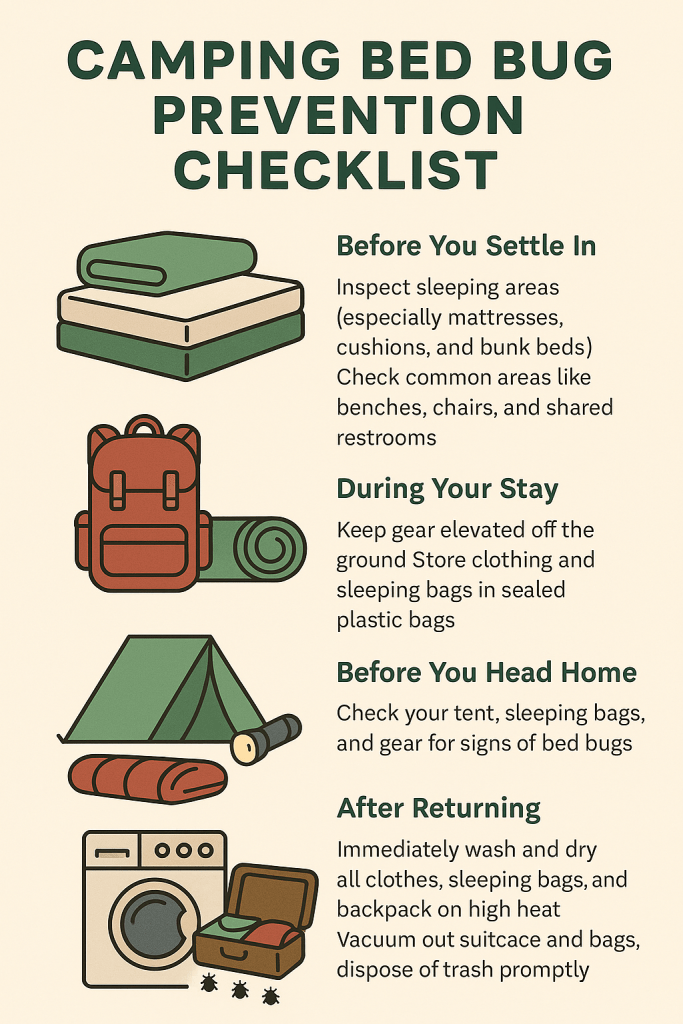
Before, during, and after your trip, a few simple steps can save you a major headache:

Final Thought

Just because you’re surrounded by trees doesn’t mean you’re safe from bed bugs.

They’re stealthy little hitchhikers, always ready for a free ride — and they don’t mind sleeping under the stars if it means getting closer to you.

Stay adventurous, stay cautious, and make sure the only souvenirs you bring home are postcards — not pests!

Don’t Let Bed Bugs Crash Your Next Trip!

If you suspect bed bugs have followed you home after your outdoor adventure, don’t wait.

ECO Bed Bug Exterminators offers fast, expert inspections and treatments to stop infestations before they spread.

Call us today at (410) 929-3420 — and let’s get you back to enjoying bug-free living!

BED BUG AWARENESS WEEK

U.S. Bed Bug Awareness Week, held annually during the first full week of June, serves as a critical public health initiative. It emphasizes the significance of education and vigilance in combating bed bugs, notorious parasitic pests that can infest various environments.

IMPORTANCE OF U.S. BED BUG AWARENESS WEEK

* Early Detection: Public awareness empowers individuals to recognize bed bugs and signs of infestation promptly. Early intervention is vital for containing and eliminating bed bug populations before they become widespread.

* Combating Stigma: Bed bug infestations are not a reflection of cleanliness. Dispelling misconceptions through awareness campaigns encourages open communication and professional intervention when necessary.

* Proactive Prevention: By understanding how bed bugs spread, individuals can take preventative measures to safeguard their homes and belongings. This includes regular inspections, clutter reduction, and secondhand furniture precautions.

IDENTIFYING BED BUGS

Knowing how to identify bed bugs is the first step in preventing an infestation. Bed bugs are small, reddish-brown insects that feed on the blood of humans and animals. They are typically about the size of an apple seed and can be seen with the naked eye. Common signs of bed bugs include:

– Bites: Bed bug bites often appear as small, red, itchy welts on the skin, usually in a line or cluster.

– Shed Skins:As they grow, bed bugs shed their exoskeletons, leaving behind translucent skins.

– Fecal Spots: Small, dark spots on bedding or furniture are bed bug droppings.

– Eggs: Bed bug eggs are tiny, white, and can be found in cracks and crevices.

ACTIONS DURING U.S. BED BUG AWARENESS WEEK

* Knowledge Acquisition: Familiarize yourself with bed bug biology, life cycles, and preferred hiding spots. Educational resources from reputable organizations like the National Pest Management Association (NPMA) are valuable assets.

* Regular Inspections: Proactive inspections are key to early detection. Thoroughly examine mattresses, box springs, bed frames, and surrounding furniture, paying close attention to potential harborage areas.

* Preventative Measures: Encase mattresses and box springs, declutter living spaces to minimize hiding spots, and exercise caution when acquiring secondhand furniture. Implement preventative measures, particularly if you travel frequently, by inspecting hotel rooms for bed bug signs before unpacking.

RESPONDING TO BED BUG INFESTATIONS

If you suspect a bed bug infestation, avoid panic. Here are crucial steps to take:

* Seek Professional Help: Contact a qualified pest control professional with proven expertise and effective bed bug elimination methods.

* Laundering: Wash all bedding and clothes in hot water and dry them on high heat to eradicate bed bugs and eggs.

* Thorough Vacuuming: Vacuum infested areas meticulously, disposing of the vacuum bag immediately after use to prevent further spread.

* Mattress and Box Spring Encasement: Encase these items to trap any remaining bed bugs and prevent them from multiplying.

By working collaboratively and adhering to these recommendations, we can effectively manage bed bug populations and promote a healthier sleep environment for everyone.

From Mild to Mayhem: Understanding the Different Levels of Bed Bug Infestations

Let’s Face It: Nobody Wants Roommates Who Don’t Pay Rent—Especially If They Bite
You’re lying in bed, drifting off to sleep… until you feel that all-too-familiar itch. Cue the late-night Googling: “What do bed bug bites look like?” or “Can I get rid of bed bugs myself?” Congratulations—you’ve entered the wonderful world of bed bug paranoia. But not all infestations are the same.

At ECO Bed Bug, we specialize exclusively in bed bugs, and we’ve seen it all. So let’s break down the different levels of infestation—from light sprinkling to full-blown horror show—and what you should do at each stage.

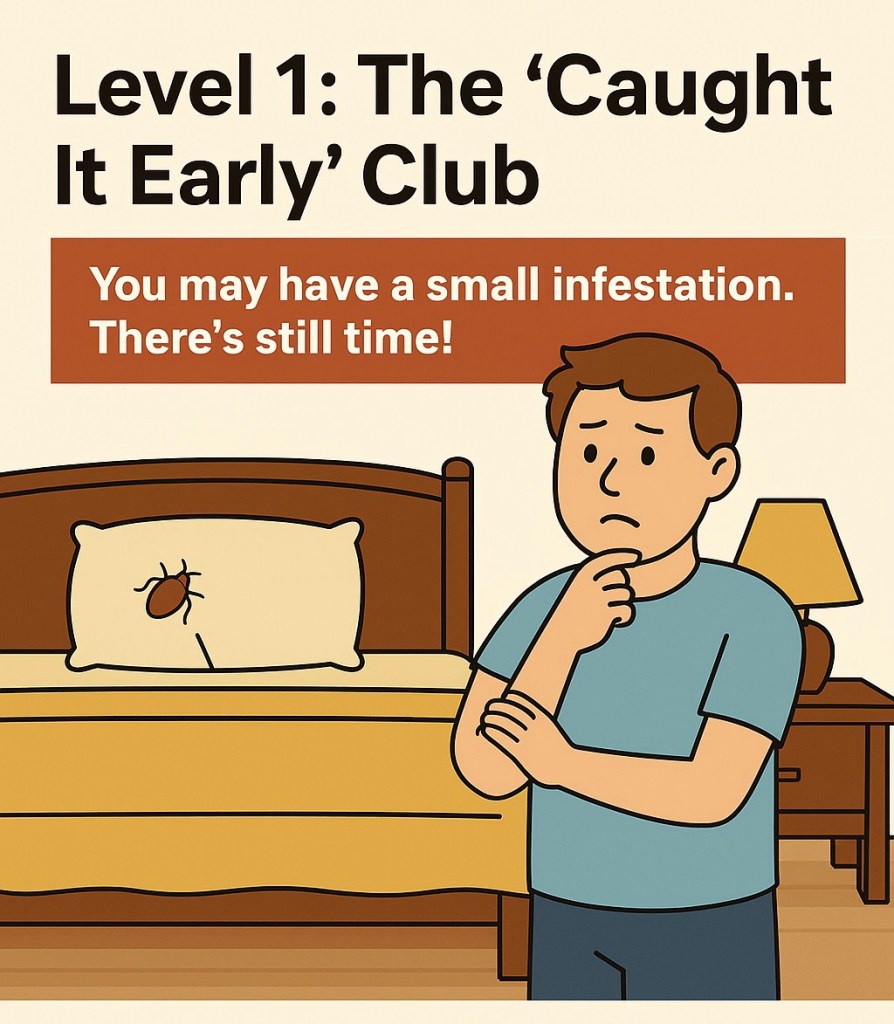
You found one bug, maybe two. There are some tiny droppings near your bedframe, but you’re not waking up every morning scratching your arms off. Lucky you.

Your Move: A quick bio-fungicide spray and a thorough inspection could do the trick. Schedule it before they start inviting friends over.

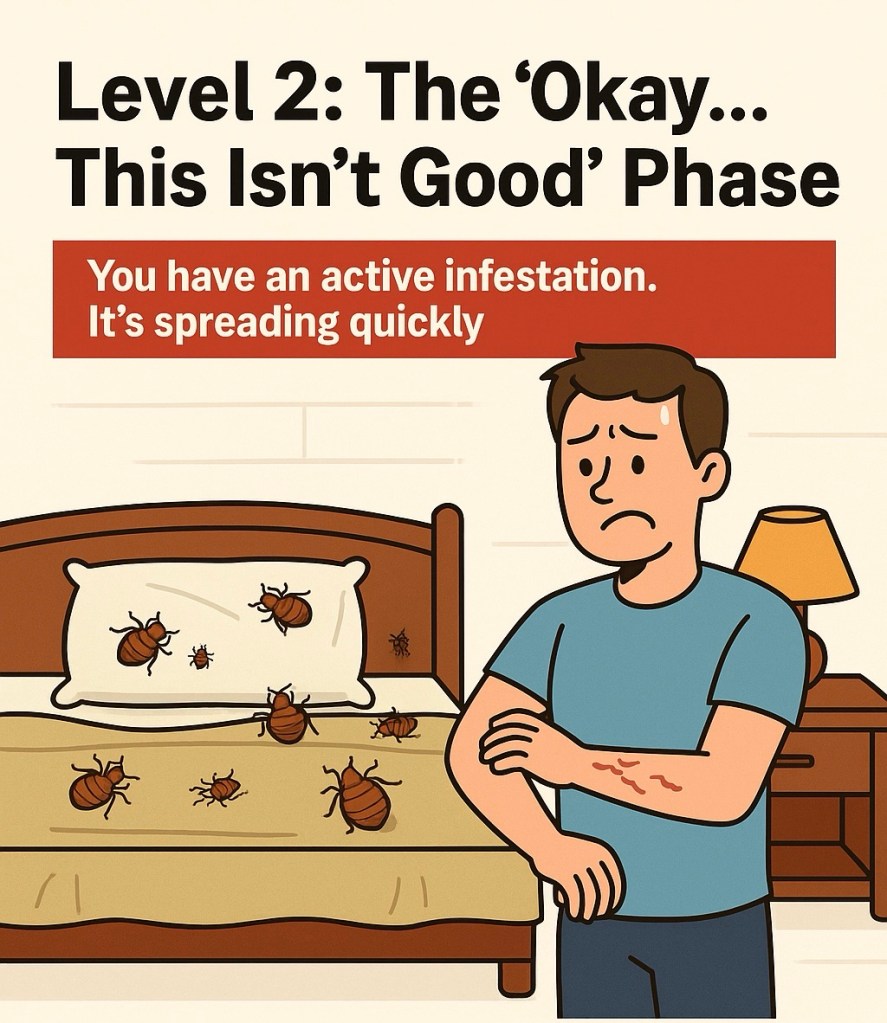
You’re seeing signs more regularly—blood smears, clusters of bites, and maybe a bug or two crawling around at night. You’ve probably started avoiding your bedroom (as if the couch is safer).

Your Move: Act fast. This calls for a multi-room treatment—and maybe even a canine inspection if you’re unsure how far they’ve spread.

It’s not just your bed anymore—there’s a trail of bugs, fecal stains, and eggs leading into other rooms. You feel like you’re living in a horror movie (and the bugs are multiplying).

Your Move: Call in the cavalry. A full-scale, multi-pronged extermination plan is the only way to reclaim your home from these uninvited guests.

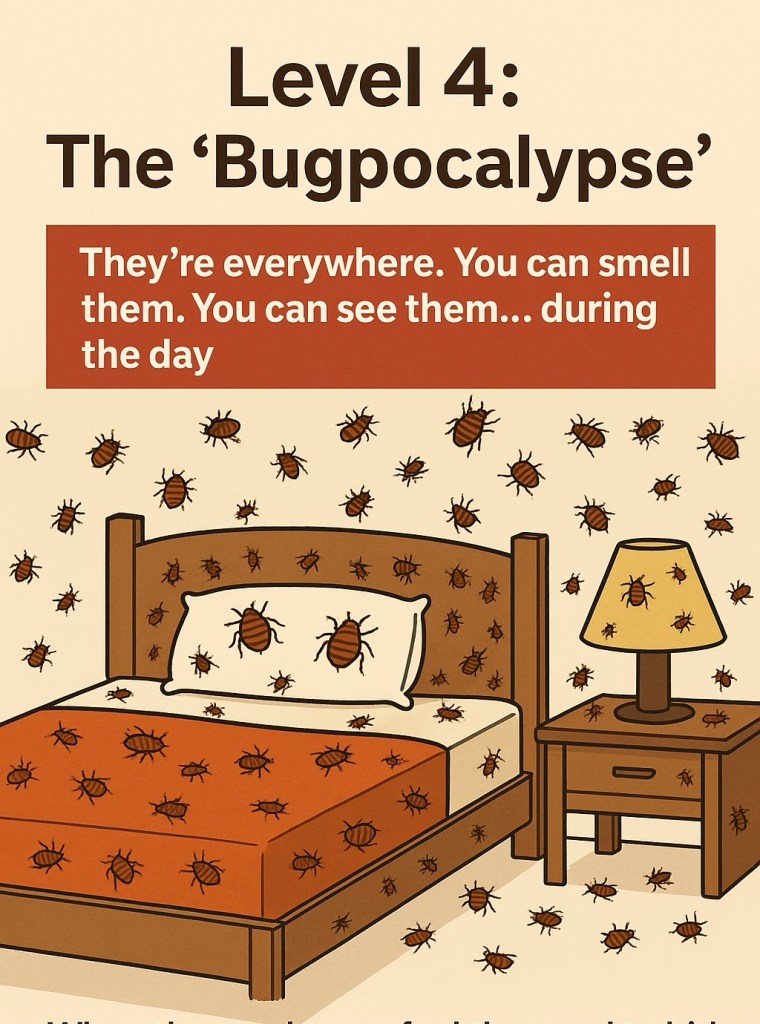
They’re everywhere. You can smell them. You can see them… during the day. When they no longer feel the need to hide, you’ve officially reached code red.

Your Move: Full-house heat treatment. Immediate inspection of adjacent units if you’re in a shared dwelling. Ongoing monitoring and a long-term prevention plan are non-negotiable.

Let’s keep it real—bed bugs are survivors. Most over-the-counter sprays don’t reach where they hide (think inside electrical outlets, wall cracks, or under carpeting). And bug bombs? They just push them deeper into your walls.

If you’re seeing activity, don’t waste time or money experimenting. The longer you wait, the more expensive the solution.

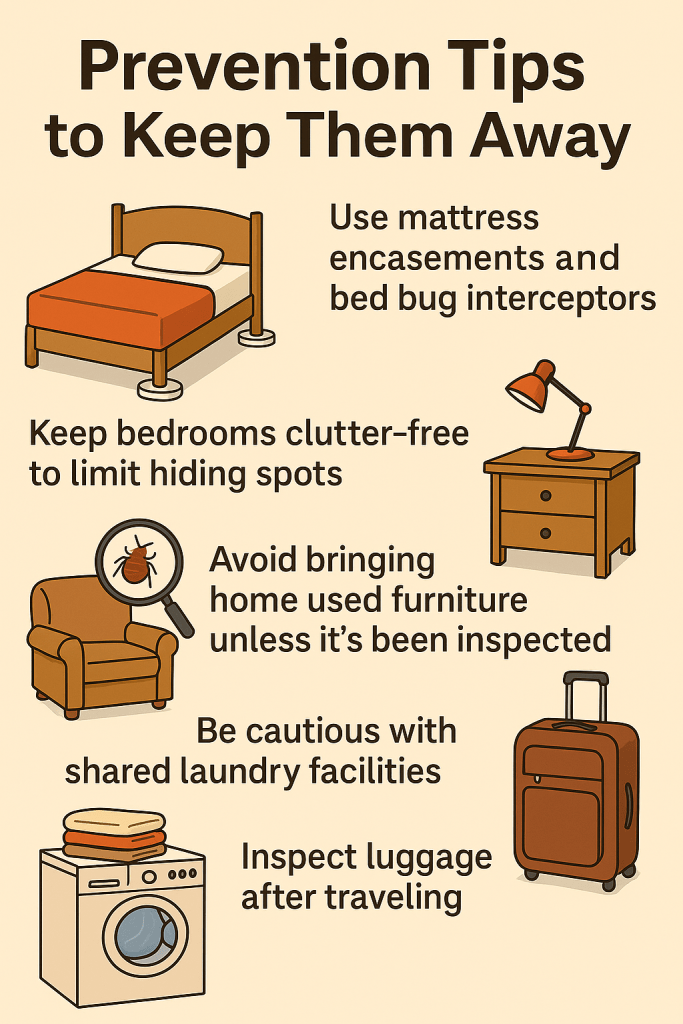
– Use mattress encasements and bed bug interceptors
– Keep bedrooms clutter-free to limit hiding spots
– Avoid bringing home used furniture unless it’s been inspected
– Be cautious with shared laundry facilities
– Inspect luggage after traveling

At ECO Bed Bug, our trained technicians are experts in identifying, treating, and preventing all levels of bed bug infestations. Whether you need a visual inspection, a heat treatment, or an ongoing quarterly plan, we’re here to get your peace of mind back—bite-free.

Call us at (410) 929-3420 to schedule your inspection.

Can Bed Bugs Live in Your Electronic Devices? The Shocking Truth

If you thought bed bugs were only interested in your mattress and linens, think again. These sneaky little pests aren’t just bedroom dwellers—they’re expert hitchhikers, and yes, they can find their way into your beloved electronic devices. Imagine flipping open your laptop only to realize it’s doubling as a tiny bed bug Airbnb. Terrifying, right? Let’s dive into this electrifying topic, bust some myths, and figure out how to keep your gadgets bug-free.

Can Bed Bugs Really Live in Electronics?

The short answer: yes, but not for long-term stays.

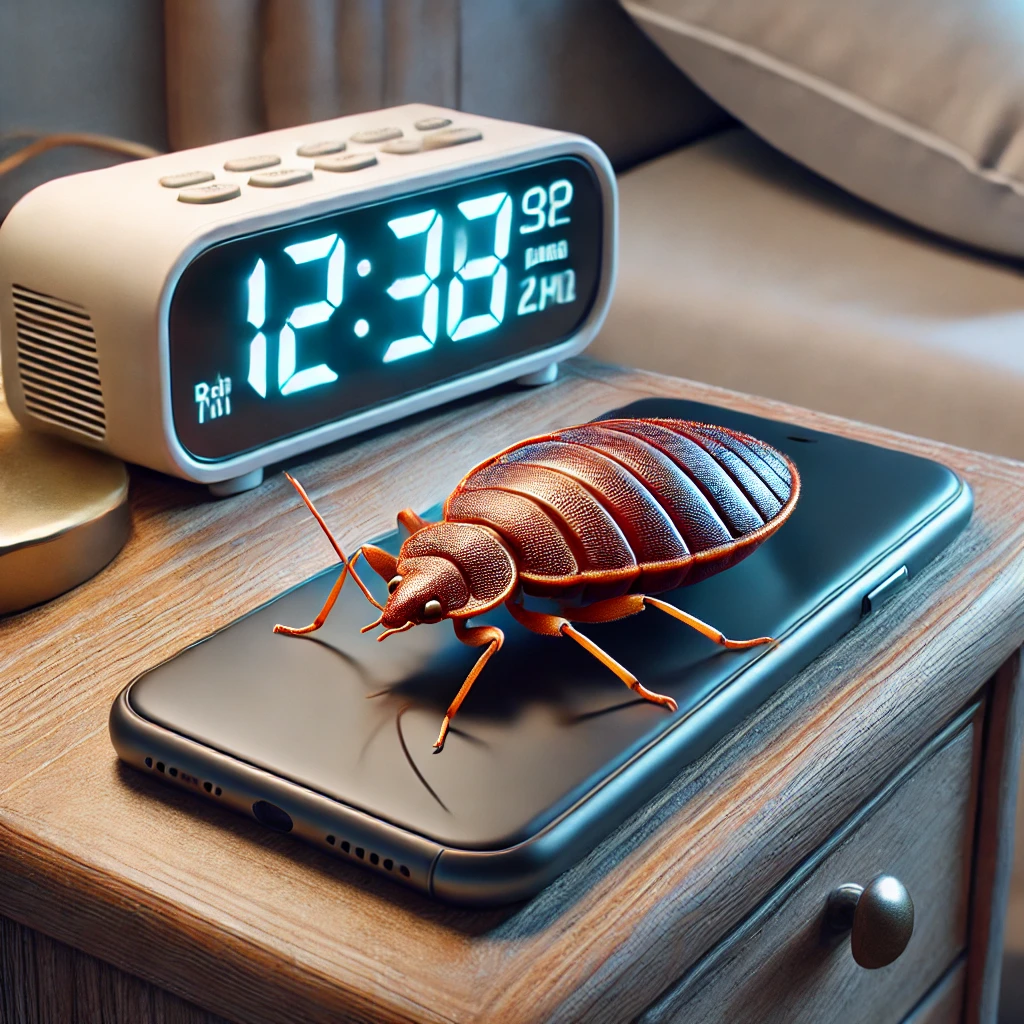
While bed bugs prefer cozy environments like mattresses, sofas, or even the folds of your curtains, they’re not above seeking refuge in electronics. Devices like laptops, gaming consoles, and alarm clocks can become temporary hideouts. But why would a bed bug go digital?

Can Bed Bugs Really Live in Electronics?

Why Electronics?

1. Warmth: Devices like laptops and routers emit heat, making them attractive to cold-sensitive bugs.

2. Dark Crevices: Bed bugs love tight, undisturbed spaces, and electronics provide plenty of nooks and crannies.

3. Proximity: If your electronics are near a bed or sofa, bed bugs might crawl inside while exploring their territory.

Are Electronics Good Habitats for Bed Bugs?

Fortunately, electronics aren’t ideal for long-term infestations. Bed bugs don’t feed on circuit boards—they’re strictly interested in you and your blood. If they’re in your gadgets, they’re usually just hiding temporarily, not setting up permanent residence.

That said, a severe infestation could lead to more bugs seeking shelter in unexpected places, including your devices. And let’s face it—nobody wants to deal with bed bugs in their Xbox.

Signs of Bed Bugs in Your Electronics

How can you tell if your tech gadgets have unwelcome guests? Look for these clues:

• Unexplained Bugs Crawling Out: Seeing bed bugs emerging from your alarm clock? It’s not haunted; it’s infested.

• Faint Odor: A musty, sweet smell could indicate a bed bug presence nearby.

• Tiny Droppings or Eggs: Check for dark spots or eggs around the edges of your devices.

Pro tip: Don’t disassemble your electronics to investigate unless you’re a trained technician. You don’t want to break your devices while searching for bed bug stowaways.

How to Deal with Bed Bugs in Electronics

If you suspect your gadgets are harboring bed bugs, don’t panic! Here’s what to do:

1. Don’t Blast Them with Bug Spray

Bed bugs are resilient, but your electronics are not. Spraying chemicals on or near your devices is a recipe for fried circuits and voided warranties.

2. Try Heat Treatment (Within Limits)

Bed bugs can’t survive extreme heat, so heating the devices can help—but be careful.

• Place smaller electronics in a sealed plastic bag with gentle heat (below 120°F) for several hours.

• Consult a professional for larger or delicate items to avoid damage.

3. Vacuum Carefully

Use a vacuum with a nozzle attachment to gently clean crevices without damaging your device. Empty the vacuum contents into a sealed bag and discard it immediately.

4. Seek Professional Help

Professionals like ECO Bed Bug have specialized techniques for treating bed bugs in electronics. From heat chambers to customized solutions, we can safely eliminate the problem without harming your devices.

Preventing Bed Bugs in Your Electronics

An ounce of prevention is worth a pound of extermination. Here’s how to stop bed bugs from invading your tech in the first place:

• Keep Electronics Off the Bed: Don’t invite trouble by placing your laptop or phone on infested furniture.

• Declutter Around Devices: Reducing clutter around your workspace or nightstand leaves fewer hiding spots for bugs.

• Inspect Second-Hand Items: That thrift-store laptop might be a steal—but make sure it’s bug-free before bringing it home.

Why Choose ECO Bed Bug for Tech-Safe Bed Bug Treatment?

At ECO Bed Bug, we’ve seen it all—bed bugs in phones, TVs, and even gaming systems. Our experienced technicians:

• Use safe, non-invasive methods to eradicate bed bugs in and around your electronics.

• Offer heat treatments and integrated pest management to eliminate infestations without damaging your gadgets.

• Provide expert advice on preventing future infestations.

Don’t Let Bed Bugs Crash Your System

If you suspect bed bugs have taken up residence in your electronics, don’t wait. Contact ECO Bed Bug today to devise a tailored treatment plan that’s safe for both your devices and your sanity.

Call us now to schedule a consultation. Let’s debug your life—literally!

To Tell or Not to Tell: What to Do If You Have Bed Bugs at Home and a Boss at Work

Discovering bed bugs in your home is stressful enough, but what happens when it potentially impacts your workplace? You may worry about spreading bed bugs to colleagues, the stigma associated with an infestation, or how your boss might react. This blog addresses a common question: Should I tell my boss I have bed bugs? By the end, you’ll know how to handle this delicate situation with professionalism and clarity.

Understanding the Purpose of Disclosure

The first step in deciding whether to tell your boss is understanding why it might be necessary. Bed bugs are excellent hitchhikers, and if you’ve brought them to the office, it could lead to a larger infestation that affects your coworkers. Transparency can:

    •    Prevent the spread of bed bugs to your workplace.

    •    Show that you’re proactive about resolving the issue.

    •    Protect others from unnecessary exposure.

However, disclosing the situation can feel intimidating. It’s essential to approach the conversation thoughtfully.

Should You Tell Your Boss? Key Factors to Consider

Before deciding, consider the following:

1. Severity of the Infestation

    •    If your infestation is small and contained, the risk of spreading bed bugs to work is minimal, especially if you’ve already taken steps to manage the problem (e.g., professional treatment, bagging your belongings).

    •    If the infestation is more severe, disclosure may be necessary to mitigate risks.

2. Your Office Environment

    •    Shared Spaces: If you work in close quarters, such as a shared office, cubicle, or breakroom, the likelihood of transferring bed bugs increases.

    •    Work-from-Home Setup: If you’re primarily remote, your risk to colleagues is low, but you may need to disclose if you visit the office occasionally.

3. Company Policies

    •    Check your employee handbook or speak with HR. Some workplaces have policies regarding pest issues, especially if the company has dealt with infestations before.

How to Tell Your Boss About Bed Bugs

If you decide to disclose, here’s how to handle the conversation professionally:

1. Choose the Right Time and Place

    •    Speak with your boss in private, ensuring confidentiality.

    •    Avoid discussing the matter during busy or stressful times.

2. Be Honest but Brief

    •    Explain the situation factually without overloading them with details:

“I’ve recently discovered a bed bug infestation at home. I’ve taken steps to address it and wanted to make you aware to ensure it doesn’t become an issue at work.”

3. Share Your Plan of Action

    •    Reassure your boss that you’re handling the problem. For example:

    •    Professional pest control is treating your home.

    •    You’re taking precautions, such as bagging work items or changing clothes before entering the office.

4. Offer Solutions

    •    Suggest preventive measures for the workplace, such as:

    •    Inspections of shared spaces.

    •    Providing bed bug prevention guides for colleagues.

How to Minimize the Risk of Bed Bug Spread at Work

Regardless of whether you disclose to your boss, taking personal responsibility is key. Here’s how to minimize the risk of spreading bed bugs:

    •    Inspect and Treat Your Belongings: Check your bag, clothes, and shoes for signs of bed bugs before leaving home.

    •    Use Sealed Containers: Keep your work bag and personal items in a sealed container while at home.

    •    Change Clothes: Wear freshly laundered clothes and shoes to work.

    •    Avoid Bringing Personal Items: Minimize the number of items you bring to the office.

FAQ: Common Concerns About Bed Bugs and Work

Q: Will I get fired if I tell my boss?

A: Most employers will not penalize you for being honest. In fact, they’ll likely appreciate your transparency and proactive approach.

Q: How can I avoid stigma at work?

A: Keep the disclosure private. Only inform those who need to know (e.g., your boss or HR). Emphasize the steps you’re taking to resolve the issue.

Q: What if I don’t tell my boss, and the office gets infested?

A: If your workplace suspects you knew about the infestation and didn’t disclose, it could damage trust. Transparency helps avoid misunderstandings.

Honesty, Proactivity, and a Professional Plan

Deciding whether to tell your boss about bed bugs can be challenging, but honesty is often the best policy. By disclosing the issue with professionalism and taking proactive measures, you demonstrate responsibility and concern for your workplace.

If you’re dealing with a bed bug infestation, contact ECO Bed Bug Exterminators to devise a personalized treatment plan. Our expert team will ensure your home is pest-free so you can focus on work with peace of mind.

Storage Wars: How to Keep Bed Bugs Out of Your Unit and Your Life

Storage units are the unsung heroes of modern living. Whether you’re downsizing, decluttering, or in the middle of a move, these spaces keep your belongings safe and sound. But while storage units may protect your items from dust, dampness, and burglars, there’s one intruder they’re not always equipped to handle: bed bugs.

Yes, those tiny, bloodsucking pests don’t just infest mattresses and couches—they can lurk in storage units, hitching a ride on your belongings or those of your neighbors. The good news? With the right strategies, you can prevent bed bugs from making themselves at home in your storage unit. Here’s how to keep these pesky invaders out and your peace of mind intact.

Why Are Storage Units Vulnerable to Bed Bugs?

Bed bugs are master travelers. They’re not picky about their destinations, as long as they can find a warm-blooded host nearby. Storage units provide the perfect environment for them to hide and spread due to several factors:

• Shared Walls: Most storage facilities have adjacent units, making it easy for bed bugs to move from one space to another.

• Infested Items: Bed bugs often hitch a ride on furniture, clothing, or other personal belongings stored in units. If a neighboring tenant brings in an infested item, your unit could become collateral damage.

• Limited Inspections: Storage units aren’t regularly checked for pests, allowing bed bugs to go unnoticed and multiply.

Understanding the risks is the first step to preventing an infestation. The second step? Taking action.

Proactive Steps to Prevent Bed Bugs in Storage Units

1. Choose the Right Storage Facility

Not all storage facilities are created equal. When selecting a unit, look for one with strict pest control measures in place.

• Ask About Pest Control Policies: Does the facility conduct regular pest inspections? Do they have protocols for dealing with bed bugs?

• Opt for Climate-Controlled Units: Bed bugs thrive in warm environments, so a unit with regulated temperatures and humidity can be less hospitable for them.

• Inspect Before You Rent: Before signing the lease, inspect the unit for signs of bed bugs, including live bugs, shed skins, or dark stains (fecal spots) on walls or floors.

2. Prep Your Belongings for Storage

How you pack your items can make a world of difference in keeping bed bugs at bay.

• Wash and Dry Everything First: Launder all fabrics—clothing, linens, and curtains—on the hottest settings before storage. Heat kills bed bugs and their eggs.

• Use Bed Bug-Proof Storage Bags: Store bedding, clothing, and other fabric items in sealed, bed bug-proof bags.

• Invest in Plastic Bins: Cardboard boxes are an open invitation for bed bugs, offering plenty of crevices to hide. Plastic bins with tight-fitting lids are a much safer alternative.

• Avoid Storing Upholstered Furniture: If possible, avoid storing items like mattresses, sofas, or chairs. If you must, encase them in bed bug-proof covers.

3. Seal Your Unit Like a Fort

To prevent bed bugs from sneaking in from neighboring units, create a barrier between them and your belongings.

• Use a Plastic Tarp: Lay a tarp on the floor of your unit before placing your items. This creates an extra layer of protection.

• Elevate Your Belongings: Use pallets or shelves to keep your items off the ground, where bed bugs are more likely to crawl.

• Caulk Cracks and Crevices: If allowed, seal any cracks or gaps in the walls or floors of your unit to block bed bug entry points.

4. Inspect Items Before and After Storage

Even with the best precautions, regular inspections are essential.

• Before Storage: Check every item for signs of bed bugs, especially if it’s coming from a secondhand source or an environment with a known infestation.

• During Visits: Inspect your unit for any signs of bed bugs during routine visits. Be on the lookout for live bugs, shed skins, or dark stains.

• After Retrieval: When removing items from storage, inspect them thoroughly before bringing them back into your home.

5. Partner with Professionals

If you suspect bed bugs in your storage unit, notify the facility management immediately. They should have pest control professionals on call to address the issue. For added peace of mind, consider hiring a pest control company to treat your belongings before they’re moved back into your home.

What to Do If Bed Bugs Still Find Their Way In

Despite your best efforts, bed bugs might still make their way into your storage unit. If that happens:

• Don’t Panic: Bed bugs are a nuisance, but they can be eliminated with the right approach.

• Quarantine Infested Items: Seal infested items in airtight plastic bags or bins to prevent the bugs from spreading.

• Contact the Experts: Call a professional pest control service like ECO Bed Bug Exterminators. Our team specializes in eco-friendly solutions that rid your belongings of bed bugs without harsh chemicals.

The Bottom Line

Storage units are convenient, but they’re not immune to pests like bed bugs. By choosing the right facility, packing strategically, and staying vigilant, you can significantly reduce the risk of an infestation. Remember: prevention is always easier (and cheaper) than treatment.

If bed bugs do invade your storage unit—or your home—don’t fight them alone. ECO Bed Bug Exterminators is here to help you win the war against these relentless pests. Because when it comes to bed bugs, victory is always sweeter than the itch!

The Great Escape: Can Bed Bugs Outsmart Your Mattress Covers?

When it comes to bed bugs, no home or hotel room is safe from these tiny hitchhikers. Once they infiltrate, their favorite spot to settle down is your bed—a warm, cozy haven that gives them easy access to their next meal: you. This has led many people to invest in mattress covers as a first line of defense. But how effective are these covers? Can bed bugs actually outsmart them and find a way through? Let’s dive into the nitty-gritty of bed bugs vs. mattress covers.

What Are Mattress Covers Supposed to Do?

Mattress covers, particularly those designed to protect against bed bugs, are made with one main goal: to keep bed bugs in or out. The most effective covers are encasements—full-zip covers that completely encase your mattress and box spring. These encasements are usually made of durable fabric with tightly woven threads and reinforced seams, ensuring there’s no easy access for pests to sneak through.

Bed bug mattress covers are not only preventive tools but also containment devices. If your mattress is already infested, a properly sealed cover traps the bugs inside, cutting them off from food (your blood) and eventually starving them to death.

Can Bed Bugs Actually Go Through Mattress Covers?

Here’s the good news: No, bed bugs cannot chew through mattress covers. Their mouths aren’t built for gnawing through fabric, no matter how determined they might seem. However, whether or not your mattress cover is foolproof depends on a few critical factors:

1. The Quality of the Cover

Not all mattress covers are created equal. A standard mattress protector designed to shield against spills or allergens likely won’t stop bed bugs. Look for products specifically labeled as “bed bug proof.” These covers feature:

• High thread count fabrics that are tightly woven.

• Micro-zipper technology to ensure the zipper teeth are too small for bed bugs to squeeze through.

• Reinforced seams to prevent tearing or fraying, which bed bugs could exploit.

2. Proper Installation

Even the best mattress cover won’t work if it isn’t installed correctly. Bed bugs are tiny—about the size of an apple seed—and can crawl through the smallest gaps. If the zipper isn’t fully closed, or if there’s a tear in the fabric, consider the cover compromised.

3. Existing Bed Bug Infestations

If bed bugs are already lurking in your bed frame, headboard, or nearby furniture, a mattress cover won’t stop them from climbing onto the mattress’s exterior. While they can’t burrow through the cover, they’ll have no problem finding other feeding spots, like you, as you sleep.

How Mattress Covers Protect You

While mattress covers can’t magically eliminate all bed bugs in your home, they’re a valuable tool in your pest control arsenal:

• Prevention: If your home is not yet infested, using a bed bug-proof mattress cover can block them from infiltrating your mattress in the first place.

• Containment: When paired with other pest control strategies, an encasement traps existing bugs inside, cutting off their food supply and slowing reproduction.

• Easy Monitoring: Encasements make it easier to spot bed bugs on the surface of the cover, giving you a head start in identifying a problem before it gets worse.

Pro Tips for Maximizing Mattress Cover Effectiveness

• Pair with Regular Inspections: Check seams, zippers, and other vulnerable areas regularly.

• Address the Bigger Picture: Remember, bed bugs aren’t exclusive to mattresses. They can hide in your bed frame, baseboards, curtains, and even electrical outlets.

• Vacuum Frequently: A vacuum cleaner with strong suction can remove bed bugs from accessible areas. Make sure to empty the vacuum contents in a sealed bag immediately.

• Call the Pros: Mattress covers are helpful, but they’re no substitute for professional pest control when faced with a full-blown infestation.

The Verdict: Are Mattress Covers Enough?

While bed bug mattress covers are an excellent preventative and containment tool, they’re not a magical solution. Bed bugs are persistent, resourceful pests that can survive without feeding for months. Even with a high-quality mattress cover, you’ll need a comprehensive pest management plan to eliminate these unwelcome guests fully.

So, can bed bugs go through mattress covers? Not really. But can they outsmart an improperly installed or low-quality cover? Absolutely. The key is to choose the right product, use it correctly, and stay vigilant about protecting your sleep sanctuary.

And remember, if you ever feel like you’re losing the battle, ECO Bed Bug Exterminators is here to save the day—offering effective, eco-friendly solutions with a touch of humor to make your bed bug nightmare a little less daunting.

Starving Bed Bugs: Why This DIY Strategy Won’t Work (And What Actually Does)

When you discover bed bugs in your home, you might feel desperate to try anything to get rid of them—heat treatments, sprays, vacuuming, or even starving them out. The idea of simply cutting off their food supply and letting them die seems like a low-cost and hassle-free solution. But is it really a viable option? Let’s dive into this idea, explore the realities of bed bug survival, and uncover why starving them out isn’t the quick fix you’re hoping for. Spoiler alert: these pests are tougher than they look!

How Long Can Bed Bugs Survive Without a Meal?

Bed bugs are masters of survival. These parasitic insects can endure long periods without feeding, depending on environmental conditions:

• Adult bed bugs can survive 2 to 6 months without feeding in regular conditions.

• In cooler environments, they can enter a hibernation-like state, extending their lifespan to a year or longer!

• Nymphs (baby bed bugs) are less durable. Without frequent blood meals, their development halts, and they can die within a few weeks.

However, the survival of even one adult bed bug can quickly lead to reinfestation. All it takes is one resilient survivor to undo all your efforts.

Why Starving Bed Bugs Won’t Eliminate Them

While the concept of starving bed bugs might sound appealing, there are several reasons it’s an ineffective solution:

1. They’re Built to Endure

Bed bugs are experts at hiding in cracks, crevices, and walls. They can survive long periods of isolation without access to a host.

2. They’ll Relocate

In multi-unit housing like apartments or condos, bed bugs can travel to neighboring units. Once conditions are favorable again—like when you move back—they’ll return.

3. They’ll Outwait You

Bed bugs don’t care if you’re gone for weeks or months. They can hide in your mattress, furniture, or walls, patiently waiting for you to return.

Starving bed bugs is a long, uncertain process, and the odds are stacked against you.

What Actually Works to Get Rid of Bed Bugs?

Instead of wasting time on ineffective strategies, focus on proven solutions. The most effective bed bug removal methods include:

• Professional Heat Treatments

High temperatures can kill bed bugs and their eggs instantly, ensuring a quick and effective solution.

• Bio-Pesticides and Chemicals

Products like Aprehend create long-lasting barriers that effectively target bed bugs while minimizing risks to your home. Additionally, chemical treatments can be used to address severe infestations. Professional-grade solutions are applied carefully to ensure thorough coverage and lasting results.

• Steam Treatments

High-temperature steam penetrates deep into cracks, crevices, mattresses, and upholstered furniture, effectively killing bed bugs and their eggs on contact.

• Thorough Inspections

Regular inspections by trained professionals ensure no hiding spots are overlooked, minimizing the chances of reinfestation.

At ECO Bed Bug Exterminators, we combine these effective methods to create customized treatment plans for your home. Trying to starve bed bugs is like trying to avoid sweets during the holidays—it’s a tempting idea, but it rarely works!

Can Bed Bugs Be Caused by a Dirty House? Spoiler Alert: Nope, But They Don’t Care Either Way

Let’s clear up one of the biggest myths about bed bugs: they’re not caused by dirty houses. These tiny bloodsuckers are equal-opportunity invaders. Whether your home is pristine or piled high with laundry, bed bugs are only interested in one thing: finding a warm place close to their next meal (you).

But if cleanliness doesn’t attract bed bugs, why do they infest some homes and not others? And does a cluttered space make things worse? Let’s explore the facts, debunk some myths, and help you understand how to deal with these uninvited houseguests.

What Actually Attracts Bed Bugs?

Contrary to popular belief, bed bugs aren’t drawn to dirt or trash. Here’s what they’re really after:

1. Carbon Dioxide and Body Heat: Bed bugs are like tiny heat-seeking missiles, zeroing in on humans based on the CO2 we exhale and the warmth we radiate.

2. Clutter for Hiding: While clutter doesn’t cause bed bugs, it gives them more places to hide, making it harder to spot an infestation.

3. Travel Opportunities: Bed bugs are world-class hitchhikers, hopping onto luggage, clothing, or furniture to catch a ride into your home.

Myth: Only Dirty Homes Get Bed Bugs

This misconception likely comes from the fact that bed bugs can go unnoticed in messy homes for longer. But in reality, bed bugs are just as likely to infest a five-star hotel as they are a fixer-upper. The cleanliness of your space has nothing to do with whether or not you’ll end up with these pests.

Why Clutter Makes Bed Bugs Harder to Eradicate

While clutter doesn’t attract bed bugs, it can make an infestation worse in the following ways:

1. More Hiding Spots: Piles of clothes, books, or boxes give bed bugs countless places to hide, lay eggs, and multiply.

2. Harder Detection: In a cluttered home, spotting the signs of bed bugs—like fecal stains, shed skins, or live bugs—can be much more challenging.

3. Complicated Treatment: Excess clutter can interfere with effective extermination, making it harder to access all the areas where bed bugs might be hiding.

Pro tip: A clutter-free home is easier to inspect and treat, but it won’t guarantee that bed bugs won’t come calling.

How Bed Bugs Actually Spread

If bed bugs aren’t caused by dirty homes, how do they get in? Here are the most common ways:

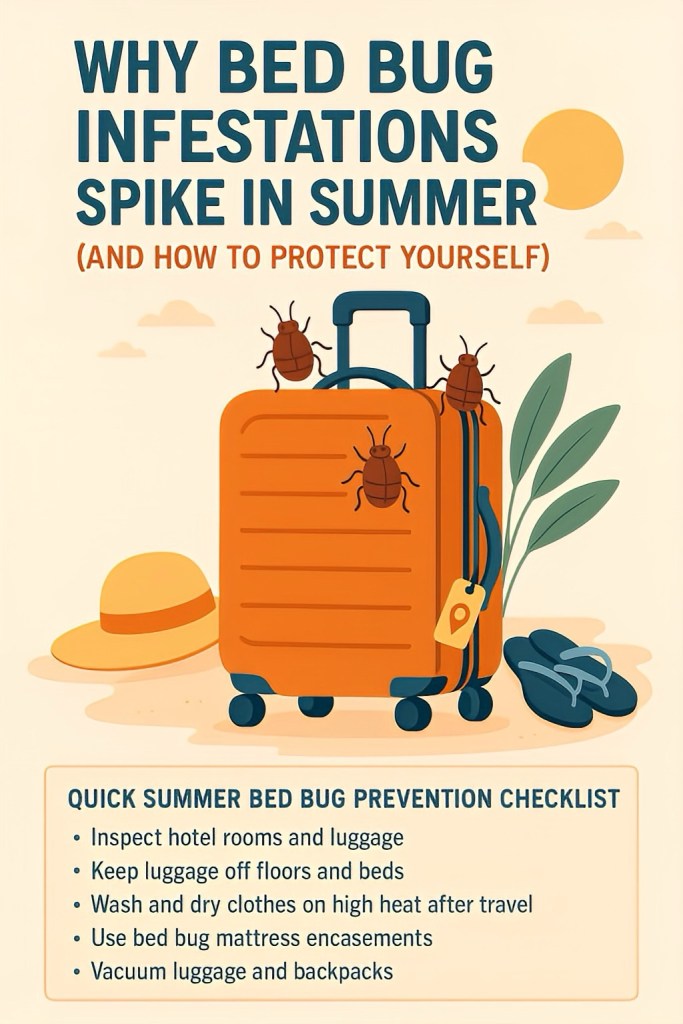
• Traveling: Bed bugs often hitchhike on your luggage after a stay in an infested hotel or Airbnb.

• Second-Hand Furniture: That thrift-store couch or used mattress might come with some unwanted extras.

• Visitors: Guests unknowingly carrying bed bugs on their clothing or belongings can introduce them to your home.

• Apartment Living, Row Houses, and Townhouses: Bed bugs are masters of stealth and can travel through walls, vents, and electrical outlets. If your neighbor has bed bugs, they can easily migrate to your unit or home without an invitation.

Even if your home is spotless, bed bugs can still find their way in through these sneaky methods. Prevention and early detection are your best defenses!

Signs of Bed Bugs: Clean or Dirty, Know What to Look For

Regardless of your housekeeping habits, these signs could mean bed bugs have moved in:

1. Bites: Waking up with red, itchy bites, often in clusters or lines, is a major clue.

2. Fecal Stains: Tiny black or brown spots on mattresses, sheets, or walls are telltale signs of bed bug droppings.

3. Shed Skins: Bed bugs molt as they grow, leaving behind their exoskeletons.

4. Live Bugs: Seeing actual bed bugs (about the size of an apple seed) is a sure sign of trouble.

How to Prevent Bed Bugs, No Matter How Clean Your Home

While cleanliness alone won’t keep bed bugs away, these steps can reduce your risk:

1. Inspect Luggage and Second-Hand Items: Check for signs of bed bugs before bringing items into your home.

2. Declutter Regularly: Fewer hiding spots make it easier to detect bed bugs early.

3. Use Protective Covers: Encase your mattress and box spring with bed bug-proof covers to limit their access.

4. Be Vigilant After Travel: Wash clothes in hot water and inspect your luggage for signs of bed bugs.

How ECO Bed Bug Can Help

At ECO Bed Bug, we don’t judge your housekeeping skills—we’re here to eliminate bed bugs, no matter where they’re hiding. Our process includes:

• Thorough Inspections: We’ll uncover even the most well-hidden bed bugs, whether they’re in a spotless bedroom or a cluttered storage area.

• Effective Treatments: From heat treatments to integrated pest management, we use proven methods to eliminate bed bugs at every life stage.

• Prevention Advice: After treatment, we’ll provide tips to help you avoid reinfestation, so you can sleep easy.

Don’t Let Bed Bugs Bug You—Call ECO Bed Bug Today!

Whether your home is sparkling clean or a little “lived-in,” bed bugs don’t discriminate—and neither do we. If you suspect an infestation, contact ECO Bed Bug today to schedule a professional inspection and customized treatment plan.

Say goodbye to bed bugs and hello to peace of mind! Call us now to take the first step toward a bug-free home.

Bed Bugs: How They Hunt You While You Sleep (And What You Can Do About It)

Imagine if you were a bed bug: you’re tiny, hungry, and your next meal is just a few feet away. The problem? Your prey is asleep, the room is dark, and you’re practically blind. So how do you find your next blood meal? Bed bugs may be small, but they’re master hunters when it comes to locating their host. Let’s dive into how these tiny bloodsuckers use their super-senses to track you down while you’re peacefully snoozing.

CO₂: The Ultimate Bed Bug GPS

We’ve all got to breathe, right? Well, bed bugs are counting on it! The carbon dioxide (CO₂) you exhale is like a homing beacon to these bloodthirsty bugs. They have specialized sensors that can detect increased levels of CO₂, particularly in places where we tend to hang out for long periods of time—like our beds.

But here’s the catch: Bed bugs aren’t rushing over at the first puff of air. They’re night owls, waiting until you’re deep in dreamland before they make their move. They use CO₂ like a GPS, tracking the concentration of carbon dioxide in the air until they’re close enough to start sniffing out your next clue—body heat.

Hot or Not: Why Your Body Heat Makes You Prime Bed Bug Bait

Once a bed bug picks up on the CO₂ trail, it uses heat detection to lock onto you like a little bloodsucking missile. Bed bugs are basically heat-seeking creatures, and your warm, sleeping body is an irresistible target.

They tend to zero in on spots where your body radiates the most warmth—think your neck, arms, and face. If you’re a hot sleeper, you’re even more appealing to these bugs, as your higher body temperature makes it easier for them to locate their next bite. Talk about being too hot to handle!

Smell You Later: The Bed Bug’s Love Affair with Body Odor

Bed bugs are drawn to the unique chemical cocktail that seeps from your skin, even when you’re not aware of it. They can sense certain chemicals, called kairomones, which are essentially invisible invitations we send out without even knowing it.

Sweat, body odor, and other natural scents can make you particularly alluring to bed bugs. So, if you’ve just had a good night’s sleep and you’re basking in your own natural aroma, you might be more attractive to these sneaky little pests. But don’t worry—it’s nothing personal; it’s just biology.

Blood Type? Not So Fast!

One question often pops up: do bed bugs prefer certain blood types? Some people swear they get bitten while their partner goes unscathed. While it might seem like bed bugs have a blood type preference, there’s no solid evidence supporting this theory. In reality, bed bugs are opportunists—they’ll bite whoever is closest, warmest, and easiest to reach.

So whether you’re Type O or Type A, if you’re in their range, you’re on the menu!

The Night Shift: Bed Bugs and Darkness

Bed bugs aren’t just heat-seeking, CO₂-detecting ninjas; they’re also nocturnal. They prefer to hunt in the dead of night when you’re fast asleep. This is why you rarely see them during the day—they hide in cracks, crevices, and mattress seams, waiting for the perfect moment.

When the lights go out, that’s their cue to start hunting. Bed bugs rely on the cover of darkness to make their approach, using a combination of CO₂, heat, and scent to find their way to you, turning your bed into their personal buffet.

Close-Quarters Creepers: Bed Bug Travel Tips

Bed bugs are masters of patience. They don’t need to travel far to find you. Once they sense you’re nearby—through CO₂, heat, and body odor—they’re ready to feast. Bed bugs typically stay within 5 to 10 feet of their host, which explains why they tend to bite you in bed, where you’re cozy and warm.

Debunking Bed Bug Myths

Let’s take a moment to bust some common bed bug myths:

Myth: “Bed bugs only live in dirty homes.”

Fact: Bed bugs don’t care how clean or dirty your home is. As long as they have a source of food (that’s you), they’re happy to hang out. Clean or cluttered, bed bugs can make themselves at home anywhere.

Myth: “You can get rid of bed bugs by sleeping somewhere else.”

Fact: Bad news—they’ll just follow you to the couch or another room. Bed bugs can sense you even if you move around the house, so trying to outsmart them with a new sleeping spot won’t work.

Bed Bug-Repelling Tips

While you can’t stop breathing or emitting heat (unless you’re a robot), there are steps you can take to make your bed a little less inviting for bed bugs:

• Use mattress encasements to trap any existing bed bugs and prevent new ones from burrowing into your mattress.

• Vacuum frequently, especially around your bed and any cracks or crevices in your room.

• Always check second-hand furniture or clothing for signs of bed bugs before bringing them into your home.

• Declutter your bedroom to reduce hiding spots for bed bugs.

What to Do if You Suspect Bed Bugs

If you’ve woken up with suspicious red bites or spotted signs of bed bugs (like tiny rust-colored stains on your sheets), it’s time to take action. Don’t wait, as bed bugs can multiply quickly. Contact a professional exterminator to handle the situation effectively.

Why Contact a Pro?

Bed bugs are notoriously hard to get rid of without professional help. If you find yourself in the midst of a bed bug invasion, contact ECO Bed Bug Exterminators. They have the expertise and tools to tackle the problem, ensuring your home is bed bug-free so you can sleep soundly again.

The Ultimate Parasite Party Poopers

Bed bugs are crafty little creatures, using a combination of CO₂, heat, and scent to find their way to you while you sleep. They may be impressive in their ability to hunt you down, but they’re definitely not the kind of houseguests anyone wants. Fortunately, with a little knowledge and the help of ECO Bed Bug Exterminators, you can reclaim your bed from these unwanted visitors!

Final Thoughts – Outwit the Bed Bug!

The good news? You’re smarter than a bed bug. With the right precautions and expert help, you can outsmart these tiny pests and keep your home bite-free. Now that you know their sneaky tricks, you’ll be ready to spot the signs and take action before they turn your bed into their all-night diner!