Are Bed Bug Bites More Serious in Children? The Itchy Truth

Bed bugs, those tiny, blood-sucking critters, have a knack for making our lives miserable. But when it comes to our little ones, the worry factor can skyrocket. So, let’s dive into the bed bug bite question: are they really worse for kids?

The Bed Bug Bite Basics

Before we tackle the kid-specific issue, let’s quickly recap what bed bug bites are all about. These pesky little vampires feed on human blood, and when they bite, they inject a numbing agent. This is why you often don’t feel the bite happening. It’s like a tiny, stealthy vampire attack!

Bed Bug Bites and Kids: A Closer Look

Now, the burning question: Are bed bug bites more serious for kids? The short answer is… it’s complicated.

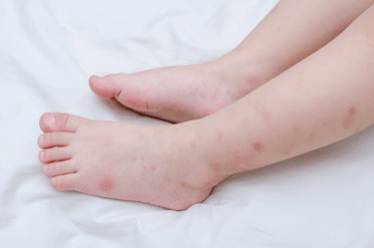
• Itchy, Itchy, Itch: Kids, like adults, will experience itching from bed bug bites. However, due to their sensitive skin, the itch might be more intense for them. And let’s face it, kids are less likely to resist scratching, which can lead to infections.

• Sleep Disruptions: A good night’s sleep is crucial for growing bodies. Bed bug bites can cause discomfort and disrupt sleep, leading to irritability and fatigue in kids.

• Emotional Impact: While it might sound dramatic, bed bug infestations can cause emotional distress in children. Imagine waking up to itchy red bumps and not understanding what’s happening. It’s a recipe for nightmares (literally and figuratively).

Mythbusting: Bed Bug Bites and Serious Health Risks

Let’s clear up a common misconception: bed bug bites are generally not a serious health risk. While they can be incredibly annoying and uncomfortable, they don’t typically transmit diseases. So, no need to panic!

Protecting Your Little Ones

So, how can you protect your kids from these pesky critters? Here are a few tips:

• Inspection Station: Regularly check mattresses, box springs, and bedding for signs of bed bugs.

• Travel Wisely: When traveling, keep luggage off the floor and inspect hotel rooms carefully.

• Wash and Dry: Wash bedding in hot water and dry on high heat to kill any bed bugs.

• Encase Mattresses: Invest in bed bug-proof mattress and box spring encasements. These act as a barrier, making it harder for bed bugs to reach your child.

• Call in the Pros: If you suspect an infestation, don’t hesitate to call a professional pest control company.

What to Do If Your Child Gets Bitten

If your child does end up with bed bug bites, here’s what you can do:

• Cool Compresses: A classic for a reason! Apply a cool compress, like a washcloth soaked in cold water, to the itchy area. This can help reduce inflammation and provide temporary relief.

• Oatmeal Baths: Oatmeal has long been known for its soothing properties. Add uncooked oatmeal to a lukewarm bath and let your child soak for 15-20 minutes. Pat them dry gently afterwards.

• Calamine Lotion: This over-the-counter lotion can help relieve itching and irritation. However, always consult a pediatrician before using any new product on your child, especially if they have sensitive skin.

• Distraction is Key: Sometimes, the best way to deal with an itch is to take your child’s mind off it. Engage them in a fun activity, read a story, or cuddle up for a movie night.

Important Note: Avoid scratching! While it might feel satisfying in the moment, scratching can break the skin and increase the risk of infection. Keep your child’s nails trimmed short and consider using mittens at night to prevent scratching during sleep.

By following these tips, you can help your child find relief from itching and ensure they get a good night’s sleep. While bed bug bites can be a nuisance, especially for kids, proper prevention and treatment can help you regain control of your home. If the itching is severe or doesn’t improve with home remedies, don’t hesitate to consult your pediatrician. Sweet dreams!

For professional help, reach out to ECO Bed Bug at 410.324.6223 for your bed bug solution.

How Bed Bugs Can Impact Your Mental Health – Understanding the Emotional Toll

Dealing with a bed bug infestation is often more than just an inconvenience; it can profoundly affect your mental and emotional well-being. Beyond the physical discomfort of itchy bites and sleepless nights, many individuals experience stress, anxiety, and even depression due to the presence of these pests. In fact, a recent study found that nearly 60% of people dealing with bed bug infestations report feelings of anxiety or hopelessness.

As World Mental Health Day approaches on October 10th, it serves as a crucial reminder of the importance of mental well-being, especially when facing stressors like bed bug infestations. In this blog, we’ll explore how bed bugs can affect your mental health and why addressing these psychological effects is as vital as eliminating the infestation.

1. Constant Fear and Anxiety

The mere knowledge that bed bugs are in your home can create an overwhelming sense of anxiety. These tiny, elusive creatures hide in cracks and crevices, coming out at night to feed. This unpredictability leads to a constant sense of dread, particularly around bedtime. People suffering from infestations often develop a heightened fear of sleeping or resting in their own beds.

This anxiety extends beyond the bedroom, as individuals may become hyper-aware of their surroundings, constantly checking for signs of bed bugs in other places like their workplace or the homes of friends and family. The fear of spreading the infestation can lead to social anxiety and withdrawal from daily activities.

2. Sleep Deprivation and Its Consequences

Bed bugs are nocturnal and feed during the night, often resulting in significant disruptions in sleep. Many individuals with infestations report difficulties falling asleep or staying asleep due to fear of being bitten. Over time, this lack of sleep can lead to chronic sleep deprivation, which has well-documented effects on mental health.

When sleep is disrupted, your body and mind do not receive the rest they need to recover. This can lead to a host of mental health issues, including:

• Irritability and mood swings

• Difficulty concentrating or making decisions

• Increased risk of anxiety and depression

3. Post-Traumatic Stress Disorder (PTSD)-Like Symptoms

For some people, a bed bug infestation can trigger symptoms similar to Post-Traumatic Stress Disorder (PTSD). The psychological trauma of constantly dealing with bites, spotting bugs in the home, and the lingering fear that the infestation isn’t truly gone can create long-lasting effects. Even after the infestation is eradicated, some individuals may continue to experience fear of re-infestation, nightmares about bed bugs, and an exaggerated startle response when they encounter insects of any kind.

In severe cases, individuals may develop delusional parasitosis, a condition where they become convinced they are still infested with bed bugs (or other parasites) long after the actual infestation has been treated. This can lead to obsessive cleaning and scrubbing, skin picking, and anxiety that requires professional mental health intervention.

4. Social Isolation and Stigma

Bed bugs carry a significant social stigma. People may feel embarrassed about having an infestation, even though bed bugs can affect anyone, regardless of how clean or tidy their home is. This stigma can cause individuals to withdraw socially out of fear of judgment or rejection. Some may avoid visiting family and friends or stop inviting people to their homes, afraid of spreading the infestation or being perceived as “dirty.”

The emotional burden of feeling isolated can compound other mental health issues, such as depression or anxiety. For those with limited support systems, the lack of social interaction can exacerbate feelings of loneliness and hopelessness.

5. Financial Stress and Its Mental Health Impact

Dealing with a bed bug infestation can be expensive. Professional extermination, replacing furniture, laundering clothes, and other treatments can add up quickly. For individuals with limited financial resources, the stress of handling these unexpected expenses can be immense. This financial strain can lead to feelings of hopelessness, frustration, and anxiety about the future.

For some, the financial burden may delay proper treatment, prolonging the infestation and worsening the mental health toll. The longer bed bugs persist, the more entrenched the emotional effects become.

6. Depression and Feelings of Hopelessness

The cumulative stress from the factors mentioned above—sleepless nights, anxiety, isolation, and financial strain—can lead to depression. People living with bed bugs often feel overwhelmed and powerless, especially if repeated attempts to eliminate the infestation are unsuccessful. This can lead to feelings of hopelessness and, in severe cases, clinical depression.

It’s essential to recognize the signs of depression, which may include:

• Persistent feelings of sadness or hopelessness

• Loss of interest in activities once enjoyed

• Fatigue and lack of energy

• Difficulty concentrating

• Changes in appetite or sleep patterns

If you or someone you know is experiencing these symptoms, it’s critical to seek help from a mental health professional.

7. Coping Strategies for Mental Health During a Bed Bug Infestation

While bed bugs can have a profound impact on your mental health, there are ways to mitigate the emotional toll:

• Acknowledge the emotional impact: Don’t dismiss your feelings or downplay the stress caused by an infestation. Recognizing the psychological strain can be the first step toward seeking help.

• Get professional treatment: Early intervention is key. A professional exterminator can provide an effective solution to eliminate the infestation, alleviating much of the anxiety and stress.

• Maintain a routine: Try to keep your regular routine as much as possible to avoid isolation and focus on positive, productive activities.

• Seek support: Talk to friends, family, or a mental health professional about what you’re experiencing. Sometimes, sharing your concerns can ease the burden.

• Focus on self-care: Engage in activities that promote relaxation and well-being, such as exercise, meditation, or spending time outdoors.

A Reminder for World Mental Health Day

World Mental Health Day on October 10th serves as a reminder that mental health is just as important as physical health. If you’re dealing with a bed bug infestation, it’s crucial to not only seek professional extermination but also pay attention to your mental health.

At ECO Bed Bug Exterminators, we understand the emotional toll that a bed bug infestation can take. We are here to assist you and will work with you to devise a tailored treatment plan to eliminate the infestation and restore peace of mind. Our experienced team is equipped to handle infestations with care and professionalism, allowing you to regain control of your home and well-being.

Take this opportunity to evaluate how the stress and anxiety caused by bed bugs may be affecting your emotional well-being. Don’t hesitate to seek support, whether from friends, family, or a mental health professional. Prioritizing your mental health can make all the difference in how you cope with stressful situations, including a bed bug infestation.

Conclusion

Bed bugs are more than just a physical inconvenience; they can cause significant emotional and psychological distress. The anxiety, sleep deprivation, social isolation, and financial strain associated with bed bug infestations can take a serious toll on your mental health. As World Mental Health Day approaches, it’s the perfect time to reflect on how stressors like bed bugs can affect your emotional well-being and the importance of seeking both professional treatment and emotional support.

At ECO Bed Bug Exterminators, we are committed to not only eradicating bed bugs but also supporting our clients throughout the process. Reach out to us to discuss how we can help you take back control of your home.

Tiny Terror — Identifying Baby Bed Bugs and Stopping Infestations Early

Bed bugs are a common household pest that can cause significant discomfort and stress. Understanding what baby bed bugs look like, particularly during their infant stage, is crucial for identifying and addressing an infestation early.

Appearance of Baby Bed Bugs

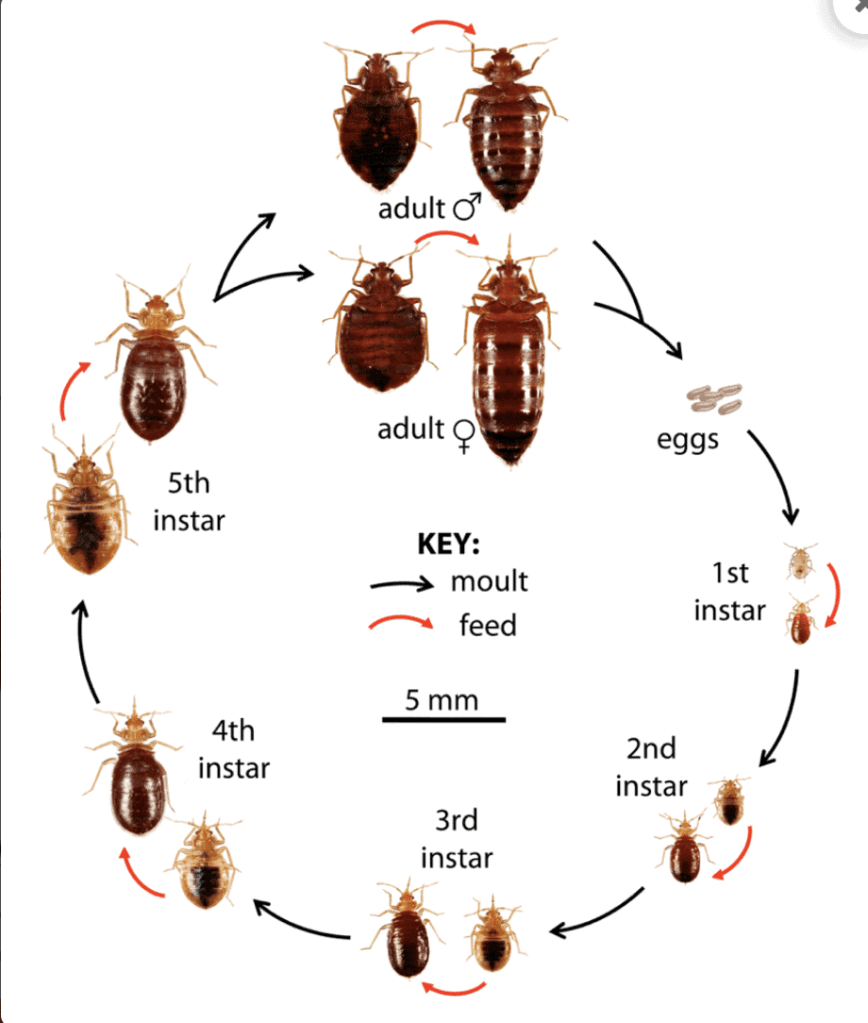
Baby bed bugs, also known as nymphs, go through five developmental stages before reaching adulthood. Here’s what you need to know about their appearance:

1. Size: Nymphs are extremely small, especially in the early stages. They can be as tiny as 1 mm (about the size of a pinhead) when they first hatch.

2. Color: Freshly hatched nymphs are nearly colorless or a very light tan. As they feed on blood, they gradually turn a reddish-brown color.

3. Shape: Like adult bed bugs, nymphs have a flat, oval shape. However, they are more translucent when unfed and become more opaque after feeding.

4. Exoskeleton: Nymphs have a thin exoskeleton, which they shed several times as they grow. These shed skins, known as exuviae, are often found in infested areas and can be a sign of an ongoing infestation.

5. Visibility: Due to their small size and light color, nymphs can be difficult to spot with the naked eye, especially against light-colored backgrounds.

Life Cycle and Behavior

Understanding the life cycle of bed bugs helps in identifying and controlling an infestation:

• Egg Stage: Bed bug eggs are white, tiny (about 1 mm), and typically found in hidden areas like mattress seams, furniture crevices, and baseboards.

• Nymph Stages: There are five nymph stages, with each stage requiring a blood meal before molting to the next stage. Nymphs are more likely to be active and feed at night.

• Growth and Feeding: Nymphs must feed on blood to grow and progress to the next stage. Each feeding session lasts 3-10 minutes. As they molt, they leave behind exoskeletons, which are signs of their presence.

Signs of Infant Stage Infestations

Early detection of bed bug nymphs can prevent a minor issue from becoming a major infestation. Here are signs to look out for:

• Bite Marks: Bed bug bites often appear in a line or cluster and can cause redness, itching, and swelling.

• Blood Stains: Small blood stains on bedding or furniture may indicate feeding activity.

• Fecal Spots: Tiny, dark spots (about the size of a pen tip) on bedding, walls, or furniture are bed bug fecal matter.

• Shed Skins: Finding tiny, translucent shed skins in and around sleeping areas can be a clear indicator of nymph presence.

Prevention and Control

Preventing and controlling bed bug infestations involves vigilance and prompt action:

• Regular Inspections: Regularly inspect sleeping areas, especially mattress seams, box springs, and furniture crevices.

• Cleaning: Keep sleeping areas clean and clutter-free to reduce hiding places. Regularly wash and dry bedding on high heat.

• Sealing Cracks: Seal cracks and crevices in walls and furniture to minimize hiding spots.

• Professional Help: If you suspect an infestation, consider contacting a pest control professional for thorough inspection and treatment.

By understanding what baby bed bugs look like and recognizing the signs of an infestation, you can take proactive steps to protect your home and maintain a pest-free environment. Early detection and intervention are key to preventing a small problem from becoming a significant issue.

Early Bed Bug Detection Through Regular Inspections and Cleanliness

Bed bugs are a persistent pest that can disrupt your sleep and well-being. Fortunately, early detection is paramount for successful eradication. Implementing a program of routine inspections and thorough cleaning practices empowers you to identify and address a potential infestation before it spreads.

The Importance of Early Intervention

Early detection is critical in bed bug control. These insects reproduce rapidly, transforming a small population into a significant problem within a short timeframe. By identifying an infestation early, you can implement targeted treatment methods, minimizing disruption and expense.

Assembling Your Bed Bug Detection Toolkit

To become a proficient bed bug inspector, you’ll require the following tools:

  • High-Powered Flashlight: Bed bugs thrive in dark environments. Opt for a flashlight with a focused beam to illuminate hidden crevices.
  • Magnifying Glass: Enhance your ability to detect minute signs of bed bug activity, such as shed skins or eggs.
  • Straightedge or Credit Card: Utilize a thin, firm object to slide into tight spaces and dislodge hiding bed bugs.

Targeted Inspection Zones: Where Bed Bugs Hide

Focus your inspections on areas where bed bugs are most likely to reside, particularly around your sleeping quarters:

  • Mattress and Box Spring: Meticulously examine seams, folds, tufts, and labels for signs of bed bug activity,including rust-colored stains (bed bug droppings) or shed skins.
  • Bed Frame and Headboard: Inspect cracks, crevices, and around hardware for potential hiding spots. Don’t neglect the area behind the headboard.
  • Baseboards and Furniture: Run your flashlight along these areas, paying particular attention to joints, corners,and upholstery seams.
  • Luggage and Clothing: Upon returning from travel, unpack luggage away from your bed and inspect seams and folds for signs of bed bugs.

Maintaining a Clean Environment Deters Bed Bugs

Regular cleaning complements thorough inspections. By eliminating clutter and potential hiding spots, you create a less hospitable environment for bed bugs. Here are key cleaning strategies:

  • Thorough Vacuuming: Employ the crevice tool on mattresses, box springs, furniture, and baseboards.Immediately dispose of the vacuum cleaner bag in a sealed trash bin outdoors.
  • Hot Water Laundry: Washing bedding in hot water (above 140°F) effectively eliminates bed bugs and their eggs.During a suspected infestation, laundering bedding weekly is recommended.
  • Decluttering: Minimize clutter, particularly around your bed and in other rooms, to reduce potential hiding spaces for bed bugs.

Proactive Protection: Encasement Measures

Encasing your mattress and box spring in a specialized, tightly woven cover traps any existing bed bugs or eggs. This containment strategy prevents them from spreading and facilitates eradication efforts.

Consulting a Professional:

If you suspect a bed bug infestation, do not hesitate to contact us at (410) 929-3420. We possess the expertise and specialized tools necessary to effectively eliminate these unwelcome guests.

By implementing a program of regular inspections, meticulous cleaning practices, and potentially preventative encasement measures, you can significantly reduce the risk of a bed bug infestation. Remember, early detection is crucial for successful eradication.

Back to School, Back to Bed Bugs? Tips to Keep the Creepy Crawlers Out of Your Life

Ah, back-to-school season—a time of fresh pencils, new backpacks, and the subtle scent of anxiety wafting through the air. But before you celebrate your newfound freedom (finally, a quiet house!), beware! Your little ones might be bringing home more than just homework and questionable lunch trades. Yes, I’m talking about bed bugs—the tiny hitchhikers with a taste for blood and a knack for making you lose sleep.

The Uninvited Guests

You might think bed bugs are just an urban legend, like the Loch Ness Monster or kids actually enjoying math. But these pesky little critters are very real and have been known to set up shop in schools. Why? Because schools are like all-you-can-eat buffets with a never-ending supply of fresh, juicy humans. Gross? Absolutely. But it’s reality.

So, how can you make sure your kid isn’t the one who brings home a new set of six-legged friends? Here’s your back-to-school bed bug survival guide—peppered with just enough humor to keep the nightmares at bay.

1. The Backpack Blues

Kids love dragging their backpacks through the mud, the rain, and apparently, bed bug-infested classrooms. Before you let that backpack cross the threshold of your home, give it a good inspection. I’m talking about the kind of inspection you give after hearing a strange noise in the house at 3 a.m.

Pro Tip: If you find anything suspicious—like a tiny bug waving at you—consider quarantining the backpack. Better yet, set it on fire (okay, don’t actually set it on fire, but maybe consider a deep clean).

2. Check the Clothing (No, Not for Fashion)

You know that adorable outfit you picked out for picture day? Well, it could be a bed bug’s new favorite hangout. When your kids get home, check their clothes for any unwanted passengers. The easiest way? Make them change out of their school clothes as soon as they walk in the door. It’s not like they were going to wear them again tomorrow anyway.

Pro Tip: Wash school clothes in hot water. Bed bugs hate heat almost as much as kids hate eating vegetables.

3. Nighttime Bed Bug Patrol

Every night, as you tuck your little ones into bed, take a quick glance at their sleeping area. Are there any mysterious bites that weren’t there this morning? Is the mattress making tiny scratching sounds? If so, you might have an unwanted visitor. But don’t panic—at least not yet.

Pro Tip: Arm yourself with a flashlight and a magnifying glass. You’ll feel like Sherlock Holmes, minus the deerstalker hat (or keep the hat if it makes you feel more detective-like).

4. Teach Your Kids Bed Bug Etiquette

You’ve taught them “stranger danger,” but have you taught them “bed bug danger?” It’s time for a crash course. Explain to your kids that while it’s great to share toys, sharing bed bugs is a no-no. Encourage them to keep their belongings in their own space and to be wary of stray bugs on desks, chairs, or, heaven forbid, inside their lockers.

Pro Tip: Make it fun! Turn it into a game called “Spot the Bed Bug” and offer a reward for every successful (false) alarm. Sure, it might make them paranoid, but better safe than scratching.

5. The Art of Decluttering

Bed bugs love clutter like kids love candy. The more stuff there is lying around, the more hiding spots they have. So, as part of your back-to-school prep, get your home in order. Declutter those rooms, especially where your kids like to throw their backpacks, shoes, and everything else they own.

Pro Tip: Think of it as a back-to-school cleansing ritual. Out with the old, in with the new, and no room for freeloading bugs.

6. The Bus: A Rolling Bed Bug Motel

School buses can be a paradise for bed bugs—lots of warm seats, plenty of human hosts, and no one checking for tiny trespassers. Teach your kids to keep their backpacks on their laps and not on the floor, where bugs might be lurking, ready to climb aboard.

Pro Tip: If your child insists on bringing home half the playground in their backpack, consider investing in a bed bug-proof cover. It’s like a superhero cape for backpacks!

7. What to Do If the Bugs Win

So, despite your best efforts, your home has become a bed bug Airbnb. First, take a deep breath. You’re not alone—many have faced the same itchy situation. Next, call in the professionals. Trying to DIY your way out of a bed bug infestation is like trying to catch a unicorn with a butterfly net—futile and potentially dangerous.

Pro Tip: In the meantime, vacuum like your life depends on it and invest in some bed bug-proof mattress covers. And maybe a large bottle of wine for yourself.

Final Thoughts: Bed Bug-Free Zone

The school year should be about learning, growing, and making memories—not about battling bed bugs. With a little vigilance, some proactive steps, and a dash of humor, you can keep your home bed bug-free and ensure that the only bugs in your life are the ones your kids bring home from science class.

Remember, it’s a jungle out there, but you’ve got this. Happy back-to-school season—bed bugs need not apply!

If you suspect a bed bug infestation, reach out to ECO Bed Bug at 410.324.6223. ECO will work with you to develop a customized solution to address your needs.

Unlikely Hiding Spots for Bed Bugs in Your Home: A Guide to the Sneakiest Invasions

Bed bugs are the undisputed champions of hide-and-seek, and their ability to sneak into the most unexpected places can make even the most vigilant homeowner’s skin crawl. While everyone knows to check the usual suspects—mattresses, bed frames, and upholstered furniture—there are some truly surprising spots where these little critters might be setting up camp. So, grab a flashlight and prepare for an adventurous journey through the lesser-known hideouts of bed bugs!

1. Behind the Picture Frames

You might admire the beautiful artwork on your walls, but what’s happening behind the frames could be a horror show. Bed bugs are surprisingly skilled at squeezing into tiny crevices. If you haven’t moved your pictures in a while, it might be time for a little behind-the-scenes check. Bed bugs love the space between the wall and the frame—out of sight and out of mind.

2. In Electrical Outlets and Switch Plates

Ever thought about the possibility of bed bugs cozying up in your electrical outlets? It sounds like science fiction, but these pests can indeed crawl into the gaps behind your outlet covers. The warmth of the wiring and the darkness behind the plate create an inviting little hideaway for them. It’s a good idea to keep an eye on these spots, especially if you notice any unusual activity nearby.

3. In Your Luggage

Planning a vacation or just returning from one? Your luggage is like a five-star hotel for bed bugs. They can hitch a ride on your bags and then set up a new residence in your closet or under your bed. To avoid this unpleasant souvenir, give your luggage a thorough inspection before bringing it into your home.

4. Within the Walls and Baseboards

Bed bugs are masters of stealth, often making their way into wall voids and under baseboards. They can travel through tiny cracks and gaps in search of new places to infest. The area behind baseboards is an especially sneaky location—out of sight, but not out of reach for these tiny invaders.

5. In Your Books and Magazines

If you’re an avid reader, bed bugs might be making themselves at home in your book collection. They can hide between the pages of your favorite novels and magazines. So, if you’re wondering why you’re feeling itchy while reading, it might be time to give those books a closer inspection.

6. Inside Your Appliances

Appliances might seem like an odd place for bed bugs, but think about it: they offer warmth and a dark environment. Bed bugs can nest in appliances like toasters, microwaves, and even inside the ventilation areas of refrigerators. It’s not a common hiding spot, but it’s worth checking if you’ve got a particularly stubborn infestation.

7. Under the Carpet Edges

Bed bugs might be tiny, but they’re not too tiny to notice the edges of your carpets. If you’ve got loose or fraying carpet edges, these can be prime real estate for bed bugs. They love to hide where it’s dark and undisturbed, making the edge of your carpet an ideal spot.

8. Underneath or Inside Drawer Handles

Bed bugs can squeeze into the small crevices inside and around drawer handles, especially if the handles are hollow or have gaps. It’s an often overlooked spot where they might make their home.

9. Inside Remote Controls and Electronics

The warmth and dark spaces inside remote controls, TVs, and other electronics can be attractive to bed bugs. They can sneak into these devices through small openings, making your gadgets an unlikely hiding spot.

10. Behind Loose Wallpaper

Loose or peeling wallpaper creates a space that’s perfect for bed bugs to hide. The gap between the wallpaper and the wall is an ideal environment for these pests to remain undetected.

11. In Stuffed Animals and Plush Toys

Stuffed animals and plush toys, especially those that aren’t frequently cleaned, can harbor bed bugs in their seams and stuffing. These cuddly toys can become unwitting hosts to these pests.

12. In Storage Bins and Boxes

Bed bugs can invade storage bins and boxes, particularly if they’re kept in dark and undisturbed areas like attics, basements, or closets. It’s important to inspect these areas if you suspect an infestation.

13. Underneath and Inside Furniture Legs

The crevices and hollow parts of furniture legs, especially if they are made of wood, can serve as a hiding spot for bed bugs. They can nest in these areas, hidden from plain sight.

14. Behind or Inside Curtain Rods

Curtain rods, with their small gaps and spaces, can be perfect for bed bugs to hide. They can nest behind or inside these rods, making them a sneaky hiding spot.

15. In Your Pet’s Bedding

Bed bugs can potentially hide in your pet’s bedding or the crevices of pet furniture. If you have pets, it’s a good idea to check their bedding regularly for any signs of infestation.

Conclusion

Bed bugs are the ultimate hide-and-seek champions, making it crucial to look beyond the obvious hiding spots. Keeping a vigilant eye on these unlikely places can help you catch and address infestations before they become a major problem. So, the next time you find yourself itching for no reason, remember: the bed bug might be hiding in your picture frames, electrical outlets, or even your favorite book. Stay vigilant and keep those pests guessing where you’ll look next!

For professional help, reach out to ECO Bed Bug at 202-709-7490 for your bed bug solution.

Banishing Bed Bugs Your Post-Heat Treatment Action Plan

Following a successful bed bug heat treatment, a comprehensive post-treatment protocol is essential for ensuring complete eradication and preventing reinfestation. This guide outlines the key steps to take for a successful recovery:

Allowing for Proper Heat Dissipation

• Adhere to Re-entry Guidelines: ECO Bed Bug Exterminators will advise you on a safe waiting period before re-entering the treated area. This crucial timeframe allows for thorough heat penetration, eliminating any remaining bed bugs or eggs.

Post-Treatment Cleaning and Sanitation

• Prioritize Ventilation: Once the re-entry window opens, prioritize ventilation. Open windows and doors to remove lingering heat and treatment odors.

• Implement a Meticulous Laundry Regimen: Wash all bedding. Utilize the highest water temperature setting possible (ideally exceeding 120°F or 49°C) and dry them on high heat for at least 30 minutes. For non-washable items, employ airtight plastic bag enclosures for several months to ensure bed bug suffocation.

• Thorough Vacuuming: This is your opportunity to eliminate deceased bed bugs and eggs. Vacuum carpets, furniture (including seams and tufts), mattresses, baseboards, and all cracks and crevices meticulously. Dispose of the vacuum bag immediately in a sealed outdoor trash receptacle.

Ongoing Monitoring and Preventative Measures

• Maintain Vigilant Inspections: While heat treatment boasts a high success rate, consistent monitoring is crucial. Regularly inspect mattresses, furniture, and luggage for live bed bugs or shed skins.

• Encase Vulnerable Areas: Utilize specially designed, tightly woven covers to encase your mattress and box spring. These act as a barrier, trapping any surviving bed bugs and preventing future infestations.

• Minimize Clutter Havens: Bed bugs thrive in cluttered environments. Reduce potential hiding spots by minimizing clutter around your bed and furniture. Utilize elevated luggage racks and avoid storing clothes on the floor.

• Long-Term Maintenance: Upholding a clean environment is vital for preventing future infestations. Regularly vacuum, wash bedding in hot water, and address any cracks or gaps in walls or furniture.

Proactive Tip: Consider implementing mattress interceptor traps. These small devices placed under mattress legs can effectively trap bed bugs and serve as an indicator of ongoing activity.

Remember: If you detect any signs of bed bug activity after treatment, promptly contact us. By adhering to this post-treatment protocol and maintaining vigilance, you can achieve a lasting bed bug-free environment and reclaim a peaceful sleep.

Frequently Asked Questions About Bed Bugs

At ECO Bed Bug Exterminators, we understand the concerns and questions that arise when dealing with bed bugs. Here are some of the most frequently asked questions we encounter:

What Do Bed Bugs Look Like?

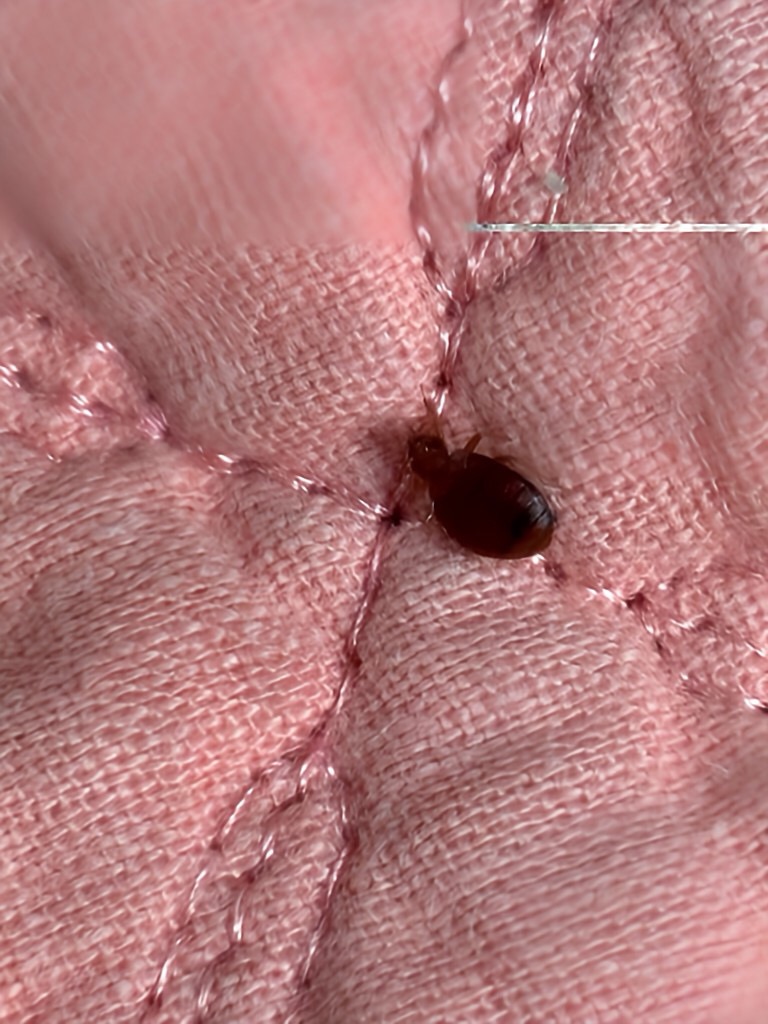
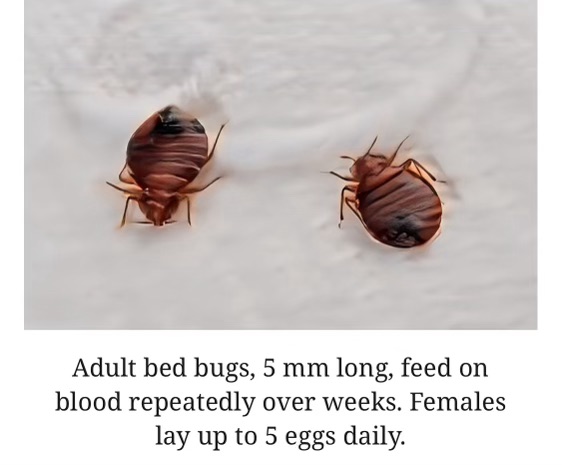
Bed bugs are small, reddish-brown insects with flat, oval-shaped bodies. Adult bed bugs are about the size of an apple seed, measuring approximately 5-7 mm in length. They have six legs, two antennae, and are wingless. Newly hatched bed bugs, known as nymphs, are translucent or whitish-yellow and are much smaller, making them harder to see.

How Can I Tell If I Have Bed Bugs?

Identifying a bed bug infestation can be challenging due to their small size and nocturnal habits. Common signs of bed bugs include:

Bite Marks: Small, red, itchy welts on the skin, often in a line or cluster.

Blood Stains: Small, rusty spots on bed sheets, mattresses, or furniture.

Exoskeletons: Shed skins from growing bed bugs.

Fecal Spots: Tiny black or dark brown spots on bedding, mattresses, or walls.

Musty Odor: A sweet, musty smell, particularly in severe infestations.

How to Identify Bed Bug Bites

Bed bug bites can vary in appearance from person to person, but common characteristics include:

Red, Itchy Welts: Bites often appear as red, raised welts that are itchy and may have a darker red spot in the middle.

Linear Pattern: Bites often occur in a line or cluster, commonly known as “breakfast, lunch, and dinner” patterns, due to the bed bug’s feeding behavior.

Exposed Skin: Bites typically occur on areas of skin exposed while sleeping, such as the face, neck, arms, and hands.

How Did I Get Bed Bugs?

Bed bugs are excellent hitchhikers and can be brought into your home in various ways:

Travel: Staying in infested hotel rooms or using public transportation.

Second-Hand Furniture: Bringing in used mattresses, furniture, or clothing.

Visitors: Guests unknowingly carrying bed bugs into your home.

Multi-Unit Housing: Bed bugs can move between apartments or rooms through walls, floors, and ceilings.

How Can I Get Rid of Bed Bugs?

Eliminating bed bugs requires a thorough and multi-faceted approach:

1. Inspection: Identify all infested areas.

2. Cleaning: Wash and dry bedding, clothing, and curtains at high temperatures. Vacuum your home, including mattresses, carpets, and furniture.

3. Declutter: Reduce hiding places by getting rid of clutter.

4. Encasements: Use bed bug-proof mattress and box spring encasements.

5. Professional Treatment: Hire a pest control professional to apply insecticides or heat treatments.

6. Monitoring: Use bed bug traps to monitor the situation post-treatment.

Can Bed Bugs Cause Health Problems or Spread Diseases?

While bed bugs are not known to spread diseases, their bites can cause several health issues:

Allergic Reactions: Some people may develop severe allergic reactions to bed bug bites.

Infections: Scratching bites can lead to secondary skin infections.

Sleep Issues: The presence of bed bugs can cause anxiety, insomnia, and sleep disturbances.

What Are the Signs of a Bed Bug Infestation?

Key indicators of a bed bug infestation include:

Live Bugs: Seeing live bed bugs on mattresses, bed frames, or furniture.

Bites: Experiencing bites, especially after waking up.

Fecal Spots: Finding dark spots on bedding and furniture.

Eggs and Shells: Discovering tiny, pale eggs or shed exoskeletons.

Where Do Bed Bugs Typically Hide?

Bed bugs prefer to hide in close proximity to their feeding sources. Common hiding places include:

Mattresses and Box Springs: Along seams, tufts, and folds.

Bed Frames and Headboards: In cracks and crevices.

Furniture: Inside cushions, seams, and under cushions.

Walls and Baseboards: In cracks, outlets, and behind wall hangings.

Do Bed Bugs Only Live in Beds?

No, bed bugs do not only live in beds. They can infest a variety of places, including:

Couches and Chairs: Inside and under cushions.

Curtains: Along the seams and folds.

Luggage and Bags: Inside pockets and seams.

Clothing: In piles of clothes or closets.

Electrical Outlets: Inside outlets and behind switch plates.

Do Bed Bugs Mean I Have a Dirty Home?

Having bed bugs is not necessarily a sign of a dirty home. Bed bugs can infest clean and tidy spaces just as easily as cluttered ones. However, clutter provides more hiding spots, making it harder to eliminate an infestation.

What Steps Should I Take If I Suspect a Bed Bug Infestation?

If you suspect you have bed bugs, follow these steps:

1. Inspect: Check your bedding, furniture, and other common hiding places for signs of bed bugs.

2. Contain: Isolate infested items in plastic bags or bins to prevent spreading.

3. Clean: Wash and dry affected items at high temperatures.

4. Vacuum: Thoroughly vacuum your home, especially around infested areas.

5. Contact Professionals: Reach out to a licensed pest control service for treatment.

How Can I Prevent Bed Bugs from Coming Back After Treatment?

To prevent a recurrence of bed bugs:

Regular Inspections: Periodically check for signs of bed bugs.

Avoid Used Items: Be cautious with second-hand furniture and clothing.

Travel Caution: Inspect hotel rooms and keep luggage off the floor.

Encasements: Use mattress and box spring encasements.

Declutter: Keep your home tidy to reduce hiding places.

Seal Cracks: Repair cracks in walls, floors, and furniture.

At ECO Bed Bug Exterminators, we’re committed to providing comprehensive solutions for bed bug control. By understanding the signs, prevention methods, and treatment options, you can protect your property and ensure peace of mind. Contact us today at (410) 929-3420 for expert advice and assistance in managing bed bug infestations effectively.

The Unwelcome Roommates You Never Invited

Welcome back, college students! As you settle into your dorm room and embark on another academic adventure, let’s discuss a less thrilling aspect of campus life: bed bugs. These tiny, blood-sucking critters can quickly turn your cozy abode into a nightmare.

Spotting the Enemy

Bed bugs are masters of disguise. About the size of an apple seed, these reddish-brown or yellowish insects are experts at hiding in mattress seams, box springs, furniture crevices, and even electrical outlets. Think of them as the stealthy ninjas of the insect world.

Signs of Infestation

If you suspect a bed bug invasion, keep an eye out for these telltale signs:

  • Itchy Red Bites: Waking up with mysterious, itchy red bumps could be a sign of bed bug activity. These bites often appear in clusters or lines.
  • Blood Stains: These nocturnal feeders leave behind evidence. Check your sheets for tiny, reddish spots.
  • Shedding Skins: As bed bugs grow, they shed their exoskeletons. Finding these tiny, translucent shells is a clear indication of a problem.
  • Musty Odor: A sweet, musty smell might signal a growing bed bug population. It’s like they’re trying to warn you, but in the most unpleasant way possible.
  • Live Bed Bugs: While rare, seeing an actual bed bug is a definite sign of infestation. They are typically reddish-brown and flat, but can become engorged with blood after feeding.

Prevention is Your Best Defense

Proactive measures can help deter these unwanted guests:

  • Inspect Your Belongings: Before moving into your dorm, give your luggage and belongings a thorough inspection. Bed bugs are notorious hitchhikers. Pay close attention to seams and folds in fabric items.
  • Maintain a Clean Environment: Regularly wash your bedding in hot water and vacuum your room frequently, paying special attention to corners, crevices, and furniture.
  • Be Wary of Secondhand Furniture: Avoid bringing used furniture into your dorm. You never know what uninvited guests might be lurking inside.
  • Use Protective Covers: Consider investing in mattress and pillow covers with zippered enclosures to create a barrier against bed bugs.
  • Educate Your Roommates: A united front is essential in the battle against bed bugs. Encourage your roommates to practice good hygiene and inspect their belongings regularly.

What to Do if You Find Bed Bugs

If you discover signs of a bed bug infestation, don’t panic. Instead, take these steps:

  • Inform Your Resident Advisor: Your RA is your first line of defense. They can provide guidance and support.
  • Document the Infestation: Take photos of the bed bugs and any evidence of their presence. This documentation will be helpful when dealing with your school or landlord.
  • Pack Your Essentials: You might need to temporarily relocate while your room undergoes a thorough cleaning. Avoid bringing infested items with you.
  • Seek Professional Help: For severe infestations, consider contacting a professional pest control service. They have the expertise and equipment to effectively eliminate bed bugs.

Remember, while bed bugs can be a frustrating and stressful experience, they are not unsolvable. By staying vigilant and taking appropriate action, you can regain control of your living space.

Bonus Tip: If you’re moving out at the end of the semester, don’t leave any belongings behind. Bed bugs can survive for months without feeding, so abandoned items can become breeding grounds.

How Bed Bugs Can Affect Outdoor Living Spaces: A Creepy Crawly Conundrum

When you think of bed bugs, you probably picture them snuggled up in your mattress, plotting their next midnight snack. But did you know these tiny pests can also wreak havoc on your outdoor living spaces? Buckle up for a bumpy ride as we explore how bed bugs can turn your garden party into a horror show and what you can do to prevent this creepy invasion!

The Outdoor Undercover Operation

Bed bugs are known for their stealthy ways, but did you know they’re also capable of staging a covert operation in your outdoor living areas? While these pests prefer indoor environments where they have easy access to a meal (you!), they’re not completely adverse to venturing outside. If you’ve got a cozy outdoor patio, a deck, or a gazebo, bed bugs might find their way there if the conditions are just right.

The Great Outdoors: A Risky Business

Imagine you’re hosting a summer BBQ, and while you’re busy flipping burgers and mixing drinks, bed bugs are enjoying their own outdoor feast. Though less common, these critters can hitch a ride from inside to outside, especially if you have furniture, cushions, or throws that are frequently used indoors and moved outside. Here’s how bed bugs can ruin your outdoor fun:

1. Cushion Conflicts: If you’ve moved your comfy indoor cushions to your patio, be aware that bed bugs could be making themselves at home in those cushions. They might be hiding in the seams, just waiting for an opportunity to jump ship and join the party.

2. Furniture Fiascos: Outdoor furniture that has been stored inside during the off-season or recently bought second-hand could be a bed bug hotspot. Bed bugs don’t discriminate based on furniture type, so your stylish outdoor chair could be their new favorite spot.

3. Fabric Frenzy: Outdoor fabrics, such as those used for curtains, tablecloths, and even umbrellas, can also be a hiding place for these pests. Bed bugs love to snuggle up in fabric folds and seams, and they can hitch a ride to your outdoor area without you even knowing.

4. Traveling Bed Bugs: Be mindful that bed bugs can hitchhike on clothing and personal items. If guests bring items from inside to the outdoor space, these critters could potentially spread.

5. Seasonal Considerations: Bed bugs are more active during warmer months, making outdoor areas more vulnerable when the temperature rises. Keep an eye out for any signs of infestation, especially during the summer.

6. Outdoor Storage: Don’t overlook outdoor storage areas like sheds or garages where items might be kept. Bed bugs can easily hide in these spaces and travel with stored items.

The Creepy Crawly Checklist

So, how do you keep these pesky interlopers from crashing your outdoor shindig? Here’s a handy checklist to keep your outdoor space bed bug-free:

1. Inspect and Protect: Regularly check your outdoor furniture and cushions for signs of bed bugs. Look for tiny brown spots (bed bug droppings), shed skins, or even the bugs themselves.

2. Clean and Clean Again: Regularly clean and vacuum outdoor fabrics and cushions. If possible, wash them in hot water and dry them on high heat, as bed bugs can’t survive those conditions.

3. Use Bed Bug-Resistant Covers: Consider using bed bug-resistant covers for your outdoor cushions and furniture. These can act as a barrier, making it harder for bed bugs to invade.

4. Limit Indoor-Outdoor Traffic: Try to minimize the movement of indoor items to your outdoor areas. If you must move things, inspect them thoroughly before bringing them back inside.

5. Professional Help: If you suspect a bed bug invasion has already taken place, don’t hesitate to call in the professionals. They can provide a thorough inspection and effective treatment options.

6. Preventative Treatments: There are bed bug repellents and treatments specifically designed for outdoor use that can provide an extra layer of protection. Consider using them to bolster your defense.

7. Community Awareness: Collaborate with neighbors or local community groups to raise awareness about bed bugs and share preventative tips. A collective effort can help manage the problem on a broader scale.

Don’t Let Bed Bugs Steal Your Outdoor Bliss

While bed bugs may be more commonly associated with indoor environments, they can indeed make their way outside if given the chance. By staying vigilant and following the above tips, you can enjoy your outdoor spaces without the unwanted company of these tiny bloodsuckers. So, next time you’re hosting an outdoor event, you’ll be the one enjoying the party—bed bug-free!

Remember, a little prevention goes a long way. Keep those outdoor spaces as enjoyable and bug-free as your indoor sanctuary, and you’ll be able to focus on the fun rather than the fear of an unexpected invasion. Cheers to a pest-free outdoor season!