One of the most common and terrifying myths about bed bugs is the idea that they jump from person to person like tiny, bloodsucking ninjas. Fortunately, this is just that—a myth! While bed bugs are certainly unpleasant houseguests, they don’t have superpowers. No jumping, no flying, no acrobatics. They’re slow crawlers with a knack for hiding in sneaky places.
The Myth of the Jumping Bed Bug
Let’s clear the air: bed bugs don’t jump, hop, or fly. Unlike fleas, which can leap tall furniture in a single bound, or lice, which cling to you like an annoying acquaintance at a party, bed bugs are ground dwellers. They get around by crawling, and while they’re surprisingly good at it, they won’t be springing from your coworker’s sweater onto your lap.
How Bed Bugs Actually Get Around
Even though bed bugs won’t be making any athletic leaps, they still manage to spread quite effectively. How? They’re world-class hitchhikers! Here’s how they do it:
1. Hitching a Ride: Bed bugs love to catch free rides on luggage, backpacks, and clothing. They’ll crawl into your bag when you’re not looking and settle in for a cozy trip back to your home. So, while they can’t leap from person to person, they can stow away on your belongings like an uninvited guest.
2. Through Walls and Floors: In apartment buildings or hotels, bed bugs can move from room to room through cracks in walls, electrical outlets, and under doors. They’re not fast, but they’re persistent!
3. Secondhand Furniture and Clothes: Got a sweet deal on that vintage couch? Bed bugs may have come with it! Used furniture, especially mattresses and upholstered pieces, can be prime real estate for bed bugs.
Smart Strategies to Keep Bed Bugs Out
While bed bugs can’t jump, you still don’t want them crawling into your home. Here are some easy tips to avoid bringing them back with you:
• Inspect Hotel Rooms: When traveling, always check the mattress, headboard, and nearby furniture for bed bug signs before unpacking.
• Mind Your Luggage: Store bags on metal racks or hard surfaces (bed bugs find it harder to climb these).
• Check Secondhand Finds: Before bringing used furniture or clothing into your home, give them a thorough inspection, especially the seams, cracks, and crevices where bed bugs love to hide.
No Acrobatics Here!
Bed bugs are sneaky, but they’re not winning any gymnastic medals. Their method of travel is slow and steady—they crawl, climb, and cling. You won’t see them springing onto your lap at the coffee shop or taking a flying leap from the subway seat next to you. But it’s still important to stay vigilant, especially when traveling or bringing new items into your home.
Fun Fact: Slow but Steady Crawlers
Did you know? Bed bugs can crawl about four feet per minute. That might sound speedy, but trust us—they aren’t going to outrun you. So while they won’t leap from across the room, they’ll still manage to find their way around with patience and persistence.
Think You Have Bed Bugs? Call ECO Bed Bug Exterminators!
If you suspect bed bugs have hitched a ride into your home, don’t wait for them to settle in. Contact ECO Bed Bug Exterminators for a professional treatment plan tailored to your needs. Our highly trained technicians will thoroughly inspect your home and eliminate the problem, helping you sleep soundly again.
So, while bed bugs might be sneaky crawlers, with the right help, you can stop them in their tracks!
Bed bugs (Cimex lectularius) are those unwelcome guests who crash your bedroom party without an invitation. These tiny, flat, parasitic insects feast on the blood of humans and animals, mostly under the cover of night. They’re masters of hide-and-seek, tucking themselves into mattress seams, bed frames, and furniture. A common question that keeps people up at night (aside from the actual bed bugs) is whether these pests can set up camp in human hair.
Bed Bugs vs. Hair-Dwelling Parasites
Unlike the unwelcome lice and fleas who’ve evolved to turn your hair into a jungle gym, bed bugs are more like the socially awkward guests at a party—they just don’t fit in. Their flat, oval-shaped bodies are designed for slipping into the tiniest of crevices, not for navigating through hair. Bed bugs lack the claws and specialized legs that lice have, making them more suited to playing hide-and-seek in your mattress than climbing the slippery slopes of your hair.
Feeding Patterns and Preferences
Bed bugs are connoisseurs of exposed skin, preferring to feast on faces, necks, arms, and hands. With their elongated beaks, they pierce the skin and enjoy a blood meal for about 5 to 10 minutes before retreating to their hiding spots. If they do nibble near your hairline, it’s purely incidental—they have no interest in making your hair their home.
Myths and Misconceptions
The rumor that bed bugs can live in your hair is probably just another tall tale from the bed bug grapevine. Yes, they might leave bites near your scalp, but finding them nestled in your hair is as rare as finding a needle in a haystack. Bed bugs prefer hiding in undisturbed places during the day and only come out to dine at night.
Can Bed Bugs Get Under Your Skin?
Bed Bug Feeding Mechanism
If the thought of bed bugs makes your skin crawl, relax a little—they can’t actually crawl under it. Bed bugs are ectoparasites, meaning they live on the surface of the skin and feed externally. Using their long, beak-like proboscis, they pierce the skin to access blood vessels. During this midnight snack, they inject saliva with anticoagulants and anesthetics to keep the blood flowing and the bites less noticeable. Sneaky, right?
Skin Reactions to Bed Bug Bites
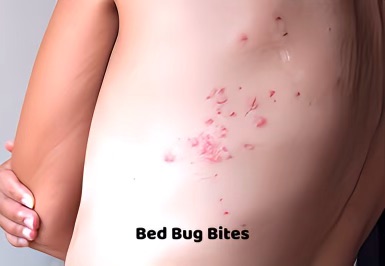
Bed bug bites can cause redness, swelling, and itching, thanks to your immune system’s response to their saliva. While these bites can be annoying and itchy, they don’t mean the bed bugs have burrowed under your skin. They’re just superficial skin invaders.
Differentiating Bed Bug Bites from Other Conditions
Other pests, like scabies mites, do burrow into the skin, causing intense itching and a rash. But bed bug bites are strictly surface-level, like a bad sunburn or a mild allergic reaction.
Addressing Concerns and Proper Treatment
If you find yourself on the losing end of a bed bug feast, over-the-counter treatments like antihistamines and topical corticosteroids can help ease the itch and inflammation. Keep the bites clean and resist the urge to scratch—no matter how tempting it is!
Prevention and Management of Bed Bugs
Inspecting and Identifying Infestations
To keep bed bugs at bay, regularly inspect common hiding spots. Look for telltale signs like small reddish-brown stains on sheets, dark spots of bed bug excrement, or shed exoskeletons. Early detection is key to preventing a full-blown infestation.
Professional Pest Control Solutions
If you suspect bed bugs have moved in, call in the pros. Pest control professionals can accurately identify and effectively treat infestations using a mix of heat treatments, insecticides, and thorough cleaning.
Final Thoughts
Bed bugs might be persistent party crashers, but understanding their behavior and biology can help you kick them out for good. They don’t live in human hair or burrow under the skin. Stay informed, take proactive measures, and you can minimize the impact of these unwelcome guests.
When using bed bug foggers, there are potential risks and side effects that should be taken into consideration. Here are a few:
1. Health Risks: Bed bug foggers release a pesticide fog into the air, and inhaling or coming into direct contact with these chemicals can pose health risks. Pesticides contain active ingredients that are intended to kill insects, but they can also be harmful to humans and pets. Some individuals may experience respiratory irritation, allergic reactions, dizziness, headaches, or nausea. It is important to carefully follow the instructions provided by the manufacturer to minimize exposure.
2. Inadequate Coverage: Bed bug foggers have limitations when it comes to coverage and penetration. They may not effectively reach deep cracks, crevices, or hidden areas where bed bugs typically hide. As a result, untreated areas may remain, allowing the infestation to persist or reoccur.
3. Resistance Concerns: Over time, bed bugs have developed resistance to certain pesticides. Some foggers may contain these less effective pesticides, which can further reduce their impact on the bed bug population. If bed bugs are resistant to the active ingredients in the fogger, it may result in incomplete elimination of the infestation.
4. Fire Hazards: Bed bug foggers are flammable and can pose a fire hazard if not used properly. The aerosol propellant in foggers is highly combustible. It is important to turn off all sources of ignition, such as pilot lights, and follow the safety instructions provided by the manufacturer.
5. Ineffective against Eggs: Bed bug foggers primarily target adult bed bugs and may have limited effects on bed bug eggs. Bed bugs lay eggs in various locations, including deep within cracks and crevices. Foggers may not adequately reach these areas, allowing eggs to hatch and continue the infestation cycle.
6. Environmental Impact: The use of foggers releases pesticides into the environment, which can have unintended consequences. It may harm beneficial insects, contaminate water sources, or have negative effects on other non-target organisms. It is crucial to follow proper disposal methods and consider the potential impact on the environment.
To mitigate these risks and ensure safe and effective bed bug control, it is advisable to carefully read and follow the instructions provided with the fogger, use protective measures such as wearing gloves and masks, ensure proper ventilation, and consider seeking professional pest control services for severe or recurring infestations.
Bed bug infestations can be a nightmare, causing discomfort and sleepless nights. When faced with these persistent pests, homeowners often explore various methods to eliminate them. One popular option is the use of bed bug foggers, also known as bug bombs or aerosol foggers. In this blog, we will examine the effectiveness of bed bug foggers and explore whether they are a reliable solution for tackling bed bug infestations.
Understanding Bed Bug Foggers:
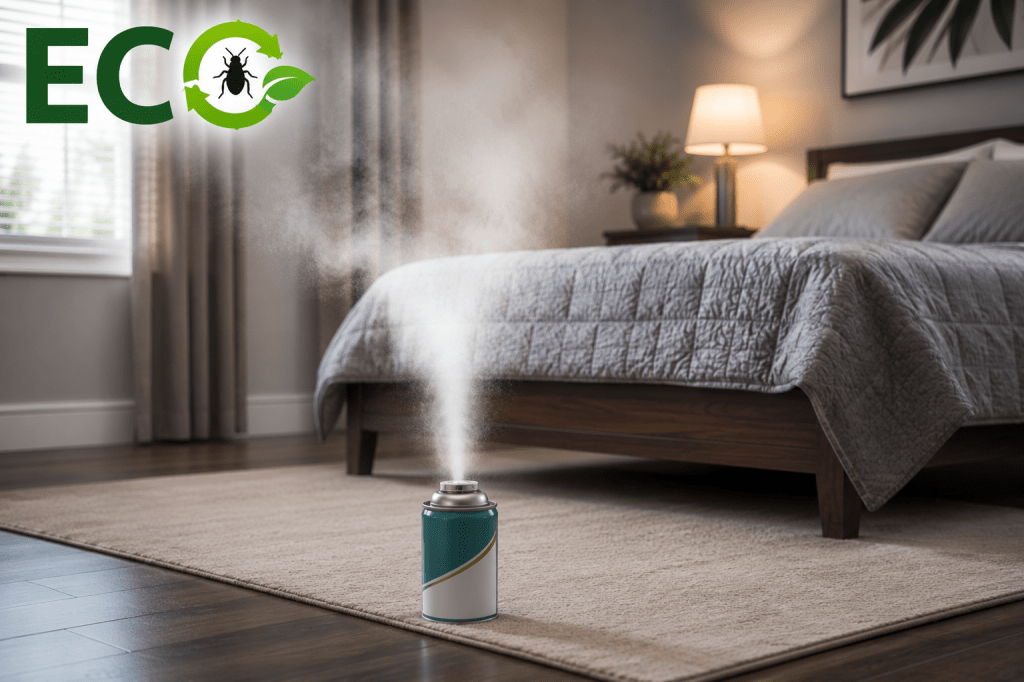
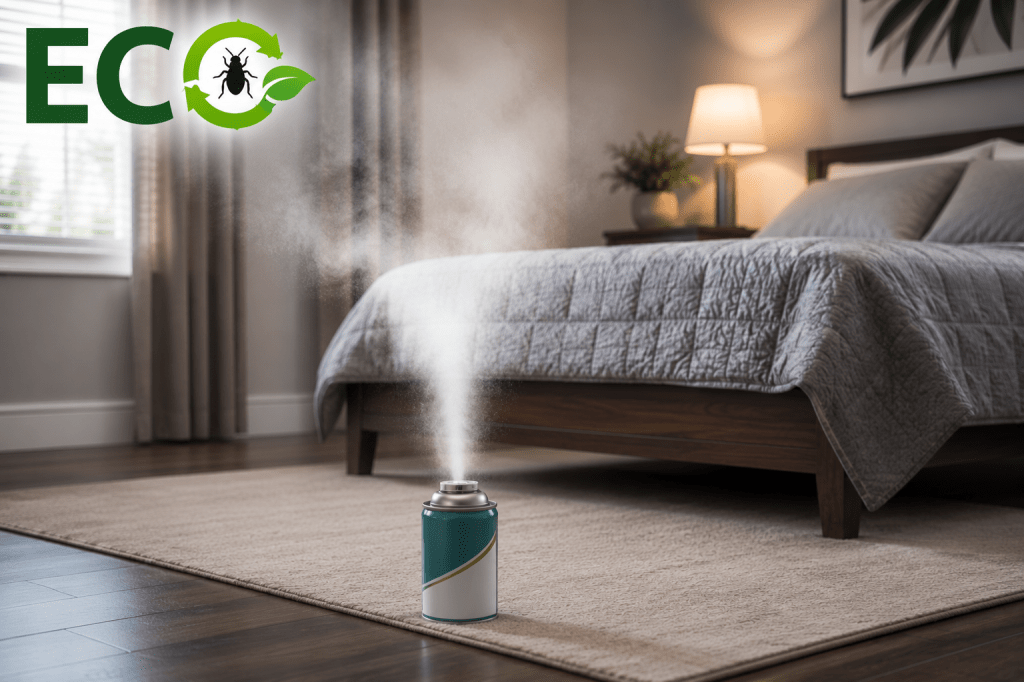
Bed bug foggers are canisters that release a pesticide fog when activated. The fog is intended to disperse throughout the room, reaching areas where bed bugs may be hiding. These foggers are often marketed as a convenient, do-it-yourself solution for eliminating bed bugs without the need for professional pest control.
The Limitations of Bed Bug Foggers:
While bed bug foggers may seem appealing, it is important to consider their limitations and potential drawbacks. Here are a few factors to consider:
1. Ineffectiveness on Hidden Bed Bugs:
Bed bugs are experts at hiding in cracks, crevices, and other hard-to-reach areas. Foggers primarily target exposed surfaces and the air, making it difficult for the pesticide fog to penetrate deep into the hiding spots where bed bugs reside. This can result in untreated areas, allowing the infestation to persist and potentially reemerge.
2. Resistance and Incomplete Elimination:
Bed bugs have developed resistance to certain pesticides over time. Some foggers may contain pesticides that bed bugs are less susceptible to, reducing their effectiveness. Additionally, foggers may not completely eliminate all bed bugs, especially if some have found refuge in areas not reached by the fog. This can lead to a recurring infestation.
3. Lack of Residual Control:
Most bed bug foggers provide only immediate contact kill, meaning they kill the bed bugs that come into direct contact with the fog. However, they do not provide long-term residual control, which is crucial for preventing new bed bugs from entering the treated area or surviving after fogging. Without residual control, reinfestation becomes a possibility.
4. Health and Safety Concerns:
Using foggers involves releasing a considerable amount of pesticide into the air. This can pose health risks if not used correctly or if occupants are not properly protected. It is essential to follow the manufacturer’s instructions meticulously and take appropriate safety precautions, such as vacating the treated area, covering food and utensils, and ensuring proper ventilation.
When to Consider Professional Pest Control:
Given the limitations of bed bug foggers, it is advisable to consider professional pest control services for severe or persistent bed bug infestations. Professional exterminators have the expertise, knowledge, and access to more effective treatment methods, including targeted insecticides, heat treatments, and steam treatments. They can assess the extent of the infestation, customize a treatment plan, and provide follow-up inspections to ensure complete eradication.
Conclusion:
While bed bug foggers may seem like a convenient and cost-effective solution for tackling bed bug infestations, their effectiveness is often limited. These foggers may not reach hidden bed bug populations or provide long-term residual control. In cases of severe or recurring infestations, it is recommended to seek professional pest control services to ensure comprehensive and successful eradication. Remember, when it comes to bed bugs, it’s crucial to be thorough and consider all available options for effective control and peace of mind.
Bed bugs, those tiny, blood-sucking critters, have a knack for making our lives miserable. But when it comes to our little ones, the worry factor can skyrocket. So, let’s dive into the bed bug bite question: are they really worse for kids?
The Bed Bug Bite Basics
Before we tackle the kid-specific issue, let’s quickly recap what bed bug bites are all about. These pesky little vampires feed on human blood, and when they bite, they inject a numbing agent. This is why you often don’t feel the bite happening. It’s like a tiny, stealthy vampire attack!
Bed Bug Bites and Kids: A Closer Look
Now, the burning question: Are bed bug bites more serious for kids? The short answer is… it’s complicated.
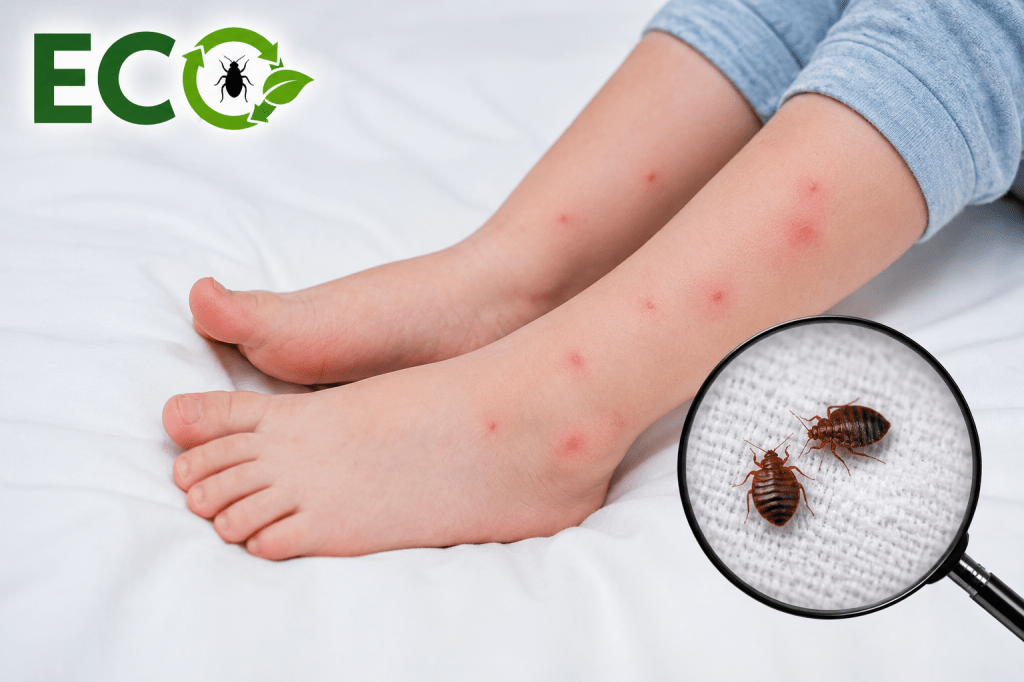
• Itchy, Itchy, Itch: Kids, like adults, will experience itching from bed bug bites. However, due to their sensitive skin, the itch might be more intense for them. And let’s face it, kids are less likely to resist scratching, which can lead to infections.
• Sleep Disruptions: A good night’s sleep is crucial for growing bodies. Bed bug bites can cause discomfort and disrupt sleep, leading to irritability and fatigue in kids.
• Emotional Impact: While it might sound dramatic, bed bug infestations can cause emotional distress in children. Imagine waking up to itchy red bumps and not understanding what’s happening. It’s a recipe for nightmares (literally and figuratively).
Mythbusting: Bed Bug Bites and Serious Health Risks
Let’s clear up a common misconception: bed bug bites are generally not a serious health risk. While they can be incredibly annoying and uncomfortable, they don’t typically transmit diseases. So, no need to panic!
Protecting Your Little Ones
So, how can you protect your kids from these pesky critters? Here are a few tips:
• Inspection Station: Regularly check mattresses, box springs, and bedding for signs of bed bugs.
• Travel Wisely: When traveling, keep luggage off the floor and inspect hotel rooms carefully.
• Wash and Dry: Wash bedding in hot water and dry on high heat to kill any bed bugs.
• Encase Mattresses: Invest in bed bug-proof mattress and box spring encasements. These act as a barrier, making it harder for bed bugs to reach your child.
• Call in the Pros: If you suspect an infestation, don’t hesitate to call a professional pest control company.
What to Do If Your Child Gets Bitten
If your child does end up with bed bug bites, here’s what you can do:
• Cool Compresses: A classic for a reason! Apply a cool compress, like a washcloth soaked in cold water, to the itchy area. This can help reduce inflammation and provide temporary relief.
• Oatmeal Baths: Oatmeal has long been known for its soothing properties. Add uncooked oatmeal to a lukewarm bath and let your child soak for 15-20 minutes. Pat them dry gently afterwards.
• Calamine Lotion: This over-the-counter lotion can help relieve itching and irritation. However, always consult a pediatrician before using any new product on your child, especially if they have sensitive skin.
• Distraction is Key: Sometimes, the best way to deal with an itch is to take your child’s mind off it. Engage them in a fun activity, read a story, or cuddle up for a movie night.
Important Note: Avoid scratching! While it might feel satisfying in the moment, scratching can break the skin and increase the risk of infection. Keep your child’s nails trimmed short and consider using mittens at night to prevent scratching during sleep.
By following these tips, you can help your child find relief from itching and ensure they get a good night’s sleep. While bed bug bites can be a nuisance, especially for kids, proper prevention and treatment can help you regain control of your home. If the itching is severe or doesn’t improve with home remedies, don’t hesitate to consult your pediatrician. Sweet dreams!
For professional help, reach out to ECO Bed Bug at 410.324.6223 for your bed bug solution.
Dealing with a bed bug infestation is often more than just an inconvenience; it can profoundly affect your mental and emotional well-being. Beyond the physical discomfort of itchy bites and sleepless nights, many individuals experience stress, anxiety, and even depression due to the presence of these pests. In fact, a recent study found that nearly 60% of people dealing with bed bug infestations report feelings of anxiety or hopelessness.
As World Mental Health Day approaches on October 10th, it serves as a crucial reminder of the importance of mental well-being, especially when facing stressors like bed bug infestations. In this blog, we’ll explore how bed bugs can affect your mental health and why addressing these psychological effects is as vital as eliminating the infestation.
1. Constant Fear and Anxiety
The mere knowledge that bed bugs are in your home can create an overwhelming sense of anxiety. These tiny, elusive creatures hide in cracks and crevices, coming out at night to feed. This unpredictability leads to a constant sense of dread, particularly around bedtime. People suffering from infestations often develop a heightened fear of sleeping or resting in their own beds.
This anxiety extends beyond the bedroom, as individuals may become hyper-aware of their surroundings, constantly checking for signs of bed bugs in other places like their workplace or the homes of friends and family. The fear of spreading the infestation can lead to social anxiety and withdrawal from daily activities.
2. Sleep Deprivation and Its Consequences
Bed bugs are nocturnal and feed during the night, often resulting in significant disruptions in sleep. Many individuals with infestations report difficulties falling asleep or staying asleep due to fear of being bitten. Over time, this lack of sleep can lead to chronic sleep deprivation, which has well-documented effects on mental health.
When sleep is disrupted, your body and mind do not receive the rest they need to recover. This can lead to a host of mental health issues, including:
For some people, a bed bug infestation can trigger symptoms similar to Post-Traumatic Stress Disorder (PTSD). The psychological trauma of constantly dealing with bites, spotting bugs in the home, and the lingering fear that the infestation isn’t truly gone can create long-lasting effects. Even after the infestation is eradicated, some individuals may continue to experience fear of re-infestation, nightmares about bed bugs, and an exaggerated startle response when they encounter insects of any kind.
In severe cases, individuals may develop delusional parasitosis, a condition where they become convinced they are still infested with bed bugs (or other parasites) long after the actual infestation has been treated. This can lead to obsessive cleaning and scrubbing, skin picking, and anxiety that requires professional mental health intervention.
4. Social Isolation and Stigma
Bed bugs carry a significant social stigma. People may feel embarrassed about having an infestation, even though bed bugs can affect anyone, regardless of how clean or tidy their home is. This stigma can cause individuals to withdraw socially out of fear of judgment or rejection. Some may avoid visiting family and friends or stop inviting people to their homes, afraid of spreading the infestation or being perceived as “dirty.”
The emotional burden of feeling isolated can compound other mental health issues, such as depression or anxiety. For those with limited support systems, the lack of social interaction can exacerbate feelings of loneliness and hopelessness.
5. Financial Stress and Its Mental Health Impact
Dealing with a bed bug infestation can be expensive. Professional extermination, replacing furniture, laundering clothes, and other treatments can add up quickly. For individuals with limited financial resources, the stress of handling these unexpected expenses can be immense. This financial strain can lead to feelings of hopelessness, frustration, and anxiety about the future.
For some, the financial burden may delay proper treatment, prolonging the infestation and worsening the mental health toll. The longer bed bugs persist, the more entrenched the emotional effects become.
6. Depression and Feelings of Hopelessness
The cumulative stress from the factors mentioned above—sleepless nights, anxiety, isolation, and financial strain—can lead to depression. People living with bed bugs often feel overwhelmed and powerless, especially if repeated attempts to eliminate the infestation are unsuccessful. This can lead to feelings of hopelessness and, in severe cases, clinical depression.
It’s essential to recognize the signs of depression, which may include:
• Persistent feelings of sadness or hopelessness
• Loss of interest in activities once enjoyed
• Fatigue and lack of energy
• Difficulty concentrating
• Changes in appetite or sleep patterns
If you or someone you know is experiencing these symptoms, it’s critical to seek help from a mental health professional.
7. Coping Strategies for Mental Health During a Bed Bug Infestation
While bed bugs can have a profound impact on your mental health, there are ways to mitigate the emotional toll:
• Acknowledge the emotional impact: Don’t dismiss your feelings or downplay the stress caused by an infestation. Recognizing the psychological strain can be the first step toward seeking help.
• Get professional treatment: Early intervention is key. A professional exterminator can provide an effective solution to eliminate the infestation, alleviating much of the anxiety and stress.
• Maintain a routine: Try to keep your regular routine as much as possible to avoid isolation and focus on positive, productive activities.
• Seek support: Talk to friends, family, or a mental health professional about what you’re experiencing. Sometimes, sharing your concerns can ease the burden.
• Focus on self-care: Engage in activities that promote relaxation and well-being, such as exercise, meditation, or spending time outdoors.
A Reminder for World Mental Health Day
World Mental Health Day on October 10th serves as a reminder that mental health is just as important as physical health. If you’re dealing with a bed bug infestation, it’s crucial to not only seek professional extermination but also pay attention to your mental health.
At ECO Bed Bug Exterminators, we understand the emotional toll that a bed bug infestation can take. We are here to assist you and will work with you to devise a tailored treatment plan to eliminate the infestation and restore peace of mind. Our experienced team is equipped to handle infestations with care and professionalism, allowing you to regain control of your home and well-being.
Take this opportunity to evaluate how the stress and anxiety caused by bed bugs may be affecting your emotional well-being. Don’t hesitate to seek support, whether from friends, family, or a mental health professional. Prioritizing your mental health can make all the difference in how you cope with stressful situations, including a bed bug infestation.
Conclusion
Bed bugs are more than just a physical inconvenience; they can cause significant emotional and psychological distress. The anxiety, sleep deprivation, social isolation, and financial strain associated with bed bug infestations can take a serious toll on your mental health. As World Mental Health Day approaches, it’s the perfect time to reflect on how stressors like bed bugs can affect your emotional well-being and the importance of seeking both professional treatment and emotional support.
At ECO Bed Bug Exterminators, we are committed to not only eradicating bed bugs but also supporting our clients throughout the process. Reach out to us to discuss how we can help you take back control of your home.
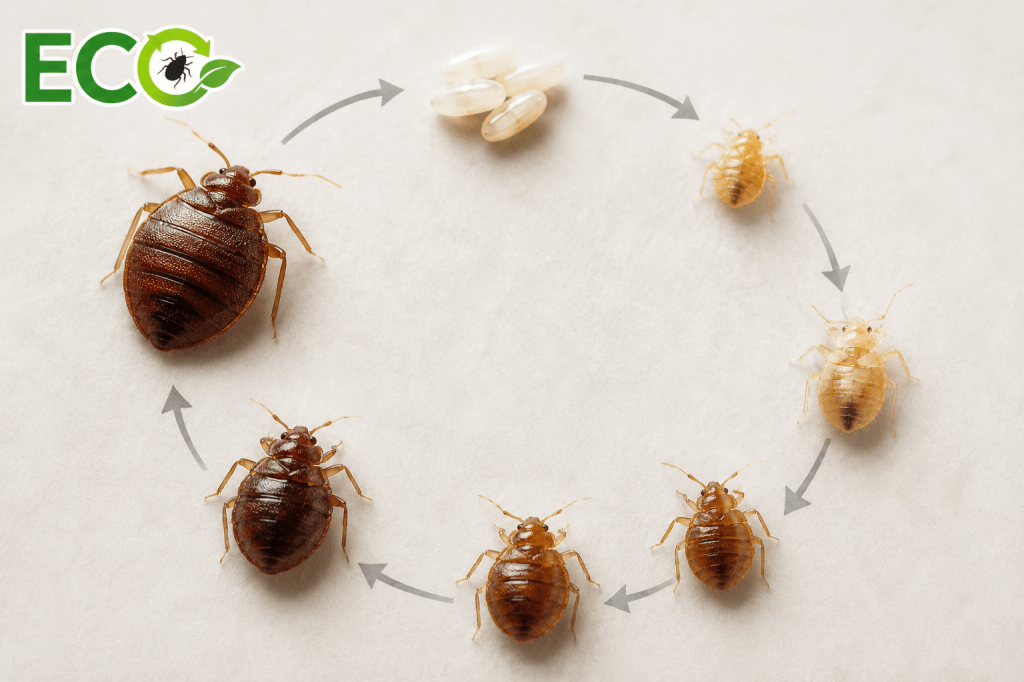
Bed bugs are a common household pest that can cause significant discomfort and stress. Understanding what baby bed bugs look like, particularly during their infant stage, is crucial for identifying and addressing an infestation early.
Appearance of Baby Bed Bugs
Baby bed bugs, also known as nymphs, go through five developmental stages before reaching adulthood. Here’s what you need to know about their appearance:
1. Size: Nymphs are extremely small, especially in the early stages. They can be as tiny as 1 mm (about the size of a pinhead) when they first hatch.
2. Color: Freshly hatched nymphs are nearly colorless or a very light tan. As they feed on blood, they gradually turn a reddish-brown color.
3. Shape: Like adult bed bugs, nymphs have a flat, oval shape. However, they are more translucent when unfed and become more opaque after feeding.
4. Exoskeleton: Nymphs have a thin exoskeleton, which they shed several times as they grow. These shed skins, known as exuviae, are often found in infested areas and can be a sign of an ongoing infestation.
5. Visibility: Due to their small size and light color, nymphs can be difficult to spot with the naked eye, especially against light-colored backgrounds.
Life Cycle and Behavior
Understanding the life cycle of bed bugs helps in identifying and controlling an infestation:
• Egg Stage: Bed bug eggs are white, tiny (about 1 mm), and typically found in hidden areas like mattress seams, furniture crevices, and baseboards.
• Nymph Stages: There are five nymph stages, with each stage requiring a blood meal before molting to the next stage. Nymphs are more likely to be active and feed at night.
• Growth and Feeding: Nymphs must feed on blood to grow and progress to the next stage. Each feeding session lasts 3-10 minutes. As they molt, they leave behind exoskeletons, which are signs of their presence.
Signs of Infant Stage Infestations
Early detection of bed bug nymphs can prevent a minor issue from becoming a major infestation. Here are signs to look out for:
• Bite Marks: Bed bug bites often appear in a line or cluster and can cause redness, itching, and swelling.
• Blood Stains: Small blood stains on bedding or furniture may indicate feeding activity.
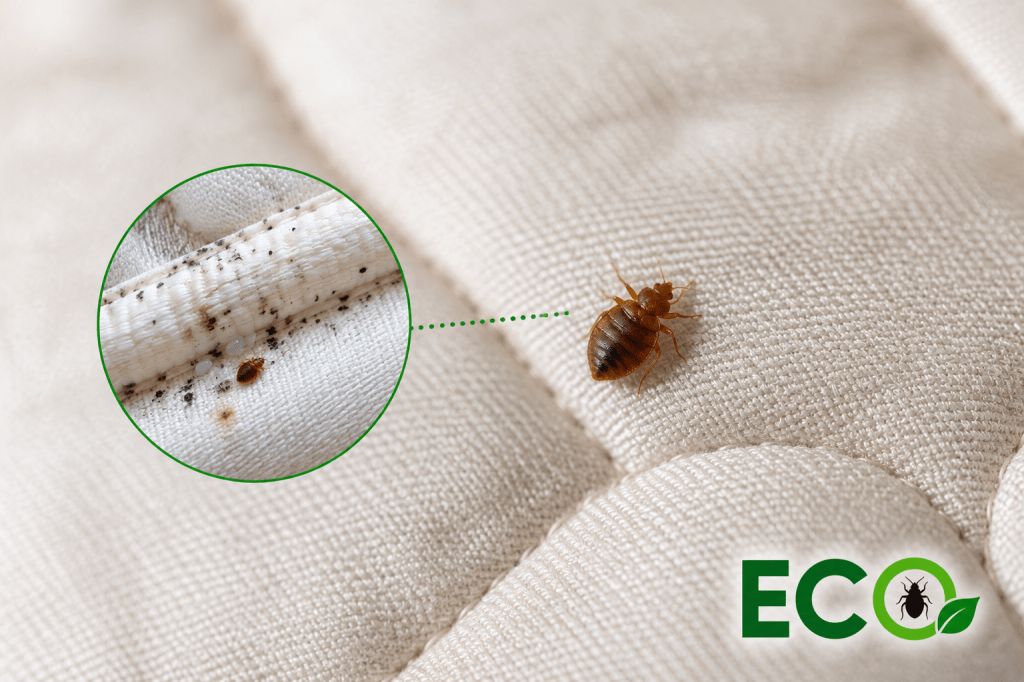
• Fecal Spots: Tiny, dark spots (about the size of a pen tip) on bedding, walls, or furniture are bed bug fecal matter.
• Shed Skins: Finding tiny, translucent shed skins in and around sleeping areas can be a clear indicator of nymph presence.
Prevention and Control
Preventing and controlling bed bug infestations involves vigilance and prompt action:
• Regular Inspections: Regularly inspect sleeping areas, especially mattress seams, box springs, and furniture crevices.
• Cleaning: Keep sleeping areas clean and clutter-free to reduce hiding places. Regularly wash and dry bedding on high heat.
• Sealing Cracks: Seal cracks and crevices in walls and furniture to minimize hiding spots.
• Professional Help: If you suspect an infestation, consider contacting a pest control professional for thorough inspection and treatment.
By understanding what baby bed bugs look like and recognizing the signs of an infestation, you can take proactive steps to protect your home and maintain a pest-free environment. Early detection and intervention are key to preventing a small problem from becoming a significant issue.
Bed bugs are a persistent pest that can disrupt your sleep and well-being. Fortunately, early detection is paramount for successful eradication. Implementing a program of routine inspections and thorough cleaning practices empowers you to identify and address a potential infestation before it spreads.
The Importance of Early Intervention
Early detection is critical in bed bug control. These insects reproduce rapidly, transforming a small population into a significant problem within a short timeframe. By identifying an infestation early, you can implement targeted treatment methods, minimizing disruption and expense.
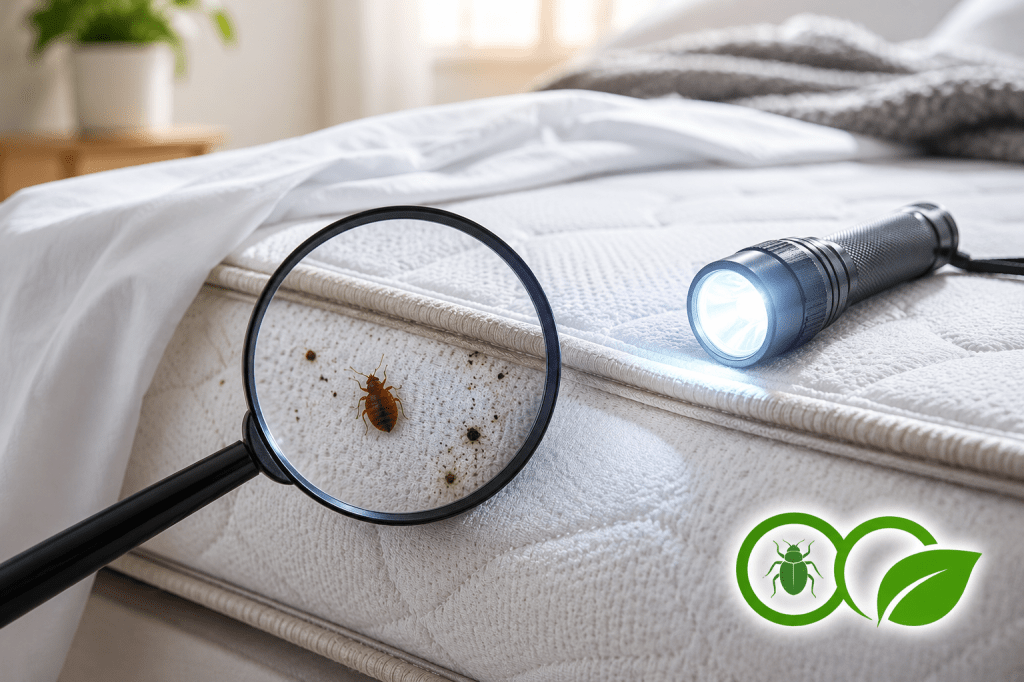
Assembling Your Bed Bug Detection Toolkit
To become a proficient bed bug inspector, you’ll require the following tools:
High-Powered Flashlight: Bed bugs thrive in dark environments. Opt for a flashlight with a focused beam to illuminate hidden crevices.
Magnifying Glass: Enhance your ability to detect minute signs of bed bug activity, such as shed skins or eggs.
Straightedge or Credit Card: Utilize a thin, firm object to slide into tight spaces and dislodge hiding bed bugs.
Targeted Inspection Zones: Where Bed Bugs Hide
Focus your inspections on areas where bed bugs are most likely to reside, particularly around your sleeping quarters:
Mattress and Box Spring: Meticulously examine seams, folds, tufts, and labels for signs of bed bug activity,including rust-colored stains (bed bug droppings) or shed skins.
Bed Frame and Headboard: Inspect cracks, crevices, and around hardware for potential hiding spots. Don’t neglect the area behind the headboard.
Baseboards and Furniture: Run your flashlight along these areas, paying particular attention to joints, corners,and upholstery seams.
Luggage and Clothing: Upon returning from travel, unpack luggage away from your bed and inspect seams and folds for signs of bed bugs.
Maintaining a Clean Environment Deters Bed Bugs
Regular cleaning complements thorough inspections. By eliminating clutter and potential hiding spots, you create a less hospitable environment for bed bugs. Here are key cleaning strategies:
Thorough Vacuuming: Employ the crevice tool on mattresses, box springs, furniture, and baseboards.Immediately dispose of the vacuum cleaner bag in a sealed trash bin outdoors.
Hot Water Laundry: Washing bedding in hot water (above 140°F) effectively eliminates bed bugs and their eggs.During a suspected infestation, laundering bedding weekly is recommended.
Decluttering: Minimize clutter, particularly around your bed and in other rooms, to reduce potential hiding spaces for bed bugs.
Proactive Protection: Encasement Measures
Encasing your mattress and box spring in a specialized, tightly woven cover traps any existing bed bugs or eggs. This containment strategy prevents them from spreading and facilitates eradication efforts.
Consulting a Professional:
If you suspect a bed bug infestation, do not hesitate to contact us at (410) 929-3420. We possess the expertise and specialized tools necessary to effectively eliminate these unwelcome guests.
By implementing a program of regular inspections, meticulous cleaning practices, and potentially preventative encasement measures, you can significantly reduce the risk of a bed bug infestation. Remember, early detection is crucial for successful eradication.
Ah, back-to-school season—a time of fresh pencils, new backpacks, and the subtle scent of anxiety wafting through the air. But before you celebrate your newfound freedom (finally, a quiet house!), beware! Your little ones might be bringing home more than just homework and questionable lunch trades. Yes, I’m talking about bed bugs—the tiny hitchhikers with a taste for blood and a knack for making you lose sleep.
The Uninvited Guests
You might think bed bugs are just an urban legend, like the Loch Ness Monster or kids actually enjoying math. But these pesky little critters are very real and have been known to set up shop in schools. Why? Because schools are like all-you-can-eat buffets with a never-ending supply of fresh, juicy humans. Gross? Absolutely. But it’s reality.
So, how can you make sure your kid isn’t the one who brings home a new set of six-legged friends? Here’s your back-to-school bed bug survival guide—peppered with just enough humor to keep the nightmares at bay.
1. The Backpack Blues
Kids love dragging their backpacks through the mud, the rain, and apparently, bed bug-infested classrooms. Before you let that backpack cross the threshold of your home, give it a good inspection. I’m talking about the kind of inspection you give after hearing a strange noise in the house at 3 a.m.
Pro Tip: If you find anything suspicious—like a tiny bug waving at you—consider quarantining the backpack. Better yet, set it on fire (okay, don’t actually set it on fire, but maybe consider a deep clean).
2. Check the Clothing (No, Not for Fashion)
You know that adorable outfit you picked out for picture day? Well, it could be a bed bug’s new favorite hangout. When your kids get home, check their clothes for any unwanted passengers. The easiest way? Make them change out of their school clothes as soon as they walk in the door. It’s not like they were going to wear them again tomorrow anyway.
Pro Tip: Wash school clothes in hot water. Bed bugs hate heat almost as much as kids hate eating vegetables.
3. Nighttime Bed Bug Patrol
Every night, as you tuck your little ones into bed, take a quick glance at their sleeping area. Are there any mysterious bites that weren’t there this morning? Is the mattress making tiny scratching sounds? If so, you might have an unwanted visitor. But don’t panic—at least not yet.
Pro Tip: Arm yourself with a flashlight and a magnifying glass. You’ll feel like Sherlock Holmes, minus the deerstalker hat (or keep the hat if it makes you feel more detective-like).
4. Teach Your Kids Bed Bug Etiquette
You’ve taught them “stranger danger,” but have you taught them “bed bug danger?” It’s time for a crash course. Explain to your kids that while it’s great to share toys, sharing bed bugs is a no-no. Encourage them to keep their belongings in their own space and to be wary of stray bugs on desks, chairs, or, heaven forbid, inside their lockers.
Pro Tip: Make it fun! Turn it into a game called “Spot the Bed Bug” and offer a reward for every successful (false) alarm. Sure, it might make them paranoid, but better safe than scratching.
5. The Art of Decluttering
Bed bugs love clutter like kids love candy. The more stuff there is lying around, the more hiding spots they have. So, as part of your back-to-school prep, get your home in order. Declutter those rooms, especially where your kids like to throw their backpacks, shoes, and everything else they own.
Pro Tip: Think of it as a back-to-school cleansing ritual. Out with the old, in with the new, and no room for freeloading bugs.
6. The Bus: A Rolling Bed Bug Motel
School buses can be a paradise for bed bugs—lots of warm seats, plenty of human hosts, and no one checking for tiny trespassers. Teach your kids to keep their backpacks on their laps and not on the floor, where bugs might be lurking, ready to climb aboard.
Pro Tip: If your child insists on bringing home half the playground in their backpack, consider investing in a bed bug-proof cover. It’s like a superhero cape for backpacks!
7. What to Do If the Bugs Win
So, despite your best efforts, your home has become a bed bug Airbnb. First, take a deep breath. You’re not alone—many have faced the same itchy situation. Next, call in the professionals. Trying to DIY your way out of a bed bug infestation is like trying to catch a unicorn with a butterfly net—futile and potentially dangerous.
Pro Tip: In the meantime, vacuum like your life depends on it and invest in some bed bug-proof mattress covers. And maybe a large bottle of wine for yourself.
Final Thoughts: Bed Bug-Free Zone
The school year should be about learning, growing, and making memories—not about battling bed bugs. With a little vigilance, some proactive steps, and a dash of humor, you can keep your home bed bug-free and ensure that the only bugs in your life are the ones your kids bring home from science class.
Remember, it’s a jungle out there, but you’ve got this. Happy back-to-school season—bed bugs need not apply!
If you suspect a bed bug infestation, reach out to ECO Bed Bug at 410.324.6223. ECO will work with you to develop a customized solution to address your needs.
Bed bugs are the undisputed champions of hide-and-seek, and their ability to sneak into the most unexpected places can make even the most vigilant homeowner’s skin crawl. While everyone knows to check the usual suspects—mattresses, bed frames, and upholstered furniture—there are some truly surprising spots where these little critters might be setting up camp. So, grab a flashlight and prepare for an adventurous journey through the lesser-known hideouts of bed bugs!
1. Behind the Picture Frames
You might admire the beautiful artwork on your walls, but what’s happening behind the frames could be a horror show. Bed bugs are surprisingly skilled at squeezing into tiny crevices. If you haven’t moved your pictures in a while, it might be time for a little behind-the-scenes check. Bed bugs love the space between the wall and the frame—out of sight and out of mind.
2. In Electrical Outlets and Switch Plates
Ever thought about the possibility of bed bugs cozying up in your electrical outlets? It sounds like science fiction, but these pests can indeed crawl into the gaps behind your outlet covers. The warmth of the wiring and the darkness behind the plate create an inviting little hideaway for them. It’s a good idea to keep an eye on these spots, especially if you notice any unusual activity nearby.
3. In Your Luggage
Planning a vacation or just returning from one? Your luggage is like a five-star hotel for bed bugs. They can hitch a ride on your bags and then set up a new residence in your closet or under your bed. To avoid this unpleasant souvenir, give your luggage a thorough inspection before bringing it into your home.
4. Within the Walls and Baseboards
Bed bugs are masters of stealth, often making their way into wall voids and under baseboards. They can travel through tiny cracks and gaps in search of new places to infest. The area behind baseboards is an especially sneaky location—out of sight, but not out of reach for these tiny invaders.
5. In Your Books and Magazines
If you’re an avid reader, bed bugs might be making themselves at home in your book collection. They can hide between the pages of your favorite novels and magazines. So, if you’re wondering why you’re feeling itchy while reading, it might be time to give those books a closer inspection.
6. Inside Your Appliances
Appliances might seem like an odd place for bed bugs, but think about it: they offer warmth and a dark environment. Bed bugs can nest in appliances like toasters, microwaves, and even inside the ventilation areas of refrigerators. It’s not a common hiding spot, but it’s worth checking if you’ve got a particularly stubborn infestation.
7. Under the Carpet Edges
Bed bugs might be tiny, but they’re not too tiny to notice the edges of your carpets. If you’ve got loose or fraying carpet edges, these can be prime real estate for bed bugs. They love to hide where it’s dark and undisturbed, making the edge of your carpet an ideal spot.
8. Underneath or Inside Drawer Handles
Bed bugs can squeeze into the small crevices inside and around drawer handles, especially if the handles are hollow or have gaps. It’s an often overlooked spot where they might make their home.
9. Inside Remote Controls and Electronics
The warmth and dark spaces inside remote controls, TVs, and other electronics can be attractive to bed bugs. They can sneak into these devices through small openings, making your gadgets an unlikely hiding spot.
10. Behind Loose Wallpaper
Loose or peeling wallpaper creates a space that’s perfect for bed bugs to hide. The gap between the wallpaper and the wall is an ideal environment for these pests to remain undetected.
11. In Stuffed Animals and Plush Toys
Stuffed animals and plush toys, especially those that aren’t frequently cleaned, can harbor bed bugs in their seams and stuffing. These cuddly toys can become unwitting hosts to these pests.
12. In Storage Bins and Boxes
Bed bugs can invade storage bins and boxes, particularly if they’re kept in dark and undisturbed areas like attics, basements, or closets. It’s important to inspect these areas if you suspect an infestation.
13. Underneath and Inside Furniture Legs
The crevices and hollow parts of furniture legs, especially if they are made of wood, can serve as a hiding spot for bed bugs. They can nest in these areas, hidden from plain sight.
14. Behind or Inside Curtain Rods
Curtain rods, with their small gaps and spaces, can be perfect for bed bugs to hide. They can nest behind or inside these rods, making them a sneaky hiding spot.
15. In Your Pet’s Bedding
Bed bugs can potentially hide in your pet’s bedding or the crevices of pet furniture. If you have pets, it’s a good idea to check their bedding regularly for any signs of infestation.
Conclusion
Bed bugs are the ultimate hide-and-seek champions, making it crucial to look beyond the obvious hiding spots. Keeping a vigilant eye on these unlikely places can help you catch and address infestations before they become a major problem. So, the next time you find yourself itching for no reason, remember: the bed bug might be hiding in your picture frames, electrical outlets, or even your favorite book. Stay vigilant and keep those pests guessing where you’ll look next!
For professional help, reach out to ECO Bed Bug at 202-709-7490 for your bed bug solution.