
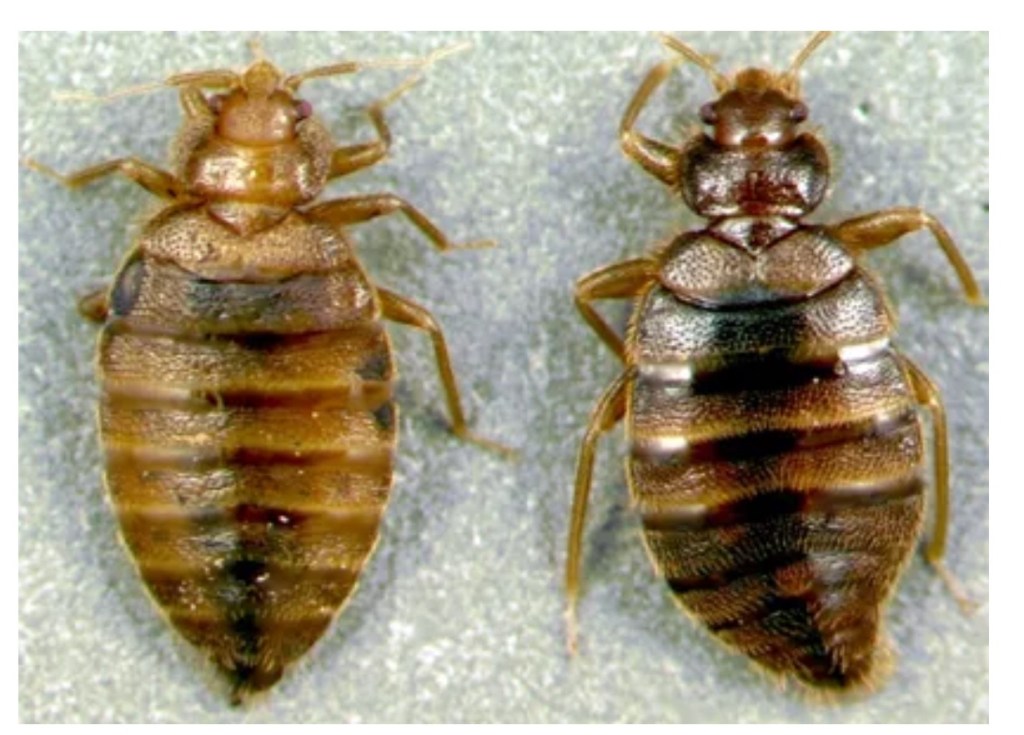
For many years, pest control professionals have battled the common bed bug (Cimex lectularius), a persistent blood-feeding parasite that plagues homes and hospitality establishments alike. Now, a new challenge is emerging: the tropical bed bug, Cimex hemipterus. This closely related species raises significant concerns due to its potential for wider spread and increased difficulty in eradication.
Understanding the Tropical Bed Bug
The tropical bed bug thrives in warm, humid environments. Historically confined to tropical and subtropical regions, factors such as increased global travel and climate change are contributing to its northward expansion. In the United States, confirmed cases have already been documented in Florida and Hawaii.
Key Distinctions from the Common Bed Bug
While both bed bug species feed on human blood, the tropical bed bug exhibits some key differences:
Temperature Preference: Tropical bed bugs prefer higher temperatures than their common counterparts. While common bed bugs can survive in cooler climates, tropical bed bugs may struggle in areas with long, cold winters. However, with climate change bringing warmer temperatures to previously unsuitable regions, their geographic range is a growing concern.
Insecticide Resistance: The widespread overuse of insecticides may have contributed to resistance development in tropical bed bugs. This resistance makes them potentially more challenging to eradicate compared to common bed bugs.
Hiding Habits: Some studies suggest tropical bed bugs may be better at hiding in cracks and crevices, making them more difficult to detect during inspections.
The Potential Threat
The potential spread of the tropical bed bug poses a significant threat for several reasons:
Wider Infestation Range: As temperatures rise, the tropical bed bug’s geographic range could expand beyond currently known areas, potentially impacting a broader swath of the US population.
Treatment Challenges: Their potential resistance to insecticides necessitates the development of alternative and potentially more complex eradication methods, which could be more costly and time-consuming.
Proactive Measures for Property Managers and Residents
While the news of the tropical bed bug’s arrival may be unsettling, there’s no need to panic. Here are some steps property managers and residents can take to protect themselves:
Heightened Awareness: Familiarize yourself with the signs of a bed bug infestation, including bites, shed skins, and live bugs. Educate residents and staff about the potential for tropical bed bugs and the importance of early detection.
Regular Inspections: Implement a comprehensive inspection program to proactively identify potential infestations. Focus on mattresses, box springs, bed frames, and surrounding furniture for signs of bed bugs.
Travel Smart: Educate staff and residents about travel-related risks. Encourage inspections of hotel rooms, especially in high-risk areas. Recommend using luggage liners and storing luggage on luggage racks instead of the floor.
Seek Professional Help: If you suspect a bed bug infestation, regardless of the species, contact ECO Bed Bug Exterminators immediately. Early intervention is crucial for successful eradication.
The arrival of the tropical bed bug highlights the need for continued research and development of effective control methods. Proactive measures, including education, regular inspections, and swift professional intervention, are crucial in minimizing the impact of tropical bed bug infestations. By working together, property managers, residents, and pest control professionals can effectively combat this emerging threat.
