
Is Your Home Bed Bug Ready? Add This to Your September Preparedness Checklist

Flashlights? Check.
Batteries? Check.
First-aid kit? Check.
Bed bug plan? Probably not.

September is National Preparedness Month, and while bed bugs aren’t exactly an emergency-kit essential, knowing what to do before you encounter them can save you a lot of stress later.

And if you’re traveling this fall, a little bed bug preparedness can go a long way.

Before You Travel: Take a Quick Look

Hotels and vacation rentals have people—and their luggage—coming and going every day. Bed bugs are excellent hitchhikers, so it makes sense to take a quick look before settling in.

When you arrive:

  • Keep your luggage off the bed while you check the room.
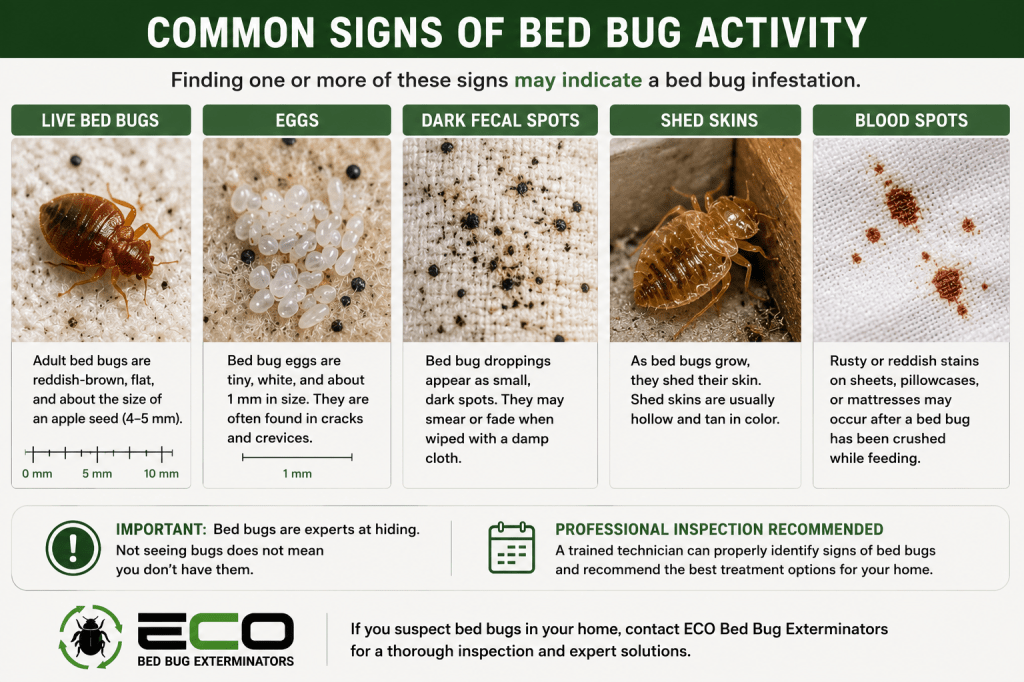
  • Look along mattress seams, the headboard and nearby furniture for suspicious dark spotting, shed skins or live bugs.
  • Use a luggage rack when available and keep it away from the bed and wall.
  • Avoid leaving clothing scattered around the room.

You don’t need to dismantle the hotel room.

A quick, sensible inspection is enough.

Don’t Let Your Suitcase Bring Home an Extra Souvenir

Vacation memories? Absolutely.

Bed bugs? They can stay behind.

When you return home, avoid putting your suitcase directly on your bed.

Inspect the luggage around seams, pockets and zippers. For clothing that can safely tolerate high heat, follow the garment’s care instructions when laundering and drying.

Those few extra minutes after a trip could help prevent an unwanted hitchhiker from settling into your home.

At Home: Know What to Do

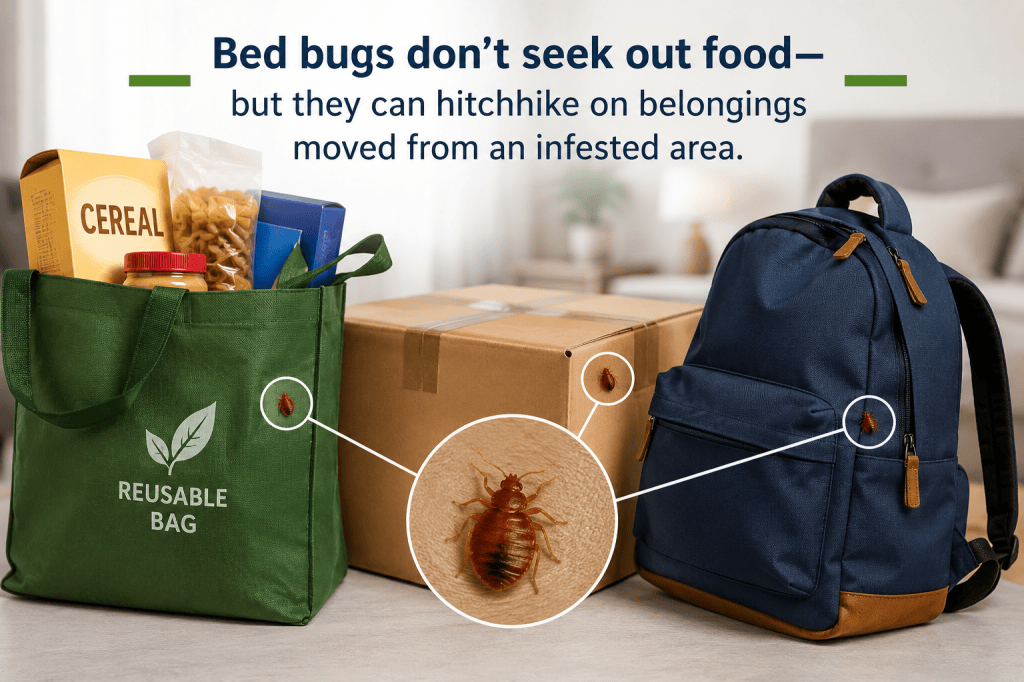
Travel isn’t the only way bed bugs can be introduced. They can also hitch a ride on secondhand furniture, backpacks, personal belongings and items moving between different environments.

The goal isn’t to worry about everything entering your house.

It’s simply to recognize something suspicious and know what to do next.

Remember the 3 Don’ts

Don’t spray. Don’t relocate. Don’t panic.

If you suspect bed bugs:

  • Don’t immediately start spraying. First, determine what you’re actually dealing with.
  • Don’t move potentially affected belongings from room to room. This could spread bed bugs to new areas.
  • Don’t panic. Take a clear photo or save the insect when possible and have it properly identified.

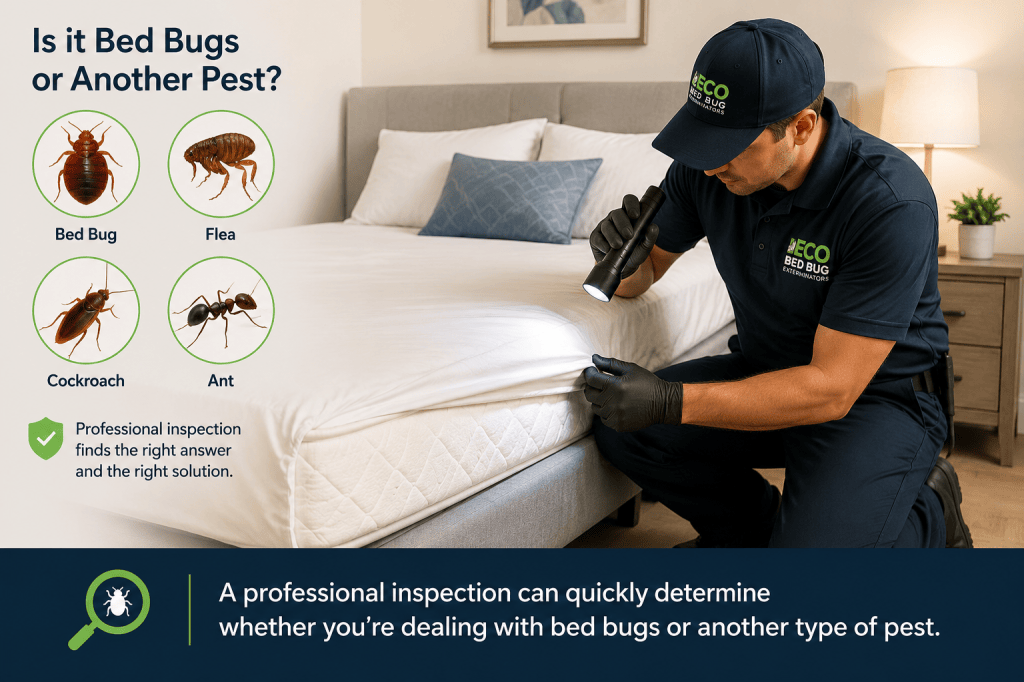
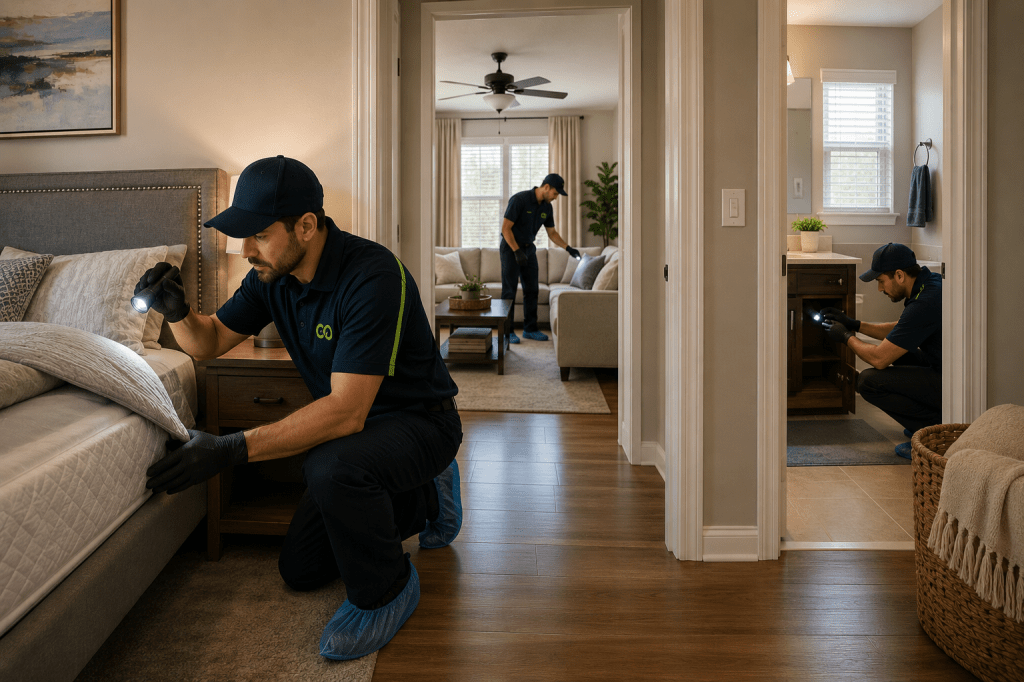
A professional inspection can help determine whether bed bugs are actually present and, if so, how widespread the activity may be.

Prepared Doesn’t Mean Paranoid

This may be the most important part.

You don’t need to inspect every person who walks through your door or treat every suitcase like it’s carrying contraband.

Bed bug preparedness simply means knowing the signs, reducing unnecessary risks and having a plan if something happens.

That’s smart preparedness in September—and all year long.

Add Bed Bugs to Your Preparedness Plan

National Preparedness Month is about taking small steps today that can make unexpected situations easier to handle tomorrow.

At ECO Bed Bug Exterminators, we help homeowners throughout Maryland identify bed bug activity through professional inspections and provide treatment options based on what we find.

If something suspicious follows you home from your travels, don’t guess. Have it properly identified and determine the right next step.

Call (410) 929-3420 to schedule your inspection, or click here to submit a request online

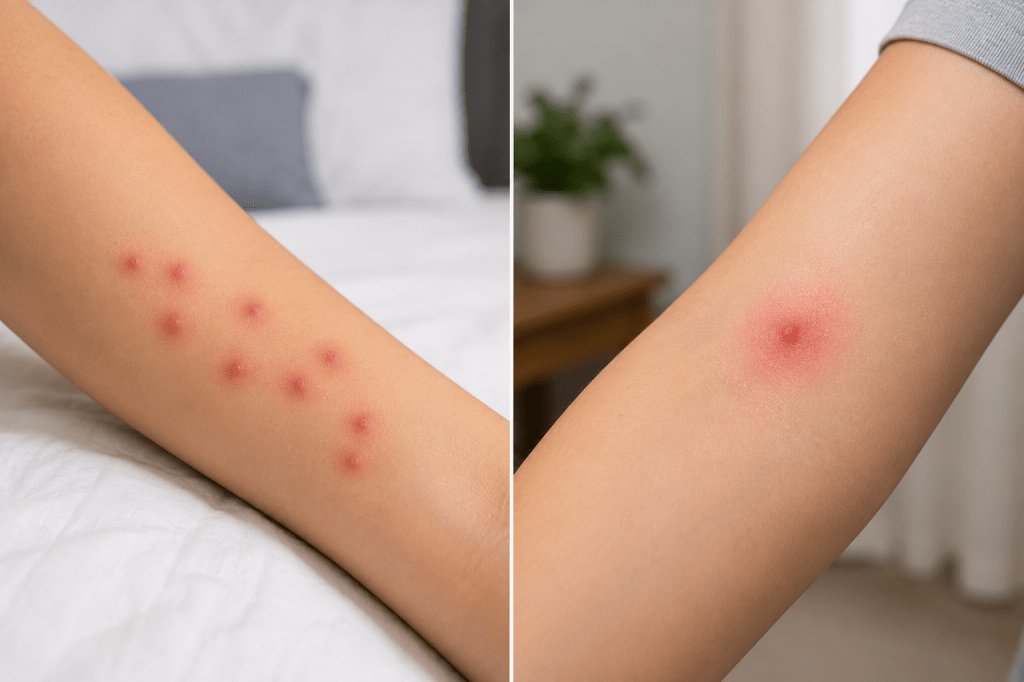
Bed Bug Bites vs. Spider Bites: How to Tell the Difference

Waking up with itchy bites can be frustrating—and a little alarming.

One of the most common questions we hear is:

“Are these bed bug bites or spider bites?”

While the two can look similar, there are a few important differences that can help you determine which pest may be responsible.


Bed Bug Bites

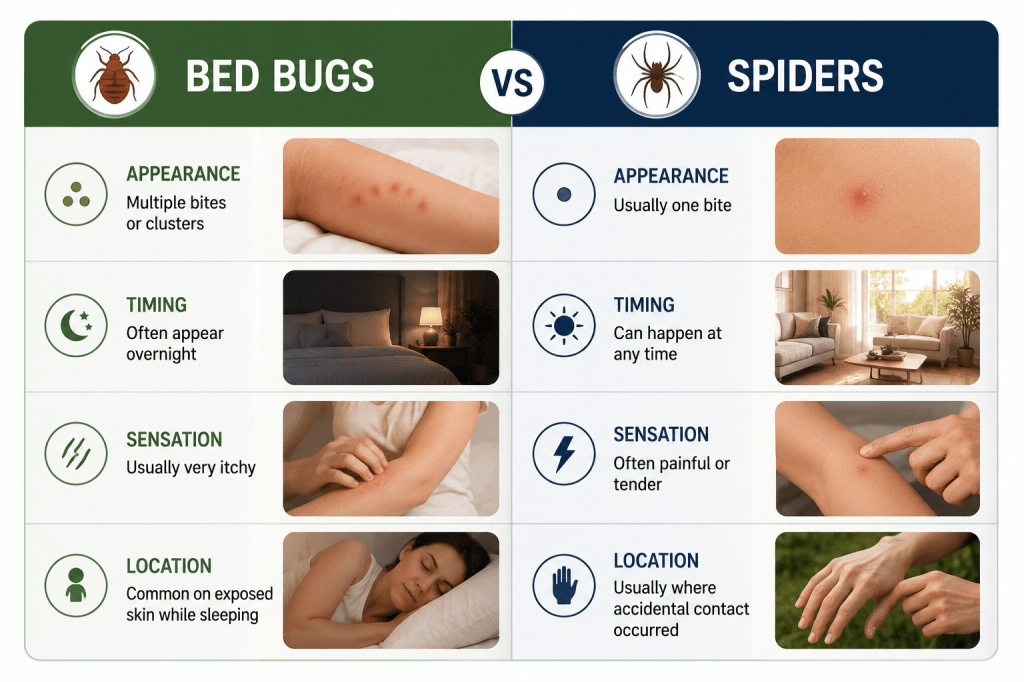
Bed bugs feed on blood while people are sleeping, so their bites usually appear after you’ve spent the night in bed.

Common signs include:

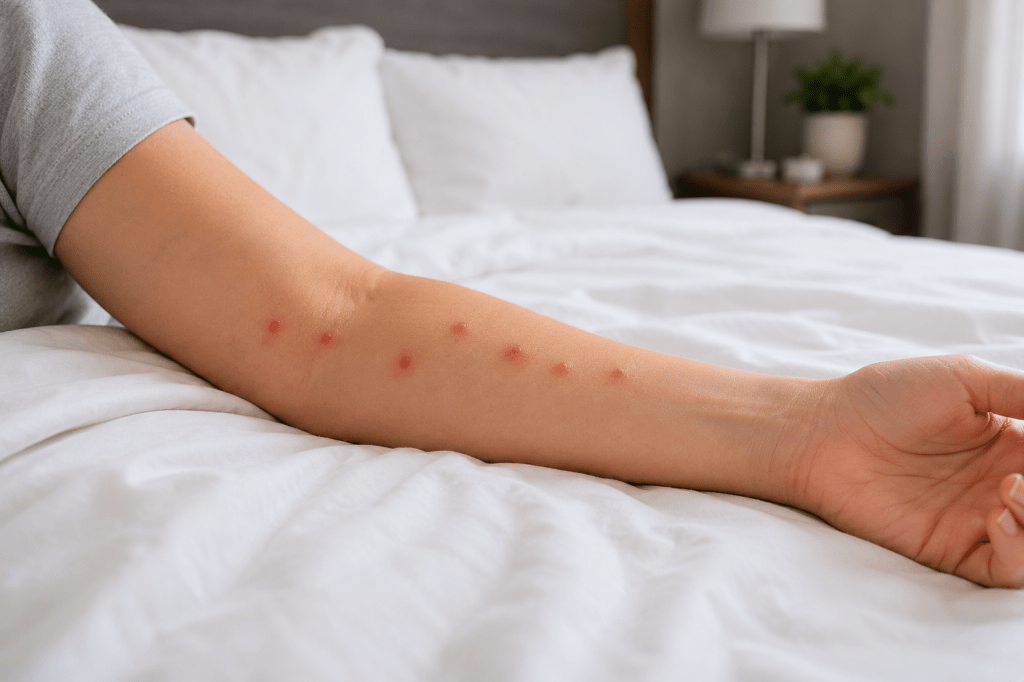
  • Several bites grouped together or in a line.
  • Small, red, itchy bumps.
  • Bites on exposed skin such as the arms, shoulders, neck, face, or legs.
  • New bites appearing after sleeping.

Bed bug bites alone don’t confirm an infestation, but they’re often accompanied by other signs such as blood spots on sheets, dark fecal spotting, shed skins, or live bed bugs.


Spider Bites

Spider bites are usually much less common than people think.

Unlike bed bugs, spiders don’t feed on people. Most bites happen when a spider becomes trapped against the skin or feels threatened.

Spider bites are more likely to be:

  • A single bite rather than several.
  • Painful or tender shortly after the bite.
  • Surrounded by redness or swelling.
  • Located on the hands, arms, legs, or other areas where accidental contact occurs.

Most spider bites are minor, but severe pain, blistering, fever, or worsening symptoms should be evaluated by a medical professional.


Bed Bug Bite vs. Spider Bite


💡 ECO Expert Tip

A side-by-side medical-style illustration showing a forearm with several clustered bed bug bites compared with another forearm showing a single spider bite surrounded by mild redness. Clean, realistic, no text.

Bites alone should never be used to diagnose a bed bug infestation.

Many skin conditions—including mosquito bites, flea bites, allergic reactions, and even certain medical conditions—can look very similar. The most reliable way to confirm bed bugs is by finding physical evidence of the insects.


Common Questions

Can you identify bed bugs by the bites alone?

No. Bite reactions vary from person to person, and many other insects can leave similar marks.

Do bed bug bites always itch?

Most people experience itching, but some people have little or no reaction at all.

Should I worry about spider bites?

Most spider bites are harmless. However, severe pain, blistering, fever, or worsening symptoms should be evaluated by a healthcare provider.


🐞 Did You Know?

Some people show no visible reaction at all after being bitten by bed bugs, while others may develop significant itching and swelling. That’s why professional inspections rely on finding evidence of bed bugs—not just bite marks.


Think You May Have Bed Bugs?

If you’re waking up with unexplained bites and aren’t sure what’s causing them, a professional inspection can help identify whether bed bugs—or another pest—is responsible.

Our experienced technicians provide thorough inspections and customized treatment plans designed to eliminate bed bugs safely and effectively.

Contact us today to schedule a professional inspection and get the answers you need.

Why Treating Only One Room Doesn’t Always Solve a Bed Bug Problem

It’s one of the most common questions we hear:

“The bed bugs are only in one bedroom. Can’t we just treat that room?”

Sometimes the answer is yes.

Sometimes it’s no.

The right treatment depends on where bed bugs are actually hiding—not just where they’re being seen.

That’s why a professional inspection is one of the most important steps before choosing a treatment plan.


Bed Bugs Don’t Always Stay in One Room

Finding bed bugs in one bedroom doesn’t automatically mean they’re only living there.

Bed bugs can move through wall voids, around plumbing, along baseboards, and on personal belongings such as backpacks, clothing, and luggage.

It’s common for activity to begin in one room and gradually spread to nearby areas.


Seeing Bed Bugs in One Room Doesn’t Tell the Whole Story

Just because you’re finding bites—or even seeing live bed bugs—in one room doesn’t necessarily mean that’s the only area affected.

Sometimes we inspect a home and confirm the activity is isolated.

Other times, we discover evidence in additional bedrooms, living rooms, or other areas where no one suspected bed bugs.

That’s why inspections matter.


Why a Professional Inspection Can Save You Money

Treating more areas than necessary isn’t ideal.

But neither is treating too little.

A thorough inspection helps determine:

✔ Where bed bugs are active.

✔ Whether the infestation appears isolated or more widespread.

✔ Which treatment option makes the most sense for your home.

The goal isn’t to recommend the biggest treatment—it’s to recommend the right treatment.


When a Single-Room Treatment May Be Appropriate

Every home is different.

Depending on the inspection findings, a single-room treatment may be an effective option when activity is truly limited to one area.

However, if bed bugs have spread beyond that room, treating only one space may leave active areas behind.

That’s why every recommendation should be based on inspection findings—not assumptions.


The Goal Is Long-Term Success

No one wants to pay for unnecessary treatment.

But no one wants to repeat the process because bed bugs were hiding somewhere that wasn’t addressed either.

A treatment plan based on a thorough inspection helps improve the chances of long-term success while avoiding unnecessary work.


Let the Evidence Guide the Treatment

Every bed bug infestation is different.

At ECO Bed Bug Exterminators, we don’t believe in one-size-fits-all solutions. We begin with a careful inspection, identify where activity is present, and recommend the treatment that best fits your situation.

Sometimes that’s one room.

Sometimes it’s multiple rooms.

Sometimes it’s the entire home.

The important thing is making the decision based on evidence—not guesswork.


Frequently Asked Questions

Can bed bugs stay in just one room?

Yes. In some cases, bed bugs remain isolated to a single room, especially if the infestation is caught early.

Why would a technician recommend treating more than one room?

Because inspections sometimes reveal activity beyond the room where bed bugs were first noticed.

Is treating the whole home always necessary?

No. The right treatment depends on the inspection findings and how far the infestation has spread.

Bed Bugs vs. Carpet Beetles: How to Tell the Difference

Think you have bed bugs? Many homeowners actually discover carpet beetles instead. Learn the key differences between bed bugs, carpet beetles, bites, signs, and when it’s time to schedule an inspection.

Finding small insects or unexplained skin irritation in your home can be alarming. Many people immediately assume they have bed bugs, but that’s not always the case. At ECO Bed Bug Exterminators, we’ve performed countless inspections where homeowners were convinced they had bed bugs, only to discover the problem was actually carpet beetles.

Although both pests can be found in bedrooms, they behave very differently, require different treatments, and leave different signs behind. Understanding those differences can help you decide what steps to take next.


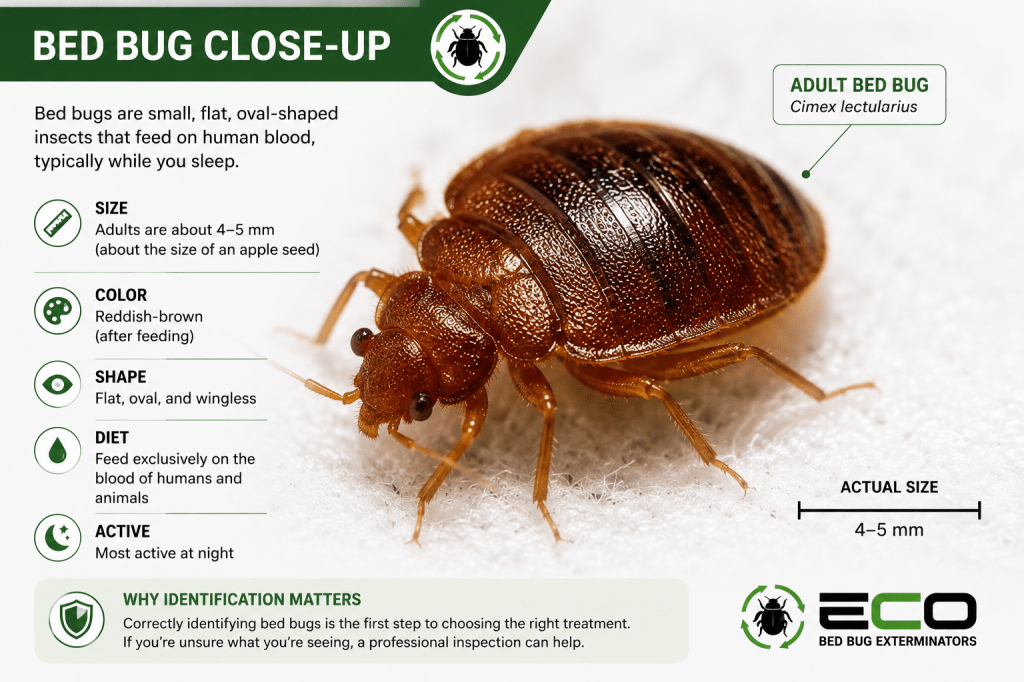
What Are Bed Bugs?

Bed bugs are small, reddish-brown insects that feed exclusively on blood, usually while people are sleeping. They typically hide close to where people rest, including:

  • Mattress seams
  • Box springs
  • Bed frames
  • Headboards
  • Nightstands
  • Upholstered furniture
  • Cracks and crevices near the bed

Because they feed on blood, bed bugs leave behind specific evidence that trained inspectors look for during an inspection.


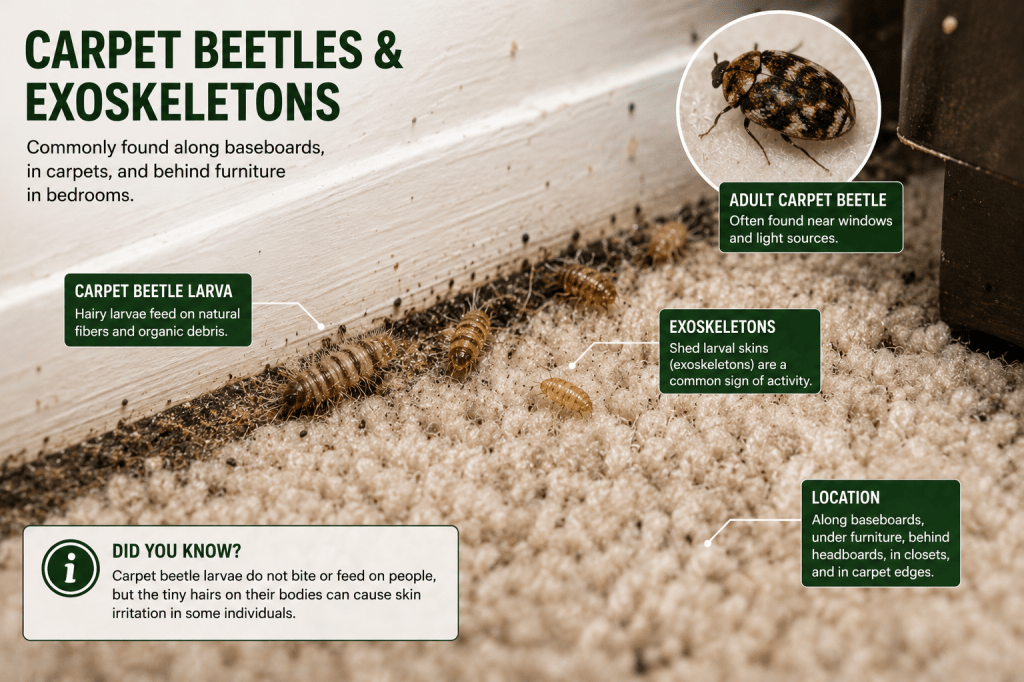
What Are Carpet Beetles?

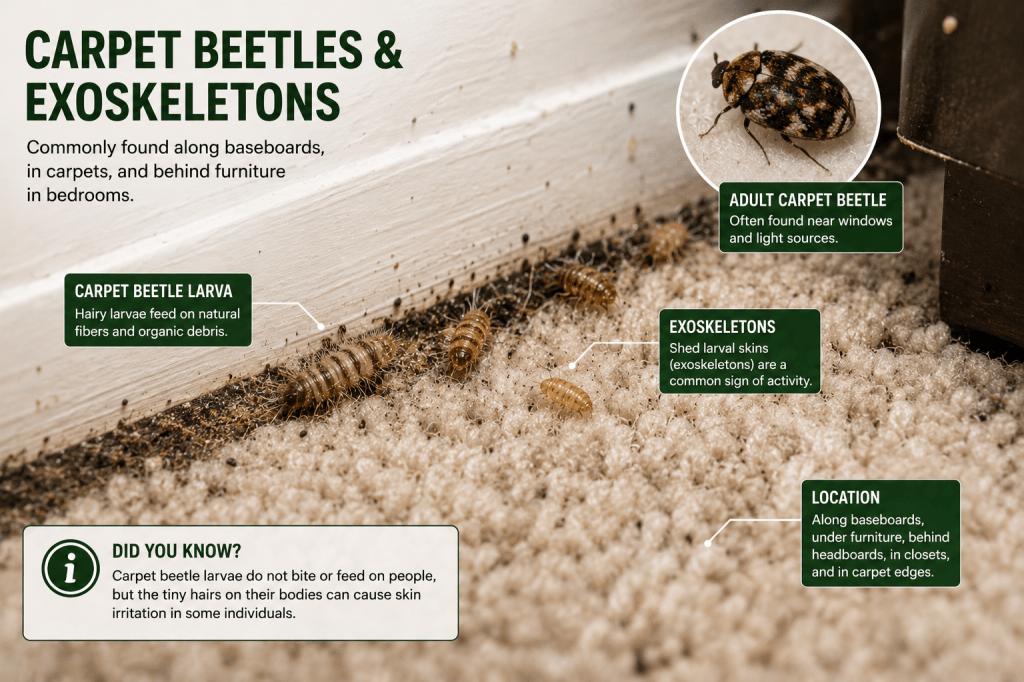
Carpet beetles are small insects that feed on natural materials such as wool, feathers, silk, fur, pet hair, lint, and other organic fibers. Unlike bed bugs, carpet beetles do not feed on people.

The larvae are covered with tiny hairs that can cause skin irritation in some individuals. This reaction is often mistaken for bed bug bites.

Adult carpet beetles are commonly found near windows because they are attracted to light.

Bed Bugs vs. Carpet Beetles: Quick Comparison

Can Carpet Beetles Cause Skin Irritation?

Yes.

Although carpet beetles do not bite, some people develop an allergic reaction when their skin comes into contact with the tiny hairs left behind by carpet beetle larvae.

These reactions can resemble insect bites, making it easy to mistake them for bed bugs. Because skin reactions can have many possible causes, it’s important not to rely on skin irritation alone to determine whether bed bugs are present. If you have persistent or concerning skin symptoms, consult a healthcare provider or dermatologist.


Signs of Bed Bugs

Common signs include:

  • Live bed bugs
  • Tiny white eggs
  • Black fecal spots
  • Shed skins
  • Blood spots on bedding
  • Multiple bugs hiding around the bed

Signs of Carpet Beetles

Common signs include:

  • Small shed larval skins (exoskeletons)
  • Tiny larvae with bristly hairs
  • Damage to wool, clothing, rugs, or upholstered items
  • Adult carpet beetles near windows
  • Larvae behind headboards, under furniture, in closets, or along baseboards

Why People Confuse Them

Many homeowners contact us because they wake up with unexplained skin irritation and immediately suspect bed bugs. During an inspection, however, our technicians sometimes find carpet beetle exoskeletons instead of any evidence of bed bugs.

That’s why a thorough inspection is important before deciding on a treatment plan. Treating for bed bugs when the actual issue is carpet beetles—or another cause entirely—can waste time and money.


When Should You Schedule an Inspection?

If you’re experiencing unexplained bites or skin irritation but haven’t found clear evidence of bed bugs, a professional inspection can help identify what’s actually causing the problem.

An inspection may help determine whether the issue involves:

  • Bed bugs
  • Carpet beetles
  • Another household pest
  • No evidence of an active bed bug infestation

Identifying the correct issue first allows you to choose the most appropriate next steps.


Frequently Asked Questions

Can carpet beetles bite?

No. Carpet beetles do not bite or feed on people. However, some individuals may experience skin irritation from the hairs on carpet beetle larvae.

Do carpet beetles live in beds?

They can occasionally be found around beds, especially if natural fibers, dust, lint, or pet hair are present. Unlike bed bugs, they are not dependent on beds for food.

Can I have both bed bugs and carpet beetles?

Yes. Although uncommon, it’s possible for both pests to be present in the same home. A professional inspection can help determine what evidence is actually present.

Should I throw away my mattress?

Not necessarily. A mattress usually does not need to be discarded simply because bed bugs or carpet beetles are suspected. The right approach depends on the inspection findings.


Need Help Identifying the Problem?

If you’re unsure whether you’re dealing with bed bugs or carpet beetles, ECO Bed Bug Exterminators can help. Our inspections are designed to identify evidence of bed bug activity and help you understand the next steps based on what is found.

DIY Bed Bug Fixes vs Reality—What Maryland Homeowners Should Know


🧂 Baking Soda, Cleaning Hacks & Internet Advice

If you’ve been searching for ways to deal with bed bugs, you’ve probably come across advice like:

  • Sprinkle baking soda
  • Deep clean your mattress
  • Use DIY cleaning kits

It sounds easy—and that’s the problem.

👉 Most of these methods don’t actually solve bed bug infestations.


⚠️ Let’s Clear This Up Quickly

Baking soda:

✔️ Can help with odors
✔️ Can absorb moisture

But:

👉 It does not kill bed bugs
👉 It does not stop them from spreading

It’s a cleaning tool—not a pest control solution.


Bed Bugs Aren’t Just in the Mattress

One of the biggest misunderstandings is thinking the mattress is the main issue.

In Maryland homes, we regularly find activity in:

  • Bed frames and box springs
  • Upholstered furniture
  • Baseboards and flooring gaps
  • Behind outlets and inside walls

👉 So even if your mattress looks “clean”…
the infestation can still be active elsewhere.


🛏️ Encasements: A Smart Move (With Limits)

Zippered encasements for mattresses and box springs can help:

✔️ Lock in existing bugs
✔️ Reduce hiding spots
✔️ Make monitoring easier

But they are not a standalone fix.

👉 They work best as part of a full treatment strategy.


🧼 Cleaning Alone Isn’t Enough

Steamers and vacuums get a lot of attention—and they do have value:

✔️ Steam can kill on contact
✔️ Vacuuming removes visible debris

But:

👉 They don’t reach every hiding spot
👉 They don’t prevent re-infestation
👉 They don’t eliminate eggs hidden deep in cracks


🏡 Why Bed Bugs Spread So Easily

In Maryland, we see infestations tied to:

  • Travel
  • Second-hand furniture
  • Multi-unit housing
  • Guests and shared spaces

👉 Bed bugs move easily—and quietly.


🚫 Where People Go Wrong

Waiting too long to escalate.

What starts as a small issue can quickly turn into a larger infestation when it’s only partially treated.


🛡️ The Right Approach

The most effective way to deal with bed bugs includes:

✔️ Proper inspection
✔️ Identifying all affected areas
✔️ Targeted treatment
✔️ Follow-up to confirm results

👉 Because bed bugs require a complete approach—not a quick fix.


💬 Bottom Line

Cleaning helps with maintenance.

👉 But when it comes to bed bugs,
it’s not enough to solve the problem.


📍 Maryland Residents

If you’re unsure what you’re seeing or experiencing,
it’s always better to have it evaluated early rather than guessing.

ECO Bed Bug Exterminators specializes exclusively in bed bugs and focuses on resolving infestations at the source.

Call (410) 929-3420 to schedule your inspection, or click here to submit a request online


🔚 Final Thought

You can clean everything perfectly…

👉 But bed bugs don’t care how clean your home is.


🔎 Quick Answers

❓ Does baking soda kill bed bugs?

No. Baking soda does not kill bed bugs or eliminate infestations. It may help with odor or moisture, but it has no proven effectiveness against bed bugs.


❓ Can you clean bed bugs out of a mattress?

Not completely. While vacuuming and steam can help reduce visible activity, bed bugs typically live in multiple areas beyond the mattress, making full elimination through cleaning alone unlikely.


❓ Do mattress encasements help with bed bugs?

Yes—but only as part of a larger plan. Zippered mattress and box spring encasements help trap existing bugs and reduce hiding spots, but they do not eliminate an active infestation by themselves.


❓ What is the most effective way to get rid of bed bugs?

The most effective approach is a professional inspection and targeted treatment plan that addresses all areas of activity—not just the bed.


❓ Can bed bugs live outside the bed?

Yes. Bed bugs commonly hide in:

  • Furniture
  • Baseboards
  • Cracks and crevices
  • Wall voids
  • Electrical outlets

They are not limited to mattresses.


❓ When should you call a professional for bed bugs?

If you’re seeing bites, spotting, or signs every few days, it’s best to have the situation properly evaluated early before it spreads.

Homeowners Insurance & Bed Bugs in Maryland

For homeowners across Baltimore, Rockville, Silver Spring, Bethesda, and surrounding Maryland communities, the reality is:

👉 Bed bugs are not covered under standard homeowners insurance policies.

Why?

Insurance is designed to cover:

  • Sudden damage
  • Unexpected events
  • Accidental losses

Bed bugs don’t meet that criteria.

Instead, they are viewed as:
👉 A maintenance-related issue that develops over time


💰 What Maryland homeowners should expect

If bed bugs are discovered:

  • Treatment is typically out-of-pocket
  • Costs often range from $1,000 to $2,500+ depending on severity and spread

👉 In dense areas like Baltimore City or multi-unit housing in Montgomery County, infestations can escalate quickly if not addressed early.


⚠️ Are there any exceptions?

Rarely:

  • If tied to a covered event (uncommon)
  • If a specialty insurance rider was purchased

👉 Most Maryland homeowners do not have these add-ons.


🏢 Renters Insurance in Maryland

For tenants in apartments, condos, and townhomes throughout Maryland, this is a key point:

👉 Renters insurance does NOT cover bed bug infestations.


🚫 What renters insurance excludes

  • Extermination services
  • Cleaning and preparation
  • Mattress and furniture replacement
  • Temporary relocation

👉 Bed bugs are classified as preventable—not accidental.


⚖️ Landlord vs Tenant Responsibility in Maryland

This is where Maryland-specific context matters.

In areas like:

  • Baltimore City
  • Prince George’s County
  • Montgomery County

👉 Bed bugs are taken seriously due to the density of housing.


🏢 In multi-unit buildings:

  • Bed bugs can easily spread between units
  • The original source may be difficult to determine

In many cases:

  • Landlords are expected to respond to complaints and investigate
  • Treatment may involve adjacent or surrounding units

👉 Especially in apartment communities and shared housing environments.


⚠️ The Reality: The “Blame Game”

This happens all the time:

  • Tenant says: “I didn’t bring them”
  • Landlord questions responsibility
  • Insurance provides no coverage

👉 And now no one wants to take ownership.


🧾 Why Professional Documentation Matters in Maryland

A professional inspection is critical—especially in multi-unit properties in Baltimore and surrounding counties.

It provides:

  • Verified findings
  • Identification of affected areas
  • Documentation that can support:
    • Property management decisions
    • Tenant/landlord communication
    • Next-step planning

👉 In many Maryland cases, documentation is what helps move the process forward.


✈️ Travel & Bed Bugs (A Common Source in Maryland)

Travel plays a major role in bed bug introductions—especially in high-traffic areas like:

  • Baltimore (tourism, business travel)
  • Washington, DC metro area (commuters & travelers)

👉 Bed bugs are often brought home unknowingly.


🚫 What travel insurance won’t cover

  • Hotel changes
  • Trip cancellations
  • Cleaning belongings
  • Replacing luggage

⚠️ What may be covered

  • Medical care related to bites (policy dependent)

🧳 The real concern

👉 By the time you return home to Maryland:

  • Insurance won’t help
  • The issue may already be spreading

🛡️ Prevention Tips for Maryland Homes & Apartments

  • Inspect luggage after travel
  • Be cautious with secondhand furniture
  • Keep sleeping areas accessible
  • Consider mattress encasements
  • Watch for early signs (bites, spotting, shed skins)

👉 Early detection is especially important in multi-unit housing common throughout Maryland


🧠 The Bottom Line

👉 In Maryland, just like the rest of the U.S.:
There is typically no insurance coverage for bed bugs.


🛑 Final Thought

Insurance won’t solve it.
Waiting makes it worse.
And guessing wrong can cost more than getting it checked.


📞 For Maryland Residents: Don’t Wait

If you suspect bed bugs in Baltimore, Montgomery County, Prince George’s County, or nearby areas:

  • Don’t rely on guesswork
  • Don’t wait for it to spread
  • Don’t assume insurance will cover it

✔️ Get a professional inspection
✔️ Confirm what you’re dealing with
✔️ Take action early

Call (410) 929-3420 to schedule your inspection, or click here to submit a request online.

🛏️ Bed Bugs in Maryland Rental Properties Are Increasing — What Landlords Need to Know

If you own or manage rental property in Maryland, there’s a growing issue that’s becoming harder to ignore:

Bed bug activity is on the rise—especially in rental housing.

While reports from other regions are starting to highlight this trend, what matters most is what’s happening locally.

👉 Across Maryland, we’re seeing a noticeable increase in bed bug cases tied directly to rental turnover and multi-unit living.


📊 Why Rental Properties in Maryland Are More Vulnerable

Rental properties naturally carry higher risk—and in many Maryland communities, that risk is amplified.

🔄 Frequent Move-Ins & Move-Outs

Each new tenant brings the potential for introduction. Bed bugs are commonly transported through:

  • Luggage
  • Furniture
  • Personal belongings

🏢 Multi-Unit Living Environments

In apartments, condos, and shared housing, bed bugs don’t stay confined.

They can move:

  • Through shared walls
  • Along plumbing and utility lines
  • Between neighboring units without immediate detection

In areas like Baltimore and surrounding counties, we regularly see infestations spread beyond the original source.


⏳ Delayed Reporting from Residents

Many tenants don’t report early signs right away.

Common reasons include:

  • Uncertainty about what they’re seeing
  • Attempting DIY treatments
  • Hoping the issue resolves

👉 Unfortunately, this delay allows the problem to grow and spread.


🔬 Why Bed Bug Infestations Are More Challenging Today

Bed bug control isn’t as simple as it used to be—and that’s something many property owners don’t realize.

🧬 Increased Resistance

Bed bugs have developed resistance to many common treatments.

👉 This makes proper identification and professional application critical.


🕵️ Hidden Activity in Unexpected Areas

We’re finding bed bugs in places many people don’t think to check:

  • Behind baseboards
  • Inside furniture joints
  • Around outlets and fixtures
  • Along floor and wall seams

👉 Missing even small areas can lead to reinfestation.


🚪 Infestations Grow Before They’re Detected

By the time visible signs appear:

  • The infestation is rarely isolated
  • Multiple rooms—or units—may already be involved

⚠️ What Happens When Action Is Delayed

One of the most common—and costly—mistakes is waiting too long.

What starts as a minor issue can quickly turn into:

  • Multiple units requiring treatment
  • Tenant dissatisfaction and complaints
  • Negative reviews impacting property reputation
  • Increased operational and legal concerns

👉 In rental properties, timing is everything.


🔍 What We’re Seeing Across Maryland

At ECO Bed Bug Exterminators, we’re consistently seeing:

  • Activity reported shortly after new tenants move in
  • Infestations spreading between adjacent units
  • DIY efforts making situations worse
  • Calls coming in after the issue has escalated

👉 The pattern is clear:
Most cases could have been contained earlier with faster response.


🚫 Why DIY Treatments Don’t Work in Rental Settings

Store-bought solutions often create a false sense of control.

In reality:

  • They rarely eliminate the infestation
  • They can push bed bugs deeper into hiding
  • They increase the likelihood of spread to nearby units

👉 This often leads to more extensive and costly treatment later.


❗ Common Mistakes Property Owners Make

Here’s where things typically go wrong:

1. Waiting for clear confirmation

By the time it’s obvious, it’s already advanced.


2. Treating only the affected unit

Bed bugs often extend beyond what’s visible.


3. Relying on non-specialized treatments

Improper methods rarely solve the issue.


4. Delaying professional involvement

Time directly impacts severity and cost.


5. Not having a preventative strategy

Reactive approaches lead to repeat issues.


✅ A More Effective Approach for Maryland Properties

The key to controlling bed bugs is being proactive.

✔ Early Inspection

Identify the issue before it spreads.

✔ Quick Response

Address concerns immediately—even minor ones.

✔ Targeted Professional Treatment

Apply the right methods, in the right areas.

✔ Preventative Programs

Reduce the likelihood of future infestations.


🛡️ Protect Your Property Before It Escalates

Bed bugs don’t go away on their own—and they rarely stay contained.

👉 The difference between a manageable issue and a widespread problem is how early you take action.


📞 Schedule a Bed Bug Inspection in Maryland

At ECO Bed Bug Exterminators, we specialize exclusively in bed bugs.

We work with:

  • Property managers
  • Landlords
  • Multi-unit communities
  • Rental property owners

Our services include:

  • Detailed inspections
  • Targeted treatment solutions
  • Preventative service programs
  • Discreet, professional service

Call (410) 929-3420 to schedule your inspection, or click here to submit a request online.


🔑 Final Takeaway

If you own or manage rental property in Maryland:

👉 Don’t wait for the problem to grow
👉 Don’t rely on temporary fixes
👉 Don’t assume it’s contained

Early action is the difference between control and escalation.

Because with bed bugs…
what starts small doesn’t stay small.


🔎 Quick Answers

Are bed bugs increasing in Maryland rental properties?
Yes. Increased tenant turnover and multi-unit living conditions are contributing to a rise in bed bug activity across Maryland.

Why are apartments at higher risk for bed bugs?
Shared walls and close living quarters allow bed bugs to spread between units more easily.

Can bed bugs spread between apartments?
Yes. Bed bugs can travel through walls, plumbing, and shared structural areas.

🎓 College Students Headed Home for the Summer?

What Maryland Families Should Know About Bed Bugs This Month

May is one of the busiest moving times of the year across Maryland.

College students are packing up dorms, clearing out apartments, and heading home—from College Park and Towson to Baltimore and Salisbury.

Most families are focused on:
✔ Laundry
✔ Storage
✔ Getting everything settled back in

But very few are thinking about this:

What might be coming home with them.


🧠 Why This Happens More Than You Think in Maryland

In Maryland, many students live in:

  • Shared apartments
  • Multi-unit buildings
  • High-turnover housing near campuses

Add in frequent travel, visitors, and shared laundry spaces, and you get one key factor:

👉 Constant movement between people, spaces, and belongings

That’s exactly how bed bugs spread.

This isn’t about cleanliness—it’s about exposure.


🧳 What Students Might Bring Home (Without Realizing It)

Bed bugs don’t live on people.
They move quietly through items.

The most common carriers we see include:

  • Suitcases stored under or beside beds
  • Laundry baskets moving between rooms or facilities
  • Backpacks placed on shared furniture
  • Bedding used in multiple environments
  • Storage bins that haven’t been opened in months

Nothing about these items looks suspicious—which is why they’re often overlooked.


🚚 The Overlooked Risk: Moving Trucks & Vans

There’s another exposure point most families don’t think about during move-out:

Rental moving trucks and vans, such as U-Haul.

These vehicles:

  • Are used by multiple households back-to-back
  • Transport mattresses, couches, and upholstered furniture
  • Are not routinely sanitized between uses

That means bed bugs can be left behind—and picked up by the next person using the truck.


🏠 What Smart Maryland Homeowners Do Differently

This isn’t about overreacting—it’s about being intentional.

✔ They control how items enter the home

Instead of bringing everything straight inside:

  • Items go into a garage, laundry room, or entryway first
  • Nothing goes directly into bedrooms

✔ They process items in stages

  • Clothing is bagged first
  • Then dried on high heat
  • Then put away

Not all at once—and not loosely.


✔ They pay attention to the details

  • Suitcase seams and zippers
  • Mattress edges
  • Upholstered furniture
  • Items that haven’t been moved in a while

That’s where problems usually start.


⚠️ Where Things Usually Go Wrong

Most issues don’t come from obvious situations—they come from small oversights:

  • Everything gets brought inside at once
  • Furniture goes straight into bedrooms
  • Luggage sits unpacked for days
  • No one takes a closer look

👉 That’s all it takes.


👀 What to Watch for After Move-In

You don’t need to panic—but you do need to be aware.

Over the next couple of weeks, pay attention to:

  • Unexplained bites that repeat
  • Small dark spotting along seams or edges
  • Anything that doesn’t look quite right

If something feels off, it’s worth checking.


💬 When It Makes Sense to Have a Professional Take a Look

Sometimes everything looks fine—but you still don’t feel 100% sure.

That’s actually when a professional inspection makes the most sense:

  • After a move-in
  • After bringing in multiple items
  • Or when you just want confirmation

It’s easier to check early than to deal with something later.


🧠 Why Experience Matters

Bed bugs aren’t always obvious.

Knowing where to look—and what you’re actually seeing—is what makes the difference.

At ECO Bed Bug Exterminators, we specialize exclusively in bed bugs, which allows us to:

  • Identify early-stage activity
  • Focus on high-risk areas most people overlook
  • Provide clear, realistic next steps

No guessing. No assumptions.


🎯 Final Thought

Bringing your college student home should feel like a reset—not a risk.

A little structure during move-in can prevent:

  • Weeks of uncertainty
  • Disruption inside your home
  • A situation that’s harder to unwind later

📞 Need Peace of Mind?

If your student is coming home—or already has—and you want to be sure your Maryland home is protected:

Call (410) 929-3420 to schedule your inspection, or click here to submit a request online.


📍 Serving Maryland Communities

We work with homeowners and property managers throughout Maryland, including:

  • Baltimore County
  • Montgomery County
  • Prince George’s County
  • And surrounding areas

How to Get Rid of Bed Bugs in Luggage After Traveling

Traveling is an exciting experience, but it comes with the risk of encountering unwanted guests like bed bugs. These tiny pests can latch onto your luggage and hitch a ride back to your home, potentially causing a full-blown infestation. Acting quickly and decisively is essential to prevent bed bugs from spreading. Below, we outline the steps to eliminate bed bugs from your luggage and how to safeguard your home after traveling.

Signs of Bed Bugs in Luggage

Before diving into solutions, it’s important to recognize the signs of bed bugs in your luggage:

• Small rust-colored stains or spots on fabric or luggage liners.

• Shed exoskeletons or tiny white eggs.

• A musty, unpleasant odor in or around your belongings.

Step-by-Step Guide to Remove Bed Bugs from Luggage

1. Inspect and Isolate Your Luggage

• After returning home, keep your luggage in an isolated area, such as the garage or outside. Avoid bringing it into your bedroom or other living spaces.

• Inspect the seams, zippers, and inner compartments for any signs of bed bugs or eggs.

2. Vacuum Thoroughly

• Use a high-powered vacuum to clean the interior and exterior of your luggage. Pay close attention to seams and crevices where bed bugs might hide.

• Dispose of the vacuum bag or contents immediately in a sealed plastic bag and place it outside your home.

3. Wash and Heat-Treat Your Clothes

• Remove all clothing and washable items from your luggage and place them directly into a washing machine.

• Wash items on the hottest setting possible and dry them on high heat for at least 30 minutes. Heat is one of the most effective ways to kill bed bugs and their eggs.

4. Treat Your Luggage with Heat or Cold

• Heat Treatment: If your luggage can withstand high temperatures, place it in a sealed black plastic bag and leave it in direct sunlight or a heated room for several hours. The temperature inside the bag should reach at least 120°F to kill bed bugs.

• Cold Treatment: Alternatively, place your luggage in a freezer set to 0°F for a minimum of four days to kill any bed bugs or eggs.

5. Use Bed Bug Sprays

• Apply a bed bug-specific pesticide or spray to your luggage, following the manufacturer’s instructions. Be thorough but cautious, as some chemicals can damage certain materials.

6. Monitor for Activity

• Even after treatment, monitor your luggage and the surrounding area for any signs of remaining bed bugs. Use bed bug traps or interceptors as an additional precaution.

Preventative Tips for Future Travel

1. Use Luggage Covers: Invest in bed bug-proof luggage liners or covers to reduce the risk of bed bugs entering your belongings.

2. Inspect Hotel Rooms: Before unpacking, check the mattress, headboard, and furniture in your hotel room for signs of bed bugs.

3. Elevate Your Luggage: Keep your bags off the floor and bed by placing them on luggage racks or hard surfaces.

4. Unpack Outside: After traveling, unpack your luggage in an isolated area and follow the above steps to clean your belongings.

Contact ECO Bed Bug Exterminators for Expert Help

If you suspect bed bugs in your luggage or home, contact ECO Bed Bug Exterminators to devise a customized treatment plan. Our team of professionals will assess the situation, provide targeted treatments, and offer expert advice to ensure your home remains bed bug-free.

Don’t let bed bugs ruin your post-travel bliss—take action today to protect your belongings and your peace of mind!

How Quickly Can Bed Bugs Get Out of Control?

Picture this: you spot a single bed bug on your mattress and think, “It’s just one. How bad could it get?” Well, buckle up, because that lone bed bug might just be the pioneer of an infestation empire. Bed bugs are stealthy, fast-breeding, and relentless in their quest for survival. In no time, a minor issue can spiral into a full-blown invasion, turning your peaceful sanctuary into a battleground.

So, how quickly can these tiny terrors take over your home? Let’s break it down.

The Bed Bug Reproductive Machine

Bed bugs are prolific breeders. If left unchecked, a single female bed bug can create a population explosion thanks to:

    1.    Rapid Egg Laying:

    •    A female bed bug lays 1-5 eggs per day and up to 500 eggs in her lifetime.

    •    Eggs hatch in about 6-10 days, releasing nymphs ready to join the feeding frenzy.

    2.    Quick Maturation:

    •    Bed bug nymphs mature into adults in just 5-6 weeks under optimal conditions.

    •    Once mature, they’re ready to mate and start the cycle again.

    3.    Traumatic Insemination:

    •    Bed bug reproduction involves a process called traumatic insemination, where males directly pierce the female’s abdomen to fertilize eggs. (Not romantic, but highly efficient.)

How Fast Can an Infestation Grow?

Let’s do the math. Imagine starting with a single pregnant female bed bug:

    •    Month 1: She lays 100 eggs, with 50% hatching as females.

    •    Month 2: Those new females start laying eggs of their own.

    •    Month 3: You’re dealing with hundreds of bugs, and by Month 4, the population could reach the thousands.

Bed bugs thrive in warm environments (think cozy bedrooms), and their rapid growth can feel like they’re multiplying faster than rabbits at a family reunion.

Why Bed Bugs Get Out of Control So Quickly

1. Stealth Mode

Bed bugs are experts at hiding. They squeeze into cracks, crevices, and even electrical outlets, making them hard to detect until the problem is severe.

2. Night Owls

These nocturnal feeders strike when you’re fast asleep, often leaving bites that aren’t immediately noticed. By the time you realize what’s happening, they’ve already gained the upper hand.

3. Resilience

Bed bugs are incredibly tough. They can:

    •    Survive months without feeding.

    •    Withstand extreme temperatures (though heat treatments can kill them).

    •    Develop resistance to certain pesticides, making DIY efforts less effective.

Signs Your Bed Bug Problem Is Spiraling

Not sure if you’re on the brink of bed bug chaos? Watch for these telltale signs:

    •    Frequent Bites: Waking up with new itchy bites regularly.

    •    Spotting Bugs: Seeing multiple bugs, especially during daylight hours.

    •    Dark Stains: Rust-colored spots on your mattress or furniture from bed bug excrement.

    •    Eggs and Shells: Tiny white eggs or shed skins in crevices and along seams.

How to Stop an Infestation in Its Tracks

The key to controlling bed bugs is swift and decisive action. Here’s what you can do:

    1.    Act Immediately:

    •    Don’t wait to see if the problem “goes away.” It won’t.

    2.    Avoid DIY Overkill:

    •    Spraying every bug spray in the aisle won’t solve the issue and can make it worse. Bed bugs are resistant to many over-the-counter treatments.

    3.    Call the Pros:

    •    Bed bugs are not a DIY-friendly pest. Professional help ensures the infestation is eliminated effectively and safely.

    4.    Consider Heat Treatment:

    •    Heat treatments are one of the fastest and most thorough ways to eradicate bed bugs.

Why Choose ECO Bed Bug?

At ECO Bed Bug, we specialize in stopping bed bug infestations before they take over. Here’s why you should call us:

    •    Fast and Effective Solutions: Our heat treatments eliminate bed bugs in all life stages—no survivors, no kidding.

    •    Tailored Plans: We customize our approach to your home’s specific needs.

    •    Eco-Friendly Methods: Safe for you, your family, and the environment.

    •    Prevention Advice: We’ll help you take steps to ensure the bed bugs don’t come back.

Don’t Wait—Take Action Today

If you’ve spotted even a single bed bug, don’t risk letting it turn into an uncontrollable infestation. Contact ECO Bed Bug now to devise a tailored treatment plan and reclaim your home from these unwelcome guests.

Call us today to schedule an inspection. Let’s nip the infestation in the bud before it becomes the stuff of nightmares!