The Your Group Homes Is Safe from Bed Bugs? Think Again!

Bed bugs are a significant concern in group homes due to the shared living spaces and high turnover of residents. These pests can spread quickly, thrive in close quarters, and pose health and emotional challenges to residents and staff. This guide provides insights into bed bug behavior, prevention strategies, and management techniques to protect group homes effectively.

What Are Bed Bugs?

Bed bugs (Cimex lectularius) are small, wingless insects that feed on the blood of humans and animals. These pests are nocturnal and prefer hiding in cracks and crevices during the day. Common hiding spots include:

• Mattresses and box springs

• Bed frames and headboards

• Furniture seams

• Baseboards and wall voids

Why Are Group Homes Vulnerable to Bed Bugs?

1. High Traffic: Frequent admissions, visitors, and staff increase the likelihood of introducing bed bugs.

2. Shared Spaces: Bed bugs can easily move between rooms, furniture, and personal belongings.

3. Unnoticed Infestations: Bed bugs are small and can remain undetected until infestations grow.

Myth-Busting Bed Bugs

There’s a lot of misinformation about bed bugs. Let’s clear up some common myths:

• Myth: Bed bugs only infest dirty places.

Fact: Bed bugs can thrive anywhere, regardless of cleanliness, as long as they have access to a blood meal.

• Myth: Bed bugs can fly.

Fact: Bed bugs are wingless and move by crawling.

• Myth: Bed bugs are only active at night.

Fact: While nocturnal, bed bugs will feed during the day if they’re hungry.

Signs of a Bed Bug Infestation

• Bite Marks: Red, itchy welts often appearing in clusters or lines.

• Droppings: Small, dark stains resembling ink dots on bedding and furniture.

• Shed Skins and Eggs: Translucent shells or tiny white eggs near hiding spots.

• Live Bed Bugs: Small, reddish-brown insects visible in seams or crevices.

(And no, don’t blame the mysterious bites on mosquitoes—or the ghost in Room 12. It’s probably bed bugs!)

Impact on Residents and Staff

1. Physical Health: Bites can cause itching, allergic reactions, and secondary infections.

2. Emotional Stress: Bed bug infestations can lead to anxiety, insomnia, and stigma.

3. Operational Challenges: Managing an infestation requires time, resources, and coordination.

Prevention Strategies for Group Homes

Bed Bug Prevention Checklist

✅ Regularly inspect mattresses, furniture, and high-risk areas.

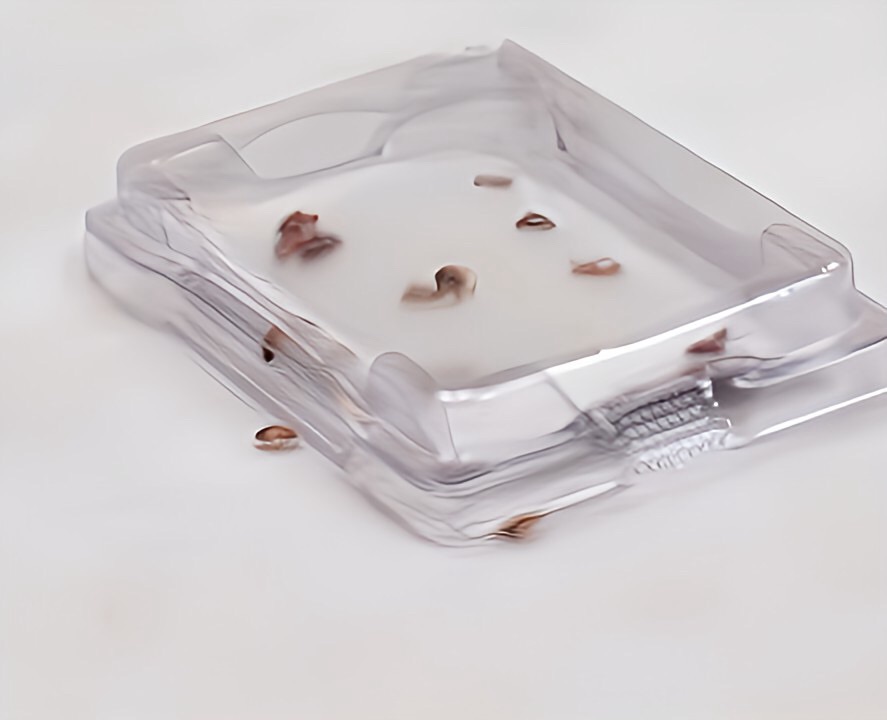
✅ Use bed bug interceptors under bed legs to monitor activity.

✅ Train staff and residents to recognize signs of bed bugs.

✅ Encourage open reporting of suspected infestations.

✅ Use encasements on mattresses and box springs.

✅ Minimize clutter, which provides hiding spots for bed bugs.

✅ Avoid second-hand furniture unless professionally inspected.

✅ Inspect personal belongings of new residents and visitors.

✅ Provide sealed storage bags for personal items.

Why Prevention Saves Money

Preventative measures may require upfront investment, but they save group homes money in the long run by avoiding costly infestations. Simple actions like using mattress encasements and conducting regular inspections can prevent small problems from escalating into major issues.

Managing an Infestation

1. Professional Treatment:

• Heat treatments and bio-pesticide sprays are highly effective.

• Combine chemical and non-chemical methods for long-term control.

2. Post-Treatment Follow-Up:

• Schedule follow-up inspections every 1–2 weeks.

• Replace heavily infested items like mattresses and furniture.

3. Communication Plan:

• Inform staff, residents, and families about the infestation and steps being taken.

• Maintain transparency to build trust and reduce stigma.

The Growing Problem of Resistance

Bed bugs are increasingly resistant to traditional pesticides, making DIY treatments less effective. That’s why ECO Bed Bug Exterminators rely on advanced methods like heat treatments and bio-pesticides, which overcome these challenges and deliver long-lasting results.

Call Us for Help

Don’t wait until a small infestation becomes a major problem. Call ECO Bed Bug Exterminators today for a free consultation and customized solutions. Protect your group home now with our proven methods and highly trained specialists.

Conclusion

Bed bugs in group homes can be a challenging issue, but with early detection, proper treatment, and preventative measures, infestations can be effectively managed. Protecting residents and staff from these pests ensures their comfort and safety while fostering a healthier and more harmonious living environment.

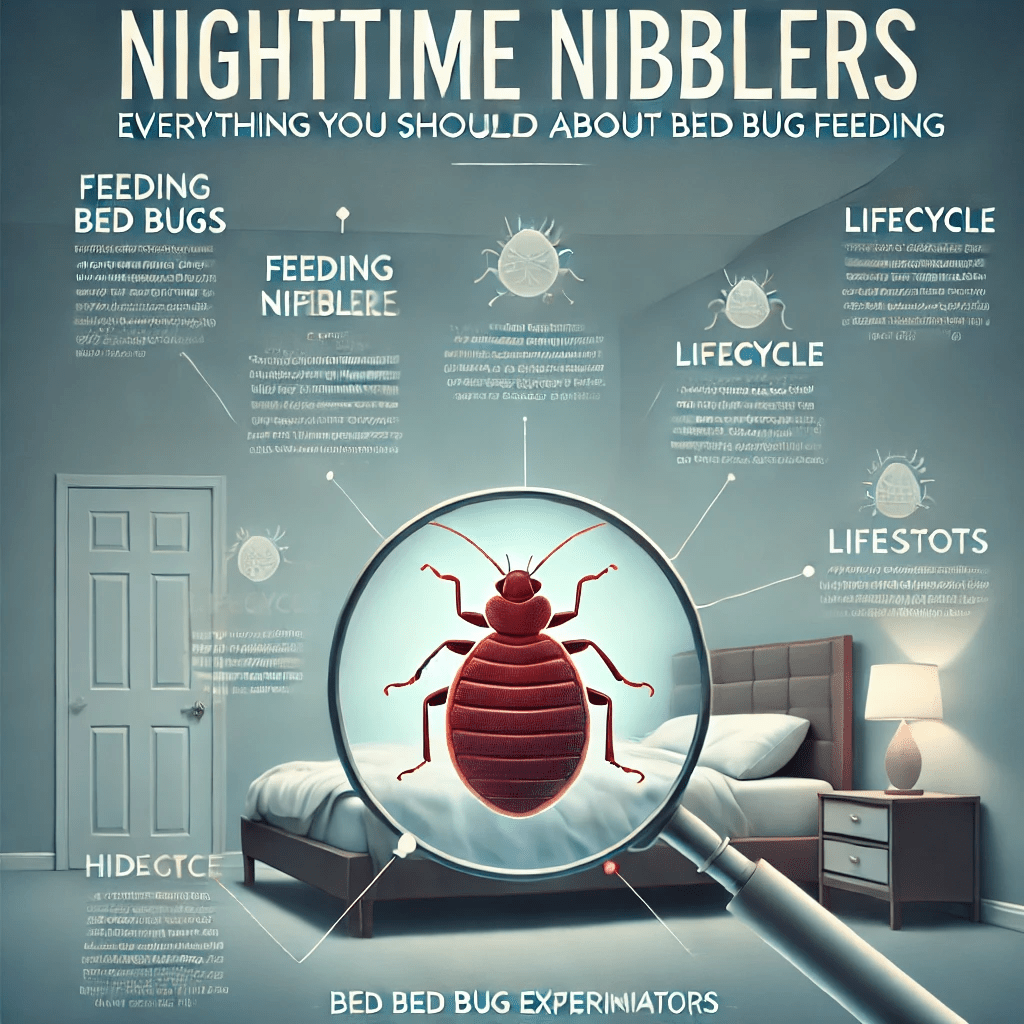
Nighttime Nibblers: Everything You Should Know About Bed Bug Feeding

Bed bugs are infamous for their nocturnal antics, sneaking out under the cover of darkness to feast on unsuspecting hosts. Despite their small size, their ability to disrupt sleep and cause stress is monumental. Understanding their feeding patterns can help you identify an infestation early and take the necessary steps to eliminate these persistent pests.

This post dives into the science behind bed bug feeding habits, what attracts them to a host, and how to protect yourself from their midnight snacks.

The Science Behind Bed Bug Feeding

Bed bugs (Cimex lectularius) are hematophagous insects, meaning their diet consists exclusively of blood. Their feeding behavior is shaped by survival instincts and adaptations that make them highly efficient.

1. Preferred Hosts

While bed bugs prefer human blood, they won’t turn down other warm-blooded animals, like pets, birds, or rodents, in a pinch. Human skin, however, is their favorite due to its easy access to blood vessels and lack of hair.

2. Feeding Schedule

Bed bugs are primarily nocturnal feeders, emerging from hiding between 2 a.m. and 5 a.m., when humans are in their deepest stages of sleep. This timing minimizes the chances of being detected or disturbed.

3. Duration of Feeding

A single feeding session lasts 3–10 minutes. Using specialized mouthparts, bed bugs pierce the skin and withdraw blood before retreating to digest their meal.

4. Frequency of Feeding

Adult bed bugs typically feed every 3–7 days. After a meal, they require time to digest before seeking another host. In crowded infestations, competition for food may alter their feeding frequency.

What Attracts Bed Bugs to a Host?

Bed bugs don’t rely on sight to find their next meal. Instead, they use a combination of sensory cues:

• Heat: Attracted to the warmth of a sleeping body.

• Carbon Dioxide: They detect CO₂ exhaled by humans and use it to locate their host.

• Odors: Body odors and sweat act as additional guides.

Why Bed Bug Feeding Patterns Matter

Understanding bed bug feeding habits reveals their physical and psychological impact:

• Bite Patterns: Bites often appear in clusters or linear rows, known as the “breakfast, lunch, and dinner” pattern. This occurs when a bug probes multiple spots to find an ideal feeding site.

• Reactions to Bites: Reactions vary from itchy welts to no visible marks. Severe cases can cause allergic reactions or secondary infections from scratching.

• Sleep Disruption: Knowing bed bugs are active at night can lead to anxiety and insomnia, even before bites are noticeable.

Can Bed Bugs Survive Without Feeding?

Bed bugs are resilient, capable of surviving months—or even over a year—without feeding, depending on temperature and humidity. This means simply vacating a room won’t starve them out—they’ll patiently wait for your return.

How to Detect and Disrupt Bed Bug Feeding Patterns

To prevent or manage an infestation, you must disrupt their feeding cycles.

1. Inspect Sleeping Areas

Check mattresses, box springs, headboards, and nearby furniture for signs of bed bugs, such as rust-colored stains, shed skins, or live bugs.

2. Use Bed Bug Interceptors

Place interceptors under bed legs to trap bed bugs trying to climb up.

3. Encase Your Mattress and Box Spring

Bed bug-proof encasements seal off hiding spots and prevent access to your bed.

4. Reduce Clutter

Clutter provides additional hiding spots, making infestations harder to manage.

5. Contact Professionals

If you suspect an infestation, call a licensed pest control service like ECO Bed Bug Exterminators. Fast action prevents the problem from spreading and restores peace of mind.

Why Bed Bugs Bite in Clusters (and Why It Matters)

Ever noticed red bites in clusters, straight lines, or zigzag patterns? That’s the signature of bed bugs. These pests don’t settle for one spot—they take multiple “test bites” in a single area. It’s their way of sampling your skin, leaving behind unmistakable bite patterns.

And it’s rarely just one bug. In an infestation, dozens of bugs may feed simultaneously, creating grouped bites that look like a coordinated attack. Recognizing these patterns early can help you take swift action to prevent the issue from escalating.

Signs of Bed Bugs

Here’s what to watch for:

• Bite Marks: Red, itchy welts in clusters or straight lines.

• Blood Stains: Rust-colored spots on sheets or pillowcases from crushed bed bugs.

• Fecal Spots: Black or dark brown stains near hiding spots.

• Live Bugs or Eggs: Evidence of bed bugs on mattresses, furniture, or nearby areas.

Spotting these signs early makes it easier to contain the infestation.

Tips for Preventing and Managing Infestations

• Inspect Regularly: Check mattresses, bed frames, and furniture for signs of bed bugs.

• Reduce Clutter: Eliminating hiding spots makes infestations easier to control.

• Encase Bedding: Use protective covers for mattresses and pillows.

• Vacuum Frequently: Pay attention to seams, crevices, and sleeping areas.

• Call the Pros: If you suspect an infestation, contact a licensed pest control company immediately.

The Bottom Line

Bed bugs may be small, but their feeding habits can cause big problems. By understanding how and when they feed, you can take proactive steps to protect your home and identify infestations before they escalate.

If you’re facing a bed bug issue, don’t wait. Contact ECO Bed Bug Exterminators for professional assistance and reclaim your space from these stealthy intruders. With vigilance and expert help, you can keep bed bugs from taking a bite out of your peace of mind.

Battle Bed Bugs: Is Baby Powder Your Secret Weapon?

Ah, the age-old quest to outsmart bed bugs—those pesky little hitchhikers that seem determined to turn your restful night into a buffet. Among the many home remedies whispered about in the battle against bed bugs, one of the more peculiar suggestions involves reaching for the humble bottle of baby powder or talcum powder. But will it actually send bed bugs packing? Let’s dive in, with a sprinkle of humor and a dash of science.

What’s the Theory?

The idea behind using baby powder or talcum powder against bed bugs usually falls into two categories:

1. Desiccation: The belief is that baby powder could dry out bed bugs, much like diatomaceous earth (a proven treatment), and thus kill them.

2. Trap and Trick: Some think sprinkling baby powder around bed legs or in crevices can create a barrier or trap that bed bugs can’t cross.

Sounds simple enough, right? Unfortunately, bed bugs are not so easily fooled.

What Does the Science Say?

To put it bluntly, baby powder is to bed bugs what a soft pillow is to you—a minor inconvenience at best. Here’s why:

1. Desiccation Myth: While diatomaceous earth works because of its sharp, microscopic edges that cut into a bed bug’s waxy outer layer, baby powder lacks this structure. Talcum powder is smooth and silky, more likely to comfort a bed bug than dehydrate it.

2. Barrier Fails: Bed bugs are not deterred by powders. They’re skilled climbers and will scale, crawl, or squirm their way past a baby powder barrier. Think of them as tiny ninja warriors who’ve trained for exactly this.

3. Ineffectiveness: Even if you were to sprinkle your mattress with enough baby powder to make it look like a winter wonderland, it wouldn’t impact a bed bug infestation. It might make your room smell nice, but it won’t send the bed bugs packing.

Why People Think It Works (Temporarily)

So, why do some people swear by baby powder as a bed bug solution? The answer often lies in perception over reality:

• Bed bugs may momentarily avoid heavily powdered areas, but they’re not gone—they’re just finding another route to your tasty self.

• Any decrease in bites might be a coincidence or the result of other measures taken at the same time.

The Real Problem

The truth is, bed bugs are hardy creatures with one mission in life: find blood. They’re not repelled by baby powder, talcum powder, or even the fiery wrath of a frustrated human armed with a spray bottle. They’ve evolved to survive in the harshest conditions, which is why DIY remedies often fail.

What Will Send Bed Bugs Packing?

If you’re dealing with a bed bug problem, skip the baby powder and try these proven methods instead:

1. Professional Treatments: Call in a licensed pest control specialist who can assess the infestation and apply effective treatments like heat or liquid sprays.

2. Diatomaceous Earth: This powder works—but it must be used carefully and in the right places to be effective.

3. Mattress Encasements: These are a surefire way to trap bed bugs inside and prevent new ones from hiding out in your mattress.

4. Vacuuming and Decluttering: Bed bugs love hiding in cracks and crevices. Regular vacuuming and reducing clutter can limit their hiding spots.

5. Heat Treatments: Washing bedding and clothing in hot water and drying on high heat can kill bed bugs and their eggs.

6. Steam Treatments: High-temperature steam can effectively kill bed bugs and their eggs on mattresses, furniture, and other surfaces. Use a professional-grade steamer for the best results.

With these strategies, you’ll send bed bugs packing in no time (and without the snake-oil remedies).

A Powdery Punchline

Using baby powder or talcum powder to fight bed bugs is like trying to stop a freight train with a feather pillow—well-intentioned but ultimately ineffective. Save the powder for diaper duty or freshening up your shoes, and let the experts handle the bed bugs.

Remember: bed bugs are tenacious, but with the right tools and a good plan, you can evict these unwelcome houseguests for good. And as for the baby powder? At least your room will smell fresh while you work on a real solution!

If you suspect bed bugs have infiltrated your home, skip the powder and contact ECO Bed Bug Exterminators.  We’ll be armed with the tools and knowledge to help you reclaim your bed—and your sleep—without delay.

Symptom-Free but Not Bed Bug Free? Here’s What You Need to Know

You might think you’re in the clear if you’re not waking up covered in itchy red bites, but when it comes to bed bugs, they’re sneakier than you’d expect. Symptom-free doesn’t always mean bed bug-free, and that’s exactly what these little pests are counting on. Bed bugs don’t care if you’re not scratching—they’re still snacking!

So, if you think your home is safe because you’re not noticing any obvious signs, think again. Here’s why bed bugs might still be crashing at your place:

1. Not Everyone Reacts to Bed Bug Bites

Surprise! Just like some people are immune to mosquito bites, about 30% of people don’t show any signs of bed bug bites. No itchy welts, no redness—just peaceful, undisturbed sleep… for you, at least. Meanwhile, the bed bugs are having a midnight feast. If you share a bed and your partner is being bitten, guess what? You’re not off the hook.

2. They Hide Like Tiny Ninjas

You may not feel them, but bed bugs are pros at hiding. We’re talking CSI-level hiding here. They can tuck themselves into the tiniest cracks, mattress seams, headboards, and even electrical outlets. You could be hosting an entire bed bug party without even knowing it!

3. It’s Not Just About the Bites

While itchy bites are the most well-known sign, there are other bed bug symptoms you can spot (or sniff!). Look for dark spots on your mattress (aka bed bug droppings—ew!), tiny eggshells, or even a musty odor that’s, well, not normal. These are telltale signs of a bed bug infestation even if you’re not getting bitten.

4. Bed Bugs Can Survive (Almost) Anything

Think you’re safe because you washed your sheets? Think again. These critters are like the horror movie villain who never dies—they can survive for months without feeding and are tough to kill without professional help. So, that quick wash-and-go routine? Yeah, it’s not enough.

5. Pest Control to the Rescue

If you suspect you have bed bugs but aren’t seeing bites, don’t ignore it. These pests multiply fast and can quickly turn a minor problem into a full-blown infestation. Professional pest control is your best bet. And trust us, it’s worth it. After all, you want to sleep tight, not feed the bugs tonight.

If you’re lucky enough to be symptom-free but still dealing with bed bugs, don’t wait for the itching to start. Contact ECO Bed Bug Exterminators to devise a treatment plan for you. Schedule a thorough bed bug inspection today, and kick those uninvited guests to the curb! After all, no one likes freeloaders—especially the kind that bite.

Inauguration or Infestation? How to Keep Bed Bugs from Electing to Join Your Trip!

Planning to attend the inauguration on January 20th? It’s an exciting event, filled with history, hope—and, let’s face it, crowds. But while you’re prepping for patriotic vibes and waving little American flags, there’s one unwelcome guest you’ll want to avoid at all costs: bed bugs.

Yes, these tiny, bloodsucking pests love a busy, bustling city just as much as we do. With travelers packing hotels, Airbnbs, Ubers, Lyfts, cabs, and public transportation, the risk of hitching a ride with a bed bug or two increases dramatically. But fear not! With a bit of preparation, you can enjoy the inauguration bed-bug-free.

Where Bed Bugs Love to Lurk During Travel

1. Hotels and Airbnbs: Know the Signs

Hotels and Airbnbs are prime spots for bed bugs to set up camp. These sneaky critters can hide in mattresses, furniture, curtains, and even behind headboards. Here’s what to do:

Inspect the Room:

• Before unpacking, pull back the sheets and check the mattress seams for tiny reddish-brown stains (bed bug droppings) or shed exoskeletons.

• Check behind the headboard and along the edges of the carpet.

• Don’t Put Your Luggage on the Bed: Use the luggage rack or keep your bags in the bathroom until you’ve inspected the room.

• Bag It Up: Keep your clothes in sealed plastic bags inside your suitcase to limit exposure.

If You Find Bed Bugs:

• In a Hotel: Notify the front desk immediately. Request a room change far from the original (not just the next room over). If the hotel doesn’t take the situation seriously, consider leaving and finding alternate accommodations.

• In an Airbnb: Contact the host directly through the Airbnb app to report the problem. Take photos for documentation and request a refund or alternative accommodations. If the host is unresponsive or unhelpful, escalate the issue to Airbnb’s customer service team.

In both cases, avoid taking your luggage into another room or new accommodation until you’ve thoroughly inspected it to ensure no bed bugs have come with you.

2. Ubers, Lyfts, Cabs, and Public Transportation: The Mobile Threat

Bed bugs are sneaky travelers and can easily hitch a ride on upholstered seats in shared vehicles or public transit systems.

Signs to Watch For:

• Tiny reddish-brown stains, shed skins, or even live bugs on seats or armrests.

• While rare, some passengers have reported bites after sitting in heavily trafficked vehicles.

Public Transportation Hotspots:

• Metro and Train Seats: Upholstered seats on trains or subways can harbor bed bugs, especially during high-traffic events. Stand when possible or inspect the seat before sitting.

• Bus Upholstery: Bed bugs may hitch rides on long-distance buses or local city buses due to their frequent passenger turnover.

• Shared Luggage Racks: Be cautious when stowing personal items in communal racks on trains, buses, or airport shuttles.

How to Protect Yourself:

• Use a travel blanket or scarf to create a barrier between yourself and the seat.

• Keep bags and purses off the floor and your lap whenever possible.

• After using public transportation, inspect your clothing, outerwear, and bags for any stowaways.

What to Do to Stay Safe

Packing Smart

• Clothing Prep: Use bed bug-proof garment bags for your clothing. Bonus points for bringing a lint roller to check your outfits after sitting in public areas.

• Luggage Protection: Invest in bed bug luggage liners to keep bugs out of your suitcase.

During Your Stay

• Declutter Your Room: Bed bugs love clutter. Keep your belongings organized and off the floor.

• Daily Inspections: A quick check of your bed and surroundings each morning ensures no unwelcome visitors have joined you overnight.

On the Ride Home

• Before Re-entering Your House:

• Unpack your luggage outside or in a garage/laundry room.

• Wash all clothing on the hottest possible setting (even if it’s clean).

• Check Your Bags: Inspect every seam, zipper, and pocket of your suitcase before bringing it inside.

Signs of Bed Bugs

Here’s a quick checklist of telltale signs to keep in mind while traveling:

• Bites: Small, red, itchy bites often in a line or cluster.

• Stains: Reddish-brown spots on sheets or furniture.

• Shed Skins: Bed bugs molt as they grow, leaving behind their exoskeletons.

• Live Bugs: If you see a small, flat, reddish-brown bug, it’s time to act.

When to Call in the Pros

If, despite your best efforts, a bed bug manages to hitch a ride home, don’t panic. These pests are annoying, but they can be defeated with professional help.

Here’s what to do:

• Act Quickly: The sooner you address the issue, the easier it is to contain.

• Don’t DIY the Problem: While it might be tempting to use over-the-counter sprays or homemade solutions, these often spread the infestation or make it worse.

• Reach Out to a Licensed Pest Control Company: Once you’re back in your city, contact a reputable, licensed pest control company for assistance. Professionals have the tools and expertise to inspect your home, confirm the infestation, and provide targeted treatments to eradicate the problem.

At ECO Bed Bug Exterminators, we specialize in discreet, effective bed bug removal. If you suspect bed bugs hitched a ride home with you, call us immediately. We’ll help you get back to living bug-free in no time.

Final Tips for a Bed Bug-Free Inauguration

• Do Your Research: Before booking, check reviews for mentions of bed bugs (websites like the Bed Bug Registry can help).

• Be Wary of Crowds: Bed bugs love packed venues, so avoid setting your belongings on public seats or floors.

• Have a Plan: Pack a small spray bottle of rubbing alcohol. It won’t eliminate an infestation, but it can kill individual bugs on contact if you spot one.

Bed Bugs in Fitness Centers: A Guide to Prevention and Action

Fitness centers are places where we go to improve our health and well-being, but they can also harbor an unexpected and unwelcome visitor: bed bugs. These tiny pests are known for infesting homes and hotels, but they can also find their way into gyms, where the high turnover of people and their belongings creates a perfect environment for their spread. In this blog, we’ll explore how bed bugs can infiltrate fitness centers, the signs to look out for, and how to protect yourself and take action if you encounter them.

Understanding Bed Bugs

Bed bugs are small, reddish-brown insects that feed on the blood of humans and animals. They are nocturnal and typically hide in cracks and crevices during the day, making them difficult to spot. Bed bugs can be found in various places beyond the home, including hotels, public transportation, and fitness centers. Their resilience and ability to hitchhike on clothing and bags make them a pervasive pest.

How Bed Bugs Enter Fitness Centers

Fitness centers can become infested with bed bugs through various means:

• Personal Belongings: Bed bugs can hitch a ride on gym bags, clothing, and shoes. If an individual unknowingly brings bed bugs from an infested home, they can easily spread to lockers and other areas of the gym.

• Shared Equipment: Gym equipment, such as mats, benches, and cardio machines, can serve as temporary hiding spots for bed bugs. As people use these items, the pests can move from one person’s belongings to another’s.

• High Turnover: The constant flow of people in and out of fitness centers increases the chances of bed bugs being introduced and spread.

Signs of Bed Bugs in Fitness Centers

Knowing what to look for can help you identify a bed bug problem early:

• Bites: While bed bug bites can be similar to other insect bites, they often appear in a line or cluster. Bites can cause itching, redness, and swelling.

• Fecal Spots: Look for small, dark spots on gym equipment, mats, and locker room benches. These spots are bed bug feces and can be a clear sign of an infestation.

• Shed Skins: As bed bugs grow, they shed their exoskeletons. Finding these translucent skins on gym equipment or in locker areas can indicate their presence.

• Live Bugs: Although bed bugs are elusive, spotting live bugs in cracks, crevices, or on gym equipment is a definite sign of infestation.

Preventing Bed Bugs in Fitness Centers

Both gym-goers and gym management can take steps to prevent bed bugs:

For Gym-Goers:

1. Keep Belongings Elevated: Use lockers or storage areas to keep your gym bag and other belongings off the floor.

2. Inspect Belongings: Regularly check your gym bag, shoes, and clothing for signs of bed bugs.

3. Use a Sealed Bag: Store your gym clothes and shoes in a sealed plastic bag inside your gym bag to minimize exposure.

4. Avoid Piling Clothes: Don’t leave clothes in piles on the floor or benches in the locker room.

5. Shower at Home: If possible, shower at home rather than at the gym to reduce the risk of bringing bed bugs home.

For Gym Management:

1. Regular Inspections: Conduct routine inspections of locker rooms, gym equipment, and storage areas for signs of bed bugs.

2. Education and Training: Train staff to recognize the signs of bed bugs and educate them on proper prevention and response protocols.

3. Clean and Sanitize: Regularly clean and sanitize gym equipment, mats, and locker rooms. Use high-heat treatments for items that can withstand it.

4. Pest Control: Partner with a pest control professional to develop a proactive bed bug management plan, including regular inspections and treatments if necessary.

5. Inform Members: Provide information to gym members about bed bug prevention and encourage them to report any signs of bed bugs immediately.

What to Do If You Encounter Bed Bugs

If you suspect or confirm the presence of bed bugs in a fitness center, take the following steps:

For Gym-Goers:

1. Notify Staff: Immediately report any sightings or suspicions of bed bugs to gym management.

2. Isolate Belongings: If you find bed bugs on your belongings, isolate them in a sealed plastic bag until you can thoroughly inspect and clean them.

3. Wash and Dry: Wash your gym clothes and bag in hot water and dry them on high heat to kill any bed bugs or eggs.

4. Inspect Your Home: Check your home for signs of bed bugs if you suspect you brought them home from the gym.

For Gym Management:

1. Immediate Response: Address any reports of bed bugs promptly. Conduct a thorough inspection of the reported area.

2. Professional Treatment: Hire a pest control professional to treat the affected areas and provide recommendations for further action.

3. Communication: Inform gym members about the situation and the steps being taken to resolve it. Transparency can help maintain trust and encourage vigilance among members.

4. Follow-Up: Conduct follow-up inspections and treatments as needed to ensure the infestation is fully eradicated.

Conclusion

While the thought of bed bugs in a fitness center can be unsettling, being informed and proactive can help prevent and manage these pests. By following the prevention tips and knowing how to respond if you encounter bed bugs, you can protect yourself and help maintain a clean, healthy environment at your gym. Staying vigilant and working together with gym management can ensure that bed bugs don’t stand a chance against your fitness goals.

How to Get Rid of Bed Bugs in Luggage After Traveling

Traveling is an exciting experience, but it comes with the risk of encountering unwanted guests like bed bugs. These tiny pests can latch onto your luggage and hitch a ride back to your home, potentially causing a full-blown infestation. Acting quickly and decisively is essential to prevent bed bugs from spreading. Below, we outline the steps to eliminate bed bugs from your luggage and how to safeguard your home after traveling.

Signs of Bed Bugs in Luggage

Before diving into solutions, it’s important to recognize the signs of bed bugs in your luggage:

• Small rust-colored stains or spots on fabric or luggage liners.

• Shed exoskeletons or tiny white eggs.

• A musty, unpleasant odor in or around your belongings.

Step-by-Step Guide to Remove Bed Bugs from Luggage

1. Inspect and Isolate Your Luggage

• After returning home, keep your luggage in an isolated area, such as the garage or outside. Avoid bringing it into your bedroom or other living spaces.

• Inspect the seams, zippers, and inner compartments for any signs of bed bugs or eggs.

2. Vacuum Thoroughly

• Use a high-powered vacuum to clean the interior and exterior of your luggage. Pay close attention to seams and crevices where bed bugs might hide.

• Dispose of the vacuum bag or contents immediately in a sealed plastic bag and place it outside your home.

3. Wash and Heat-Treat Your Clothes

• Remove all clothing and washable items from your luggage and place them directly into a washing machine.

• Wash items on the hottest setting possible and dry them on high heat for at least 30 minutes. Heat is one of the most effective ways to kill bed bugs and their eggs.

4. Treat Your Luggage with Heat or Cold

• Heat Treatment: If your luggage can withstand high temperatures, place it in a sealed black plastic bag and leave it in direct sunlight or a heated room for several hours. The temperature inside the bag should reach at least 120°F to kill bed bugs.

• Cold Treatment: Alternatively, place your luggage in a freezer set to 0°F for a minimum of four days to kill any bed bugs or eggs.

5. Use Bed Bug Sprays

• Apply a bed bug-specific pesticide or spray to your luggage, following the manufacturer’s instructions. Be thorough but cautious, as some chemicals can damage certain materials.

6. Monitor for Activity

• Even after treatment, monitor your luggage and the surrounding area for any signs of remaining bed bugs. Use bed bug traps or interceptors as an additional precaution.

Preventative Tips for Future Travel

1. Use Luggage Covers: Invest in bed bug-proof luggage liners or covers to reduce the risk of bed bugs entering your belongings.

2. Inspect Hotel Rooms: Before unpacking, check the mattress, headboard, and furniture in your hotel room for signs of bed bugs.

3. Elevate Your Luggage: Keep your bags off the floor and bed by placing them on luggage racks or hard surfaces.

4. Unpack Outside: After traveling, unpack your luggage in an isolated area and follow the above steps to clean your belongings.

Contact ECO Bed Bug Exterminators for Expert Help

If you suspect bed bugs in your luggage or home, contact ECO Bed Bug Exterminators to devise a customized treatment plan. Our team of professionals will assess the situation, provide targeted treatments, and offer expert advice to ensure your home remains bed bug-free.

Don’t let bed bugs ruin your post-travel bliss—take action today to protect your belongings and your peace of mind!

I’ve Found Bed Bugs in My Hotel Room. What Do I Do?

So, you’ve just settled into your hotel room, ready for a relaxing stay, when you spot something disturbing—a bed bug! Don’t panic. Here’s a detailed guide on what to do when you find these uninvited guests in your hotel room, with a dash of humor to help you through the process.

1. Don’t Freak Out, You’re Not Alone

First things first: stay calm. Bed bugs are not a reflection of your cleanliness. These critters can hitch a ride from almost anywhere. If you find them, you’re not alone—many hotels encounter them. So, take a deep breath and remember, you’re not dealing with a personal plague.

2. Alert the Hotel Staff

Your next step is to inform the hotel staff immediately. Give them all the details—where you found the bed bugs, how many, and any other relevant information. Hotel staff are trained to handle these situations and will usually offer you a different room or, if necessary, assist you with finding alternate accommodations.

Pro Tip: Check if the hotel has a bed bug policy or protocol. Some hotels are pros at this and will handle the situation swiftly.

3. Document the Evidence

Before moving rooms or checking out, take some photos of the bed bugs and the areas where you found them. This will serve as evidence in case you need to make a formal complaint or seek compensation. Your phone’s camera is your best friend here, but remember, it’s not a time for a photo shoot—just quick snapshots will do!

4. Inspect Your Belongings

Make sure your luggage and personal items haven’t picked up any unwanted guests. Bed bugs love to hitch rides, so check your bags and clothing. If you suspect any contamination, seal your items in plastic bags to prevent spreading the bugs.

5. Clean Your Belongings

Once you’re home, treat your clothes and luggage with extra care. Wash your clothes in hot water and dry them on the hottest setting your dryer allows. Heat kills bed bugs, so give your items a good, hot blast. For your luggage, a thorough vacuuming can help, and if possible, a trip through a hot dryer or steam treatment might be effective.

6. Monitor for Any Residual Problems

Even after you’ve left the hotel, keep an eye out for any signs of bed bugs in your home. If you notice any unusual bites or find bed bugs, consult a pest control professional immediately.

7. Follow Up

If you feel the situation was not handled properly by the hotel, consider following up with a formal complaint. Most hotels will be keen to rectify the situation, whether it’s offering compensation or improving their pest control measures.

Pro Tip: Always keep records of your communications with the hotel. It’s good for your peace of mind and any potential claims.

In Conclusion

Finding bed bugs in your hotel room can be a stressful experience, but handling it calmly and efficiently can minimize the impact. By following these steps and keeping a sense of humor, you can manage the situation with grace and ensure a more comfortable and bug-free stay in the future.

Safe travels, and may your next hotel stay be entirely bed bug-free!

For professional help, reach out to ECO Bed Bug at 202.709.7490 for your bed bug solution.

Are Bed Bugs More Common in Winter or Summer?

When it comes to bed bugs, many wonder if these pesky critters are more active during particular seasons. While we often associate pests with warm weather, bed bugs have a unique advantage: they are indoor pests, meaning they thrive in homes year-round. But are bed bugs more common in winter or summer? The answer lies in understanding both their behavior and how human activity impacts their spread.

Summer – Bed Bug Peak Season

While bed bugs don’t hibernate or need heat to survive, summer tends to be their busiest season. Why? It’s not the heat that drives their activity but the increased travel. Vacationers staying in hotels, traveling on public transportation, or staying in an Airbnb can unwittingly become bed bug chauffeurs, transporting them from one location to another. More people move between cities and countries during the summer, increasing the likelihood of bed bugs hitchhiking in luggage or on clothes.

Additionally, bed bugs thrive in humid environments, and while temperature alone doesn’t drive infestation rates, warm weather may slightly speed up their reproductive cycle. In ideal conditions, a bed bug can go from egg to adult in just a month!

Winter – Bed Bugs Don’t Take a Holiday

Contrary to what you might expect, bed bugs don’t disappear in winter. Since these pests thrive indoors and are most commonly found in temperature-controlled environments (like your home!), the colder months offer no relief from infestations. In fact, the festive season can lead to a surge in bed bug cases as families and friends travel for the holidays, increasing the chances of spreading them.

During winter, homes are often sealed up to retain warmth, which can make it harder to detect infestations. Fewer people open windows or spend extended time outdoors, allowing bed bugs to quietly multiply without much disruption.

Seasonality Myths Debunked

One common misconception is that bed bugs are more likely to infest homes when temperatures drop because they seek warmth. However, bed bugs are not like rodents or other pests that invade homes in search of shelter. They are already living with us, so any seasonal difference in infestation rates is more about human behavior—like travel patterns—than about temperature changes.

How to Protect Your Home Year-Round

Regardless of the season, vigilance is key to keeping your home bed bug-free. Here are some tips:

1. Check luggage after travel: Whether it’s summer vacation or a winter getaway, always inspect your bags and belongings before bringing them inside.

2. Be cautious with secondhand furniture: Bed bugs can hitch a ride in used furniture, so inspect items carefully before introducing them to your home.

3. Monitor your home: Regularly inspect mattresses, box springs, and furniture for signs of bed bugs, such as tiny reddish stains, shed skins, or the bugs themselves.

Final Verdict – Bed Bugs Don’t Play by the Seasons

While summer may see a slight uptick in bed bug cases due to increased travel, these pests are an all-year problem. They adapt well to indoor living, thriving wherever people are. So whether it’s the sweltering heat of July or the biting chill of January, bed bugs can make an appearance.

To stay ahead of these sneaky invaders, maintain good home hygiene, monitor frequently, and take extra precautions when traveling, no matter the season. If you do find bed bugs, contact ECO Bed Bug Exterminators to devise a treatment plan tailored to your needs. After all, bed bugs don’t care what the thermometer says—they care about staying close to their favorite hosts: humans.

Hosting a Holiday Party? Have You Thought About Bed Bugs?

The holidays are a time for gathering with loved ones, feasting on delicious food, and creating lasting memories. Whether you’re planning a cozy family dinner or a big festive bash, there’s a lot to think about—decorations, seating arrangements, and making sure everyone is comfortable. But wait, have you thought about bed bugs?

Yes, you read that right. Bed bugs, those tiny, unwelcome hitchhikers that could potentially crash your holiday party without an invitation. Don’t worry! This isn’t to scare you, but it’s always good to be proactive. Let’s dive into why holiday hosting can increase your bed bug risk and what you can do to protect your home and your guests.

How Bed Bugs Can Join Your Guest List

Holiday parties often involve houseguests traveling from out of town or people bringing in coats, bags, and other belongings. Bed bugs are notorious for sneaking into homes by hitching a ride on clothing, luggage, and even holiday gifts. Since they are experts at hiding in small cracks, crevices, and fabrics, it’s easy for them to settle in unnoticed, especially during the hustle and bustle of the holidays.

Whether it’s family members staying overnight or friends dropping by for dinner, the increased traffic can provide plenty of opportunities for bed bugs to make their way in. And here’s the kicker—they don’t need a bed to live in! Bed bugs are happy to settle in couches, chairs, and any cozy nook they can find.

Prevention Tips for Bed Bugs During the Holidays

While the thought of bed bugs might seem overwhelming, there are some simple steps you can take to protect your home and enjoy your holiday season bed bug-free.

1. Create a Coat and Bag Station: Designate an area away from bedrooms for guests to store their coats, bags, and personal items. This reduces the risk of bed bugs finding a way into your sleeping spaces.

2. Inspect Luggage and Gifts: If you have overnight guests, ask them to keep their luggage on a hard surface, like the bathroom floor or a luggage rack, rather than on beds or sofas. Similarly, inspect any holiday gifts that come wrapped in fabric or plush material—bed bugs love soft surfaces.

3. Vacuum and Clean After Your Party: After the festivities are over, vacuum any upholstered furniture, carpets, and rugs where guests may have placed their belongings. Pay extra attention to seams and crevices where bed bugs could be hiding.

4. Encourage Guests to Check Before Traveling: Remind your loved ones to inspect their homes or hotels for bed bugs before they leave for the party. It’s not exactly a festive topic, but it can prevent an unfortunate holiday surprise!

What to Do If You Find Bed Bugs After Your Party

If, despite your best efforts, you find that bed bugs have decided to stick around after your holiday party, don’t panic. Bed bugs may be sneaky, but they’re not invincible. The key is to act quickly and decisively.

At ECO Bed Bug Exterminators, we specialize exclusively in bed bug treatment and prevention. Our expert team is highly trained in detecting and eliminating bed bugs using the latest techniques. Whether you need a thorough inspection, a quick treatment, or just advice on what to do next, we’re here to help.

Give us a call at 410.324.6223, and we’ll make sure your home is back to being bed bug-free so you can focus on enjoying the rest of the holiday season in peace. Don’t let these pesky critters steal your holiday joy—let the experts handle it!

Happy holidays from ECO Bed Bug Exterminators! 🎄