
BED BUG DETECTOR TRAPS: WORTH IT?


BED BUG DETECTOR TRAPS_WORTH IT

Because of their elusively and size, bed bugs can be very difficult to detect. Often residing in seams, electrical outlets, even the baseboards on the walls, they can bypass even the most experienced bed bug exterminator. If the bed bug infestation is new and there are not many present yet, it can be even more difficult to identify them. So before calling professional help, people often choose to confirm the presence of bed bugs to have confirmation that this is the pest they are dealing with. And oftentimes, if the infestation is new, bed bug exterminators will recommend a detection trap to affirm an infestation.

What does a bed bug detection trap do?
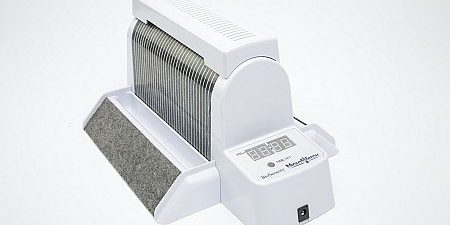
Detection traps are often used in unoccupied rooms to confirm the presence of bed bugs. These devices often feature a system that lures the bed bug into the trap. This system imitates a person sleeping, releasing carbon dioxide and pheromones, drawing the bed bugs out of the hiding places and trapping them into a specific location within the device that the user can check periodically.

There are two types of detection tools, active and passive.

Active Detection
Bed bug active monitors mocks a live host by using heat, carbon dioxide, and pheromones, which are several components that draw bed bugs out of hiding. An example of an active detection trap is NightWatch. Because bed bugs only feed every five to ten days when a host is available, ideally, it should be ran for 14 days from 10PM – 6AM so it has an adequate amount of time to pull the bed bug out of hiding.

Passive Detection
Passive monitoring, unlike active, contains no “lure” factor. Meaning, it does not attract the bed bug to the trap like the active one. Think of it being “passive aggressive” when it comes to bed bugs, while the other one is “actively aggressive”. Passive detection traps, such as ClimbUp Interceptors, trap bed bugs that physical cross them for defensive or monitoring purposes. Often, they are placed under a leg of a bed because they are attracted to the person sleeping in that bed. This would be an insistence of using external bait to lure the bed bug into the trap.

Which bed bug monitor should I invest in?
The answer to this question is dependent on the location for which the detection tool will be located. If there are no external baits, such as a sleeping person, then it is recommended that you use an active detection tool, such as NightWatch. This would be placed in your home such as living or family room, kitchen, or any vacant room. This would be ideal if you were testing to see if there are any bed bugs in a vacant home that you are about to move into or a hotel room!

Passive detectors would be ideal in a room where there is “external bait” such as a host that will naturally lure the bed bug out of hiding. Examples would be bedrooms with a permanent resident. Passive monitors involve less maintenance and are a less expensive option.

If you feel as though you are living with bed bugs call ECO Bed Bug Exterminators Baltimore for a inspection (410) 929-3420.




Why You Should Consider Bed Bug Heat Treatment

heat treatment bedbugs

When you get a bed bug infestation, your first instinct is probably to panic. They’re disgusting little pests that literally feed on your blood.

Plus, bed bugs are notoriously difficult to kill–adults can go anywhere from 20 to 400 days without feeding, depending on the temperature and humidity. They’re cold-blooded, so in cold temperatures, their metabolism slows down and they can survive longer without food.

So, how do you get rid of bed bugs? Your best option is killing bed bugs with heat.

Here’s what you need to know about bed bug heat treatment and why you should consider this treatment option as your first line of defense against an infestation.

What is Heat Treatment for Bed Bugs?

First, though, you should understand what heat treatment for bed bugs is. Heat treatments involve a process of heating up your home to a temperature of 130 to 145 degrees Fahrenheit. At this temperature, the treatment will kill bed bugs in all stages of life, including eggs, nymphs (immature bed bugs) and adult bed bugs.

Heat treatments at this temperature range usually kill bed bugs within the first hour and a half. However, exterminators typically keep the heat treatment going for several hours to make sure that any lingering pests are dead.

Why is Heat Treatment So Effective?

It sounds simple, doesn’t it? So why are heat treatments so effective in killing bed bugs? Well, for one thing, bed bugs are increasingly resistant to many pesticides.

Think about it–we’ve been using the same pesticides to kill bed bugs for years. Over time, the bed bugs that don’t die from pesticides reproduce to make more bed bugs that are resistant to pesticides. And suddenly, you’re facing a group of bed bugs that is resistant to chemical treatment.

That doesn’t mean that chemicals are useless. They’re actually quite helpful as a supplement to keep the bugs contained. But as a standalone treatment, you won’t know whether you have resistant bed bugs until you try to kill them with pesticides–and the bed bugs refuse to die.

But heat is a different matter altogether.

When you trap a bed bug with a heat treatment, what you’re really doing is trapping the bed bug in an environment that’s too hot for it to survive.

Since the entire room (or your entire house) is too hot, there’s nowhere for the bed bug to escape before the heat kills it. And since the exterminator keeps the heat up for several hours, the bed bug can’t simply wait out the heat, either.

The bed bugs are just trapped in a room set at their thermal death point, for hours at a time.

Why Use Heat Treatment?

Done in a Matter of Hours.  Heat treatments take less time than many other treatments.
You can cover every corner of your home more effectively.  The technician will take several hours to treat your possessions or rooms in your home at a high temperature that will ensure any lingering bed bugs are wiped out.

Do You Need Bed Bug Heat Treatment?

If you need a bed bug heat treatment, your best bet is to call in the pros. Please contact us to schedule your inspection.

HOUSE SOLD WITH UNKNOWN OCCUPANTS: BED BUGS

HOUSE SOLD WITH UNKNOWN OCCUPANTS_BED BUGS

House hunting? Make sure you keep an eye out for these pests.
Whether you are buying a house for the first time, buying an additional home, or finding yourself a change a scenery, house hunting can have its own aches and pains. One obstacle you don’t want to have to think about when you walk in the door for the first time is being greeted by the militant pest, bed bugs.

Often found hiding in the seams of mattresses and other places, bed bugs can invade any home and because of their tiny size, they are also difficult to find and can be easily overlooked. Bed bugs are notorious for causing sleepless nights, which often lead to mental and physical anguish and are extremely difficult and costly to get rid of. So before buying a home, ensure you have done your due diligence so you aren’t moving into a home that is surprisingly occupied.

Quick Visual Inspection
Although you may be distracted by the layout and design of a property you are interested in, it may be worthwhile keeping your eyes open for signs of bed bugs. Because you are in someone else’s home, it isn’t proper to be peeling back bed sheets to look for them on mattresses, so you will have to keep it general to start out. You will more than likely not see any walking around, as they are very elusive, but what may look like dirt, could be feces and exoskeletons left by these pests. Here are some signs of bed bugs to look out for:

Live bed bugs
Dark spots on mattress or sheets
Bed bugs’ excreta
Bed bug eggs and eggshells
Bed bugs are extremely small and flat. To put this into perspective, the insect is about the size of the thickness of a quarter, 0.1 inches, and enjoy being in warm and dark places. Bed bugs can be anywhere, but they are most often found in the following locations:

Mattresses and box springs
Drawers and furniture
Bed frames, headboards, and baseboards
Cracks behind outlets
Curtain folds
Furniture seams
Floor and door molding
Electrical appliances

When looking for bed bugs while touring a house, you are not going to be able to look at the mattress, box springs, and furniture in respect of another family’s belongings. So keep an eye out along the baseboards for any of the signs.

What To Do If You Find Bed Bugs
If you find a bed bug or have the signs of bed bugs in a home you are interested in purchasing, you must first tell your realtor to ensure that it is communicated clearly to the other party. This may or may not alter property value or halt any offers that are in place. At this point, the seller would have to seek help from a professional bed bug exterminator. They will be able to confirm whether there is, or is not a bed bug infestation and the best methods to exterminate. If the house you are seeking does have bed bugs, it is not a deal breaker. With the right bed bug treatment procedure, the bed bugs can be exterminated in just one day.

Hiring a House Inspector
Hiring a house inspector that is familiar with bed bugs could save you an immense amount of time and money. Some home inspectors may or may not be familiar with bed bugs and many individuals have to hire a separate bed bug investigator to make sure there aren’t any infestations in your home. Because of this, it may be worth doing some research and finding a home inspector that is familiar with these infestations!

If you need a bed bug exterminator specialist or need someone to inspect your home, please contact ECO Bed Bug Exterminator Baltimore at (410) 929-3420.