Bed Bug Bon Voyage How to Avoid These Pesky Hitchhikers on Your Cruise

Cruise line vacations offer a perfect blend of relaxation, adventure, and luxury. However, like any form of travel, they come with their own set of potential inconveniences, one of which is the possibility of encountering bed bugs. These tiny pests can quickly turn a dream vacation into a nightmare. In this guide, we’ll delve into how to avoid bed bugs on cruise ships, what to do if you encounter them, and steps you can take to prevent bringing them home.

Understanding Bed Bugs

Bed bugs are small, reddish-brown insects that feed on the blood of humans and animals. They are nocturnal and hide in cracks and crevices during the day, making them hard to spot. They can be found in various places, including hotels, homes, and cruise ships.

Why Bed Bugs on Cruise Ships?

Cruise ships are bustling environments with high passenger turnover, making them susceptible to bed bug infestations. Passengers from different parts of the world can inadvertently bring bed bugs on board, where they can quickly spread if not promptly addressed.

Before You Board Preparation Tips

1. Research Your Cruise Line: Look for reviews and reports of bed bug incidents. Reputable cruise lines often have stringent pest control measures in place.

2. Pack Smart: Use hard-sided luggage instead of fabric suitcases, as bed bugs find it harder to cling to hard surfaces. Consider packing your belongings in sealable plastic bags within your luggage.

3. Travel Insurance: Ensure your travel insurance covers bed bug incidents, including medical treatment and reimbursement for damaged belongings.

Upon Arrival Inspecting Your Cabin

1. Initial Inspection: Upon entering your cabin, place your luggage in the bathroom or on a hard surface away from the bed.

2. Check the Bed: Inspect the mattress seams, headboard, bed frame, and under the mattress for any signs of bed bugs, such as dark spots, shed skins, or the bugs themselves.

3. Furniture and Upholstery: Examine upholstered furniture, curtains, and any other fabric surfaces for signs of bed bugs.

4. Luggage Stand: Use a luggage stand to keep your suitcase off the floor and away from the bed.

During Your Stay Vigilance and Hygiene

1. Keep Belongings Elevated: Store your luggage on the luggage stand and keep personal items in sealed bags.

2. Regular Inspections: Periodically check your sleeping area and belongings for any signs of bed bugs.

3. Report Immediately: If you find any signs of bed bugs, notify the ship’s staff immediately. Most cruise lines have protocols in place to handle such incidents promptly.

Disembarking Preventing Bed Bugs from Coming Home

1. Inspect Luggage: Before leaving the ship, inspect your luggage and belongings for any signs of bed bugs.

2. Isolate Belongings: Upon returning home, keep your luggage in a garage or outside the living area until you can thoroughly inspect and clean it.

3. Launder Clothes: Wash all your clothes in hot water and dry them on high heat, even those you didn’t wear, to kill any potential bed bugs.

What to Do If You Encounter Bed Bugs

1. Immediate Action: If you suspect a bed bug infestation, report it to the cruise staff immediately. Request a cabin change if necessary.

2. Documentation: Take pictures of any bed bugs or evidence you find and keep records of your reports and any actions taken by the cruise line.

3. Seek Medical Attention: If you experience bites, seek medical attention from the ship’s medical staff.

Additional Tips and Insights

Choosing Your Cruise Wisely

1. Cruise Line Policies: Check if the cruise line has a specific bed bug policy or pest control measures listed on their website. Cruise lines with transparent and proactive measures are usually more reliable.

2. Cabin Selection: Opt for newer ships or recently refurbished cabins when possible. These are less likely to have bed bug infestations due to more recent and frequent inspections and treatments.

Packing Essentials

1. Bed Bug Spray: Consider bringing a bed bug travel spray that is safe for use on mattresses and luggage. These can offer an extra layer of protection.

2. Portable Steamer: A portable steamer can be useful for treating clothes and luggage, as bed bugs cannot survive high temperatures.

3. Plastic Bags: Pack extra sealable plastic bags to keep dirty and clean clothes separate, reducing the chances of bed bugs spreading.

In-Cabin Practices

1. Minimal Unpacking: Consider keeping most of your belongings in your suitcase rather than unpacking into drawers or closets, reducing the surface area for potential bed bugs to infest.

2. Daily Cleaning: Maintain cleanliness in your cabin. Vacuum sealed travel bags for dirty clothes can minimize the risk of spreading bed bugs.

If Bed Bugs Are Found

1. Quarantine Procedures: If bed bugs are found, ask the staff about their quarantine and pest control procedures. The ship should offer thorough cleaning and quarantine protocols to prevent the spread.

2. Compensation: Discuss compensation for the inconvenience, such as cabin upgrades, onboard credits, or even partial refunds, depending on the severity of the issue.

Post-Cruise Measures

1. Heat Treatment: Use a heat treatment bag for your luggage if available. These devices are designed to heat items to a temperature that kills bed bugs.

2. Professional Inspection: Consider having your home inspected by a pest control professional after your trip, especially if you suspect any bed bugs may have traveled home with you.

Staying Informed

1. Travel Forums and Reviews: Regularly check travel forums and review sites like TripAdvisor for recent reports of bed bug encounters on specific cruise lines or ships.

2. Education: Stay educated about bed bugs – knowing what to look for and how to handle potential infestations can significantly reduce stress and improve your response time.

Mental Preparedness

1. Stay Calm: If you do encounter bed bugs, staying calm and methodical in your approach will help you manage the situation effectively without letting it ruin your vacation.

2. Awareness: Remember that bed bugs, while annoying, are not known to transmit diseases. Focusing on prompt action and professional help will mitigate the issue.

Conclusion

While the thought of bed bugs can be unsettling, being prepared and vigilant can help you avoid these pests and enjoy a worry-free cruise vacation. By following these steps before, during, and after your cruise, you can minimize the risk of encountering bed bugs and ensure your journey remains enjoyable and stress-free.

Bon voyage and happy cruising!

Why You Should Never Unpack Your Suitcase Right After A Trip

Traveling can be an exhilarating experience, filled with new sights, sounds, and memories. However, returning home from a trip also brings a certain level of urgency to resume normal life as quickly as possible. One common practice many travelers follow is unpacking their suitcase as soon as they get home. While this might seem like an efficient way to settle back into your routine, it can lead to an unexpected and unpleasant consequence: bed bugs.

The Hidden Hitchhikers: Bed Bugs

Bed bugs are small, elusive pests that can easily hide in the seams and folds of your luggage. These tiny insects are experts at hitchhiking, and once they latch onto your belongings, they can quickly spread throughout your home. Bed bugs are attracted to warmth and the carbon dioxide we exhale, making them especially fond of our living spaces.

The Risks of Immediate Unpacking

1. Spread of Infestation: Unpacking your suitcase right away in your bedroom or living area can inadvertently introduce bed bugs to your home. These pests can quickly migrate from your luggage to your furniture, bedding, and clothing.

2. Difficult Detection: Bed bugs are notoriously difficult to spot. They are small, nocturnal, and can hide in the tiniest of crevices. Unpacking in a rush means you might miss the early signs of an infestation, allowing the problem to escalate.

3. Costly and Time-Consuming Treatment: Once bed bugs have infiltrated your home, getting rid of them can be both expensive and time-consuming. Professional extermination services are often required, and multiple treatments may be necessary to fully eradicate the infestation.

Steps to Prevent Bringing Bed Bugs Home

1. Inspect Your Hotel Room: Before settling in, carefully inspect your hotel room for signs of bed bugs. Check the mattress seams, headboard, and upholstered furniture for tiny, reddish-brown insects or dark spots (bed bug excrement).

2. Use Luggage Racks: Keep your suitcase off the floor and bed by using luggage racks. Bed bugs are less likely to reach your luggage if it’s elevated.

3. Pack Smart: Store your belongings in sealed plastic bags inside your suitcase. This adds an extra layer of protection against bed bugs infiltrating your clothing and other items.

4. Launder Clothing Immediately: As soon as you get home, launder all clothing from your suitcase on the highest heat setting possible. Bed bugs and their eggs cannot survive high temperatures.

5. Vacuum Your Suitcase: Thoroughly vacuum your suitcase, paying close attention to seams and pockets. Dispose of the vacuum bag or contents immediately after use.

6. Inspect Your Luggage: Before bringing your suitcase into your home, inspect it carefully for any signs of bed bugs. Use a flashlight to look into the nooks and crannies.

The Best Practice: Unpack with Caution

Instead of rushing to unpack your suitcase in your bedroom or living room, consider unpacking in a more controlled environment, such as a garage or laundry room. This allows you to carefully inspect and clean your belongings without the risk of introducing bed bugs into your main living areas.

1. Unpack in a Controlled Area: Choose a space where bed bugs are less likely to spread, such as a garage or laundry room. Lay out a clean, light-colored sheet to help you spot any insects.

2. Sort and Inspect: Take each item out one by one, inspecting them for any signs of bed bugs. Shake out clothing and other items before bringing them inside.

3. Immediate Laundry: Transfer clothing directly to the washing machine and use the highest heat setting appropriate for the fabric. This will kill any potential bed bugs or eggs.

4. Vacuum and Clean: After unpacking, thoroughly vacuum the area where you unpacked your suitcase and clean the suitcase itself. Pay special attention to seams and pockets.

Final Thoughts

While the urge to unpack immediately after a trip is understandable, taking a few extra precautions can save you from the headache and expense of a bed bug infestation. By following these simple steps, you can enjoy the memories of your travels without the unwelcome souvenirs that bed bugs can bring. Remember, a little caution goes a long way in keeping your home safe and pest-free.

If you suspect a bed bug infestation, reach out to ECO Bed Bug at 410.324.6223. ECO will work with you to develop a customized solution to address your needs.

Stay Vigilant While Traveling and Avoid Bringing Bed Bugs Home

When it comes to traveling, the last thing you want to bring back as a souvenir is an unwanted guest – bed bugs. These pesky insects are notorious for hitchhiking their way into our homes through luggage, clothing, and other personal items. To ensure your travels are bug-free, here are some essential tips to stay vigilant and prevent bed bugs from becoming unwelcome travel companions.

1. Inspect Your Lodging:

Before you settle into your accommodation, take a few minutes to thoroughly inspect the room. Start by checking the mattress seams, bed frame, and headboard for any signs of bed bug infestation, such as tiny reddish-brown bugs, shed skins, or small dark spots. If you notice anything suspicious, request a room change immediately.

2. Elevate Your Luggage:

Bed bugs are skilled climbers, so keeping your luggage off the floor and elevated on luggage racks or stands can help reduce the risk of them crawling into your bags. Use hard-shelled suitcases if possible, as they are more resistant to bed bug penetration.

3. Keep Items Sealed:

Pack your clothing and personal items in sealed plastic bags or travel organizers to prevent bed bugs from making their way into your belongings. This extra layer of protection can make it harder for them to establish a hiding spot.

4. Avoid Using Hotel Drawers:

While it might be tempting to unpack your clothes into the hotel drawers, it’s best to keep your items inside your sealed bags or luggage. Bed bugs often find their way into drawers and other furniture, so keeping your belongings contained can help prevent their spread.

5. Do Laundry After Travel:

Once you return from your trip, wash all your travel clothes, including those you didn’t wear, in hot water. High temperatures can kill any potential bed bugs or eggs that may have hitched a ride.

6. Quarantine Your Luggage:

If you suspect you’ve encountered bed bugs during your travels, it’s a good idea to quarantine your luggage in a separate area of your home. Avoid bringing your bags into bedrooms or other living spaces until you’ve thoroughly inspected and treated them.

7. Inspect Souvenirs and Items:

Bed bugs are opportunistic and can hide in unexpected places. When you bring souvenirs or new items into your home, inspect them thoroughly before placing them in your living areas.

8. Prevention at Home:

Even after taking precautions while traveling, it’s wise to continue being vigilant at home. Regularly inspect your bedding, furniture, and other potential hiding spots for any signs of bed bug infestation. Early detection is key to preventing a major problem.

Your travel adventures should bring back cherished memories, not bed bugs. By staying vigilant, taking preventive measures, and practicing thorough inspections, you can greatly reduce the risk of bringing these pests home with you. Remember, a little caution can go a long way in safeguarding your living space from unwanted intruders. So, travel smart, stay alert, and keep those bed bugs at bay!

If you suspect a bed bug infestation, reach out to ECO Bed Bug at 410.324.6223. ECO will work with you to develop a customized solution to address your needs.

The Hidden Haven: How Clutter Can Harbor Bed Bugs

Clutter, the seemingly innocuous accumulation of items in our homes, is not just an eyesore; it can also be a haven for bed bugs, those pesky little blood-sucking pests that love to make themselves at home in our beds and furniture. In this blog, we’ll explore what clutter is, why bed bugs are drawn to it, how clutter can make bed bugs harder to find, and some practical tips and hacks to reduce clutter and minimize the risk of a bed bug infestation.

What is clutter?

Clutter is any collection of items that are disorderly or untidy, often taking up unnecessary space in our living environments. It can range from stacks of old newspapers and magazines to piles of clothes, toys, and household items that haven’t found their proper place. Clutter can accumulate over time due to busy lifestyles, procrastination, or simply holding onto things we no longer need.

Why do bed bugs love clutter?

Bed bugs are attracted to clutter for a few reasons:

1. Hiding Spots: Clutter provides numerous hiding spots for bed bugs to nest and reproduce. Piles of clothes, stacks of papers, and cluttered furniture offer ideal hiding places where bed bugs can remain undisturbed until it’s time to feed.

2. Easy Access to Hosts: Bed bugs are nocturnal creatures that feed on human blood. Clutter near sleeping areas provides easy access to their hosts, allowing them to feed without having to travel far.

3. Protection from Detection: Clutter can make it difficult to spot the signs of a bed bug infestation. Their small size and secretive behavior mean they can easily go unnoticed amidst piles of belongings, delaying detection and treatment.

Is bed bugs harder to find due to clutter?

Yes, clutter can make it significantly harder to detect and eradicate bed bugs for several reasons:

1. Camouflage: Bed bugs are experts at hiding, and clutter provides the perfect camouflage. They can burrow deep into piles of clothes, bedding, or other items, making it challenging to spot them with the naked eye.

2. Obstructions: Clutter can create barriers that make it difficult to access potential hiding spots or inspect for signs of bed bugs. Piles of belongings may need to be moved or sorted through, adding time and effort to the detection process.

3. Limited Treatment Options: Clutter can also limit the effectiveness of treatment methods. Sprays and insecticides may not penetrate deep into cluttered areas, leaving bed bugs undisturbed and allowing infestations to persist.

Tips and hacks to reduce clutter

1. Declutter Regularly: Make decluttering a regular part of your routine. Set aside time each week to go through different areas of your home and remove items you no longer need or use.

2. Organize and Store: Invest in storage solutions such as bins, baskets, and shelving to keep belongings organized and off the floor. Proper storage can help prevent clutter from accumulating and create fewer hiding spots for bed bugs.

3. Minimize Paper Piles: Go digital whenever possible to reduce the amount of paper clutter in your home. Scan important documents and opt for electronic bills and statements to minimize paper piles that can attract bed bugs.

4. Limit Multipurpose Furniture: While multipurpose furniture can be convenient, it also tends to accumulate clutter. Opt for furniture with simple designs and minimal storage to prevent bed bugs from finding hiding spots.

5. Regular Cleaning: Keep your home clean and tidy to discourage bed bugs from taking up residence. Vacuum regularly, wash bedding and curtains frequently, and dust hard-to-reach areas to eliminate potential hiding spots.

By reducing clutter in your home, you can not only create a more organized and inviting living space but also minimize the risk of a bed bug infestation. Remember, a clutter-free home is not just aesthetically pleasing—it’s also less hospitable to unwanted guests like bed bugs.

Heat, Chemicals, or Bio-Pesticides: What’s The Best Bed Bug Removal Method?

Dealing with a bed bug infestation can be a stressful and challenging experience for homeowners. With numerous bed bug removal methods available, ranging from heat treatments and chemical insecticides to bio-pesticides, it can be difficult to determine the most effective approach. In this blog post, we’ll compare the benefits and drawbacks of heat, chemicals, and bio-pesticides for bed bug eradication to help you make an informed decision.

Heat Treatment for Bed Bug Removal

1. How it Works: Heat treatment involves raising the temperature of infested areas to levels lethal to bed bugs and their eggs, typically between 120°F (49°C) and 140°F (60°C).

2. Effectiveness: Heat treatment is highly effective in killing bed bugs and their eggs throughout the entire infested area, including cracks, crevices, and hidden spaces.

3. Non-Chemical: Heat treatment is a non-chemical method, making it safe for use in homes and minimizing the risk of pesticide exposure.

4. Comprehensive Eradication: Heat treatment can eliminate bed bugs in all stages of development, disrupting their reproductive cycle and providing long-lasting relief from infestations.

Chemical Insecticides for Bed Bug Removal

1. How it Works: Chemical insecticides are applied as sprays, dusts, or aerosols to infested areas to kill bed bugs upon contact or ingestion.

2. Effectiveness: Chemical insecticides can be effective in killing bed bugs, but their efficacy may vary depending on the type of pesticide used, the application method, and the resistance of bed bugs to certain chemicals.

3. Potential Health Risks: Chemical insecticides may pose health risks to humans and pets if not used properly, and repeated exposure to pesticides can lead to environmental contamination.

4. Resistance Development: Over time, bed bugs may develop resistance to certain chemical insecticides, reducing their effectiveness in controlling infestations.

Bio-Pesticides for Bed Bug Removal

1. How it Works: Bio-pesticides are derived from natural substances, such as bacteria, fungi, or plant extracts, and target specific pests like bed bugs while posing minimal risk to humans and the environment.

2. Effectiveness: Bio-pesticides can be effective in controlling bed bug infestations, particularly when used in combination with other integrated pest management strategies.

3. Eco-Friendly: Bio-pesticides are considered environmentally friendly alternatives to chemical insecticides, making them suitable for use in sensitive indoor environments.

4. Limited Research: While bio-pesticides show promise in bed bug control, more research is needed to assess their long-term efficacy and optimal application methods.

Choosing the Best Bed Bug Removal Method

1. Consider the Severity of Infestation: The severity of the bed bug infestation may influence the choice of removal method, with more extensive infestations often requiring comprehensive approaches like heat treatment.

2. Evaluate Safety Concerns: Consider the potential health risks associated with chemical insecticides and prioritize methods that minimize exposure to harmful substances, especially in households with children, pets, or individuals with respiratory sensitivities.

3. Consult with Pest Control Professionals: Seek guidance from licensed pest control professionals who can assess your specific situation, recommend appropriate treatment options, and ensure safe and effective implementation.

4. Implement Preventive Measures: Regardless of the chosen removal method, it’s essential to implement preventive measures, such as regular inspections, clutter reduction, and sealing entry points, to minimize the risk of future infestations.

Ultimately, the best bed bug removal method depends on various factors, including the severity of the infestation, safety considerations, and individual preferences. Whether you opt for heat treatment, chemical insecticides, or bio-pesticides, it’s essential to prioritize methods that are effective, safe, and environmentally friendly. By understanding the pros and cons of each approach and seeking professional guidance when needed, homeowners can successfully eradicate bed bugs and restore comfort and peace of mind in their homes.

We recognize that dealing with bed bugs can be overwhelming, and attempting to address the issue independently may not always yield the best results. For a tailored treatment solution designed to meet your needs, please don’t hesitate to reach out to ECO Bed Bug at (410) 929-3420. We’re here to help.

Traveling to Paris for the Olympics? Here’s How to Protect Yourself from Bed Bugs

As you pack your bags and prepare to enjoy the excitement of the Summer Olympics in Paris, there’s one thing you should add to your checklist: bed bug prevention. These tiny, resilient pests can easily hitch a ride in your luggage and spoil your trip. Follow these tips to safeguard yourself against bed bugs while traveling to Paris for the Olympics.

1. Choose Your Accommodation Wisely

Before booking your stay, do some research. Look for hotels and rentals with good reviews, and specifically search for any mention of bed bugs. Websites like TripAdvisor and BedBugRegistry.com can provide valuable insights from previous guests. Additionally, consider staying in newer or recently renovated accommodations, as they are less likely to have infestations.

2. Inspect Your Room Upon Arrival

Once you check into your hotel or rental, don’t rush to unpack. First, conduct a thorough inspection of the room:

• Check the Bed: Pull back the sheets and inspect the mattress seams, especially around the headboard and foot of the bed. Look for small brown spots or live bugs.

• Examine Furniture: Look closely at upholstered furniture, behind picture frames, and in any crevices where bed bugs might hide.

• Use a Flashlight: Bed bugs are small and can be hard to see, so use a flashlight to aid your inspection.

3. Protect Your Luggage

To minimize the risk of bed bugs hitching a ride home with you:

• Use Luggage Racks: Keep your suitcase off the floor and bed by placing it on a luggage rack.

• Seal Your Belongings: Store your clothes in sealable plastic bags within your suitcase.

• Wrap Your Suitcase: Consider using a protective cover or encasing your suitcase in plastic wrap during your stay.

4. Keep Personal Items Off the Bed

Avoid placing clothes, bags, or other personal items on the bed. Use the desk, dresser, or luggage rack for storage. Bed bugs are most commonly found in and around beds, so keeping your belongings away from the bed can help reduce the risk of an infestation.

5. Use Bed Bug Sprays

Pack a small travel-sized bed bug spray that can be used on mattresses and luggage. These sprays can kill bed bugs on contact and act as a deterrent. Just make sure to choose one that is safe and approved for travel use.

6. Know the Signs of Bed Bugs

Understanding the signs of bed bugs can help you act quickly if you encounter them:

• Bites: Bed bug bites often appear as red, itchy welts, usually in a line or cluster.

• Fecal Spots: Small, dark spots on bedding, mattresses, or furniture are a common sign of bed bugs.

• Shed Skins: Bed bugs shed their skins as they grow, leaving behind translucent shells.

7. Report Any Issues Immediately

If you find evidence of bed bugs in your room, notify hotel management immediately and request a new room. Be sure to inspect the new room as well, as bed bugs can easily spread between rooms.

8. Post-Trip Precautions

When you return home, take extra precautions to ensure you haven’t brought any unwanted guests with you:

• Inspect Your Luggage: Before bringing your suitcase into your home, inspect it carefully for any signs of bed bugs.

• Wash Clothes: Immediately wash all your clothes in hot water and dry them on high heat. Bed bugs cannot survive the high temperatures.

• Vacuum Your Suitcase: Use a vacuum to clean your suitcase, paying special attention to seams and pockets. Consider using a garment steamer on your luggage to kill any remaining bugs.

By taking these steps, you can enjoy your trip to Paris and the Olympic Games without the worry of bringing bed bugs back home. Safe travels, and enjoy the games!

Heat Rash vs Bed Bugs: How to Tell the Difference in the Summer Heat Wave

As the scorching summer heat wave settles in, our skin often becomes a canvas for unexpected irritations – those pesky red, itchy bumps that leave us questioning whether it’s heat rash or a bed bug infestation. Let’s unravel the mystery behind these common summer skin woes to understand their distinct characteristics and the best ways to address them.

Heat Rash – A Common Culprit of Summer

Heat rash, or prickly heat, emerges when sweat ducts become obstructed, trapping sweat beneath the skin’s surface. This blockage leads to inflammation and irritation, especially in hot, humid conditions where sweat is abundant.

Symptoms of Heat Rash:

• Small, red bumps or pimples

• Clear or tiny white blisters

• Prickling or itching sensation

• Predominantly found in sweat-prone areas like the chest, back, neck, and groin

Treatment for Heat Rash:

Heat rash typically resolves on its own within a few days with proper care:

• Keep cool and avoid excessive sweating.

• Opt for loose, breathable clothing, ideally made from natural fibers.

• Take refreshing cool showers to lower body temperature.

• Use soothing agents like calamine lotion or hydrocortisone cream to alleviate discomfort.

Bed Bugs – Silent Nighttime Intruders

In contrast to heat rash, bed bugs are nocturnal pests that feed on human blood while we sleep. Their bites often manifest as itchy, red welts and can appear in distinct patterns on exposed skin areas.

Symptoms of Bed Bug Bites:

• Small, red, itchy welts

• Bites often in a line or cluster, following the path bed bugs took while feeding

• Commonly found on exposed areas such as the face, arms, hands, and legs

• May appear in a zigzag pattern

Treatment for Bed Bug Bites:

While bed bug bites typically heal on their own, they can cause discomfort:

• Clean the bites gently with mild soap and water to prevent infection.

• Apply calamine lotion or hydrocortisone cream to reduce itching and inflammation.

• Consider taking an antihistamine to alleviate itching symptoms.

Key Differentiators for Diagnosis

To distinguish between heat rash and bed bug bites, consider the following:

• Location: Heat rash primarily affects areas prone to sweating, whereas bed bug bites can appear anywhere on the body, often concentrated on exposed skin during sleep.

• Appearance: Heat rash presents as small, red bumps or blisters, whereas bed bug bites tend to be larger, red welts in a line or cluster.

• Pattern: Heat rash is scattered and diffuse, while bed bug bites follow a more linear or clustered path.

• Presence of Bed Bugs: If you notice small, reddish-brown insects or their shed skins around your sleeping area, bed bugs are likely the cause of your skin irritation.

If uncertainty persists regarding your skin condition, seeking medical advice or consulting a dermatologist is advisable for accurate diagnosis and appropriate treatment. Early intervention not only ensures relief but also helps in effectively managing bed bug infestations.

Understanding these distinctions empowers you to confidently tackle summer skin irritations, ensuring you enjoy the season itch-free and comfortably. Stay informed, stay proactive, and savor every moment of summer without skin worries!☀️

MOVING MADE BED BUG-FREE: PREVENTING BED BUGS DURING YOUR MOVE AND IN MOVING TRUCKS

Moving to a new home is an exciting chapter in life, but it can quickly turn into a nightmare if bed bugs decide to hitch a ride. These pesky pests are notorious for spreading rapidly, making prevention crucial, especially during a move. Whether you’re packing your own vehicle or renting a moving truck, here are essential tips to keep bed bugs at bay and ensure a smooth transition to your new abode.

1. Pre-Move Inspection:

Before loading anything into your vehicle or rental truck, conduct a thorough inspection of all belongings. Look for signs of bed bugs such as live bugs, eggs, molted skins, or dark spots indicating fecal matter. Pay close attention to furniture, mattresses, and upholstery where bed bugs often hide.

2. Opt for Sealed Containers:

Instead of cardboard boxes, which provide easy access for bed bugs, choose sealed plastic containers for packing your belongings. This extra layer of protection makes it harder for bed bugs to infiltrate and infest your items during transit.

3. Launder and Heat Treat:

Prior to packing, wash and dry all clothing, bedding, and linens using the highest heat settings recommended for each fabric. This kills any existing bed bugs or eggs, ensuring you’re not inadvertently transporting them to your new home. Store clean items in sealed plastic bags or containers until moving day.

4. Disassemble Furniture Carefully:

If you’re moving furniture, disassemble it carefully and inspect each piece thoroughly. Pay close attention to joints, seams, and any upholstered areas where bed bugs could be hiding. Vacuum furniture surfaces and treat with a bed bug-specific insecticide or heat treatment if necessary before loading onto the truck.

5. Wrap and Protect:

For larger items like mattresses and box springs, use mattress encasements or bed bug-proof covers to seal them during transit. This not only prevents bed bugs from infesting your bedding but also protects against dirt and damage during the move.

6. Inspect the Moving Truck:

Before loading your belongings onto the rental truck, inspect the vehicle for any signs of bed bugs. Look for live bugs, shed skins, or fecal stains in the cargo area, cab, and upholstery. If you spot any evidence of bed bugs, notify the rental company immediately and request a different truck.

7. Monitor for Hitchhikers:

During the move, keep an eye out for any signs of bed bugs hitchhiking on furniture or boxes. If you spot any suspicious insects, isolate the infested item and treat it accordingly to prevent spreading bed bugs to your new home.

8. Monitor and Inspect Your Belongings After the Move:

Once you’ve arrived at your new home, continue to monitor and inspect your belongings for any signs of bed bugs. Unpack items carefully, inspecting each one as you go, and be vigilant for any signs of infestation. If you suspect bed bugs may have hitched a ride during the move, take prompt action to address the issue before it becomes a full-blown infestation.

Moving to a new home is an exciting adventure, but the last thing you want to bring along are unwanted bed bugs. By following these tips for prevention during the moving process and when using a rental truck, you can minimize the risk of encountering bed bugs and enjoy a smooth transition to your new living space. Stay vigilant, inspect thoroughly, and take proactive measures to ensure a bed bug-free move. If you discover bed bugs in your home, reach out to ECO Bed Bug at 410.324.6223 to formulate an effective treatment plan. Safe travels! 🏡

The Looming Threat: Tropical Bed Bugs (Cimex hemipterus) Take Hold in the US

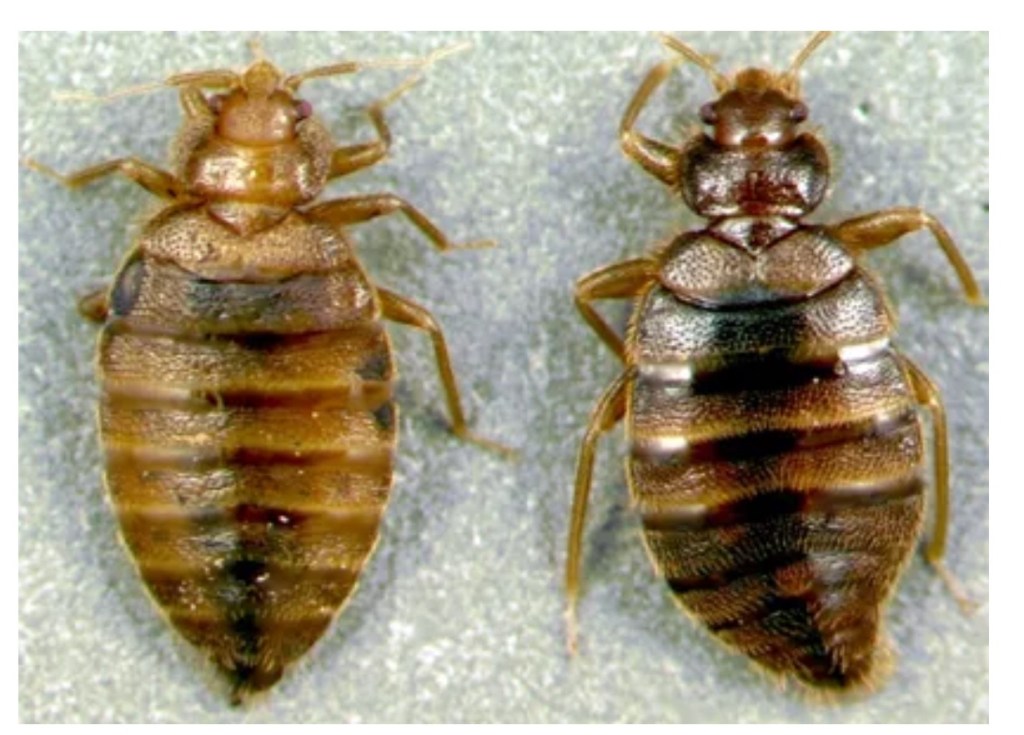
The common bed bug (left) features a distinctly U-shaped pronotum, while the tropical bed bug (right) has a less pronounced U-shaped pronotum.

For many years, pest control professionals have battled the common bed bug (Cimex lectularius), a persistent blood-feeding parasite that plagues homes and hospitality establishments alike. Now, a new challenge is emerging: the tropical bed bug, Cimex hemipterus. This closely related species raises significant concerns due to its potential for wider spread and increased difficulty in eradication.

Understanding the Tropical Bed Bug

The tropical bed bug thrives in warm, humid environments. Historically confined to tropical and subtropical regions, factors such as increased global travel and climate change are contributing to its northward expansion. In the United States, confirmed cases have already been documented in Florida and Hawaii.

Key Distinctions from the Common Bed Bug

While both bed bug species feed on human blood, the tropical bed bug exhibits some key differences:

Temperature Preference: Tropical bed bugs prefer higher temperatures than their common counterparts. While common bed bugs can survive in cooler climates, tropical bed bugs may struggle in areas with long, cold winters. However, with climate change bringing warmer temperatures to previously unsuitable regions, their geographic range is a growing concern.

Insecticide Resistance: The widespread overuse of insecticides may have contributed to resistance development in tropical bed bugs. This resistance makes them potentially more challenging to eradicate compared to common bed bugs.

Hiding Habits: Some studies suggest tropical bed bugs may be better at hiding in cracks and crevices, making them more difficult to detect during inspections.

The Potential Threat

The potential spread of the tropical bed bug poses a significant threat for several reasons:

Wider Infestation Range: As temperatures rise, the tropical bed bug’s geographic range could expand beyond currently known areas, potentially impacting a broader swath of the US population.

Treatment Challenges: Their potential resistance to insecticides necessitates the development of alternative and potentially more complex eradication methods, which could be more costly and time-consuming.

Proactive Measures for Property Managers and Residents

While the news of the tropical bed bug’s arrival may be unsettling, there’s no need to panic. Here are some steps property managers and residents can take to protect themselves:

Heightened Awareness: Familiarize yourself with the signs of a bed bug infestation, including bites, shed skins, and live bugs. Educate residents and staff about the potential for tropical bed bugs and the importance of early detection.

Regular Inspections: Implement a comprehensive inspection program to proactively identify potential infestations. Focus on mattresses, box springs, bed frames, and surrounding furniture for signs of bed bugs.

Travel Smart: Educate staff and residents about travel-related risks. Encourage inspections of hotel rooms, especially in high-risk areas. Recommend using luggage liners and storing luggage on luggage racks instead of the floor.

Seek Professional Help: If you suspect a bed bug infestation, regardless of the species, contact ECO Bed Bug Exterminators immediately. Early intervention is crucial for successful eradication.

The arrival of the tropical bed bug highlights the need for continued research and development of effective control methods. Proactive measures, including education, regular inspections, and swift professional intervention, are crucial in minimizing the impact of tropical bed bug infestations. By working together, property managers, residents, and pest control professionals can effectively combat this emerging threat.

NAVIGATING BED BUG INFESTATIONS IN SENIOR LIVING COMMUNITIES

Senior living care facilities, including nursing homes, assisted living facilities, and retirement communities, are facing a growing challenge with bed bug infestations. The prevalence of bed bugs in these environments poses significant risks to the health and well-being of elderly residents. In this blog, we’ll explore the factors contributing to the rise of bed bugs in senior living care facilities and discuss strategies to address this escalating problem.

WHAT ARE BED BUGS?

Bed bugs, scientifically known as Cimex lectularius, are small, reddish-brown insects that feed exclusively on the blood of humans and animals. These nocturnal pests belong to the family Cimicidae and are commonly found in warm environments, particularly in areas where people sleep or rest.

WHAT ARE THE SIGNS OF A BED BUG INFESTATION?

1. Unexplained Bites:

One of the most telltale signs of a bed bug infestation is waking up with unexplained bites on your skin. Bed bug bites often appear as small, red welts or clusters of bites, typically in a linear or zigzag pattern. These bites are commonly found on areas of the body exposed during sleep, such as the face, neck, arms, and hands.

2. Bloodstains on Bedding:

Bed bugs feed by piercing the skin and extracting blood from their hosts. As a result, you may notice small bloodstains on your sheets, pillowcases, or mattress covers. These stains can result from accidentally squashing a bed bug while sleeping or from bed bug excrement, which may contain digested blood.

3. Fecal Spots:

Bed bug feces, also known as fecal spots or droppings, appear as small, dark, rusty-colored stains on bedding, mattresses, walls, or furniture. These spots are often concentrated in areas where bed bugs congregate or travel, such as along mattress seams, bed frames, or baseboards.

4. Shed Skins:

Like other insects, bed bugs undergo a process called molting, where they shed their exoskeletons as they grow. These discarded exoskeletons, known as shed skins or casings, resemble translucent, empty shells and can accumulate in areas where bed bugs hide or travel, such as mattress seams, cracks, or crevices.

5. Live Bugs:

In advanced infestations, you may encounter live bed bugs crawling on surfaces or hiding in cracks, crevices, or other hiding places. Adult bed bugs are approximately the size of an apple seed and have flat, oval-shaped bodies. They are reddish-brown in color, but may appear darker after feeding.

6. Musty Odor:

In some cases, a musty or sweet odor may be present in rooms with a significant bed bug infestation. This odor is caused by bed bug pheromones and is often described as being similar to the scent of coriander or almonds. While not always present, the presence of a foul odor can be an additional indicator of bed bug activity.

WHY THEY ARE ON THE RISE IN THESE FACILITIES?

1. Increased Mobility:

Elderly residents in senior living care facilities often receive visitors, attend social gatherings, or participate in group activities, increasing the likelihood of bed bug introduction from external sources. Visitors may inadvertently bring bed bugs into the facility on their clothing, luggage, or personal belongings, leading to infestations in resident rooms and communal areas.

2. Limited Mobility and Detection:

Elderly individuals may have limited mobility or sensory impairments that hinder their ability to detect bed bugs or report infestations promptly. As a result, bed bug infestations in senior living care facilities may go unnoticed or unreported for extended periods, allowing the pests to proliferate and spread throughout the facility.

3. Shared Living Spaces:

Senior living care facilities often feature shared living spaces, including bedrooms, bathrooms, and common areas, where bed bugs can easily spread from one resident’s living quarters to another. Additionally, communal furniture, such as chairs, sofas, and dining tables, provide ideal harborage sites for bed bugs to hide and reproduce.

4. High Turnover Rates:

Senior living care facilities may experience high turnover rates due to factors such as resident transfers, hospitalizations, or admissions. These transitions create opportunities for bed bugs to be introduced into the facility or transmitted between residents, exacerbating infestation problems.

5. Challenges with Treatment:

Traditional bed bug treatment methods, such as chemical pesticides, may pose health risks to elderly residents or be impractical to implement in senior living care facilities due to safety concerns or regulatory restrictions. As a result, facilities may face challenges in effectively eradicating bed bug infestations and preventing their recurrence.

STRATEGIES FOR MITIGATION:

1. Education and Awareness:

Implementing education and awareness programs for residents, staff, and visitors can help increase understanding of bed bug prevention, detection, and management strategies.

2. Regular Inspections:

Conducting routine inspections of resident rooms, common areas, and furnishings can facilitate early detection of bed bug infestations and prompt intervention measures.

3. Integrated Pest Management (IPM):

Adopting an IPM approach that combines non-chemical methods, such as heat treatment, vacuuming, and steam cleaning, with targeted pesticide applications can effectively control bed bug infestations while minimizing risks to residents and staff.

4. Collaboration with Pest Management Professionals:

Partnering with licensed pest management professionals who specialize in bed bug control can provide senior living care facilities with expertise and resources to effectively address bed bug infestations and implement proactive prevention measures.

PREVENT BED BUG INFESTATIONS

Here are the steps your community should take to prevent bed bug infestations if any warning signs are present among your residents.

1. Suspected/Confirmed Infestation

If bed bugs are suspected or confirmed in a resident’s living area:

• Notify management

• Inspect the room/apartment

• If bed bugs are present, notify the Executive Director and Director of Housekeeping

2. Confirmed Infestation Protocol

To prevent the further spread of bed bugs throughout your community:

• Contact a professional exterminator

• Inspect adjacent living and common areas

• Safely and properly clean the affected area to physically remove bugs:

• Vacuum the mattress, carpets, and upholstered furniture

• Dispose of sweeper bag in outside trash

• Wipe down all non-upholstered furniture

• Clean all bedding in hot water and hot dryer

• Wash the resident’s clothing

• Temporarily move the resident to another room/apartment

• DO NOT TAKE ANY BELONGINGS FROM THE INFECTED AREA TO THE NEW LOCATION.

• Place two changes of clothing in a plastic bag, taking them directly to the laundry room and launder them on the hottest settings, then return them to the resident in their temporary living area.

• Conduct follow-up inspections

• Perform routine inspection and discourage clutter

• Discretely examine furniture new residents might bring into the facility

CONTACT ECO BED BUG TODAY FOR YOUR PEST CONTROL SERVICES

At ECO Bed Bug Exterminators Baltimore, bed bug remediation is not simply about getting rid of bed bugs. We educate our customers in all the ways they can prevent infestations from becoming a major issue. If your retirement home needs assistance with bed bugs, reach out to us today. We look forward to helping you keep your entire community bed bug-free!