
How to Get Rid of Bed Bugs in Luggage After Traveling

Traveling is an exciting experience, but it comes with the risk of encountering unwanted guests like bed bugs. These tiny pests can latch onto your luggage and hitch a ride back to your home, potentially causing a full-blown infestation. Acting quickly and decisively is essential to prevent bed bugs from spreading. Below, we outline the steps to eliminate bed bugs from your luggage and how to safeguard your home after traveling.

Signs of Bed Bugs in Luggage

Before diving into solutions, it’s important to recognize the signs of bed bugs in your luggage:

• Small rust-colored stains or spots on fabric or luggage liners.

• Shed exoskeletons or tiny white eggs.

• A musty, unpleasant odor in or around your belongings.

Step-by-Step Guide to Remove Bed Bugs from Luggage

1. Inspect and Isolate Your Luggage

• After returning home, keep your luggage in an isolated area, such as the garage or outside. Avoid bringing it into your bedroom or other living spaces.

• Inspect the seams, zippers, and inner compartments for any signs of bed bugs or eggs.

2. Vacuum Thoroughly

• Use a high-powered vacuum to clean the interior and exterior of your luggage. Pay close attention to seams and crevices where bed bugs might hide.

• Dispose of the vacuum bag or contents immediately in a sealed plastic bag and place it outside your home.

3. Wash and Heat-Treat Your Clothes

• Remove all clothing and washable items from your luggage and place them directly into a washing machine.

• Wash items on the hottest setting possible and dry them on high heat for at least 30 minutes. Heat is one of the most effective ways to kill bed bugs and their eggs.

4. Treat Your Luggage with Heat or Cold

• Heat Treatment: If your luggage can withstand high temperatures, place it in a sealed black plastic bag and leave it in direct sunlight or a heated room for several hours. The temperature inside the bag should reach at least 120°F to kill bed bugs.

• Cold Treatment: Alternatively, place your luggage in a freezer set to 0°F for a minimum of four days to kill any bed bugs or eggs.

5. Use Bed Bug Sprays

• Apply a bed bug-specific pesticide or spray to your luggage, following the manufacturer’s instructions. Be thorough but cautious, as some chemicals can damage certain materials.

6. Monitor for Activity

• Even after treatment, monitor your luggage and the surrounding area for any signs of remaining bed bugs. Use bed bug traps or interceptors as an additional precaution.

Preventative Tips for Future Travel

1. Use Luggage Covers: Invest in bed bug-proof luggage liners or covers to reduce the risk of bed bugs entering your belongings.

2. Inspect Hotel Rooms: Before unpacking, check the mattress, headboard, and furniture in your hotel room for signs of bed bugs.

3. Elevate Your Luggage: Keep your bags off the floor and bed by placing them on luggage racks or hard surfaces.

4. Unpack Outside: After traveling, unpack your luggage in an isolated area and follow the above steps to clean your belongings.

Contact ECO Bed Bug Exterminators for Expert Help

If you suspect bed bugs in your luggage or home, contact ECO Bed Bug Exterminators to devise a customized treatment plan. Our team of professionals will assess the situation, provide targeted treatments, and offer expert advice to ensure your home remains bed bug-free.

Don’t let bed bugs ruin your post-travel bliss—take action today to protect your belongings and your peace of mind!

How Quickly Can Bed Bugs Get Out of Control?

Picture this: you spot a single bed bug on your mattress and think, “It’s just one. How bad could it get?” Well, buckle up, because that lone bed bug might just be the pioneer of an infestation empire. Bed bugs are stealthy, fast-breeding, and relentless in their quest for survival. In no time, a minor issue can spiral into a full-blown invasion, turning your peaceful sanctuary into a battleground.

So, how quickly can these tiny terrors take over your home? Let’s break it down.

The Bed Bug Reproductive Machine

Bed bugs are prolific breeders. If left unchecked, a single female bed bug can create a population explosion thanks to:

    1.    Rapid Egg Laying:

    •    A female bed bug lays 1-5 eggs per day and up to 500 eggs in her lifetime.

    •    Eggs hatch in about 6-10 days, releasing nymphs ready to join the feeding frenzy.

    2.    Quick Maturation:

    •    Bed bug nymphs mature into adults in just 5-6 weeks under optimal conditions.

    •    Once mature, they’re ready to mate and start the cycle again.

    3.    Traumatic Insemination:

    •    Bed bug reproduction involves a process called traumatic insemination, where males directly pierce the female’s abdomen to fertilize eggs. (Not romantic, but highly efficient.)

How Fast Can an Infestation Grow?

Let’s do the math. Imagine starting with a single pregnant female bed bug:

    •    Month 1: She lays 100 eggs, with 50% hatching as females.

    •    Month 2: Those new females start laying eggs of their own.

    •    Month 3: You’re dealing with hundreds of bugs, and by Month 4, the population could reach the thousands.

Bed bugs thrive in warm environments (think cozy bedrooms), and their rapid growth can feel like they’re multiplying faster than rabbits at a family reunion.

Why Bed Bugs Get Out of Control So Quickly

1. Stealth Mode

Bed bugs are experts at hiding. They squeeze into cracks, crevices, and even electrical outlets, making them hard to detect until the problem is severe.

2. Night Owls

These nocturnal feeders strike when you’re fast asleep, often leaving bites that aren’t immediately noticed. By the time you realize what’s happening, they’ve already gained the upper hand.

3. Resilience

Bed bugs are incredibly tough. They can:

    •    Survive months without feeding.

    •    Withstand extreme temperatures (though heat treatments can kill them).

    •    Develop resistance to certain pesticides, making DIY efforts less effective.

Signs Your Bed Bug Problem Is Spiraling

Not sure if you’re on the brink of bed bug chaos? Watch for these telltale signs:

    •    Frequent Bites: Waking up with new itchy bites regularly.

    •    Spotting Bugs: Seeing multiple bugs, especially during daylight hours.

    •    Dark Stains: Rust-colored spots on your mattress or furniture from bed bug excrement.

    •    Eggs and Shells: Tiny white eggs or shed skins in crevices and along seams.

How to Stop an Infestation in Its Tracks

The key to controlling bed bugs is swift and decisive action. Here’s what you can do:

    1.    Act Immediately:

    •    Don’t wait to see if the problem “goes away.” It won’t.

    2.    Avoid DIY Overkill:

    •    Spraying every bug spray in the aisle won’t solve the issue and can make it worse. Bed bugs are resistant to many over-the-counter treatments.

    3.    Call the Pros:

    •    Bed bugs are not a DIY-friendly pest. Professional help ensures the infestation is eliminated effectively and safely.

    4.    Consider Heat Treatment:

    •    Heat treatments are one of the fastest and most thorough ways to eradicate bed bugs.

Why Choose ECO Bed Bug?

At ECO Bed Bug, we specialize in stopping bed bug infestations before they take over. Here’s why you should call us:

    •    Fast and Effective Solutions: Our heat treatments eliminate bed bugs in all life stages—no survivors, no kidding.

    •    Tailored Plans: We customize our approach to your home’s specific needs.

    •    Eco-Friendly Methods: Safe for you, your family, and the environment.

    •    Prevention Advice: We’ll help you take steps to ensure the bed bugs don’t come back.

Don’t Wait—Take Action Today

If you’ve spotted even a single bed bug, don’t risk letting it turn into an uncontrollable infestation. Contact ECO Bed Bug now to devise a tailored treatment plan and reclaim your home from these unwelcome guests.

Call us today to schedule an inspection. Let’s nip the infestation in the bud before it becomes the stuff of nightmares!

The Looming Threat: Tropical Bed Bugs (Cimex hemipterus) Take Hold in the US

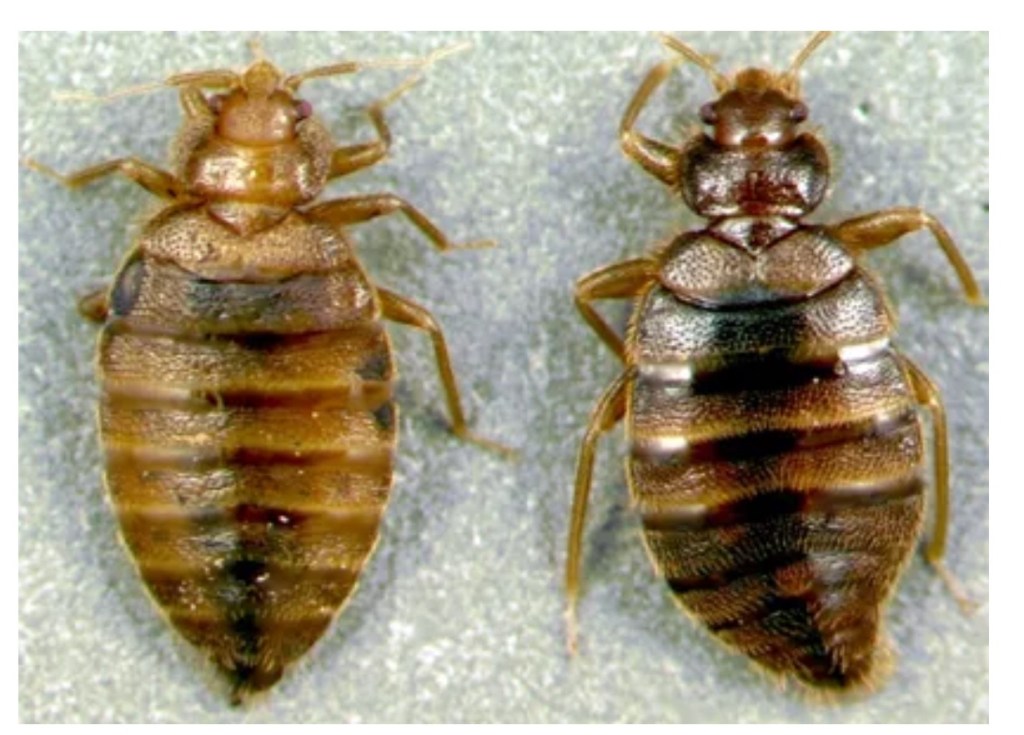
The common bed bug (left) features a distinctly U-shaped pronotum, while the tropical bed bug (right) has a less pronounced U-shaped pronotum.

For many years, pest control professionals have battled the common bed bug (Cimex lectularius), a persistent blood-feeding parasite that plagues homes and hospitality establishments alike. Now, a new challenge is emerging: the tropical bed bug, Cimex hemipterus. This closely related species raises significant concerns due to its potential for wider spread and increased difficulty in eradication.

Understanding the Tropical Bed Bug

The tropical bed bug thrives in warm, humid environments. Historically confined to tropical and subtropical regions, factors such as increased global travel and climate change are contributing to its northward expansion. In the United States, confirmed cases have already been documented in Florida and Hawaii.

Key Distinctions from the Common Bed Bug

While both bed bug species feed on human blood, the tropical bed bug exhibits some key differences:

Temperature Preference: Tropical bed bugs prefer higher temperatures than their common counterparts. While common bed bugs can survive in cooler climates, tropical bed bugs may struggle in areas with long, cold winters. However, with climate change bringing warmer temperatures to previously unsuitable regions, their geographic range is a growing concern.

Insecticide Resistance: The widespread overuse of insecticides may have contributed to resistance development in tropical bed bugs. This resistance makes them potentially more challenging to eradicate compared to common bed bugs.

Hiding Habits: Some studies suggest tropical bed bugs may be better at hiding in cracks and crevices, making them more difficult to detect during inspections.

The Potential Threat

The potential spread of the tropical bed bug poses a significant threat for several reasons:

Wider Infestation Range: As temperatures rise, the tropical bed bug’s geographic range could expand beyond currently known areas, potentially impacting a broader swath of the US population.

Treatment Challenges: Their potential resistance to insecticides necessitates the development of alternative and potentially more complex eradication methods, which could be more costly and time-consuming.

Proactive Measures for Property Managers and Residents

While the news of the tropical bed bug’s arrival may be unsettling, there’s no need to panic. Here are some steps property managers and residents can take to protect themselves:

Heightened Awareness: Familiarize yourself with the signs of a bed bug infestation, including bites, shed skins, and live bugs. Educate residents and staff about the potential for tropical bed bugs and the importance of early detection.

Regular Inspections: Implement a comprehensive inspection program to proactively identify potential infestations. Focus on mattresses, box springs, bed frames, and surrounding furniture for signs of bed bugs.

Travel Smart: Educate staff and residents about travel-related risks. Encourage inspections of hotel rooms, especially in high-risk areas. Recommend using luggage liners and storing luggage on luggage racks instead of the floor.

Seek Professional Help: If you suspect a bed bug infestation, regardless of the species, contact ECO Bed Bug Exterminators immediately. Early intervention is crucial for successful eradication.

The arrival of the tropical bed bug highlights the need for continued research and development of effective control methods. Proactive measures, including education, regular inspections, and swift professional intervention, are crucial in minimizing the impact of tropical bed bug infestations. By working together, property managers, residents, and pest control professionals can effectively combat this emerging threat.

Unconventional Bed Bug Prevention Methods You Haven’t Heard Of

Bed bugs, the tiny nocturnal pests that can wreak havoc on our homes and peace of mind, have a knack for finding their way into our lives. While traditional prevention methods are well-known, there are some unconventional strategies that you might not have considered. In this blog, we’ll explore unique and lesser-known approaches to preventing bed bug infestations.

1. Essential Oil Defense:

Certain essential oils, such as lavender, tea tree, and eucalyptus, are believed to have repelling properties against bed bugs. Mixing a few drops of these oils with water and spraying it around your sleeping area, luggage, and furniture might help create a natural barrier.

2. Double-Sided Tape Trap:

Create a DIY bed bug trap by placing double-sided tape around the legs of your bed and furniture. Bed bugs trying to climb up will get stuck on the tape, preventing them from reaching you.

3. Silica Gel Packets:

Those small packets often found in shoeboxes or new electronics can actually be used to your advantage. Silica gel packets can help absorb moisture, creating an inhospitable environment for bed bugs.

4. Clutter Control:

Bed bugs love clutter. Keeping your living spaces tidy and minimizing clutter can reduce potential hiding spots and make it easier to spot any early signs of infestations.

5. DIY Bed Leg Coasters:

Crafting bed leg coasters using slippery materials, like plastic containers or aluminum foil, can make it difficult for bed bugs to climb up onto your bed.

6. High Heat Wash and Dry:

Regularly washing and drying your bedding, clothes, and even soft toys on high heat can help eliminate any potential hitchhikers that may have found their way into your belongings.

7. Vacuuming with Precision:

Vacuuming your living spaces and mattresses regularly is a well-known prevention method. But, taking it a step further by using a crevice tool to vacuum along baseboards, seams, and cracks can help remove hidden bed bugs and eggs.

8. DIY Bed Bug Interceptor:

Crafting your own bed bug interceptor using plastic containers, like the ones used for food storage, can create a barrier that bed bugs can’t easily cross.

9. Sunlight Exposure:

Exposing infested items to direct sunlight for several hours can help kill bed bugs and their eggs due to the high temperatures.

10. Travel Smart:

When traveling, keep your luggage elevated and away from beds and furniture. Utilize sealable plastic bags for your clothes and inspect your luggage and belongings upon returning home.

While traditional bed bug prevention methods are crucial, it’s important to recognize that bed bug infestations are better left to the professionals. If you’re concerned about a potential bed bug problem, don’t hesitate to contact ECO Bed Bug at 410.324.6223. ECO will collaborate with you to devise a tailored solution, ensuring effective eradication and peace of mind.

Additionally, experimenting with unconventional strategies and incorporating them into your routine can provide an extra layer of defense against these persistent pests. By being proactive and creative, you can create an environment that bed bugs find less appealing, ultimately protecting your home and ensuring a good night’s sleep.