

🛏️ Bed Bugs in Maryland Rental Properties Are Increasing — What Landlords Need to Know

If you own or manage rental property in Maryland, there’s a growing issue that’s becoming harder to ignore:

Bed bug activity is on the rise—especially in rental housing.

While reports from other regions are starting to highlight this trend, what matters most is what’s happening locally.

👉 Across Maryland, we’re seeing a noticeable increase in bed bug cases tied directly to rental turnover and multi-unit living.


📊 Why Rental Properties in Maryland Are More Vulnerable

Rental properties naturally carry higher risk—and in many Maryland communities, that risk is amplified.

🔄 Frequent Move-Ins & Move-Outs

Each new tenant brings the potential for introduction. Bed bugs are commonly transported through:

  • Luggage
  • Furniture
  • Personal belongings

🏢 Multi-Unit Living Environments

In apartments, condos, and shared housing, bed bugs don’t stay confined.

They can move:

  • Through shared walls
  • Along plumbing and utility lines
  • Between neighboring units without immediate detection

In areas like Baltimore and surrounding counties, we regularly see infestations spread beyond the original source.


⏳ Delayed Reporting from Residents

Many tenants don’t report early signs right away.

Common reasons include:

  • Uncertainty about what they’re seeing
  • Attempting DIY treatments
  • Hoping the issue resolves

👉 Unfortunately, this delay allows the problem to grow and spread.


🔬 Why Bed Bug Infestations Are More Challenging Today

Bed bug control isn’t as simple as it used to be—and that’s something many property owners don’t realize.

🧬 Increased Resistance

Bed bugs have developed resistance to many common treatments.

👉 This makes proper identification and professional application critical.


🕵️ Hidden Activity in Unexpected Areas

We’re finding bed bugs in places many people don’t think to check:

  • Behind baseboards
  • Inside furniture joints
  • Around outlets and fixtures
  • Along floor and wall seams

👉 Missing even small areas can lead to reinfestation.


🚪 Infestations Grow Before They’re Detected

By the time visible signs appear:

  • The infestation is rarely isolated
  • Multiple rooms—or units—may already be involved

⚠️ What Happens When Action Is Delayed

One of the most common—and costly—mistakes is waiting too long.

What starts as a minor issue can quickly turn into:

  • Multiple units requiring treatment
  • Tenant dissatisfaction and complaints
  • Negative reviews impacting property reputation
  • Increased operational and legal concerns

👉 In rental properties, timing is everything.


🔍 What We’re Seeing Across Maryland

At ECO Bed Bug Exterminators, we’re consistently seeing:

  • Activity reported shortly after new tenants move in
  • Infestations spreading between adjacent units
  • DIY efforts making situations worse
  • Calls coming in after the issue has escalated

👉 The pattern is clear:
Most cases could have been contained earlier with faster response.


🚫 Why DIY Treatments Don’t Work in Rental Settings

Store-bought solutions often create a false sense of control.

In reality:

  • They rarely eliminate the infestation
  • They can push bed bugs deeper into hiding
  • They increase the likelihood of spread to nearby units

👉 This often leads to more extensive and costly treatment later.


❗ Common Mistakes Property Owners Make

Here’s where things typically go wrong:

1. Waiting for clear confirmation

By the time it’s obvious, it’s already advanced.


2. Treating only the affected unit

Bed bugs often extend beyond what’s visible.


3. Relying on non-specialized treatments

Improper methods rarely solve the issue.


4. Delaying professional involvement

Time directly impacts severity and cost.


5. Not having a preventative strategy

Reactive approaches lead to repeat issues.


✅ A More Effective Approach for Maryland Properties

The key to controlling bed bugs is being proactive.

✔ Early Inspection

Identify the issue before it spreads.

✔ Quick Response

Address concerns immediately—even minor ones.

✔ Targeted Professional Treatment

Apply the right methods, in the right areas.

✔ Preventative Programs

Reduce the likelihood of future infestations.


🛡️ Protect Your Property Before It Escalates

Bed bugs don’t go away on their own—and they rarely stay contained.

👉 The difference between a manageable issue and a widespread problem is how early you take action.


📞 Schedule a Bed Bug Inspection in Maryland

At ECO Bed Bug Exterminators, we specialize exclusively in bed bugs.

We work with:

  • Property managers
  • Landlords
  • Multi-unit communities
  • Rental property owners

Our services include:

  • Detailed inspections
  • Targeted treatment solutions
  • Preventative service programs
  • Discreet, professional service

Call (410) 929-3420 to schedule your inspection, or click here to submit a request online.


🔑 Final Takeaway

If you own or manage rental property in Maryland:

👉 Don’t wait for the problem to grow
👉 Don’t rely on temporary fixes
👉 Don’t assume it’s contained

Early action is the difference between control and escalation.

Because with bed bugs…
what starts small doesn’t stay small.


🔎 Quick Answers

Are bed bugs increasing in Maryland rental properties?
Yes. Increased tenant turnover and multi-unit living conditions are contributing to a rise in bed bug activity across Maryland.

Why are apartments at higher risk for bed bugs?
Shared walls and close living quarters allow bed bugs to spread between units more easily.

Can bed bugs spread between apartments?
Yes. Bed bugs can travel through walls, plumbing, and shared structural areas.
How Quickly Can Bed Bugs Get Out of Control?

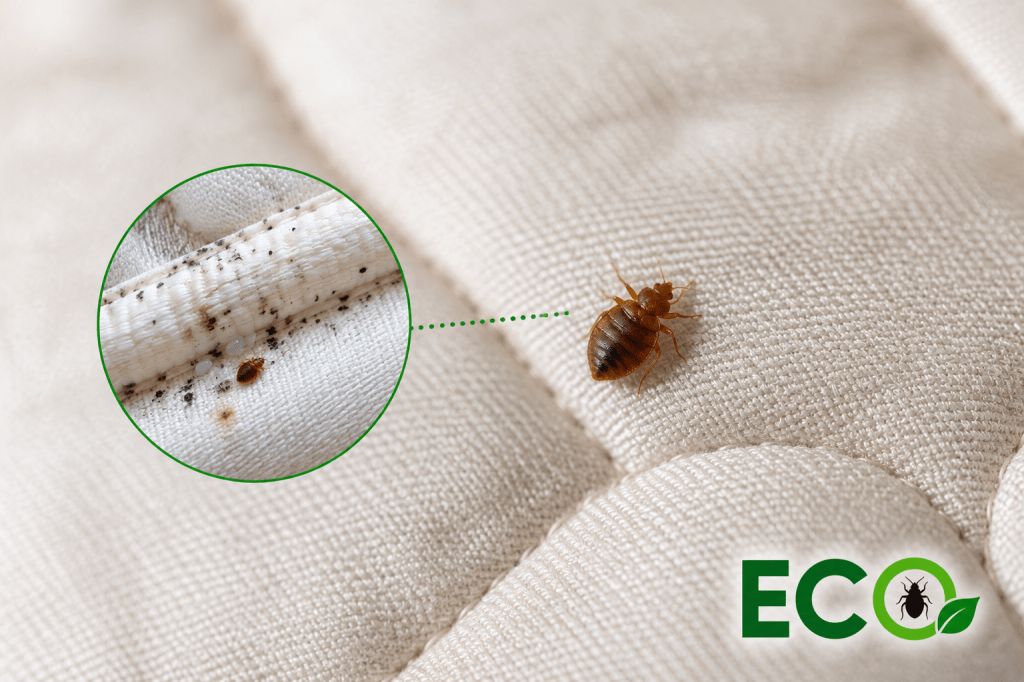
Picture this: you spot a single bed bug on your mattress and think, “It’s just one. How bad could it get?” Well, buckle up, because that lone bed bug might just be the pioneer of an infestation empire. Bed bugs are stealthy, fast-breeding, and relentless in their quest for survival. In no time, a minor issue can spiral into a full-blown invasion, turning your peaceful sanctuary into a battleground.

So, how quickly can these tiny terrors take over your home? Let’s break it down.

The Bed Bug Reproductive Machine

Bed bugs are prolific breeders. If left unchecked, a single female bed bug can create a population explosion thanks to:

    1.    Rapid Egg Laying:

    •    A female bed bug lays 1-5 eggs per day and up to 500 eggs in her lifetime.

    •    Eggs hatch in about 6-10 days, releasing nymphs ready to join the feeding frenzy.

    2.    Quick Maturation:

    •    Bed bug nymphs mature into adults in just 5-6 weeks under optimal conditions.

    •    Once mature, they’re ready to mate and start the cycle again.

    3.    Traumatic Insemination:

    •    Bed bug reproduction involves a process called traumatic insemination, where males directly pierce the female’s abdomen to fertilize eggs. (Not romantic, but highly efficient.)

How Fast Can an Infestation Grow?

Let’s do the math. Imagine starting with a single pregnant female bed bug:

    •    Month 1: She lays 100 eggs, with 50% hatching as females.

    •    Month 2: Those new females start laying eggs of their own.

    •    Month 3: You’re dealing with hundreds of bugs, and by Month 4, the population could reach the thousands.

Bed bugs thrive in warm environments (think cozy bedrooms), and their rapid growth can feel like they’re multiplying faster than rabbits at a family reunion.

Why Bed Bugs Get Out of Control So Quickly

1. Stealth Mode

Bed bugs are experts at hiding. They squeeze into cracks, crevices, and even electrical outlets, making them hard to detect until the problem is severe.

2. Night Owls

These nocturnal feeders strike when you’re fast asleep, often leaving bites that aren’t immediately noticed. By the time you realize what’s happening, they’ve already gained the upper hand.

3. Resilience

Bed bugs are incredibly tough. They can:

    •    Survive months without feeding.

    •    Withstand extreme temperatures (though heat treatments can kill them).

    •    Develop resistance to certain pesticides, making DIY efforts less effective.

Signs Your Bed Bug Problem Is Spiraling

Not sure if you’re on the brink of bed bug chaos? Watch for these telltale signs:

    •    Frequent Bites: Waking up with new itchy bites regularly.

    •    Spotting Bugs: Seeing multiple bugs, especially during daylight hours.

    •    Dark Stains: Rust-colored spots on your mattress or furniture from bed bug excrement.

    •    Eggs and Shells: Tiny white eggs or shed skins in crevices and along seams.

How to Stop an Infestation in Its Tracks

The key to controlling bed bugs is swift and decisive action. Here’s what you can do:

    1.    Act Immediately:

    •    Don’t wait to see if the problem “goes away.” It won’t.

    2.    Avoid DIY Overkill:

    •    Spraying every bug spray in the aisle won’t solve the issue and can make it worse. Bed bugs are resistant to many over-the-counter treatments.

    3.    Call the Pros:

    •    Bed bugs are not a DIY-friendly pest. Professional help ensures the infestation is eliminated effectively and safely.

    4.    Consider Heat Treatment:

    •    Heat treatments are one of the fastest and most thorough ways to eradicate bed bugs.

Why Choose ECO Bed Bug?

At ECO Bed Bug, we specialize in stopping bed bug infestations before they take over. Here’s why you should call us:

    •    Fast and Effective Solutions: Our heat treatments eliminate bed bugs in all life stages—no survivors, no kidding.

    •    Tailored Plans: We customize our approach to your home’s specific needs.

    •    Eco-Friendly Methods: Safe for you, your family, and the environment.

    •    Prevention Advice: We’ll help you take steps to ensure the bed bugs don’t come back.

Don’t Wait—Take Action Today

If you’ve spotted even a single bed bug, don’t risk letting it turn into an uncontrollable infestation. Contact ECO Bed Bug now to devise a tailored treatment plan and reclaim your home from these unwelcome guests.

Call us today to schedule an inspection. Let’s nip the infestation in the bud before it becomes the stuff of nightmares!

Bed Bugs and Movie Theaters: What You Need to Know

As we have been making our way back into movie theaters post Covid, these cozy spaces can sometimes be a breeding ground for an unwelcome guest: bed bugs. Movie theaters are a popular destination for people to unwind and enjoy their favorite films on the big screen. However, in this blog post, we’ll explore the potential connection between bed bugs and movie theaters, along with tips on how to protect yourself from these pests while enjoying your cinematic experience.

The Unseen Threat

Bed bugs, despite their name, don’t restrict themselves to just beds. They’re skilled hitchhikers that can latch onto clothing, bags, and personal belongings. This means they can easily find their way into public spaces like movie theaters, where they can hide in upholstery, seats, and even the cracks between floorboards.

How They Get In

Movie theaters receive a constant influx of visitors, which can inadvertently introduce bed bugs. A single infested bag, coat, or purse can bring these pests into the theater, and once they’re there, they can quickly make themselves at home.

Signs of Infestation

Detecting a bed bug infestation in a movie theater might not be easy, but there are signs to look out for:

1. Reddish Stains: Crushed bed bugs can leave behind reddish-brown stains on upholstery.

2. Tiny Eggs: Look for tiny, pale white eggs in the seams of seats and crevices.

3. Molted Skins: As bed bugs grow, they shed their skins. Finding these exoskeletons is a clear indicator of their presence.

Preventive Measures

While the idea of bed bugs in a movie theater might be unsettling, there are steps you can take to protect yourself:

1. Inspect Your Seat: Before you sit down, give your seat a quick visual inspection, paying attention to seams and crevices.

2. Use Coat Hooks: If available, hang your coat or bag on a hook rather than placing it on a shared seat.

3. Use Personal Cushions: Bringing your own cushion or blanket can provide a barrier between you and the theater seat.

4. Isolate Your Belongings: Store your belongings on your lap or in a designated space to minimize contact with potentially infested surfaces.

Post-Movie Precautions

After leaving the theater, take some precautions to avoid bringing bed bugs home:

1. Inspect Your Belongings: Give your clothing, bags, and other belongings a once-over to ensure you’re not unwittingly carrying any unwanted passengers.

2. Use a Dryer: If possible, toss your clothes and belongings in a dryer on high heat for 15-20 minutes to kill any potential bed bugs.

3. Seal Items: If you’re concerned, seal your belongings in plastic bags until you can thoroughly inspect them at home.

Reporting Concerns

If you suspect a bed bug infestation in a movie theater, it’s important to report your concerns to the theater management. They should take appropriate measures to address the issue and prevent the spread of bed bugs.

While the risk of encountering bed bugs in a movie theater is relatively low, it’s always a good idea to be informed and take precautions. By staying vigilant and following the tips mentioned above, you can enjoy your movie experience without worrying about these unwelcome guests. If you suspect a bed bug infestation, reach out to ECO Bed Bug at 410.324.6223. ECO will work with you to develop a customized solution to address your needs.

Remember, awareness is key to preventing the spread of bed bugs. Stay informed, stay cautious, and enjoy the show!