
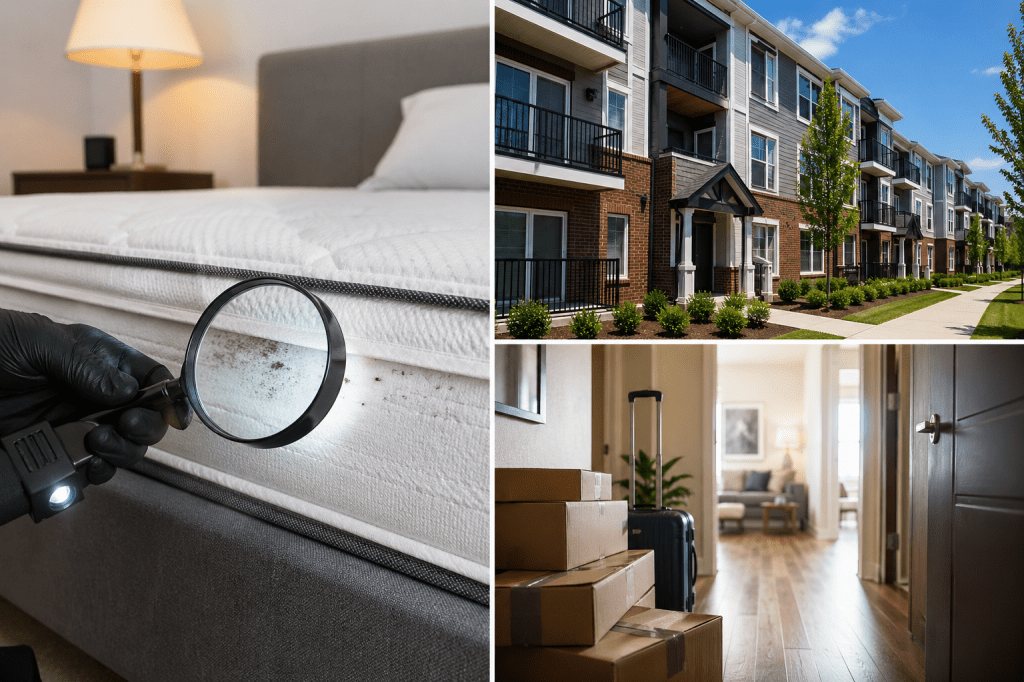
If you own or manage rental property in Maryland, there’s a growing issue that’s becoming harder to ignore:
Bed bug activity is on the rise—especially in rental housing.
While reports from other regions are starting to highlight this trend, what matters most is what’s happening locally.
👉 Across Maryland, we’re seeing a noticeable increase in bed bug cases tied directly to rental turnover and multi-unit living.
📊 Why Rental Properties in Maryland Are More Vulnerable
Rental properties naturally carry higher risk—and in many Maryland communities, that risk is amplified.
🔄 Frequent Move-Ins & Move-Outs
Each new tenant brings the potential for introduction. Bed bugs are commonly transported through:
- Luggage
- Furniture
- Personal belongings
🏢 Multi-Unit Living Environments
In apartments, condos, and shared housing, bed bugs don’t stay confined.
They can move:
- Through shared walls
- Along plumbing and utility lines
- Between neighboring units without immediate detection
In areas like Baltimore and surrounding counties, we regularly see infestations spread beyond the original source.
⏳ Delayed Reporting from Residents
Many tenants don’t report early signs right away.
Common reasons include:
- Uncertainty about what they’re seeing
- Attempting DIY treatments
- Hoping the issue resolves
👉 Unfortunately, this delay allows the problem to grow and spread.
🔬 Why Bed Bug Infestations Are More Challenging Today
Bed bug control isn’t as simple as it used to be—and that’s something many property owners don’t realize.
🧬 Increased Resistance
Bed bugs have developed resistance to many common treatments.
👉 This makes proper identification and professional application critical.
🕵️ Hidden Activity in Unexpected Areas
We’re finding bed bugs in places many people don’t think to check:
- Behind baseboards
- Inside furniture joints
- Around outlets and fixtures
- Along floor and wall seams
👉 Missing even small areas can lead to reinfestation.
🚪 Infestations Grow Before They’re Detected
By the time visible signs appear:
- The infestation is rarely isolated
- Multiple rooms—or units—may already be involved
⚠️ What Happens When Action Is Delayed
One of the most common—and costly—mistakes is waiting too long.
What starts as a minor issue can quickly turn into:
- Multiple units requiring treatment
- Tenant dissatisfaction and complaints
- Negative reviews impacting property reputation
- Increased operational and legal concerns
👉 In rental properties, timing is everything.
🔍 What We’re Seeing Across Maryland
At ECO Bed Bug Exterminators, we’re consistently seeing:
- Activity reported shortly after new tenants move in
- Infestations spreading between adjacent units
- DIY efforts making situations worse
- Calls coming in after the issue has escalated
👉 The pattern is clear:
Most cases could have been contained earlier with faster response.
🚫 Why DIY Treatments Don’t Work in Rental Settings
Store-bought solutions often create a false sense of control.
In reality:
- They rarely eliminate the infestation
- They can push bed bugs deeper into hiding
- They increase the likelihood of spread to nearby units
👉 This often leads to more extensive and costly treatment later.
❗ Common Mistakes Property Owners Make
Here’s where things typically go wrong:
1. Waiting for clear confirmation
By the time it’s obvious, it’s already advanced.
2. Treating only the affected unit
Bed bugs often extend beyond what’s visible.
3. Relying on non-specialized treatments
Improper methods rarely solve the issue.
4. Delaying professional involvement
Time directly impacts severity and cost.
5. Not having a preventative strategy
Reactive approaches lead to repeat issues.
✅ A More Effective Approach for Maryland Properties
The key to controlling bed bugs is being proactive.
✔ Early Inspection
Identify the issue before it spreads.
✔ Quick Response
Address concerns immediately—even minor ones.
✔ Targeted Professional Treatment
Apply the right methods, in the right areas.
✔ Preventative Programs
Reduce the likelihood of future infestations.
🛡️ Protect Your Property Before It Escalates
Bed bugs don’t go away on their own—and they rarely stay contained.
👉 The difference between a manageable issue and a widespread problem is how early you take action.
📞 Schedule a Bed Bug Inspection in Maryland
At ECO Bed Bug Exterminators, we specialize exclusively in bed bugs.
We work with:
- Property managers
- Landlords
- Multi-unit communities
- Rental property owners
Our services include:
- Detailed inspections
- Targeted treatment solutions
- Preventative service programs
- Discreet, professional service
Call (410) 929-3420 to schedule your inspection, or click here to submit a request online.
🔑 Final Takeaway
If you own or manage rental property in Maryland:
👉 Don’t wait for the problem to grow
👉 Don’t rely on temporary fixes
👉 Don’t assume it’s contained
Early action is the difference between control and escalation.
Because with bed bugs…
what starts small doesn’t stay small.
🔎 Quick Answers
Are bed bugs increasing in Maryland rental properties?
Yes. Increased tenant turnover and multi-unit living conditions are contributing to a rise in bed bug activity across Maryland.
Why are apartments at higher risk for bed bugs?
Shared walls and close living quarters allow bed bugs to spread between units more easily.
Can bed bugs spread between apartments?
Yes. Bed bugs can travel through walls, plumbing, and shared structural areas.
