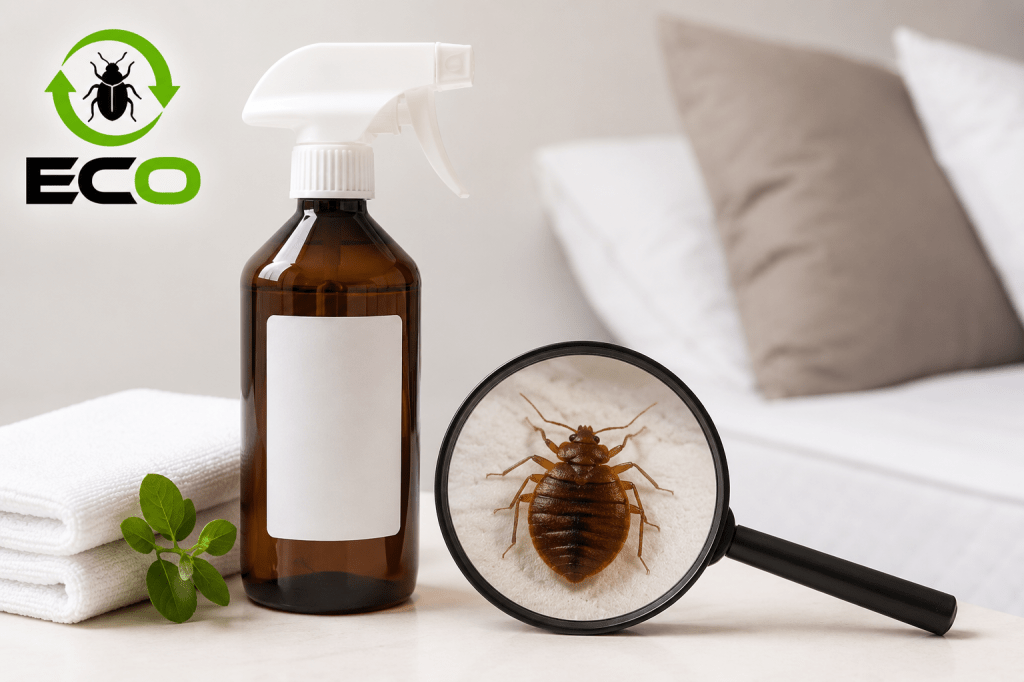
Unconventional Bed Bug Prevention Methods You Haven’t Heard Of

Bed bugs, the tiny nocturnal pests that can wreak havoc on our homes and peace of mind, have a knack for finding their way into our lives. While traditional prevention methods are well-known, there are some unconventional strategies that you might not have considered. In this blog, we’ll explore unique and lesser-known approaches to preventing bed bug infestations.

1. Essential Oil Defense:

Certain essential oils, such as lavender, tea tree, and eucalyptus, are believed to have repelling properties against bed bugs. Mixing a few drops of these oils with water and spraying it around your sleeping area, luggage, and furniture might help create a natural barrier.

2. Double-Sided Tape Trap:

Create a DIY bed bug trap by placing double-sided tape around the legs of your bed and furniture. Bed bugs trying to climb up will get stuck on the tape, preventing them from reaching you.

3. Silica Gel Packets:

Those small packets often found in shoeboxes or new electronics can actually be used to your advantage. Silica gel packets can help absorb moisture, creating an inhospitable environment for bed bugs.

4. Clutter Control:

Bed bugs love clutter. Keeping your living spaces tidy and minimizing clutter can reduce potential hiding spots and make it easier to spot any early signs of infestations.

5. DIY Bed Leg Coasters:

Crafting bed leg coasters using slippery materials, like plastic containers or aluminum foil, can make it difficult for bed bugs to climb up onto your bed.

6. High Heat Wash and Dry:

Regularly washing and drying your bedding, clothes, and even soft toys on high heat can help eliminate any potential hitchhikers that may have found their way into your belongings.

7. Vacuuming with Precision:

Vacuuming your living spaces and mattresses regularly is a well-known prevention method. But, taking it a step further by using a crevice tool to vacuum along baseboards, seams, and cracks can help remove hidden bed bugs and eggs.

8. DIY Bed Bug Interceptor:

Crafting your own bed bug interceptor using plastic containers, like the ones used for food storage, can create a barrier that bed bugs can’t easily cross.

9. Sunlight Exposure:

Exposing infested items to direct sunlight for several hours can help kill bed bugs and their eggs due to the high temperatures.

10. Travel Smart:

When traveling, keep your luggage elevated and away from beds and furniture. Utilize sealable plastic bags for your clothes and inspect your luggage and belongings upon returning home.

While traditional bed bug prevention methods are crucial, it’s important to recognize that bed bug infestations are better left to the professionals. If you’re concerned about a potential bed bug problem, don’t hesitate to contact ECO Bed Bug at 410.324.6223. ECO will collaborate with you to devise a tailored solution, ensuring effective eradication and peace of mind.

Additionally, experimenting with unconventional strategies and incorporating them into your routine can provide an extra layer of defense against these persistent pests. By being proactive and creative, you can create an environment that bed bugs find less appealing, ultimately protecting your home and ensuring a good night’s sleep.

Can Hydrogen Peroxide Eradicate Bed Bugs Successfully?

Bed bugs are unwelcome pests that can disrupt our lives and invade our homes. When facing a bed bug infestation, people often search for alternative solutions to eliminate these resilient insects. One such option that has gained attention is hydrogen peroxide. In this article, we will explore the use of hydrogen peroxide as a potential bed bug eradication method and evaluate its effectiveness.

Understanding Bed Bugs

Before delving into the topic of hydrogen peroxide, it’s essential to grasp the nature of bed bugs. Bed bugs are tiny, blood-feeding insects that infest bedding, furniture, and cracks and crevices in our homes. They are nocturnal and can multiply rapidly, making them a challenging pest to combat.

Hydrogen Peroxide: A Common Household Solution

Hydrogen peroxide is a well-known household disinfectant that many people keep on hand for various cleaning and first-aid purposes. It is a chemical compound with the chemical formula H2O2 and is composed of water (H2O) with an extra oxygen molecule. It is known for its effervescence and mild antiseptic properties.

Using Hydrogen Peroxide Against Bed Bugs

While hydrogen peroxide is not specifically designed to target bed bugs, some individuals have experimented with it as a potential solution for bed bug control. Here are some important points to consider:

  1. Killing Bed Bugs on Contact: Hydrogen peroxide can kill bed bugs on contact due to its oxygen-releasing properties. However, it is more effective on the nymphs (immature bed bugs) and adult bed bugs rather than their eggs.
  2. Limited Residual Effect: One significant limitation of hydrogen peroxide is that it does not offer a lasting residual effect. Once it dries, it loses its effectiveness, and it may not penetrate deep into hiding places where bed bugs often reside.
  3. Safety Concerns: It’s crucial to exercise caution when using hydrogen peroxide. It can be corrosive and may damage certain surfaces or materials. Moreover, contact with the skin or eyes should be avoided.
  4. Efficacy Varies: The effectiveness of hydrogen peroxide may vary depending on the concentration used, the size of the infestation, and the level of penetration into hiding spots. It may not be sufficient for severe infestations.

Effective Bed Bug Control Strategies

While hydrogen peroxide may have some limited effectiveness against bed bugs, it is not considered a reliable standalone solution for eradicating an infestation. To effectively combat bed bugs, it’s recommended to consider the following strategies:

  1. Professional Pest Control: Hiring a licensed pest control professional is often the most effective way to eliminate bed bugs. They have access to specialized treatments and can tailor their approach to your specific situation.
  2. Heat Treatment: Heat treatments, such as steam cleaning or using specialized bed bug heaters, can effectively kill bed bugs and their eggs. Heat penetrates cracks and crevices where bed bugs hide.
  3. Mattress and Furniture Encasements: Covering your mattress and furniture with specially designed encasements can trap bed bugs and prevent them from feeding on you.
  4. Regular Cleaning and Decluttering: Maintaining a clean and clutter-free home can help reduce hiding places for bed bugs and make it easier to spot and treat infestations early.

While hydrogen peroxide may have some limited utility in killing bed bugs on contact, it is not a comprehensive solution for eradicating a bed bug infestation. Bed bugs are resilient pests that often require professional intervention and a combination of strategies for effective control. If you suspect a bed bug problem in your home, consult with ECO Bed Bug at 410.324.6223 we can provide tailored solutions to address the issue effectively and safely.