Unconventional Bed Bug Prevention Methods You Haven’t Heard Of

Bed bugs, the tiny nocturnal pests that can wreak havoc on our homes and peace of mind, have a knack for finding their way into our lives. While traditional prevention methods are well-known, there are some unconventional strategies that you might not have considered. In this blog, we’ll explore unique and lesser-known approaches to preventing bed bug infestations.

1. Essential Oil Defense:

Certain essential oils, such as lavender, tea tree, and eucalyptus, are believed to have repelling properties against bed bugs. Mixing a few drops of these oils with water and spraying it around your sleeping area, luggage, and furniture might help create a natural barrier.

2. Double-Sided Tape Trap:

Create a DIY bed bug trap by placing double-sided tape around the legs of your bed and furniture. Bed bugs trying to climb up will get stuck on the tape, preventing them from reaching you.

3. Silica Gel Packets:

Those small packets often found in shoeboxes or new electronics can actually be used to your advantage. Silica gel packets can help absorb moisture, creating an inhospitable environment for bed bugs.

4. Clutter Control:

Bed bugs love clutter. Keeping your living spaces tidy and minimizing clutter can reduce potential hiding spots and make it easier to spot any early signs of infestations.

5. DIY Bed Leg Coasters:

Crafting bed leg coasters using slippery materials, like plastic containers or aluminum foil, can make it difficult for bed bugs to climb up onto your bed.

6. High Heat Wash and Dry:

Regularly washing and drying your bedding, clothes, and even soft toys on high heat can help eliminate any potential hitchhikers that may have found their way into your belongings.

7. Vacuuming with Precision:

Vacuuming your living spaces and mattresses regularly is a well-known prevention method. But, taking it a step further by using a crevice tool to vacuum along baseboards, seams, and cracks can help remove hidden bed bugs and eggs.

8. DIY Bed Bug Interceptor:

Crafting your own bed bug interceptor using plastic containers, like the ones used for food storage, can create a barrier that bed bugs can’t easily cross.

9. Sunlight Exposure:

Exposing infested items to direct sunlight for several hours can help kill bed bugs and their eggs due to the high temperatures.

10. Travel Smart:

When traveling, keep your luggage elevated and away from beds and furniture. Utilize sealable plastic bags for your clothes and inspect your luggage and belongings upon returning home.

While traditional bed bug prevention methods are crucial, it’s important to recognize that bed bug infestations are better left to the professionals. If you’re concerned about a potential bed bug problem, don’t hesitate to contact ECO Bed Bug at 410.324.6223. ECO will collaborate with you to devise a tailored solution, ensuring effective eradication and peace of mind.

Additionally, experimenting with unconventional strategies and incorporating them into your routine can provide an extra layer of defense against these persistent pests. By being proactive and creative, you can create an environment that bed bugs find less appealing, ultimately protecting your home and ensuring a good night’s sleep.

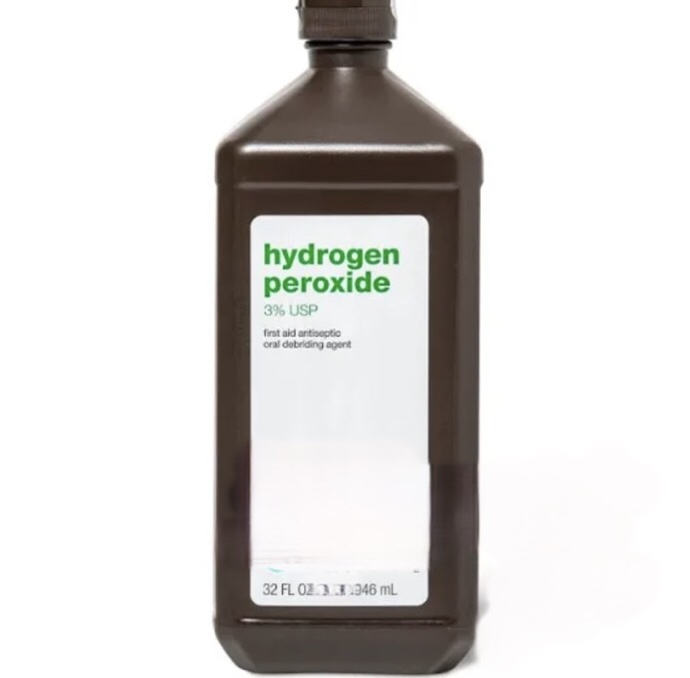
Can Hydrogen Peroxide Eradicate Bed Bugs Successfully?

Bed bugs are unwelcome pests that can disrupt our lives and invade our homes. When facing a bed bug infestation, people often search for alternative solutions to eliminate these resilient insects. One such option that has gained attention is hydrogen peroxide. In this article, we will explore the use of hydrogen peroxide as a potential bed bug eradication method and evaluate its effectiveness.

Understanding Bed Bugs

Before delving into the topic of hydrogen peroxide, it’s essential to grasp the nature of bed bugs. Bed bugs are tiny, blood-feeding insects that infest bedding, furniture, and cracks and crevices in our homes. They are nocturnal and can multiply rapidly, making them a challenging pest to combat.

Hydrogen Peroxide: A Common Household Solution

Hydrogen peroxide is a well-known household disinfectant that many people keep on hand for various cleaning and first-aid purposes. It is a chemical compound with the chemical formula H2O2 and is composed of water (H2O) with an extra oxygen molecule. It is known for its effervescence and mild antiseptic properties.

Using Hydrogen Peroxide Against Bed Bugs

While hydrogen peroxide is not specifically designed to target bed bugs, some individuals have experimented with it as a potential solution for bed bug control. Here are some important points to consider:

  1. Killing Bed Bugs on Contact: Hydrogen peroxide can kill bed bugs on contact due to its oxygen-releasing properties. However, it is more effective on the nymphs (immature bed bugs) and adult bed bugs rather than their eggs.
  2. Limited Residual Effect: One significant limitation of hydrogen peroxide is that it does not offer a lasting residual effect. Once it dries, it loses its effectiveness, and it may not penetrate deep into hiding places where bed bugs often reside.
  3. Safety Concerns: It’s crucial to exercise caution when using hydrogen peroxide. It can be corrosive and may damage certain surfaces or materials. Moreover, contact with the skin or eyes should be avoided.
  4. Efficacy Varies: The effectiveness of hydrogen peroxide may vary depending on the concentration used, the size of the infestation, and the level of penetration into hiding spots. It may not be sufficient for severe infestations.

Effective Bed Bug Control Strategies

While hydrogen peroxide may have some limited effectiveness against bed bugs, it is not considered a reliable standalone solution for eradicating an infestation. To effectively combat bed bugs, it’s recommended to consider the following strategies:

  1. Professional Pest Control: Hiring a licensed pest control professional is often the most effective way to eliminate bed bugs. They have access to specialized treatments and can tailor their approach to your specific situation.
  2. Heat Treatment: Heat treatments, such as steam cleaning or using specialized bed bug heaters, can effectively kill bed bugs and their eggs. Heat penetrates cracks and crevices where bed bugs hide.
  3. Mattress and Furniture Encasements: Covering your mattress and furniture with specially designed encasements can trap bed bugs and prevent them from feeding on you.
  4. Regular Cleaning and Decluttering: Maintaining a clean and clutter-free home can help reduce hiding places for bed bugs and make it easier to spot and treat infestations early.

While hydrogen peroxide may have some limited utility in killing bed bugs on contact, it is not a comprehensive solution for eradicating a bed bug infestation. Bed bugs are resilient pests that often require professional intervention and a combination of strategies for effective control. If you suspect a bed bug problem in your home, consult with ECO Bed Bug at 410.324.6223 we can provide tailored solutions to address the issue effectively and safely.

7 Things Bed Bugs LOVE About Your Home


Bed bugs, those pesky little blood-suckers, have an uncanny ability to infiltrate our living spaces and wreak havoc. They’re not just random pests; they have preferences, and your home might be their dream destination. In this blog, we’ll explore seven things that bed bugs absolutely LOVE about your home, shedding light on why they choose your cozy abode for their not-so-welcome stay.

  1. Your Warm and Cozy Bed:
    As their name suggests, bed bugs adore beds. They’re drawn to the warmth and comfort your mattress provides. These nocturnal pests hide in the seams and crevices, waiting for the perfect moment to feed on your blood while you sleep peacefully.
  2. The Darkness:
    Bed bugs are creatures of the night. They thrive in darkness and are most active during the wee hours. Your dimly lit bedroom is their ideal hunting ground, where they can feast undisturbed.
  3. Proximity to Their Favorite Food Source (You!):
    You’re bed bugs’ primary source of nourishment. They need your blood to survive and reproduce. Your close proximity while you sleep makes your home an all-you-can-eat buffet for these opportunistic pests.
  4. Cracks and Crevices in Furniture:
    It’s not just your bed that bed bugs love. They also seek out cracks in furniture, like bed frames, nightstands, and even behind picture frames. These tiny gaps provide excellent hiding spots during the day.
  5. Clutter:
    Bed bugs adore clutter. Piles of clothes, stacks of papers, and cluttered areas provide more hiding places for them. A messy home offers an abundance of hiding spots, making it easier for these pests to thrive undetected.
  6. Frequent Visitors or Shared Walls:
    If you frequently have guests over or live in a multi-unit building with shared walls, bed bugs have an expressway to your home. They can hitch a ride on clothing, luggage, or crawl through wall voids to set up shop in your living space.
  7. Hard-to-Reach Areas:
    Bed bugs can squeeze into incredibly narrow spaces. They take advantage of wall voids, electrical outlets, and cracks in walls to move around your home unnoticed. These hard-to-reach areas make it challenging to eliminate them without professional help.

Bed bugs are persistent and opportunistic pests that find your home irresistible for several reasons. From the warmth of your bed to the darkness of your bedroom, they have adapted to thrive in human living spaces. Recognizing what bed bugs love about your home can help you take proactive measures to prevent and, if necessary, eradicate these unwelcome guests. Remember, early detection and professional intervention are key to keeping your home bed bug-free. If you’re concerned about a potential bed bug infestation, don’t hesitate to contact ECO Bed Bug at 410.324.6223. ECO will collaborate with you to devise a tailored solution, ensuring both your home’s comfort and your peace of mind.

Bed Bug-Proofing Your Home: Practical Tips for Prevention

Bed bugs, those unwelcome nighttime pests, can infest even the cleanest of homes. But fear not! By taking proactive steps, you can significantly reduce the risk of these tiny invaders finding a home in your sanctuary. Here are practical tips for bed bug-proofing your living space:

1. Seal Entry Points:

Inspect and seal any cracks or crevices in walls, baseboards, and furniture where bed bugs might hide. A thorough sealing job can make it harder for them to find a cozy hiding spot.

2. Use Mattress and Box Spring Encasements:

Invest in high-quality bed bug-proof encasements for your mattresses and box springs. These protective covers not only make it difficult for bed bugs to establish residence but also keep any existing ones trapped inside.

3. Be Cautious with Second-Hand Furniture:

While that vintage armchair might seem like a great find, it could also harbor bed bugs. Carefully inspect used furniture for signs of infestation before bringing it into your home.

4. Regularly Vacuum and Clean:

Regular vacuuming, especially in areas around your bed, can help remove any stray bed bugs or eggs. Remember to empty the vacuum outside immediately afterward.

5. Reduce Clutter:

Clutter provides additional hiding places for bed bugs. Keeping your living space organized and free from unnecessary items makes it harder for these pests to settle in.

6. Travel Smart:

When staying in hotels or other accommodations, keep your luggage off the floor and inspect the bed and surrounding areas for signs of bed bugs. Upon returning home, wash and dry your travel clothes on high heat.

7. Be Wary of Shared Spaces:

If you live in an apartment building, bed bugs can travel through wall voids and pipes. Take precautions to prevent infestations from neighboring units.

8. Monitor and React Promptly:

Regularly inspect your bedding, furniture, and other potential hiding spots for any signs of bed bugs. Early detection can make eradication much easier.

9. Educate Yourself:

Learn how to identify bed bugs, their eggs, and the signs of their presence. Knowing what you’re dealing with can help you respond more effectively.

10. Seek Professional Help When Needed:

By implementing these practical measures, you’ll be taking proactive steps toward creating an environment that is far less hospitable to bed bugs. While complete prevention is never guaranteed, your efforts will significantly reduce the chances of encountering these unwanted roommates. Remember, a vigilant approach is the key to maintaining a bed bug-free home. If you’re concerned about a potential bed bug infestation, don’t hesitate to contact ECO Bed Bug at 410.324.6223. ECO will collaborate with you to devise a tailored solution, ensuring both your home’s comfort and your peace of mind.

The Psychological Impact of Bed Bug Infestations: Coping and Recovery

Bed bug infestations are more than just a physical nuisance; they can also take a toll on our mental well-being. The anxiety, stress, and psychological distress caused by these persistent pests can be overwhelming. In this post, we’ll delve into the psychological impact of bed bug infestations and offer strategies for coping and recovery.

1. Anxiety and Stress:

Bed bugs can trigger heightened levels of anxiety and stress. The fear of being bitten while sleeping or unknowingly carrying bed bugs can lead to sleepless nights and constant worry. Individuals may experience restlessness, irritability, and a constant feeling of unease.

2. Isolation and Embarrassment:

Bed bug infestations often carry a social stigma, causing individuals to isolate themselves due to the fear of spreading the infestation to others. Feelings of shame and embarrassment can result in reluctance to seek help or discuss the issue with friends and family.

3. Sleep Disruption and Fatigue:

Continuous sleep disruption due to fear of bites or discomfort can lead to sleep deprivation and fatigue. Lack of quality sleep can further exacerbate stress levels, impair cognitive function, and negatively impact overall well-being.

4. Obsessive Behaviors:

Individuals may develop obsessive behaviors related to cleaning, inspecting, and monitoring for bed bugs. Constantly checking bedding, furniture, and personal items can become a compulsive activity, consuming significant time and energy.

Coping Strategies

1. Education and Awareness:

Learning about bed bug behavior, prevention, and treatment can help dispel myths and reduce irrational fears. Knowledge empowers individuals to take proactive steps and regain a sense of control.

2. Seek Professional Help:

If the psychological impact becomes overwhelming, consider seeking support from a mental health professional. Therapists can provide coping strategies, tools for managing anxiety, and a safe space to express feelings.

3. Support Networks:

Connect with support groups or online communities where individuals share their experiences and coping strategies. Interacting with others who have faced similar challenges can help alleviate feelings of isolation.

4. Mindfulness and Relaxation Techniques:

Engage in mindfulness, meditation, deep breathing, or progressive muscle relaxation exercises to manage stress and anxiety. These techniques promote relaxation and mental clarity.

Recovery Steps

1. Professional Extermination:

Swift and thorough extermination of bed bugs is essential. Seeking help from a reputable pest control company can ensure effective eradication and restore a sense of safety.

2. Home Restoration:

After successful extermination, deep cleaning and decluttering your living space can help eliminate potential hiding spots and create a fresh start.

3. Gradual Exposure:

Gradually reintroduce normal routines and activities that were disrupted during the infestation. This can help desensitize fears and reduce avoidance behaviors.

4. Self-Compassion:

Practice self-compassion and avoid self-blame. Remember that bed bug infestations can happen to anyone, and your worth is not defined by the situation.

The psychological impact of bed bug infestations should not be underestimated. Coping and recovering from these challenges require a combination of education, support, and self-care. By acknowledging the emotional toll, seeking assistance when needed, and taking proactive steps towards recovery, individuals can regain a sense of normalcy and reclaim their mental well-being.

If you’re concerned about a potential bed bug infestation, don’t hesitate to contact ECO Bed Bug at 410.324.6223. ECO will collaborate with you to devise a tailored solution, ensuring both your home’s comfort and your peace of mind.

BED BUG PREVENTION DURING YOUR SPRING CLEANING ROUTINE

Spring is in the air! That means warmer weather, blooming flowers, and… the perfect time to kick bed bugs to the curb. Spring cleaning is a fantastic opportunity to disrupt bed bug habitats and make your home less inviting to these pesky critters.

  • Hot Water is Your Friend: Wash all bedding (sheets, blankets, comforters) in the hottest water possible. Dry on high heat as well.
  • Vacuum Power: Vacuum your mattress, box spring, bed frame, carpets, and surrounding areas thoroughly. Dispose of the vacuum bag carefully outside.
  • Declutter and Conquer: Bed bugs love hiding spots. Reduce clutter, especially around your bed. Throw away needless items or store them in sealed containers.
  • Crackdown on Crevices: Seal up any cracks or gaps in baseboards, walls, and furniture. This cuts off bed bug entry points and hiding places.
  • Inspect Secondhand Items: Before bringing used furniture, clothing, or luggage into your home, check them carefully for signs of bed bugs.
    Beyond Spring Cleaning: Staying Ahead of Bed Bugs
  • Travel Smart: Inspect hotel rooms before settling in. Keep luggage off the floor and away from the bed.
  • Mattress Encasements: Consider encasing your mattress and box spring in bed bug-proof covers.
  • Early Detection is Key: Learn the signs of bed bugs (bites, spots on bedding) and act quickly if you spot a problem.

Remember, spring cleaning won’t solve a heavy infestation – that might require professional help. But prevention is powerful! Contact us immediately at 410-929-3420. if you suspect the presence of bed bugs, and let us help you restore a pest-free environment in your home.

Does 91% Alcohol Kill Bed Bugs? Exploring a Common DIY Solution

Bed bugs can be a nightmare for homeowners, causing sleepless nights and itchy discomfort. When facing a bed bug infestation, many people search for DIY solutions to eradicate these pests. One such remedy that often comes up is using 91% alcohol. In this blog, we’ll delve into the effectiveness and safety of using high-concentration alcohol as a bed bug killer.

Understanding the Bed Bug Problem

Before we discuss the use of alcohol, it’s essential to understand the challenges of dealing with bed bugs. These tiny, blood-feeding insects are notorious for hiding in cracks, crevices, and bedding, making them challenging to eliminate. DIY solutions can be tempting, but they must be effective and safe.

Can 91% Alcohol Kill Bed Bugs?

Yes, 91% alcohol has the potential to kill bed bugs upon direct contact. Alcohol works by disrupting the bug’s exoskeleton and dehydrating it, ultimately causing its demise. However, there are important considerations to keep in mind:

  1. Limited Contact: Bed bugs are skilled at hiding in hard-to-reach places, so achieving direct contact with alcohol can be difficult. Spraying alcohol on visible bed bugs may kill some, but it’s unlikely to eliminate an entire infestation.
  2. Resistant Bugs: Over time, bed bugs have developed resistance to many chemicals, including alcohol. Some populations may be less affected, making alcohol less reliable as a standalone solution.
  3. Flammability: High-concentration alcohol is highly flammable. Using it near open flames or in a poorly ventilated area can be dangerous.
  4. Potential Stains and Damage: Alcohol may damage certain surfaces and fabrics, and it can leave stains. Always test a small, inconspicuous area before using it on upholstery or bedding.

Safety Considerations

When using alcohol to combat bed bugs, safety should be a top priority:

  1. Ventilation: Ensure proper ventilation when using alcohol-based products. Avoid inhaling fumes, which can be harmful.
  2. Fire Safety: Keep alcohol away from open flames or sources of ignition. Use extreme caution when applying it near candles or electrical outlets.
  3. Protect Surfaces: Be mindful of the surfaces you apply alcohol to, as it may cause damage or staining.
  4. Personal Protective Equipment: Wear appropriate protective gear, such as gloves and a mask, when handling alcohol-based products.

The Better Approach

While alcohol can kill bed bugs on contact, it’s not a comprehensive solution for a bed bug infestation. To effectively eliminate bed bugs, consider the following:

  1. Professional Pest Control: Hiring a licensed pest control professional is often the most reliable way to tackle a bed bug problem. They have access to effective treatments and techniques.
  2. Heat Treatment: Bed bugs are highly sensitive to heat. Professional heat treatments can eliminate bed bugs from your home, including hidden infestations.
  3. Preventive Measures: After treatment, implement preventive measures to reduce the risk of a future infestation, such as regularly inspecting and cleaning your home.

While 91% alcohol can kill bed bugs upon direct contact, it’s not a foolproof solution for dealing with an infestation. Bed bugs are notoriously resilient and can hide in various places. For effective and safe bed bug eradication, consider consulting a professional pest control service or explore alternative treatments that can provide more comprehensive results. Your peace of mind and a bed bug-free home are worth the investment in a proven solution. If you think you have bed bugs contact ECO Bed Bug at 410.324.6223. ECO will collaborate to create a solution that is tailored to your requirements.

Don’t Let Bed Bugs Bite This Spring Break: Protect Your Vacation and Your Home

Spring break is almost here! Time to dust off the sunscreen, pack your bags, and escape for some fun in the sun. But hold on a sec… have you considered the uninvited guests who might be tagging along? You guessed it, **bed bugs**.

These bloodsucking hitchhikers love nothing more than hitching a ride on luggage and clothing, turning your dream vacation into a nightmare infestation back home. Fear not, fellow travelers! By following a few simple precautions, you can enjoy a bed bug-free spring break and keep your home pest-free.

Before You Go

* **Pack like a pro:** Ditch the open suitcases and opt for sealed plastic bags to store your clothes. This creates a physical barrier for any sneaky bed bugs lurking in your room.

* **Do your research:** Read online reviews mentioning bed bugs specific to your hotel or rental. While not foolproof, it can give you a heads-up.

* **Be an inspector:** Download a bed bug identification guide and learn what to look for. Trust your gut, and don’t be shy to request another room if something seems off.

On the Road

* **Time for a bug check:** Upon arrival, ditch the luggage on the luggage rack, not the bed. Inspect the mattress seams, box springs, and headboards for live bugs, shed skins, or rusty-colored stains (bed bug droppings). Pay attention to furniture and soft corners too.

* **Keep your distance:** Place your luggage on a luggage stand away from walls and beds. Consider using a luggage liner for extra protection.

* **Don’t be afraid to speak up:** If you discover bed bugs, notify the hotel management immediately. Don’t accept a room next door, as bed bugs can easily travel through walls. Ask for a different room in another part of the building.

Back Home

* **Don’t let them in:** Before entering your house, inspect your luggage and clothes thoroughly. Vacuum your suitcases and bags outdoors, paying special attention to seams and zippers. Consider using a garment steamer on high heat for added assurance.

* **Wash it hot:** Launder all clothes, even unworn ones, in hot water (ideally above 140°F) and dry them on high heat for at least 30 minutes. This kills all life stages of bed bugs.

* **Inspect and repeat:** Vacuum your home, focusing on areas around your bed and furniture. Consider treating luggage and potentially infested items with bed bug-specific sprays or powders, always following instructions carefully.

By following these simple tips, you can turn your spring break into a truly relaxing and enjoyable experience, free from the worry of unwanted bed bug souvenirs. Remember, proactive prevention is key! So pack your bags, embrace the spirit of adventure, and have a bed bug-free spring break!

Consider purchasing a bed bug interceptor trap for your luggage or home. These traps lure and capture bed bugs, providing early detection and peace of mind. If you discover bed bugs in your home, reach out to ECO Bed Bug at 410.324.6223 to formulate an effective treatment plan. Safe travels! ✈️

Can You Treat Bed Bugs Once and Are They Gone Forever? Debunking the Bed Bug Myth

Bed bug infestations can be incredibly frustrating to deal with, prompting a common question: Can you treat bed bugs once and be done with them forever? Unfortunately, the answer isn’t as simple as a yes or no. Let’s delve into the complexities of bed bug treatment and understand why complete eradication might not be guaranteed in a single attempt.

The Challenge of Bed Bug Eradication

Bed bugs are notorious for their resilience and adaptability. Over the years, many bed bug populations have developed resistance to common pesticides, making elimination even more challenging. These pests can hide in tiny cracks, crevices, and even electrical outlets, making them difficult to reach.

Factors Influencing Eradication

Several factors influence the success of bed bug treatment:

1. Extent of Infestation: A small, localized infestation might be easier to treat effectively compared to a widespread one that has infiltrated multiple areas.

2. Treatment Methods: Using a combination of methods, such as heat treatment, steam cleaning, and chemical treatments, increases the chances of success. DIY approaches often fall short due to inadequate knowledge and equipment.

3. Resilience to Treatment: As mentioned earlier, some bed bug populations have developed resistance to certain chemicals. This resistance can reduce the effectiveness of treatment.

Why Complete Eradication Is Challenging

While it’s possible to significantly reduce bed bug populations with professional treatments, complete eradication might not be guaranteed for the following reasons:

1. Hidden Infestations: Bed bugs can remain hidden for extended periods, reemerging after treatment has been conducted. This can give the illusion that the infestation has returned, even if it was never fully eliminated.

2. Re-Infestations: Bed bugs can be reintroduced to your environment through various means, such as travel, second-hand furniture, or even guests unknowingly bringing them in.

3. Resistance: Some bed bug populations have developed resistance to commonly used pesticides, making them harder to eliminate.

The Importance of Ongoing Vigilance

Given the challenges associated with bed bug treatment, ongoing vigilance is crucial:

1. Regular Inspections: Periodic inspections by professionals can help detect any resurgence or new infestations early.

2. Preventive Measures: Taking preventive measures, such as using mattress encasements, vacuuming regularly, and being cautious when acquiring used furniture, can reduce the risk of re-infestation.

3. Immediate Action: If you notice any signs of bed bugs, such as bites or small reddish-brown insects, take immediate action. Early detection and treatment increase the likelihood of successful eradication.

While it is possible to significantly reduce bed bug populations with thorough and professional treatment, guaranteeing complete eradication in a single attempt is challenging. Continued vigilance, preventive measures, and prompt response to any signs of infestation are key to minimizing the risk of bed bugs returning. Consulting with pest control professionals remains the best approach for effective and lasting bed bug management. If you think you have bed bugs contact ECO Bed Bug at 410.324.6223. ECO will collaborate to create a solution that is tailored to your requirements.

Baking Soda and Bed Bugs: Separating Fact from Fiction

Bed bugs are a persistent and bothersome pest that can infest your home and disrupt your peace of mind. In the quest to find effective DIY solutions, many people have turned to baking soda as a potential remedy for eliminating bed bugs. In this blog, we’ll delve into the question: Does baking soda get rid of bed bugs?

Understanding Bed Bugs:

Before discussing baking soda’s role, it’s important to understand the nature of bed bugs. Bed bugs are tiny, blood-sucking insects that infest our homes, particularly beds and upholstered furniture. They are notoriously resilient and can survive for months without a blood meal. Their hiding spots can vary, making them difficult to eradicate.

Baking Soda and Bed Bugs:

Baking soda, also known as sodium bicarbonate, is a common household item with a range of uses. Some believe that baking soda’s abrasive texture can cut into the exoskeleton of bed bugs and cause them to dehydrate, leading to their demise. However, the effectiveness of baking soda as a sole solution for bed bug control is debated among experts.

The Science Behind Baking Soda’s Impact on Bed Bugs:

While baking soda does have abrasive properties, it’s important to note that bed bugs possess a waxy outer layer that offers them some level of protection against desiccation. This makes it unlikely that baking soda alone can consistently dehydrate and eliminate bed bugs effectively. Bed bugs are also known to adapt to various conditions, which could potentially lessen the impact of baking soda over time.

Limitations of Baking Soda:

1. Lack of proven efficacy: Scientific research on baking soda’s effectiveness as a standalone bed bug treatment is limited. Most studies have focused on the insecticidal properties of other substances.

2. Incomplete eradication: Even if baking soda were to cause some dehydration, it might not reach all bed bugs hiding deep within cracks, crevices, and other difficult-to-reach places.

3. Delayed results: If baking soda were to have any effect on bed bugs, it would likely take a considerable amount of time to produce noticeable results, during which the infestation could worsen.

Effective Bed Bug Control:

If you suspect a bed bug infestation, it’s crucial to take comprehensive and proven measures to eliminate them. This often involves a combination of approaches, such as:

1. Thorough cleaning and decluttering.

2. Vacuuming infested areas and disposing of vacuum contents properly.

3. Using bed bug-proof mattress encasements.

4. Washing infested clothing and linens in hot water.

5. Employing heat treatments or professional insecticides, if necessary.

6. Contacting a pest control company.

Key Takeaways:

While baking soda might offer some abrasive properties, it is unlikely to be a standalone solution for eliminating bed bugs. If you’re dealing with a bed bug infestation, it’s best to consult with pest control professionals who can provide expert advice and implement effective treatments. Remember that a multi-pronged approach, combining cleaning, vacuuming, heat treatments, and potentially insecticides, is most likely to yield positive results in your battle against bed bugs. If you think you have bed bugs contact ECO Bed Bug at 410.324.6223. ECO will collaborate to create a solution that is tailored to your requirements.