
The Looming Threat: Tropical Bed Bugs (Cimex hemipterus) Take Hold in the US

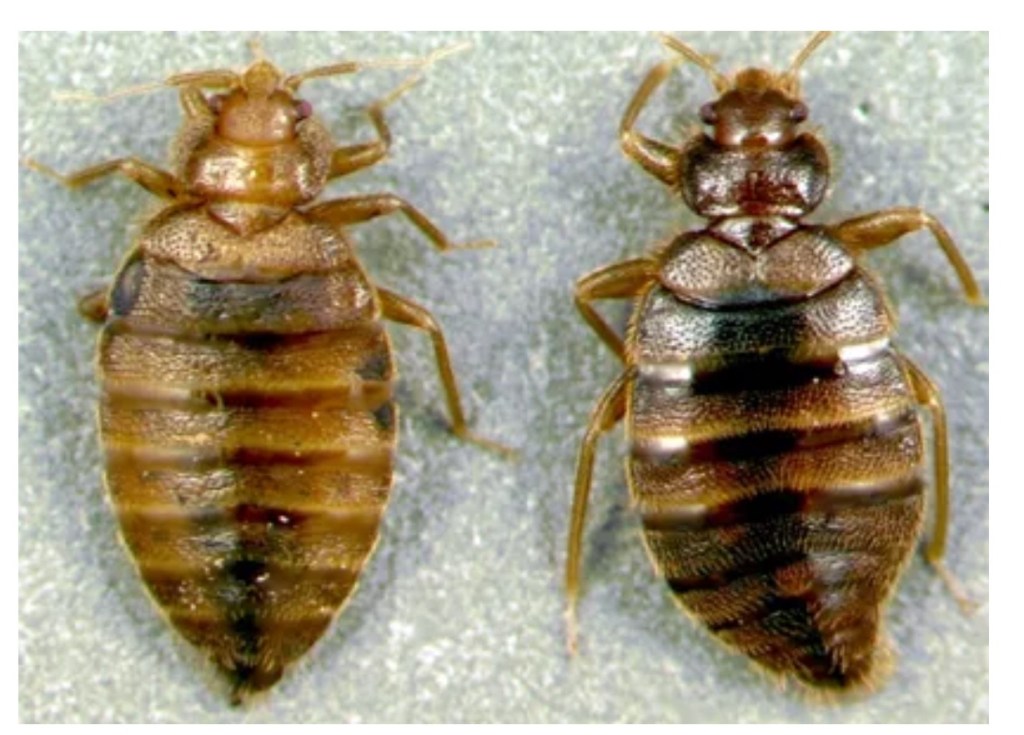
The common bed bug (left) features a distinctly U-shaped pronotum, while the tropical bed bug (right) has a less pronounced U-shaped pronotum.

For many years, pest control professionals have battled the common bed bug (Cimex lectularius), a persistent blood-feeding parasite that plagues homes and hospitality establishments alike. Now, a new challenge is emerging: the tropical bed bug, Cimex hemipterus. This closely related species raises significant concerns due to its potential for wider spread and increased difficulty in eradication.

Understanding the Tropical Bed Bug

The tropical bed bug thrives in warm, humid environments. Historically confined to tropical and subtropical regions, factors such as increased global travel and climate change are contributing to its northward expansion. In the United States, confirmed cases have already been documented in Florida and Hawaii.

Key Distinctions from the Common Bed Bug

While both bed bug species feed on human blood, the tropical bed bug exhibits some key differences:

Temperature Preference: Tropical bed bugs prefer higher temperatures than their common counterparts. While common bed bugs can survive in cooler climates, tropical bed bugs may struggle in areas with long, cold winters. However, with climate change bringing warmer temperatures to previously unsuitable regions, their geographic range is a growing concern.

Insecticide Resistance: The widespread overuse of insecticides may have contributed to resistance development in tropical bed bugs. This resistance makes them potentially more challenging to eradicate compared to common bed bugs.

Hiding Habits: Some studies suggest tropical bed bugs may be better at hiding in cracks and crevices, making them more difficult to detect during inspections.

The Potential Threat

The potential spread of the tropical bed bug poses a significant threat for several reasons:

Wider Infestation Range: As temperatures rise, the tropical bed bug’s geographic range could expand beyond currently known areas, potentially impacting a broader swath of the US population.

Treatment Challenges: Their potential resistance to insecticides necessitates the development of alternative and potentially more complex eradication methods, which could be more costly and time-consuming.

Proactive Measures for Property Managers and Residents

While the news of the tropical bed bug’s arrival may be unsettling, there’s no need to panic. Here are some steps property managers and residents can take to protect themselves:

Heightened Awareness: Familiarize yourself with the signs of a bed bug infestation, including bites, shed skins, and live bugs. Educate residents and staff about the potential for tropical bed bugs and the importance of early detection.

Regular Inspections: Implement a comprehensive inspection program to proactively identify potential infestations. Focus on mattresses, box springs, bed frames, and surrounding furniture for signs of bed bugs.

Travel Smart: Educate staff and residents about travel-related risks. Encourage inspections of hotel rooms, especially in high-risk areas. Recommend using luggage liners and storing luggage on luggage racks instead of the floor.

Seek Professional Help: If you suspect a bed bug infestation, regardless of the species, contact ECO Bed Bug Exterminators immediately. Early intervention is crucial for successful eradication.

The arrival of the tropical bed bug highlights the need for continued research and development of effective control methods. Proactive measures, including education, regular inspections, and swift professional intervention, are crucial in minimizing the impact of tropical bed bug infestations. By working together, property managers, residents, and pest control professionals can effectively combat this emerging threat.
Exploring Bed Bug Hacks – Separating Fact from Fiction

Dealing with a bed bug infestation can be a nightmare for homeowners. In the quest for solutions, many turn to various DIY methods or “bed bug hacks” found online. However, it’s essential to understand the efficacy of these methods before relying on them. In this blog, we’ll explore common bed bug hacks, delve into why they may not always live up to their promises, and provide insights into effective pest control strategies.

1. Freezing:
Placing infested items in the freezer to kill bed bugs and their eggs by exposing them to extreme cold temperatures.

While freezing can kill bed bugs, household freezers may not reach temperatures low enough or maintain consistent cold exposure to effectively eradicate all bed bugs and eggs.

2. Double-Sided Tape:
Applying double-sided tape around the legs of beds and furniture to trap bed bugs as they attempt to climb up.

Bed bugs are adept climbers and may find alternative paths to avoid the tape. Additionally, tape may not capture all bed bugs, especially those already residing on bedding or inside furniture.

3. Vacuuming:
Regularly vacuuming infested areas to physically remove bed bugs, eggs, and debris.

While vacuuming can remove some bed bugs, eggs, and debris, it’s not likely to eliminate an infestation entirely, especially if bed bugs are hiding in inaccessible areas or if the vacuum cleaner does not have a sealed bag to contain captured bugs.

4. Baking Soda:
Sprinkling baking soda around infested areas as it’s believed to dehydrate and kill bed bugs.

Baking soda may have limited effectiveness in killing bed bugs, as it primarily works through desiccation, which may not be sufficient to eliminate all bed bugs and their eggs.

5. Hair Dryer:
Using a hair dryer on high heat to target bed bugs and their eggs hiding in cracks and crevices.

While heat can kill bed bugs, a hair dryer may not produce temperatures high enough or maintain consistent heat to effectively eradicate bed bugs hiding in deep cracks and crevices. Additionally, using a hair dryer near bedding or flammable materials can pose safety risks.

6. Rubbing Alcohol:
Spraying rubbing alcohol directly on bed bugs to kill them on contact.

While rubbing alcohol can kill bed bugs on contact, it evaporates quickly and may not penetrate deep enough into hiding places to eliminate all bed bugs and eggs.

7. Dryer Sheets:
Placing dryer sheets in and around bedding and infested areas to repel bed bugs.

There is little scientific evidence to support the effectiveness of dryer sheets in repelling bed bugs or preventing infestations.

8. Silica Gel Packets:
Placing silica gel packets in infested areas to absorb moisture and dehydrate bed bugs.

While silica gel can absorb moisture, it’s unlikely to effectively dehydrate bed bugs or eliminate an infestation on its own. Additionally, silica gel packets typically contain small amounts of silica and may not have a significant impact on bed bugs.

9. Homemade Traps:
Creating DIY traps using household items like plastic containers, sugar, and yeast to attract and capture bed bugs.

DIY traps may capture some bed bugs, but they are unlikely to eliminate an infestation entirely. Bed bugs can easily avoid traps or find alternative routes to reach their hosts.

10. Essential Oil Sprays:
Spraying homemade essential oil mixtures on bedding and infested areas to repel bed bugs.

While some essential oils may have repellent properties, their effectiveness in deterring bed bugs is limited. Bed bugs can develop resistance to certain scents over time, rendering essential oil sprays ineffective as a long-term solution.

Although do-it-yourself bed bug hacks may offer apparent solutions, exercising caution is paramount. Grasping their limitations enables homeowners to make informed choices when combatting bed bug infestations. For thorough and enduring eradication, consulting pest control experts, equipped with comprehensive knowledge and resources, is often the optimal approach. If you suspect a bed bug infestation, reach out to ECO Bed Bug at 410.324.6223. ECO will work with you to develop a customized solution to address your needs.